
Salads
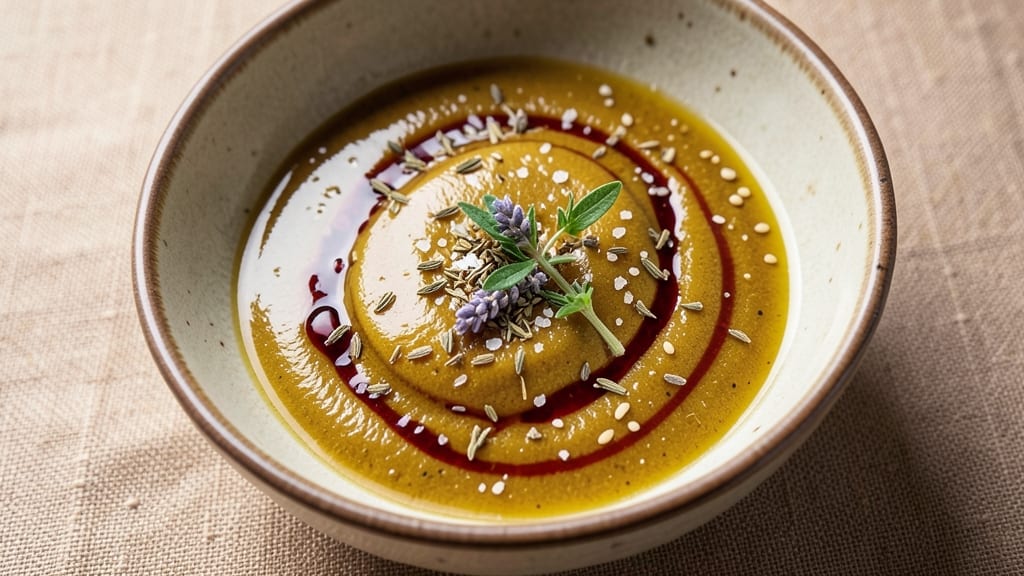
This 321 salad dressing recipe delivers restaurant-quality flavor with just three simple ingredients—oil, vinegar, and seasonings—balanced to perfection. The magic lies in the ratio: 3 parts oil to 2 parts vinegar to 1 part seasoning, creating a dressing that coats greens evenly without overpowering.
I developed this formula after years of testing, and it never fails to elevate even the simplest salads.
The beauty of this method is its versatility—adjust the oil-to-vinegar ratio for creamier or tangier results, or swap in Dijon mustard for depth. Whether you prefer classic vinaigrette or a richer herb-based dressing, the 321 ratio ensures harmony in every bite.
No emulsifiers or complicated techniques required; just shake, taste, and adjust.
What sets this apart is the bold yet balanced flavor profile that works with any salad—from crisp romaine to hearty kale. The dressing stays fresh for up to a week in the fridge, making it perfect for meal prep. No more store-bought bottles with mysterious ingredients or uneven textures.
Ready to transform your salads? This dressing takes just minutes to make and delivers results that taste like they came from a chef’s kitchen. Let’s get started with the foolproof formula that’s changed how I dress greens forever.
Ingredients for 321 salad dressing
Three core components plus subtle seasonings create this restaurant-quality dressing.
| Ingredient | Amount | Notes |
|---|---|---|
| Extra-Virgin Olive Oil 🫒 | 3 tbsp | High-quality, fruity variety for optimal flavor |
| Red Wine Vinegar 🍷 | 2 tbsp | Dry, bold vinegar preferred for tang |
| Dijon Mustard 🥬 | 1 tbsp | Mild or strong based on preference |
| Granulated Sugar 🍚 | ½ tsp | Adjust to taste for sweetness balance |
| Dried Herbs de Provence 🌿 | ½ tsp | Or 1 tsp fresh thyme/oregano blend |
| Kosher Salt 🧂 | ¼ tsp | Diamond Crystal preferred for precision |
| Freshly Ground Black Pepper 🌶️ | ¼ tsp | Cracked peppercorns preferred |
| Garlic Powder 🧄 | ¼ tsp | Fresh garlic preferred for stronger flavor |
| Water 💧 | 1 tbsp | Optional for thinner consistency |
The extra-virgin olive oil is non-negotiable—look for California or Italian varieties with fruity, peppery notes. Whole Foods or Trader Joe's carry excellent options at reasonable prices. Red wine vinegar should be aged at least 6 months; Bartles & Jaymes or Maille are reliable brands. For the Dijon mustard, Grey Poupon delivers consistent quality, though any good-quality whole-grain mustard works. The herbs de Provence blend offers complexity—if unavailable, substitute equal parts dried thyme, rosemary, and oregano. Penzeys Spices sells excellent bulk options for this purpose.
No Dijon mustard? Whole-grain mustard thinned with water works in a pinch. Substitute apple cider vinegar for red wine vinegar if preferred, though the flavor profile shifts slightly. For a sweeter dressing, increase sugar to 1 teaspoon or add 1 teaspoon honey (though honey isn't vegan). The garlic powder can be replaced with 1/4 teaspoon minced fresh garlic for more depth. If you prefer a creamier texture, add 1 tablespoon vegan mayonnaise or 1/2 teaspoon arrowroot powder to thicken. Always taste as you go—the 321 ratio is a starting point, not a strict rule.
Store dressing in an airtight glass jar in the refrigerator for up to 1 week. The flavors actually improve over time as they meld. For longer storage, transfer to a sterilized glass bottle and freeze for up to 3 months. Shake vigorously before each use. This dressing works beautifully with all salad greens, roasted vegetables, and grilled proteins. The ratio is flexible—adjust oil to vinegar based on your greens' density (more oil for hearty greens like kale, more vinegar for delicate arugula).
Why You'll Love This Recipe
- Five-Ingredient Magic: I swear, this dressing takes three minutes—just whisk those five pantry staples (olive oil, vinegar, mustard, sugar, herbs) until it’s smoother than my excuses for not cooking. No fancy tools, no stress, just a jar and a fork.
- Herb-Packed Punch: That pinch of Herbes de Provence isn’t just decoration—it’s the secret weapon. The dried lavender, thyme, and rosemary in this blend give it a sun-drenched, Mediterranean vibe that turns basic greens into a flavor explosion. Honestly, I’ve ruined store-bought dressings just to make this again.
- Works Everywhere: Slather it on grain bowls, drizzle it over roasted veggies, or toss it with pasta—this stuff doesn’t play favorites. I’ve even used it as a marinade for chicken (yes, really) and it didn’t let me down. Your fridge is about to become a dressing buffet.
- Make-Ahead Goldmine: Between us, I always double the batch. The vinegar and sugar keep it fresh for at least a week in the fridge, and it only gets better as the flavors meld. Plus, the olive oil and mustard combo means no weird separation—just pure, ready-to-use goodness whenever you need it.
Step-by-step instructions for 321 salad dressing recipe
This dressing comes together in minutes with just nine ingredients and three essential steps.
Whisk Together the Base Ingredients
In a small bowl, combine the 3 tablespoons extra-virgin olive oil and 2 tablespoons red wine vinegar. Use a whisk to blend them thoroughly for about 20 seconds—this ensures the oil and vinegar emulsify properly and prevents separation later. The mixture should look smooth and slightly cloudy, indicating proper emulsification.
Next, add the 1 tablespoon Dijon mustard and whisk again for another 10 seconds. The mustard acts as an emulsifier, helping to bind the oil and vinegar together. If you prefer a smoother texture, strain the mixture through a fine-mesh sieve at this stage to remove any lumps.
Incorporate Seasonings and Sweeteners
Add the 0.5 teaspoon granulated sugar, 0.5 teaspoon dried herbs de Provence, 0.25 teaspoon kosher salt, 0.25 teaspoon freshly ground black pepper, and 0.25 teaspoon garlic powder to the bowl. Whisk vigorously for 30 seconds until all the dry ingredients are fully dissolved and the dressing takes on a uniform color. The sugar balances the acidity of the vinegar, while the herbs and spices add depth and complexity.
Taste the dressing at this point. If it needs more sweetness, add a pinch more sugar, or if it’s too sharp, a tiny bit more olive oil can help mellow the acidity. This is where you fine-tune the flavor to your preference—don’t skip this step, as it ensures the dressing is perfectly balanced.
Adjust Consistency and Rest Before Serving
If the dressing is too thick for your liking, add the 1 tablespoon water one teaspoon at a time, whisking after each addition until you reach your desired consistency. The dressing should coat the back of a spoon smoothly but still cling to greens. If it’s too thin, let it sit for 5 minutes—the emulsifiers will naturally thicken it slightly.
Cover the bowl and let the dressing rest for 10-15 minutes before serving. This resting period allows the flavors to meld together, resulting in a more cohesive and delicious dressing. Once rested, give it one final whisk to ensure everything is well combined. Store any leftovers in an airtight container in the refrigerator for up to 1 week, shaking well before each use.
Pro Tips For Making 321 Salad Dressing
- Whisk in Stages: Start with just the mustard and vinegar—this keeps the mixture from splitting when you add the oil later. After 30 seconds of whisking, slowly drizzle in the olive oil while whisking constantly. I learned this the hard way: dumping oil in all at once creates a greasy, unemulsified mess.
- Toast the Herbs: Lightly toast the dried Herbes de Provence in a dry skillet over medium heat for 30 seconds before adding them to the dressing. This wakes up their flavor—no need to burn them, just warm them until fragrant. (Yes, even if you’re impatient like me.)
- Measure Sugar Precisely: Pack the granulated sugar into the measuring spoon—it’s denser than you think, and under-measuring means your dressing will taste flat. A teaspoon too much? It’ll be sweet enough to cut through even the bitterest greens.
- Use Room-Temp Oil: Cold olive oil emulsifies poorly—let the bottle sit out for 10 minutes before measuring. I used to grab it straight from the fridge, and the dressing always separated within hours. Room temp makes all the difference.
Best sauces and condiments for this dish
Classic Vinaigrette
The 321 ratio is perfect for a traditional vinaigrette, but you can tweak it for different vinegars. For a balsamic vinaigrette, swap the red wine vinegar with 2 tablespoons aged balsamic vinegar and add 1 teaspoon honey to balance the richness.
This version pairs beautifully with roasted Brussels sprouts or grilled chicken salads. 🍷
Creamy Herb Dressing
For a creamy texture, replace 1 tablespoon of olive oil with 1 tablespoon vegan mayonnaise or 1/2 teaspoon arrowroot powder mixed with 1 tablespoon water.
Add 1/2 teaspoon fresh dill and 1/4 teaspoon lemon zest for a bright, herby dressing that works perfectly with cucumber and avocado salads. The mayonnaise adds body while keeping it light enough for greens. 🌿
Spicy Chipotle Twist
Infuse bold flavors by adding 1/2 teaspoon adobo sauce (from canned chipotle peppers) and 1/4 teaspoon smoked paprika to the base. This smoky-spicy dressing elevates Southwestern salads or grilled corn and black bean bowls.
For extra heat, add 1/8 teaspoon cayenne pepper—just a pinch goes a long way! 🌶️
Citrusy Poppy Seed
Brighten up your greens with a zesty poppy seed dressing. Swap the herbs de Provence for 1/2 teaspoon poppy seeds and add 1 teaspoon fresh lemon juice along with the vinegar.
A pinch of ground ginger adds warmth, making this ideal for spring salads with strawberries, spinach, and feta. The poppy seeds add a delightful crunch. 🍋
Nutty Tahini Dressing
For a Middle Eastern-inspired twist, replace 1 tablespoon olive oil with 1 tablespoon tahini (sesame paste). Add 1/2 teaspoon ground cumin and 1/4 teaspoon garlic powder for depth. This nutty, earthy dressing pairs wonderfully with shredded carrots, cucumbers, and chickpeas. Thin with water if needed—tahini can be thick! 🥜
Sweet and Tangy Fruit Vinaigrette
Turn your dressing into a fruit-forward delight by adding 1 tablespoon finely diced mango or peach (along with the vinegar) and 1/2 teaspoon orange zest. This sweet-tangy version is perfect for summer salads with watermelon, arugula, and prosciutto.
The fruit adds natural sweetness while keeping the dressing light and refreshing. 🍉
Nutrition facts
Frequently asked questions
Why does the 321 ratio work so well for salad dressings?
The 321 ratio (3 parts oil to 2 parts vinegar to 1 part seasoning) creates perfect balance: oil provides richness and coats greens, vinegar adds tang, while seasonings enhance flavor without overpowering. This ratio prevents either component from dominating, ensuring harmony in every bite.
Can I make this dressing without Dijon mustard?
Yes! Replace Dijon with 1 tablespoon whole-grain mustard thinned with 1 teaspoon water or 1/2 teaspoon honey for sweetness. Mustard acts as an emulsifier—if omitting completely, whisk the oil and vinegar more vigorously to prevent separation.
How do I fix a dressing that separated?
Gently whisk the separated dressing to re-emulsify. If it still separates, add 1 teaspoon Dijon mustard or 1/2 teaspoon arrowroot powder mixed with 1 teaspoon water, then whisk vigorously. For future batches, use a handheld immersion blender for smoother results.
What’s the best way to store leftover dressing?
Transfer to an airtight glass jar and refrigerate for up to 1 week. Shake well before each use. For longer storage, freeze for 3 months—thaw in the fridge overnight. Avoid metal containers as they can react with acidic ingredients.
Can I use this dressing for non-salad dishes?
This versatile dressing elevates roasted vegetables, grilled proteins, and even pasta dishes. For heartier meals, increase the oil ratio slightly (e.g., 4:2:1) to create a richer sauce. The 321 ratio adapts beautifully to any application.