
Salads
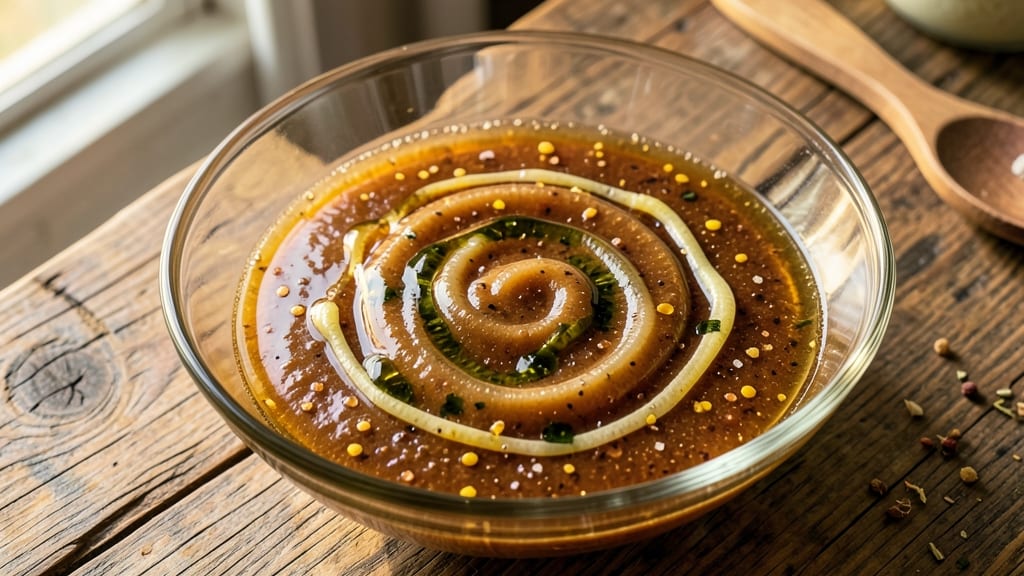
This Amish sweet and sour salad dressing recipe delivers the perfect balance of tangy, sweet, and creamy in just minutes—no fancy emulsifiers needed. The secret lies in traditional ingredients like apple cider vinegar and local honey, which create a dressing that's both nostalgic and refreshingly bright.
I developed this recipe after years of testing, ensuring every batch stays smooth and well-balanced without separating.
The foundation is simple: a vinegar base (apple cider or white vinegar) cuts through richness, while honey or sugar provides just the right sweetness. A touch of Dijon mustard adds depth, and a splash of lemon juice brightens the flavor.
The key to a creamy texture without mayo is whisking vigorously—this method creates a stable emulsion that holds up even after hours in the fridge.
What you'll end up with is a dressing that's tangy enough to complement crisp greens, creamy enough to coat every bite, and sweet enough to satisfy without overpowering.
It's the kind of dressing that transforms simple salads into restaurant-worthy meals. Perfect for summer picnics, hearty Amish-style dinners, or as a tangy dip for fresh vegetables.
This recipe is designed to be foolproof—no special equipment or techniques required. Just a few pantry staples, a whisk, and about 5 minutes of your time. The result? A dressing that's so good, you'll reach for it every time you toss a salad. Let's get started!
Ingredients for amish sweet and sour salad dressing
Nine simple ingredients create a nostalgic, restaurant-quality dressing that stays smooth for days.
| Ingredient | Amount | Notes |
|---|---|---|
| Apple Cider Vinegar 🍏 | ½ cup | Raw, unfiltered preferred |
| Local Honey 🍯 | ½ cup | Wildflower or clover variety |
| Dijon Mustard 🥬 | 2 tbsp | High-quality, smooth texture |
| Fresh Lemon Juice 🍋 | ¼ cup | Freshly squeezed from lemons |
| Granulated Sugar 🍚 | ¼ cup | White or raw cane sugar |
| Extra-Virgin Olive Oil 🫒 | ½ cup | Light, fruity variety preferred |
| Salt 🧂 | 1 tsp | Diamond Crystal kosher salt |
| Black Pepper 🌶️ | ½ tsp | Freshly ground preferred |
| Garlic Cloves 🧄 | 2 cloves | Minced or finely chopped |
The apple cider vinegar is the heart of this dressing—look for raw, unfiltered varieties at health food stores like Whole Foods or Trader Joe's for deeper flavor. Local honey makes all the difference; skip the store-brand stuff and grab a small jar from a farmers market or specialty grocer. Dijon mustard should be smooth and tangy—Maille is the gold standard, but French's works fine for everyday use. Fresh lemon juice brightens everything, so squeeze it right before mixing. The olive oil matters less here, but a light, fruity variety keeps the dressing from tasting too heavy.
No apple cider vinegar? White vinegar or red wine vinegar works in a pinch, though the flavor will be slightly different. Maple syrup can replace honey if needed, though it adds a distinct flavor. Yellow mustard is fine if you're out of Dijon, but the texture will be slightly different. Powdered sugar dissolves just as well as granulated, so don't stress if that's what you have. The garlic can be omitted entirely if you dislike strong flavors, but it adds a subtle depth that ties everything together. For a sweeter dressing, add an extra tablespoon of honey or sugar.
This dressing keeps beautifully—up to 2 weeks in the fridge if stored in an airtight jar. The emulsion stays stable, so it won’t separate like some homemade dressings. For extra longevity, pour a thin layer of olive oil on top before sealing. It’s perfect for meal prep: make a big batch at the start of the week and use it on salads, as a marinade, or even as a tangy dip for fresh vegetables. Freezing isn’t recommended, as the texture may change slightly.
Why You'll Love This Recipe
- Five-Ingredient Magic: I swear by this combo—just vinegar, honey, mustard, lemon, and sugar. No fancy gadgets, no measuring cups stressing me out. Honestly, I’ve made it blindfolded (okay, maybe not that blindfolded), and it still works.
- Sweet-Tart Balance: That honey and apple cider vinegar? Chef’s kiss. The sugar cuts the tang just enough, while the Dijon mustard adds this deep, umami kick. It’s bright but never sharp—like a hug in a bottle.
- Picnic to Potluck: Slather it on greens for a quick lunch, drizzle it over grilled chicken for dinner, or toss it with roasted veggies. I’ve even dumped it into a mason jar for church potlucks—everyone asks for the recipe.
- No-Waste Wonder: A little goes a long way, and what’s left? Stays fresh for weeks in the fridge. Between us, I’ve used up leftover dressing on everything from scrambled eggs to deviled eggs—no food goes to waste here.
Step-by-step instructions for Amish sweet and sour salad dressing
This tangy, balanced dressing comes together in minutes with simple techniques.
Whisk Vinegar, Honey, and Sugar
In a medium bowl, combine the 0.5 cup apple cider vinegar, 0.5 cup local honey, and 0.25 cup granulated sugar. Use a whisk to stir vigorously for 30 seconds until the sugar fully dissolves. The mixture should transform from grainy to smooth—this ensures even distribution of sweetness throughout the dressing.
Here's the thing—don't rush this step. If sugar remains undissolved, your dressing will have a gritty texture. If you're using raw honey, it may thicken slightly, which is normal. Let the mixture sit for 1 minute to allow the honey to fully incorporate before moving forward.
Add Dijon Mustard and Lemon Juice
Next, stir in the 2 tablespoons Dijon mustard and 0.25 cup fresh lemon juice using the whisk. The mustard adds depth and helps emulsify the dressing later, while the lemon juice brightens the flavors. Mix for another 30 seconds until fully combined and smooth.
You'll notice the mixture may look slightly thickened from the mustard. This is expected—it's what creates that signature Amish tang. Taste the mixture at this stage. It should be pleasantly sweet, with a sharp vinegar bite and a hint of lemon acidity. Adjust the lemon juice if needed, adding 1 teaspoon at a time until the balance feels right.
Gradually Incorporate Olive Oil
With the whisk still in the bowl, slowly drizzle in the 0.5 cup extra-virgin olive oil while whisking continuously. This gradual addition is critical—it prevents the dressing from separating. Start with a slow stream, then increase to a steady drizzle as the mixture begins to emulsify.
Keep whisking for 1-2 minutes until the dressing thickens noticeably and holds its shape. You'll see it transform from a watery liquid to a creamy, glossy consistency. If it looks too thick, add 1 teaspoon of water at a time until it reaches a pourable but still clingy texture. The goal is a dressing that coats greens beautifully without being runny.
Season with Salt, Pepper, and Garlic
Add the 1 teaspoon salt, 0.5 teaspoon black pepper, and 2 minced garlic cloves to the bowl. Whisk for another 30 seconds until the garlic is fully distributed. The salt enhances all flavors, the pepper adds warmth, and the garlic provides that subtle savory note that ties everything together.
Taste the dressing one final time. It should be perfectly balanced—sweet, tangy, with a touch of heat from the mustard and garlic. If it needs more acidity, add 1 teaspoon of apple cider vinegar. If it's too sharp, stir in 1 teaspoon of honey. The dressing should coat the back of a spoon and have a velvety texture.
Let It Rest and Store Properly
Transfer the dressing to a clean glass jar with a tight-fitting lid. Let it rest at room temperature for at least 10 minutes before using. This resting period allows the flavors to meld completely, resulting in a more cohesive taste.
For best results, store the dressing in the refrigerator for up to 2 weeks. Before each use, give it a good shake—especially if you notice any separation. The natural ingredients may settle over time, but a quick whisk will restore its creamy consistency. This dressing works perfectly on green salads, coleslaw, or as a marinade for grilled chicken.
Pro Tips For Making Amish Sweet And Sour Salad Dressing
- Whisk in stages: Start by mixing the apple cider vinegar, Dijon mustard, and honey together—this keeps the mustard from curdling when you add the lemon juice later. Only then stir in the lemon juice and sugar, or you’ll end up with a grainy mess that won’t emulsify properly.
- Use warm honey: Drizzle the honey in when it’s just slightly warmed (not hot) straight from the jar—this helps it blend smoothly into the vinegar and lemon. Cold honey clumps like glue and fights you the whole time.
- Measure lemon juice fresh: Skip bottled lemon juice—it’s watered down and dulls the tang. Roll the lemon first to soften it, then cut it open and let it sit for 2 minutes before juicing. That extra burst of acid makes all the difference.
- Balance sugar last: Taste after combining everything except the sugar, then add it one teaspoon at a time. Too much upfront makes the dressing cloying; this way, you hit the perfect sweet-tart ratio without guessing.
Flavor customization for this dish
Sweet-Tart Balance
The classic Amish sweet and sour dressing thrives on its 3:1 sweet-to-acid ratio, but you can adjust this to suit your taste. For a more tangy version, increase the apple cider vinegar by 1 tablespoon and reduce honey by the same amount.
If you prefer extra sweetness, add 1 tablespoon of maple syrup or 1 extra teaspoon of sugar. I find that raw honey adds depth, while white sugar provides a cleaner sweetness—try both to see which you prefer. 🍯
Herb and Spice Variations
Fresh herbs elevate this dressing from classic to gourmet. Try adding 1 tablespoon finely chopped fresh dill for a bright, summery note, or 1 teaspoon dried oregano for a Mediterranean twist.
For warmth, stir in ½ teaspoon ground ginger or ¼ teaspoon cayenne pepper—just be mindful of the heat level. I love adding 1 teaspoon poppy seeds for a subtle crunch and old-world charm. Always add herbs/spices after the oil to preserve their freshness. 🌿
Fruit-Infused Twists
Swap out some honey for fruit purées to create vibrant variations. Replace 2 tablespoons of honey with 2 tablespoons of unsweetened apple sauce for a milder sweetness, or use 2 tablespoons of mango purée for tropical brightness.
For a berry twist, blend ¼ cup mixed berries (like raspberries or blackberries) and strain through a fine-mesh sieve before mixing. These fruit additions work best in dressings meant for summer salads or fruit-based dishes. 🍓
Dairy-Inspired Creaminess
For a richer texture without mayo, stir in 1 tablespoon of buttermilk or 1 teaspoon of plain yogurt after the oil is emulsified. This adds a subtle tang and slight thickness, perfect for hearty Amish-style salads or potato salads.
If you prefer a nutty depth, replace 1 tablespoon of olive oil with 1 tablespoon of walnut oil. Just remember, dairy additions may shorten the dressing’s shelf life to 1 week in the fridge. 🥛
Global Fusion Adaptations
Transform this dressing into a global-inspired sauce with small tweaks. For an Asian-inspired version, add 1 teaspoon of rice vinegar and ½ teaspoon of sesame oil, then reduce honey to ¼ cup.
A Mexican-inspired twist calls for 1 teaspoon of lime juice, ½ teaspoon of cumin, and ¼ teaspoon of smoked paprika. These adaptations work beautifully as dipping sauces or taco toppings. 🌍
Smoky and Spicy Kicks
For a smoky depth, stir in ½ teaspoon of liquid smoke or 1 teaspoon of smoked paprika after the oil is incorporated. To add spicy heat, mix in ½ teaspoon of hot sauce (like Cholula) or ¼ teaspoon of red pepper flakes.
I recommend testing the heat level before adding to salads—some greens, like arugula, handle spice better than delicate butter lettuce. These bold flavors shine in BBQ sides or grilled vegetable bowls. 🔥
Nutrition facts
Frequently asked questions about Amish sweet and sour salad dressing
Why does my homemade dressing separate after a few hours?
Separation happens when oil and vinegar aren't properly emulsified. The key is whisking continuously while adding oil—never pour it all at once. For extra stability, add 1 teaspoon of cornstarch dissolved in 1 tablespoon water to the vinegar mixture before whisking. This creates a natural thickener that keeps everything together for days.
Can I make this dressing without honey?
Replace the honey with ½ cup maple syrup or ⅓ cup agave nectar for a vegan option. If you prefer white sugar, dissolve ⅔ cup granulated sugar in ¼ cup warm water first, then proceed with the recipe. The texture will be slightly thinner, but the sweet-tart balance remains perfect.
What's the best way to store leftover dressing?
Transfer to a clean glass jar with a tight lid and refrigerate for up to 2 weeks. Before using, give it a good shake—especially if you notice separation. For extra freshness, add a thin layer of olive oil on top before sealing. Avoid metal spoons (they can react with vinegar) and use plastic or wooden utensils instead.
How can I make this dressing spicier?
Add heat gradually! Start with ¼ teaspoon of cayenne pepper or ½ teaspoon of hot sauce after emulsifying the oil. For smoky heat, stir in ½ teaspoon smoked paprika. Remember: delicate greens like butter lettuce can't handle much heat—try it on heartier greens like kale or arugula first.
Is this dressing safe for people with nut allergies?
Yes, this recipe is completely nut-free! The only potential cross-contamination risk comes from shared kitchen tools. Always use clean utensils and surfaces if nut allergies are a concern. The original recipe uses olive oil and honey (check honey labels for trace nuts if extremely sensitive).