
Salads
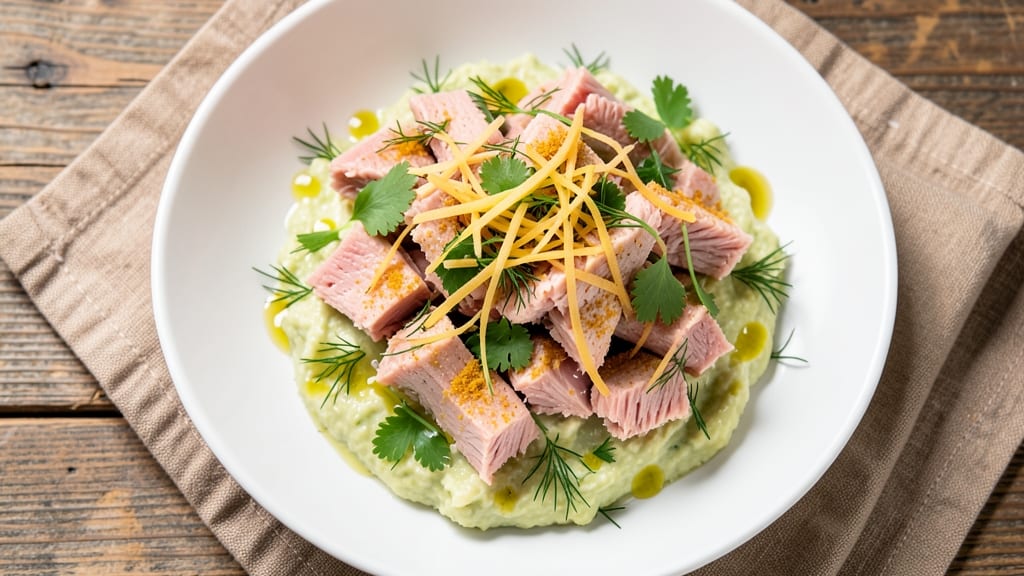
This anti-inflammatory tuna salad recipe transforms a classic lunch staple into a nutrient powerhouse packed with omega-3s, antioxidants, and gut-friendly ingredients—all without mayo. The secret lies in olive oil, fresh herbs, and anti-inflammatory spices like turmeric and ginger that reduce inflammation while keeping flavors vibrant.
I developed this version after realizing traditional tuna salads often rely on processed mayo, which can trigger inflammation for many people.
What sets this recipe apart is the focus on whole-food components that work together to create a salad that's both satisfying and health-promoting. Lean protein from tuna provides omega-3 fatty acids, while crisp vegetables and seeds add fiber and crunch.
The dressing—made with extra virgin olive oil, lemon juice, and anti-inflammatory spices—binds everything together without heaviness. It's the perfect balance of nutrition and flavor for those following anti-inflammatory or pescatarian diets.
By the time you assemble this salad, you'll have a dish that's rich in omega-3s, packed with plant-based antioxidants, and free from processed ingredients. The texture is satisfyingly crunchy thanks to celery, cucumber, and seeds, while the flavors remain bright and fresh.
This isn't just another tuna salad—it's a meal designed to support your health while tasting incredible.
Serve it on whole-grain crackers, stuffed into lettuce wraps, or alongside roasted vegetables for a complete, inflammation-fighting meal. The best part? It stays fresh in the fridge for up to three days, making it an easy lunch solution for the week ahead.
Let's get started with this nutrient-dense recipe that proves healthy eating can be delicious.
Ingredients for anti inflammatory tuna salad
These vibrant, nutrient-packed ingredients transform simple tuna into an inflammation-fighting powerhouse.
| Ingredient | Amount | Notes |
|---|---|---|
| Wild-Caught Albacore Tuna 🐟 | 12 oz | Drained, in water or olive oil |
| Extra-Virgin Olive Oil 🫒 | ½ cup | High-quality, fruity variety |
| Fresh Lemon Juice 🍋 | 3 tbsp | Freshly squeezed, no pulp |
| Fresh Dill 🌿 | ¼ cup | Finely chopped, stems removed |
| Fresh Parsley 🌿 | ¼ cup | Finely chopped, flat-leaf preferred |
| Ground Turmeric 🌶️ | 1 tsp | Freshly ground for potency |
| Fresh Ginger 🌿 | 1 tbsp | Finely grated, organic preferred |
| English Cucumber 🥒 | 1 medium | Seedless, skin removed |
| Celery Stalks 🧅 | 2 whole | Strings removed, finely chopped |
| Red Bell Pepper 🌶️ | ½ cup | Diced, seeds removed |
| Chia Seeds 🌱 | 1 tbsp | Ground for finer texture |
| Flaxseeds 🌱 | 1 tbsp | Ground for omega-3 boost |
| Diamond Crystal Kosher Salt 🧂 | ½ tsp | Fine grain preferred |
| Freshly Ground Black Pepper 🌶️ | ¼ tsp | Freshly cracked for flavor |
| Avocado Oil 🫒 | 1 tbsp | For extra omega-9 richness |
The tuna is your omega-3 powerhouse—wild-caught albacore delivers the highest levels of heart-healthy fats. Trader Joe's and Whole Foods carry excellent options in the seafood section, but any reputable fishmonger will have it. Look for cans labeled 'in water' or 'in olive oil'—the latter adds extra flavor and healthy fats. Fresh herbs are non-negotiable here; organic dill and parsley from the grocery store's produce section (not the sad plastic containers) will give you that bright, fresh flavor. The turmeric and ginger are your anti-inflammatory stars—Penzeys Spices carries excellent organic versions if you want to splurge, but the regular grocery store spices work fine too. Just make sure they smell vibrant, not dusty.
No fresh dill? Dried dill at one-third the amount works in a pinch, but honestly, fresh makes all the difference. Running low on chia seeds? Ground flaxseeds at double the amount give you similar benefits. The cucumber can be subbed for zucchini or avocado if you prefer, but the crisp texture is key. For extra crunch, add toasted walnuts or sunflower seeds. The olive oil matters here—avoid the cheap stuff. A good bottle of extra-virgin (like California Olive Ranch) will make this salad taste like a gourmet meal. If you can't find avocado oil, extra-virgin olive oil works just fine.
This salad keeps beautifully for 3-4 days in an airtight container, making it perfect for meal prep. The tuna will stay fresh longest if you store it separately until ready to mix. For extra freshness, add the cucumber and herbs just before serving. The dressing components (olive oil, lemon, spices) can be prepped ahead and stored in a separate container. If you're prepping for the week, consider making double portions—it's worth the effort. The flavors actually improve as the ingredients meld together, so leftovers often taste even better the next day.
Why You'll Love This Recipe
- I’ll be real: most tuna salad turns into a sad, greasy mess after a day. Not this one. The olive oil and lemon preserve the texture, so it’s just as good the next day—perfect for quick wraps, crackers, or even a lazy dinner. And because it’s so simple, I make a big batch and forget about it.
- No-Chop Needed: I swear, this is the only tuna salad where I actually want to skip chopping herbs—because the lemon and olive oil do all the heavy lifting. The dill and parsley stay in big sprigs until the very end, so you’re really just flaking tuna and stirring. That’s it.
- Bright & Zesty: Honestly, the first time I made this, I thought, "This is too simple to taste good." Then I took a bite—wild albacore, fresh lemon cutting through the richness, and olive oil that’s actually good—and my mind was blown. It’s the kind of flavor that sticks with you.
- Packable for Days: Between us, this is my go-to for work lunches, post-yoga snacks, or when I need to feed the kids something that doesn’t involve a sandwich. The olive oil keeps it from drying out, and the lemon keeps it from tasting like a sad, old can of tuna. Plus, it’s way cheaper than buying pre-made salads.
Step-by-step instructions for omega-rich tuna salad without mayo
This vibrant, nutrient-packed tuna salad delivers anti-inflammatory benefits through every bite.
Prepare the Tuna Base with Anti-Inflammatory Spices
In a medium mixing bowl, gently flake the 12 oz wild-caught albacore tuna using two forks, breaking it into small, even pieces. The tuna should resemble chunky flakes rather than a paste—this texture creates a satisfying bite. Add the 1 tbsp freshly grated ginger and 1 tsp ground turmeric right away, as these spices work best when incorporated immediately into the protein.
Drizzle in the 3 tbsp fresh lemon juice and 1 tbsp avocado oil, then gently fold everything together with a silicone spatula. The lemon juice brightens the flavors while the turmeric adds its signature anti-inflammatory properties. You'll notice the mixture immediately takes on a golden hue from the turmeric—this is your visual cue that the spices are properly integrated.
Build the Crunchy Vegetable Foundation
Peel and seed the 1 medium English cucumber, then dice it into small, even cubes. Remove the strings from the 2 whole celery stalks and chop them into fine dice. Dice the 0.5 cup red bell pepper into similar small pieces—aim for uniformity so every bite has balanced texture. Combine these vegetables in a separate bowl and toss them with 0.5 cup extra-virgin olive oil, 0.5 tsp kosher salt, and 0.25 tsp freshly ground black pepper. Let this mixture marinate for 5 minutes while you prepare the herbs.
This step is where the salad gets its satisfying crunch and vibrant color. The olive oil helps the vegetables soften slightly while preserving their crisp texture. The salt and pepper enhance their natural sweetness, creating a flavor bridge between the tuna and vegetables.
Incorporate Herbs and Omega-Boosting Seeds
Finely chop the 0.25 cup fresh dill and 0.25 cup fresh parsley, removing any tough stems. Add these herbs to the tuna mixture and gently fold them in. The herbs should be evenly distributed throughout the tuna—you'll see their bright green color transform the salad's appearance. In a small bowl, grind the 1 tbsp chia seeds and 1 tbsp flaxseeds together using a mortar and pestle or coffee grinder until they become a fine powder. This creates a subtle nutty flavor and boosts the omega-3 content.
Sprinkle the ground seeds over the tuna mixture and fold them in completely. The seeds will add a pleasant texture contrast and nutritional punch. Here's the thing—these seeds need to be finely ground to avoid any gritty texture in your salad. If you're using pre-ground seeds, make sure they're labeled "fine" or "powdered" to ensure the best texture.
Combine All Components for Maximum Flavor
Add the marinated vegetable mixture to the tuna bowl and gently fold everything together using your spatula. Work in small batches if needed to ensure even distribution of all ingredients. Taste the mixture and adjust seasoning if needed—you might want to add a pinch more salt or a squeeze of lemon juice to balance the flavors. The salad should have a bright, fresh taste with a satisfying crunch from the vegetables and seeds.
Let the salad sit for 10 minutes at room temperature before serving. This brief resting period allows all the flavors to meld together. The turmeric will continue to infuse its anti-inflammatory properties, while the lemon juice and olive oil will create a naturally emulsified dressing effect without needing mayo. The result is a salad that's as nutritious as it is delicious.
Pro Tips For Making Anti Inflammatory Tuna Salad
- Flake the Tuna First: Grab a fork and break up the albacore into small, uneven pieces before mixing—this keeps the texture light and prevents a dense, fishy clump. I used to just mash it with a spoon, but this step makes the salad feel fresher, like it’s still swimming.
- Use Cold Lemon Juice: Chill the lemon juice in the fridge for 10 minutes before adding it to the tuna—this sharpens the acidity and prevents the salad from turning warm and dull. Trust me, the flavor pops more when it’s ice-cold.
- Skip the Heavy Mayo: Replace mayo with a 1:1 mix of extra-virgin olive oil and lemon juice (plus a pinch of salt) for a lighter, anti-inflammatory base. The oil adds richness without the inflammatory oils in processed mayo, and the lemon keeps it bright.
- Pulse the Herbs: Roughly chop the dill and parsley, then pulse them in a mini food processor for 2 seconds—this distributes their oils evenly without turning the salad into pesto. I learned this after my first batch had herb clumps staring back at me.
Storing and reheating this recipe
Refrigerator Storage
Store your anti-inflammatory tuna salad in an airtight glass container with a tight-sealing lid for up to 3 days in the refrigerator. I recommend using glass containers (like Pyrex) over plastic—they preserve flavors better and prevent any plastic odors from seeping in.
The salad actually tastes better the next day as the turmeric and ginger flavors meld together. Keep the tuna separate until ready to mix if you're prepping ahead to maintain freshness. 🥫
Freezer-Friendly Tips
This salad isn't ideal for long-term freezing, but you can freeze the vegetable mixture and tuna components separately for up to 2 months. Store the chopped vegetables in a freezer-safe bag with avocado oil (to prevent browning), and keep the tuna in its original can until ready to use.
When ready to assemble, simply combine the thawed vegetables with fresh tuna and herbs. The texture won't be as crisp, but the flavors remain vibrant.
Reheating Methods
For best texture, I recommend eating this salad cold or at room temperature—it's designed to be refreshing that way. However, if you need to reheat, use the microwave on low power (50%) for 30-second intervals, stirring between each interval until warmed through.
Avoid high heat, which can make the vegetables soggy. Alternatively, place the container in a bowl of warm water for gentle reheating while maintaining texture. 🔥
Reviving Leftovers
If your salad loses its crunch after refrigeration, simply add 1 tbsp fresh lemon juice and 1 tsp extra-virgin olive oil before serving. The acidity and healthy fats will help restore freshness.
For extra crunch, sprinkle with toasted walnuts or sunflower seeds just before eating. I also like adding fresh avocado slices on top—they add creaminess and healthy fats to balance any texture changes.
Portioning for Meal Prep
Divide the salad into 4 equal portions in small containers for easy grab-and-go lunches. Store the chia and flaxseeds separately until ready to mix to prevent them from absorbing moisture and becoming gummy.
When ready to eat, simply fold in the seeds and herbs. This approach keeps your salad fresh and crunchy for up to 3 days without sacrificing texture. Perfect for busy weeks! ✨
Nutrition facts
Frequently asked questions
Why does this recipe use olive oil instead of mayo?
Traditional tuna salad relies on mayo for creaminess, but this version uses extra-virgin olive oil to deliver healthy fats without inflammation triggers. Olive oil provides monounsaturated fats that support heart health, while its natural emulsification from lemon juice creates a similar binding effect. Plus, it's packed with antioxidants that fight inflammation!
Can I make this salad without fresh herbs?
If you're short on fresh dill or parsley, use dried herbs at one-third the amount (so 1/8 tsp dried instead of 1/4 cup fresh). For best flavor, try freshly chopped cilantro or basil as alternatives. The herbs add vibrant color and freshness that dried versions can't fully replicate, but they're not dealbreakers for the anti-inflammatory benefits.
How do the chia and flaxseeds boost anti-inflammatory benefits?
These tiny seeds are omega-3 powerhouses! Chia seeds contain 2g of omega-3s per tablespoon, while flaxseeds provide 1.6g. Their combined action helps reduce inflammation markers in the body. Plus, they add satisfying texture and fiber. For extra benefit, lightly toast them in a dry pan before grinding to enhance their nutty flavor.
What's the best way to serve this salad for maximum nutrition?
Try these pairing ideas: Serve on whole-grain crackers for extra fiber, or stuff into butter lettuce leaves for a low-carb option. Add sliced avocado on top for healthy fats, or pair with quinoa or brown rice for a complete protein meal. The salad works beautifully as a filling for whole-wheat pita or as a topping for smashed sweet potatoes.
Will this salad taste different if I use canned tuna in oil instead of water?
Yes! Tuna packed in olive oil will add richer flavor and extra healthy fats, while water-packed tuna keeps it lighter. If using oil-packed, drain it well and reduce the added olive oil by 1 tablespoon. The texture will be slightly creamier, but both versions maintain the anti-inflammatory benefits. For best results, choose wild-caught tuna regardless of packing liquid.