
Salads
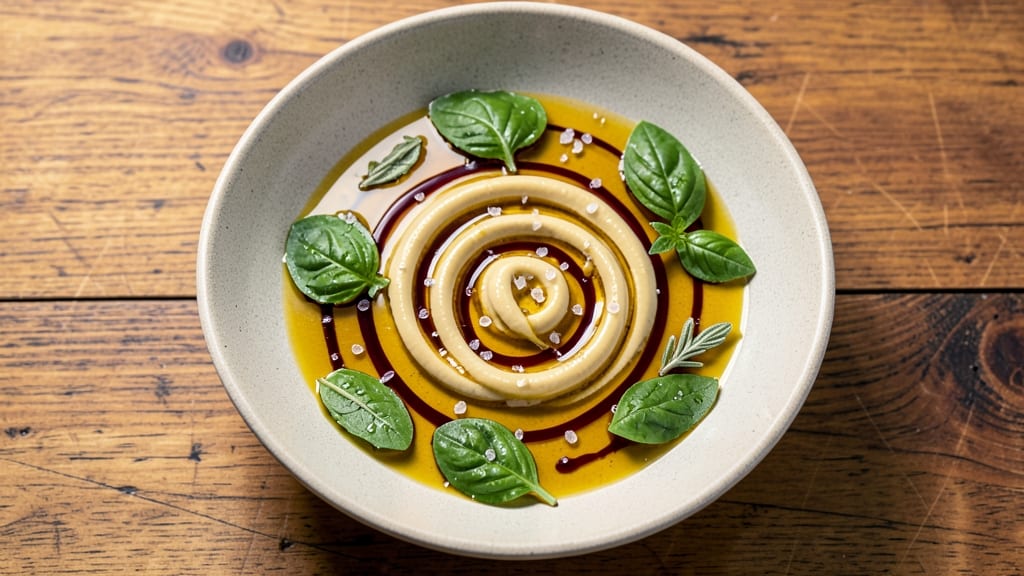
This antico salad dressing transforms simple greens into a taste of Italy with its vibrant olive oil zing and fragrant herbs. 🌿 The secret lies in balancing sharp vinegar with rich, fruity olive oil—just like Nonna used to make—and a touch of Dijon mustard for that signature emulsification.
I developed this recipe after years of searching for the perfect vinaigrette to elevate classic Italian salads like insalata caprese or panzanella without overpowering their delicate flavors.
The dressing comes together in minutes with just five ingredients: high-quality extra virgin olive oil, red wine vinegar, fresh herbs (basil and oregano), Dijon mustard, and a pinch of salt.
What makes it truly special is the way these components meld together—sharp vinegar cuts through the richness of the olive oil, while the herbs add an aromatic depth that makes every bite feel like a trip to Rome.
The Dijon mustard acts as a natural emulsifier, ensuring the dressing stays silky and clings beautifully to your salad leaves.
What you'll end up with is a dressing that's classic yet refined, with a perfect balance of acidity, richness, and herbal brightness.
It’s versatile enough to complement everything from rustic bread to fresh garden salads, but it truly shines when drizzled over a simple insalata caprese or tossed with ripe tomatoes and fresh mozzarella. The best part?
It keeps beautifully in the fridge for up to a week, so you can make a big batch and enjoy it all week long.
For an extra touch of authenticity, let the dressing sit for at least 30 minutes before using—this allows the flavors to fully develop and creates a harmonious blend that’s impossible to resist.
Whether you're prepping for a summer picnic or simply elevating your weeknight dinners, this antico salad dressing is the perfect finishing touch. Let’s get started!
Ingredients for antico salad dressing
Five simple ingredients transform into Italy's most beloved dressing—rich, zesty, and full of Nonna's touch.
| Ingredient | Amount | Notes |
|---|---|---|
| Extra-Virgin Olive Oil 🫒 | ¾ cup | High-quality, fruity, and peppery |
| Red Wine Vinegar 🍷 | ¼ cup | Dry and aged for best flavor |
| Fresh Basil Leaves 🌿 | ¼ cup | Packed, stems removed |
| Fresh Oregano Leaves 🍃 | 1 tbsp | Dried works at half amount |
| Dijon Mustard 🥬 | 1 tbsp | For emulsification and depth |
| Sea Salt 🧂 | ½ tsp | Fine grain preferred |
| Garlic Cloves 🧄 | 1 whole | Minced for subtle depth |
The olive oil is the heart of this dressing—look for extra-virgin with fruity notes like California Early Harvest or Italian Leccino. Trader Joe's and Whole Foods have great options, but any good-quality oil works. Fresh basil and oregano are non-negotiable for that authentic Italian aroma—grab them from the market if you can, but even grocery store herbs work in a pinch. The red wine vinegar should be aged and dry—Balsamic Vinegar Co. is my go-to, but any good-quality vinegar does the trick. Skip the cheap stuff, trust me.
No fresh basil? Dried basil at half the amount works, but it won’t have that same bright punch. Short on oregano? Swap in thyme or marjoram for a different but still delicious twist. The Dijon mustard is key—Maille or Amora are my favorites, but any good-quality Dijon will emulsify beautifully. No garlic? Skip it or use garlic powder at a quarter teaspoon—it’s subtle but adds depth. The salt is just a pinch, but use fine sea salt for best results. No Diamond Crystal? Maldon flakes work too, just use half as much.
This dressing tastes even better after 30 minutes to an hour—let the flavors meld together. Store it in a clean glass jar in the fridge, where it’ll keep for up to a week. Shake well before each use, especially after a few days. Make a big batch—it’s perfect for salads, drizzling over pasta, or even as a marinade for grilled veggies. The leftovers? Even better the next day—the flavors just get deeper.
Why You'll Love This Recipe
- Five-Ingredient Magic: I swear by this combo—just oil, vinegar, herbs, mustard, and a whisk. No fancy gadgets, no stress. The fresh basil and oregano practically infuse themselves into the dressing while I measure the other stuff.
- Herb-Packed Punch: That bright red wine vinegar cuts through the richness of the olive oil, while the Dijon mustard adds a little tangy kick. The basil and oregano? They make it taste like a sun-drenched Italian market—no shortcuts needed.
- Weeknight Workhorse: Slather it on greens for a quick lunch, drizzle it over grilled chicken, or toss it with roasted veggies. It’s my go-to when I’m too tired to think, but still want something that feels special.
- Makes More Than You Need: Honestly, I always double the batch. The leftovers keep in the fridge for days, and I never regret it—whether it’s for next week’s meal prep or a last-minute guest dinner. Plus, it’s cheaper than buying bottled dressings.
Step-by-step instructions for antico salad dressing
This classic Italian herb vinaigrette comes together in minutes—bright, balanced, and packed with Mediterranean flair.
🍳 Step 1: Whisk Vinegar and Mustard for Emulsification
In a medium bowl, combine the 0.25 cup red wine vinegar and 1 tablespoon Dijon mustard. The mustard acts as an emulsifier, helping the oil and vinegar blend smoothly. Whisk vigorously for 30 seconds until the mustard dissolves completely—you should see a thick, pale yellow mixture with no visible streaks.
Here's the thing—Dijon mustard is key. It's less acidic than whole-grain mustards and won't overpower the delicate herbs. If you don't whisk thoroughly, your dressing will separate later. I like to use a fork first to break up the mustard, then switch to a whisk for that silky texture.
👨🍳 Step 2: Add Herbs and Salt for Fresh Flavor
Finely chop the 1 whole garlic clove and add it to the vinegar mixture. Then, tear the 0.25 cup fresh basil leaves into small pieces (no need to chop finely—just break them up with your fingers). Add the 1 tablespoon fresh oregano leaves and 0.5 teaspoon sea salt to the bowl.
Stir everything together with a wooden spoon until the herbs are evenly distributed. You'll notice the mixture darkens slightly from the basil's chlorophyll. This is when the dressing starts developing its signature aromatic complexity. If you're using dried oregano, use only 0.5 tablespoon—fresh gives the most vibrant flavor.
🥘 Step 3: Slowly Incorporate Olive Oil for Perfect Emulsion
With the whisk in hand, begin adding the 0.75 cup extra-virgin olive oil in a slow, steady stream. This is crucial—adding oil too quickly will cause the dressing to separate. Start with just a few drops, whisking constantly until those drops disappear into the mixture. Then continue adding the oil gradually while whisking vigorously.
The goal is to create an emulsion where the oil and vinegar blend seamlessly. You'll know you're doing it right when the dressing thickens slightly and takes on a glossy sheen. If you see any oil pooling on top, keep whisking—it'll come together. Don't rush this step; patience ensures a silky, stable dressing that won't separate in your salad bowl.
⏰ Step 4: Adjust Seasoning and Let It Rest
Taste the dressing and adjust the seasoning if needed. You might want to add a pinch more salt or a splash of vinegar for brightness. The dressing should be tangy, herby, and slightly garlicky with a smooth finish from the olive oil. If it's too thick, add 1-2 teaspoons of water to loosen it.
Transfer the dressing to a clean jar or airtight container. Let it rest at room temperature for 10 minutes before using. This resting period allows the flavors to meld together beautifully. The dressing will keep in the refrigerator for up to 1 week, though it's best used within 3-4 days for maximum freshness.
Pro Tips For Making Antico Salad Dressing
- Whisk in stages: Start with the mustard and vinegar first—this emulsifies faster than trying to mix everything at once. After 30 seconds, slowly drizzle in half the olive oil while whisking like you’re trying to win a race. The rest can go in last, but rushing this step will give you a separated mess.
- Strip basil stems: Tear the basil leaves by hand instead of chopping them—this keeps the dressing vibrant and prevents bitter stems from overpowering the flavor. Same goes for oregano: crush it lightly between your fingers for aroma, but don’t pulverize it into dust.
- Measure vinegar first: Pour the red wine vinegar into a separate small bowl before mixing—this makes it easier to taste and adjust the acidity without spilling. I learned this after ruining two batches by eyeballing it straight from the bottle.
- Use cold mustard: Scoop the Dijon straight from the fridge (yes, even if it’s summer)—this keeps the mustard from thinning the dressing prematurely. Warm mustard behaves like a liquid, and you’ll end up with a runny, sad sauce instead of a proper emulsion.
Dietary considerations for this recipe
Gluten-Free Adaptations
This dressing is naturally gluten-free as long as you use certified gluten-free Dijon mustard—brands like Annie’s or Maille Gluten-Free work perfectly. Always double-check labels, since some mustards contain wheat additives. The rest of the ingredients are inherently gluten-free, so no substitutions are needed beyond the mustard. 🌾
Dairy-Free Considerations
Since this recipe contains no dairy, it’s already safe for those avoiding milk products. The olive oil, vinegar, and herbs create a rich, creamy texture without cheese or yogurt.
For extra richness, you could add 1 teaspoon of nutritional yeast (about ¼ cup), which gives a cheesy umami note while keeping it dairy-free.
Nut-Free and Seed-Free
The original recipe is completely nut-free and seed-free, making it ideal for those with allergies. However, if you’re serving it alongside salads with toppings like pine nuts or sunflower seeds, always check for cross-contamination risks.
Store-bought ingredients like olive oil and vinegar are typically processed in nut-free facilities, but homemade additions should be verified.
Vegan-Friendly
This dressing is 100% plant-based, so it’s perfect for vegans. The Dijon mustard, olive oil, and vinegar are all vegan staples, and the fresh herbs add vibrant flavor without any animal products.
For extra depth, consider adding a pinch of smoked paprika (about ¼ teaspoon) to mimic the richness of traditional dressings that might contain honey or dairy.
Low-Sodium Options
To reduce sodium, simply omit the salt entirely or use a low-sodium sea salt like Redmond Real Salt. Alternatively, add a splash of lemon juice (about 1 teaspoon) for brightness instead of relying on salt.
Taste as you go—this dressing’s acidity and herbs carry plenty of flavor on their own.
Sweetness Adjustments
For those avoiding added sugars, skip any honey or sweetener variations. The natural sweetness of the olive oil and herbs balances the vinegar perfectly. If you prefer a touch of sweetness, add ½ teaspoon of maple syrup or agave nectar—just enough to complement without overpowering the herbal notes. 🍯
Nutrition facts
Frequently asked questions
Can I make this dressing without Dijon mustard?
Yes! If you're missing Dijon, use 1 teaspoon of honey or 1 teaspoon of maple syrup to help emulsify the oil and vinegar. For a tangier alternative, try 1 tablespoon of white wine vinegar instead of red wine vinegar—just whisk it vigorously with the oil. The texture may be slightly less stable, but it'll still taste delicious.
How do I fix separated dressing?
If your dressing separates, simply whisk it again vigorously for 1-2 minutes until it recombines. For stubborn separation, add 1 teaspoon of water or a tiny pinch of salt and whisk again. The Dijon mustard in the recipe helps prevent separation, but even without it, a good shake usually brings it back together.
What's the best way to store leftovers?
Transfer the dressing to a clean, airtight glass jar and refrigerate for up to 1 week. Before using, give it a good shake—it may thicken slightly when cold. For best flavor, use within 3-4 days. If it separates, whisk it back together as needed. The herbs will keep their freshness longer if stored properly.
Can I use this dressing on non-salad dishes?
This versatile dressing works beautifully on grilled vegetables, roasted potatoes, or even as a marinade for chicken or fish. For pasta, toss it with cooked linguine or farro—just reduce the oil slightly (use 0.5 cup instead of 0.75 cup) to prevent heaviness. The herbs and acidity cut through rich dishes perfectly.
Why does my dressing taste too vinegary?
If it's too sharp, balance it by adding 1-2 tablespoons more olive oil or a pinch of salt. The olive oil mellows the acidity while the salt enhances the herbs. For a sweeter note, stir in ½ teaspoon of honey or a splash of lemon juice. Always taste as you go—adjustments are easy with this flexible recipe!