
Salads
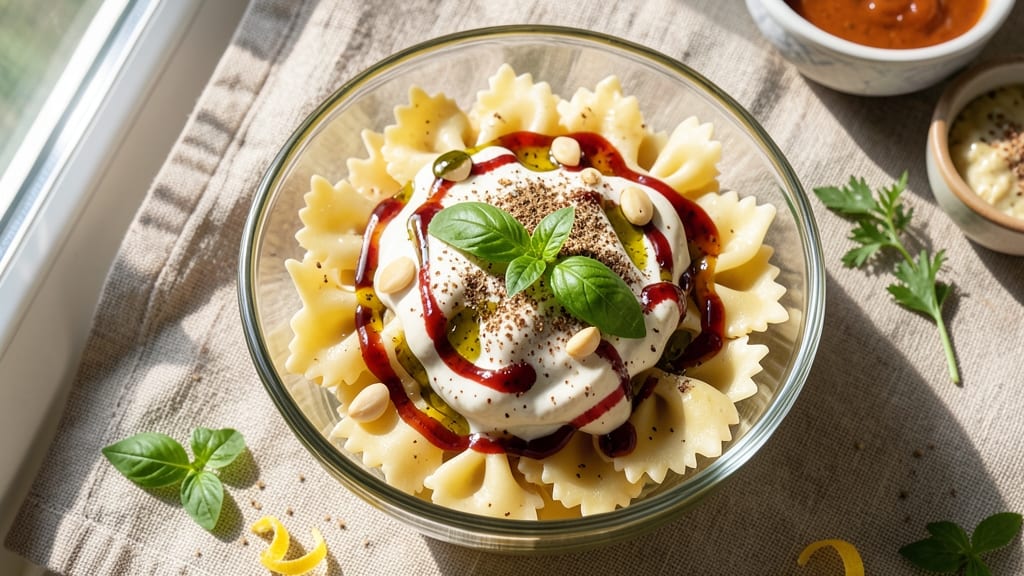
This antipasto pasta salad dressing recipe transforms ordinary pasta salads into vibrant, restaurant-quality dishes with just a few simple ingredients. The secret lies in balancing rich olive oil with bright lemon and aromatic garlic, creating a dressing that enhances every bite without overpowering the antipasto flavors.
Perfect for summer gatherings or quick weeknight meals, this dressing elevates store-bought or homemade pasta salads in minutes.
The dressing combines high-quality extra-virgin olive oil with fresh lemon juice, minced garlic, and a blend of herbs like basil and oregano for an authentic Italian touch.
A pinch of salt and red pepper flakes adds depth, while a splash of red wine vinegar ensures a perfect balance of tang and richness. This emulsified dressing clings beautifully to pasta and vegetables, making every forkful flavorful and cohesive.
What makes this dressing truly special is its versatility—it works equally well with warm or chilled pasta salads, and the flavors only improve when allowed to marinate for 30 minutes. The dressing stays fresh in the refrigerator for up to a week, making it ideal for meal prep.
Whether you're hosting a picnic or simply craving a light, satisfying meal, this dressing delivers restaurant-quality results at home.
For best results, whisk all ingredients together just before serving to maintain the dressing's vibrant texture and flavor. Adjust the lemon or vinegar to taste, depending on your preference for brightness or tang.
This dressing is the perfect finishing touch for antipasto pasta salads, ensuring every bite is bursting with Mediterranean-inspired flavors.
Ingredients for antipasto pasta salad dressing
Eight simple ingredients transform ordinary pasta into restaurant-worthy antipasto magic.
| Ingredient | Amount | Notes |
|---|---|---|
| Extra-Virgin Olive Oil 🫒 | ¾ cup | High-quality, fruity, cold-pressed |
| Fresh Lemon Juice 🍋 | ¼ cup | Freshly squeezed, seeds strained |
| Garlic Cloves 🧄 | 4 cloves | Minced finely for aromatic punch |
| Fresh Basil Leaves 🌿 | ¼ cup | Packed, finely chopped |
| Dried Oregano 🍃 | 1 tsp | Italian or Mediterranean blend |
| Red Wine Vinegar 🍷 | 1 tbsp | For tangy depth |
| Kosher Salt 🧂 | ½ tsp | Diamond Crystal preferred |
| Crushed Red Pepper Flakes 🌶️ | ¼ tsp | Adjust for heat preference |
The olive oil is the heart of this dressing—look for extra-virgin with a fruity, peppery finish. Trader Joe's and Whole Foods carry excellent options, or grab a small bottle from Italy if you're feeling fancy. Fresh basil is ideal, but if you're using dried, reduce to one-quarter teaspoon—it's way more potent. The garlic should be fresh, never pre-minced from a jar. For extra authenticity, toast the garlic cloves in olive oil for 30 seconds before mincing—trust me on this—it deepens the flavor.
No fresh basil? Dried oregano plus a pinch of thyme works beautifully. Short on red wine vinegar? Balsamic vinegar at half the amount gives a sweeter twist. The dressing needs to emulsify, so whisk like you mean it—start slow, then go fast. If it breaks, just add a splash more olive oil. For a smoother texture, strain the dressing through a fine-mesh sieve after whisking. Want more brightness? Add another tablespoon of lemon juice. Prefer milder heat? Swap red pepper flakes for smoked paprika.
This dressing stays fresh in the fridge for up to 1 week—just give it a good shake before using. For meal prep, store it in a small glass jar with a tight seal. The flavors actually improve after sitting for 30 minutes, so make it ahead if you're hosting. If you make extra, freeze it in ice cube trays—perfect for single-serving portions later. Keep the olive oil sealed tightly to preserve its quality.
Why You'll Love This Recipe
- No-Chop Required: I swear by this dressing—just minced garlic, torn basil, and a quick lemon squeeze. No knife skills needed, just assembly. (Between us, I burn garlic all the time, but this recipe forgives me.)
- Bright & Bold: That lemon-zest kick from fresh juice cuts through the richness of olive oil, while the oregano adds a Mediterranean punch. It’s the kind of flavor that makes you take a second helping—no one ever asks for seconds of bland.
- Potluck Hero: Bring this to a picnic, BBQ, or holiday spread—it’s the dressing that actually gets finished. Works with antipasto platters, grilled veggies, or even a simple pasta salad. (Yes, even on a Tuesday night.)
- Dressing That Lasts: I’ve had this in the fridge for five days, and it’s still fresh. No weird aftertaste, just pure flavor. Plus, you’re using pantry staples—no specialty ingredients to break the bank. Win-win.
Step-by-step instructions for herbed olive oil dressing
This dressing transforms simple pasta salad into a vibrant, flavor-packed dish with just minutes of prep.
Finely Mince Garlic and Basil
Peel the 4 cloves garlic cloves and mince them into a fine paste using a sharp knife or garlic press. I like to press the garlic against the side of my cutting board to create a smooth, even consistency. This ensures the garlic blends seamlessly without any harsh bits.
Next, pack 0.25 cup fresh basil leaves tightly into your food processor or cutting board. Use the flat side of your knife to chop them into a fine, even texture—think more like a paste than chopped leaves. The finer the basil, the better it will distribute throughout the dressing. If you're chopping by hand, work in batches to avoid bruising the leaves.
Whisk Together Wet Ingredients
In a medium bowl, combine 0.75 cup extra-virgin olive oil, 0.25 cup fresh lemon juice, 1 tbsp red wine vinegar, and 0.5 tsp kosher salt. Whisk vigorously for about 30 seconds until the mixture begins to emulsify slightly. The lemon juice will initially separate, but don't worry—this is normal and will blend smoothly as we add the remaining ingredients.
This step is all about creating a balanced foundation. The acidity from the lemon and vinegar cuts through the richness of the olive oil, while the salt enhances all the flavors. Taste the mixture now—it should be tangy, bright, and slightly salty, but not overpowering.
Blend in Herbs and Seasonings
Add the minced garlic, chopped basil, 1 tsp dried oregano, and 0.25 tsp crushed red pepper flakes to the bowl. Using a fork or whisk, stir everything together until the herbs are fully incorporated and the dressing has a uniform color. For an even smoother texture, you can pulse everything in a blender for 10-15 seconds, but whisking works perfectly well too.
Here's the thing—don't rush this step. The herbs need time to infuse and release their oils. Let the dressing sit for 5 minutes at room temperature before using it. This resting period allows the flavors to meld together, creating a cohesive, aromatic dressing that will elevate your pasta salad.
Adjust Seasoning and Use Immediately
Taste the dressing again and adjust the seasoning if needed. If it needs more brightness, add a splash of lemon juice or a pinch of salt. For extra heat, sprinkle in a bit more red pepper flakes. The dressing should be well-balanced—herby, tangy, with a subtle kick of garlic and pepper.
This dressing is best used immediately, but it will keep in an airtight container in the refrigerator for up to 5 days. Give it a good shake before using, as the herbs may settle. Drizzle it generously over your antipasto pasta salad, tossing everything together just before serving to keep the pasta from getting soggy. The flavors will shine brightest when the dressing is fresh and the pasta is still al dente.
Pro Tips For Making Antipasto Pasta Salad Dressing
- Muddle the Garlic: Toss the whole cloves into a mortar with a pinch of salt, then crush them with the flat side of your knife—no peeling needed. This keeps the oil from turning bitter and gives you that deep, aromatic punch without the harsh bite of overcooked garlic.
- Strain the Oil: After infusing the garlic and basil, strain the oil through a fine-mesh sieve or cheesecloth. I learned this the hard way—leaving bits in makes the dressing grainy, and nobody wants to chew basil seeds in their pasta salad.
- Balance the Lemon: Taste the dressing before adding the full juice—start with 1 tablespoon, then adjust. Too much lemon kills the olive oil’s richness; too little makes it taste flat. Aim for a bright, tangy finish, not a pucker.
- Toast the Oregano: Warm the dried oregano in a dry pan for 10 seconds until fragrant—just enough to wake up its flavor. Cold oregano tastes like dust; toasted, it adds depth without overpowering the fresh basil. (Yes, even if you’re impatient like me.)
Dietary considerations for this antipasto pasta salad dressing
Gluten-Free Adaptations
This dressing is naturally gluten-free—no wheat, barley, or rye lurks in the ingredients! The extra-virgin olive oil, lemon juice, and herbs ensure it’s safe for anyone avoiding gluten.
Just double-check your balsamic vinegar or red wine vinegar labels if substituting, as some brands process in shared facilities with gluten-containing additives. 🌱
Dairy-Free and Vegan
Perfect for vegans and dairy-sensitive folks, this dressing relies entirely on plant-based ingredients. The olive oil, lemon, and herbs create a rich, creamy texture without dairy. For extra depth, add 1 tsp nutritional yeast—it adds a cheesy, umami note that pairs beautifully with antipasto flavors.
Store-bought vegan Parmesan can also be sprinkled on top for a finishing touch.
Low-Carb and Keto
This dressing fits seamlessly into low-carb or keto diets since it contains no added sugars or refined carbs. The olive oil provides healthy fats, while the lemon juice and vinegar add acidity without spiking blood sugar.
For a keto-friendly pasta salad, pair it with zucchini noodles or shirataki noodles instead of traditional pasta. The dressing’s herby, tangy profile keeps carbs in check while delivering bold flavor.
Allergen-Friendly Swaps
If you’re avoiding garlic, substitute with 1 tsp garlic-infused olive oil (found in most grocery stores near the Italian imports).
For nut allergies, ensure your olive oil isn’t processed in shared facilities with tree nuts—Certified Gluten-Free & Nut-Free brands like Primal Kitchen are safe bets. Red pepper flakes can be swapped for smoked paprika if you’re sensitive to capsaicin.
Nut-Free and Soy-Free
This recipe is inherently nut-free and soy-free, making it ideal for those with allergies or dietary restrictions. The olive oil and vinegar base ensures no hidden allergens sneak in.
For added safety, use certified organic herbs (like basil and oregano) to avoid cross-contamination risks. The dressing’s simplicity means fewer ingredients to worry about—just focus on fresh, high-quality components.
Nutrition facts
Frequently asked questions
Can I use this dressing on other types of pasta salads?
This herbed olive oil dressing works beautifully with penne, fettuccine, or even gluten-free noodles. It also pairs well with vegetable salads like roasted bell peppers, cherry tomatoes, or cucumbers. The key is to toss the dressing just before serving to keep ingredients crisp. For heartier salads, add grilled chicken or marinated olives.
How do I fix a dressing that separates?
If your dressing separates, whisk in 1 teaspoon more olive oil and a splash of lemon juice to re-emulsify. For a smoother texture, blend briefly with an immersion blender. The dressing should thicken slightly when chilled—stir well before using. Pro tip: Keep the dressing in a sealed jar and shake before each use to maintain consistency.
Can I make this dressing ahead of time?
Yes! Make it 1-2 days ahead and store in an airtight container in the fridge. The flavors actually improve over time. Give it a good shake before using, as the herbs may settle. For best results, let it sit at room temperature for 10 minutes before tossing with your salad to restore its emulsified texture.
What if I don't have fresh basil?
No problem! Use 1 teaspoon dried basil or substitute with 1 teaspoon dried oregano plus 1/4 teaspoon dried thyme. For a different flavor profile, try fresh parsley or cilantro, though the taste will vary slightly. The dressing will still be delicious—just adjust other herbs to balance the flavors.
Is this dressing safe for people with garlic allergies?
Not with the original recipe, but you can easily adapt it! Replace the 4 garlic cloves with 1 teaspoon garlic-infused olive oil (found in Italian markets) or 1/2 teaspoon asafoetida powder (a garlic substitute). Both options provide aromatic depth without the actual garlic. Always check labels for cross-contamination warnings if allergies are severe.