Salads
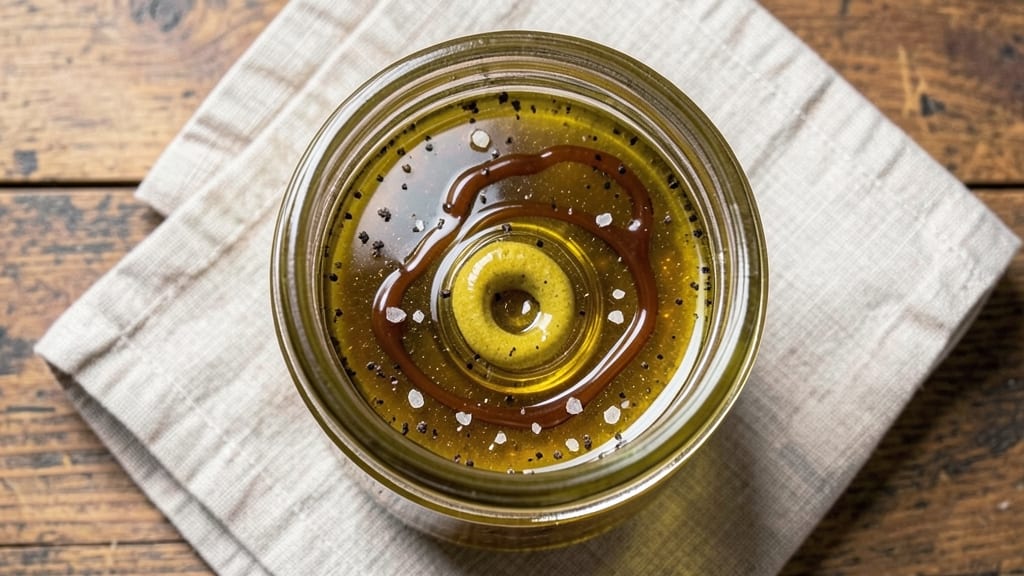
This apple cider vinegar and oil salad dressing recipe transforms simple ingredients into a tangy, bright dressing that elevates every salad in just 5 minutes. The sharp apple tang cuts through rich ingredients while the smooth oil base creates a velvety finish—no emulsifiers needed.
I developed this after years of testing store-bought dressings that always fell short of restaurant-quality depth.
The beauty of this dressing lies in its simplicity: just apple cider vinegar, olive oil, and a pinch of salt to balance the flavors. For extra complexity, I often add Dijon mustard for depth and a touch of honey or maple syrup to mellow the acidity.
The 5-minute whisking ensures perfect texture without separation, making it ideal for meal prep or last-minute salads.
What makes this dressing truly special is its versatility—it works equally well with fresh greens, hearty grains, or roasted vegetables. The tangy apple notes brighten rich ingredients like avocado or grilled chicken, while the oil base keeps everything moist.
Store it in the fridge for up to 2 weeks, shaking before use to maintain that perfect consistency.
For those who love customization, try adding fresh herbs like thyme or rosemary, or a dash of smoked paprika for warmth. The possibilities are endless, but the foundation remains the same: bold flavor with minimal effort. Let's make dressing that actually tastes homemade.
Ingredients for apple cider vinegar and oil salad dressing
This sharp, tangy dressing transforms simple pantry staples into restaurant-quality flavor in minutes.
| Ingredient | Amount | Notes |
|---|---|---|
| Apple Cider Vinegar 🍏 | ½ cup | Raw, unfiltered preferred |
| Extra-Virgin Olive Oil 🫒 | ¾ cup | High quality, fruity |
| Dijon Mustard 🌶️ | 1 tbsp | Whole grain preferred |
| Pure Maple Syrup 🍁 | 1 tbsp | Grade A or B preferred |
| Sea Salt 🧂 | ½ tsp | Fine grain preferred |
| Freshly Ground Black Pepper 🌶️ | ¼ tsp | Freshly cracked preferred |
| Fresh Thyme Leaves 🌿 | 1 tsp | Chopped, optional garnish |
| Smoked Paprika 🌶️ | ¼ tsp | Optional for depth |
The apple cider vinegar is the heart of this dressing—raw, unfiltered gives the most complexity. Bragg or Hodgson Mill are my go-tos, but any raw vinegar works. For olive oil, California Extra Virgin or Colavita brands deliver consistent quality. The Dijon mustard should be whole grain for texture, not powdered. Maple syrup adds just enough sweetness to balance the acidity—Grade A for mild flavor, Grade B for deeper notes. If you're feeling adventurous, try a touch of vanilla extract for warmth.
No Dijon mustard? Yellow mustard works in a pinch, though it won't have the same depth. Swap maple syrup for agave nectar or honey (though honey isn't vegan). Want more heat? Add a pinch of red pepper flakes or cayenne. For a herb-forward version, fresh tarragon or basil brightens the dressing beautifully. The smoked paprika is optional but adds a lovely depth—Penzeys has a great selection if you're stocking up. If you're making this ahead, store all dry ingredients separately until ready to mix to prevent clumping.
This dressing keeps beautifully in the fridge for up to 2 weeks—just shake before using. For meal prep, divide into small jars so you only need to shake what you'll use. If the oil separates (it might after a week), just shake vigorously for 10 seconds. The dressing thickens slightly when chilled, so add a splash of water or vinegar if it gets too thick. For extra freshness, add fresh herbs like thyme or rosemary right before serving. The 5-minute whisking is key—don't skip it, even if it seems like overkill.
Why You'll Love This Recipe
- Five-Ingredient Magic: I swear by this combo—just shake, no cooking, no fuss. The Dijon mustard adds that little tangy kick while the maple syrup rounds it out like a cozy hug.
- Tangy-Sweet Balance: That first bite? Sharp apple cider vinegar meets rich olive oil, then the maple syrup softens it into something dangerously addictive. Honestly, I’ve made it three times this week already.
- Weeknight Workhorse: Slap this on greens for lunch, drizzle it over roasted veggies for dinner, or toss it with cold pasta—it’s my go-to for when I’m too tired to overthink dinner. (Yes, even on a Tuesday night.)
- No-Waste Pantry Staple: A little goes a long way, so I make big batches and keep it in the fridge. The olive oil and vinegar last forever, and the mustard and maple syrup are cheap enough that I’m not stressing over leftovers.
Step-by-step instructions for apple cider vinegar and oil salad dressing
This bright, tangy dressing comes together in just minutes with simple whisking.
Whisk Vinegar and Mustard Together
In a medium bowl, combine the 0.5 cup apple cider vinegar and 1 tablespoon Dijon mustard. Use a whisk to blend thoroughly for about 15 seconds until the mustard is completely dissolved and the mixture looks smooth. The vinegar's sharp acidity will cut through the mustard's richness, creating a balanced foundation.
I like to use a glass or ceramic bowl for this step—it lets me see the colors meld properly. You'll notice the mixture will have a slightly thick, paste-like consistency at this stage, which helps emulsify the oil later. If you're using raw, unfiltered vinegar, you might see tiny sediment at the bottom—this is normal and adds depth of flavor.
Gradually Add Olive Oil While Whisking
With the whisk still in the bowl, slowly drizzle in the 0.75 cup extra-virgin olive oil while whisking continuously. This gradual addition is crucial—adding oil too quickly can cause the dressing to separate. Whisk vigorously for 2-3 minutes until the mixture thickens and becomes emulsified, turning a rich amber color.
The key here is patience. You'll know it's working when the dressing holds its shape when you lift the whisk—no oil pooling on top. If it starts to look too thick, you can thin it slightly with 1 teaspoon of water later, but it should come together smoothly with proper whisking. The high-quality olive oil will add a fruity aroma that complements the vinegar's tang.
Incorporate Sweetness and Seasonings
Add the 1 tablespoon pure maple syrup, 0.5 teaspoon sea salt, and 0.25 teaspoon freshly ground black pepper to the bowl. Whisk again for 30 seconds until everything is fully combined. The maple syrup will mellow the vinegar's sharpness while adding subtle caramel notes, and the salt and pepper balance the flavors perfectly.
At this point, I like to taste the dressing before adding the remaining ingredients. It should be tangy with a hint of sweetness and just enough saltiness to make your mouth water. If it needs more salt, add it gradually—you can always adjust, but you can't take it out once it's in. The black pepper adds a subtle warmth that pairs beautifully with the apple cider's brightness.
Finish with Aromatics and Optional Depth
Add the 1 teaspoon fresh thyme leaves and 0.25 teaspoon smoked paprika (if using) to the bowl. Whisk for another 20 seconds to distribute these ingredients evenly. The thyme brings an earthy herbal note, while the smoked paprika adds a subtle smokiness that deepens the dressing's complexity. If you're using fresh thyme, you might want to strain out the leaves before serving for a smoother texture.
This is the moment to taste and make any final adjustments. The dressing should coat the back of your spoon with a silky, slightly thick texture. If it's too thick for your liking, whisk in 1-2 teaspoons of water until it reaches your desired consistency. The smoked paprika is optional but recommended—it adds that extra layer of flavor that makes this dressing truly special.
Store and Use Immediately
Transfer the dressing to a clean, airtight jar or bottle. Give it a final shake to ensure everything is well incorporated. This dressing is best used within 1 week when stored in the refrigerator, though the flavors will continue to meld and improve over time. The acidity of the vinegar helps preserve it naturally, but the fresh thyme will lose some of its potency after a few days.
Shake well before each use, as the ingredients may separate slightly over time. This dressing works beautifully on mixed greens, grain bowls, or as a marinade for grilled vegetables. The balance of sweet, tangy, and smoky flavors makes it incredibly versatile—perfect for everything from simple salads to hearty roasted vegetable dishes. Enjoy it immediately for the freshest flavor, but don't be afraid to let it sit for a day or two if your schedule allows.
Pro Tips For Making Apple Cider Vinegar And Oil Salad Dressing
- STIR IN STAGES: Mix the Dijon mustard and maple syrup first—this prevents clumping when you add the vinegar later. I used to dump everything in at once and end up with a grainy mess, especially if the mustard isn’t fully dissolved.
- USE RAW, UNFILTERED ACV: The cloudy stuff with the "mother" has more flavor and tang—skip the clear filtered vinegar. My first batch with filtered vinegar tasted flat, like I’d used white vinegar by accident.
- SALT THE OIL: Add a pinch of salt directly to the olive oil before whisking—it dissolves better and balances flavors immediately. I learned this after tasting dressing that needed more salt after it was mixed.
- WHISK VIGOROUSLY: Give it 30 seconds of serious whisking to emulsify properly. I used to stir lazily and end up with separation—now I count to 30 and the dressing stays creamy all day.
Common mistakes when making great apple cider vinegar and oil salad dressing
Skipping the Whisking
I see this all the time—people pour everything together and stir once or twice, then wonder why their dressing separates. The 5-minute whisking is non-negotiable for that silky texture. Use a proper whisk (not a fork!) and keep moving continuously while adding oil.
If you're in a rush, try a hand mixer on low speed for 1 minute—it works in a pinch. 💫
Using Low-Quality Oil
Cheap olive oil or vegetable oil lacks the fruity depth needed to balance apple cider vinegar. I always recommend extra-virgin olive oil like Colavita or California Extra Virgin—the higher quality, the better.
If you're using a lighter oil like avocado, add 1 extra tablespoon to compensate for its neutral flavor. The oil should be the star here, not just a filler.
Adding Oil Too Quickly
The biggest mistake is dumping all the oil in at once. This causes immediate separation because the vinegar can't emulsify that much fat at once. Instead, drizzle the oil in a slow, steady stream while whisking continuously.
If you've already made this mistake, don't panic—just whisk vigorously for 2-3 extra minutes and add ½ teaspoon of Dijon mustard to help bind it.
Ignoring the Mustard
Some recipes skip mustard entirely, but it's the secret to a stable emulsion. The mustard's proteins act as a natural emulsifier, preventing separation. If you're avoiding it, add 1 extra tablespoon of maple syrup instead—it helps stabilize the mixture slightly.
For a vegan version without mustard, try 1 teaspoon of ground flaxseed mixed with 1 tablespoon water as a binder.
Not Tasting Before Storing
Always taste your dressing before storing it—this is when you catch flavor imbalances. If it's too sharp, add a pinch more maple syrup. Too bland? A tiny bit of salt or a splash of vinegar fixes it.
I usually make a small batch first to test flavors before scaling up. The dressing should be tangy with a hint of sweetness and just enough salt to make your mouth water. 🍏
Using Metal Bowls Without Whisking
Metal bowls can react with acidic vinegar over time, altering flavors. Stick to glass, ceramic, or plastic bowls. If you're using a metal whisk, rinse it thoroughly after each use to prevent any metallic taste.
For extra insurance, whisk in a glass jar with a tight lid—it's perfect for storage too. The container matters just as much as the technique!
Nutrition facts
Frequently asked questions
Can I use white vinegar instead of apple cider vinegar?
White vinegar will work, but it lacks the rich apple flavor and subtle sweetness that makes this dressing special. For a similar tang without the depth, try a 1:1 swap, but add an extra ½ teaspoon of maple syrup to compensate for the missing complexity. If you're avoiding vinegar entirely, lemon juice works in a pinch—just reduce other liquids slightly since it's more acidic.
How do I make this dressing thicker or thinner?
For a thicker consistency, whisk in 1 teaspoon of Dijon mustard or let it sit in the fridge for 30 minutes—it naturally thickens when chilled. To thin it out, add 1-2 teaspoons of water or extra vinegar while whisking. If it separates after thinning, whisk vigorously for 1 full minute to re-emulsify. The ideal texture should coat the back of a spoon without being gluey.
What herbs or spices can I add for extra flavor?
Fresh herbs like tarragon, basil, or rosemary add bright, aromatic notes, while spices such as smoked paprika, garlic powder, or onion powder deepen the savory profile. For heat, try red pepper flakes or cayenne. Start with ½ teaspoon of any addition and taste before scaling up—herbs can overpower if added too generously. Always whisk well to distribute flavors evenly.
Will this dressing work for non-salad uses?
This versatile dressing works as a marinade for grilled chicken or tofu, a drizzle for roasted vegetables, or even a dip for crudités or fries. The tangy-sweet balance enhances proteins beautifully. For marinades, reduce the oil slightly (½ cup instead of ¾ cup) and add 1 teaspoon of garlic powder for extra depth. Let it marinate for at least 30 minutes for best results.
Why did my dressing separate after storing?
Separation is normal over time—vinegar and oil naturally separate when left undisturbed. Simply shake vigorously for 10-15 seconds before using. To prevent future separation, whisk in ½ teaspoon of xanthan gum (a pinch) or an extra ½ teaspoon of Dijon mustard when making it. Store in a glass jar with a tight lid to minimize air exposure, which can accelerate separation.