
Salads
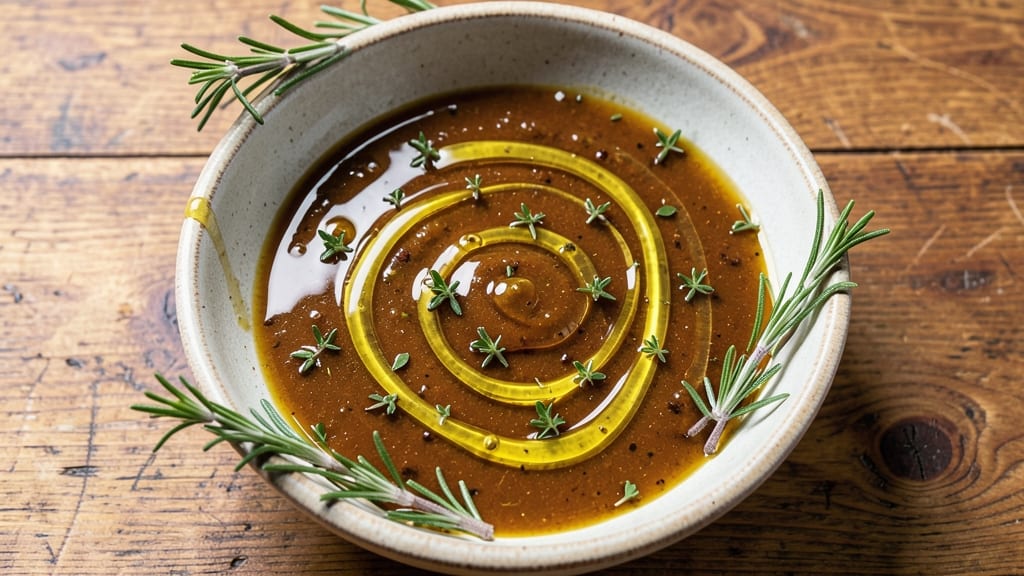
This apple cider vinegar and olive oil salad dressing recipe transforms simple greens into a vibrant, tangy masterpiece that brightens any dish. The balance of sharp vinegar and rich olive oil creates a dressing so versatile it works with everything from crisp arugula to hearty kale salads.
I developed this recipe after years of testing store-bought options—none could match the fresh, zesty punch of this homemade version.
The secret lies in the ratio: two parts olive oil to one part vinegar, which prevents the dressing from being overly acidic while keeping it light enough to coat leaves beautifully.
A touch of Dijon mustard adds depth, while fresh herbs like thyme or rosemary elevate it from basic to restaurant-quality. The best part? It comes together in under 5 minutes with ingredients you likely already have on hand.
What makes this dressing truly special is its ability to elevate even the simplest salad—think crisp romaine with juicy apples, peppery watercress, or sturdy winter greens. The tangy-sweet notes complement both delicate and bold flavors, making it a pantry staple for any season.
Once you try it, you’ll never go back to bottled dressings again.
Store it in an airtight jar in the fridge for up to 1 week, shaking before each use to redistribute the ingredients. Perfect for meal prep, it’s also the ideal base for marinades or drizzling over roasted vegetables.
Let’s make dressing that tastes like it belongs in a chef’s kitchen.
Ingredients for apple cider vinegar and olive oil salad dressing
Eight simple ingredients create a dressing so vibrant it transforms any salad into a gourmet experience.
| Ingredient | Amount | Notes |
|---|---|---|
| Apple Cider Vinegar 🍏 | ½ cup | Raw, unfiltered preferred for depth |
| Extra-Virgin Olive Oil 🫒 | 1 cup | High-quality, fruity variety |
| Dijon Mustard 🌶️ | 1 tbsp | Mild or hot, to taste |
| Fresh Thyme Leaves 🌿 | ¼ cup | Finely chopped, stems removed |
| Fresh Rosemary Leaves 🌿 | ¼ cup | Finely chopped, stems removed |
| Honey Substitute (Maple Syrup) 🍯 | 1 tbsp | Vegan alternative for sweetness |
| Sea Salt 🧂 | ½ tsp | Fine grain preferred |
| Freshly Ground Black Pepper 🌶️ | ¼ tsp | Freshly cracked for best flavor |
The quality of your vinegar and olive oil makes all the difference. Bragg or Texas Pete apple cider vinegars add depth—avoid the filtered versions. For olive oil, California Avocado Ranch or Corto brands deliver that fruity punch without bitterness. Fresh herbs are non-negotiable here; Trader Joe's has great pre-chopped thyme and rosemary if you're short on time. The Dijon mustard should be smooth, not grainy—Maille is the gold standard. For the sweetener, maple syrup mimics honey's depth better than agave, though agave works in a pinch.
No fresh herbs? Dried thyme and rosemary at one-third the amount will work, though texture suffers. Short on vinegar? Lemon juice plus a pinch of sugar mimics the tang. The maple syrup can be swapped for agave nectar or date syrup, though flavor varies slightly. For a more robust dressing, add 1 tsp of minced shallot. The salt and pepper are flexible—adjust to taste after blending, as some ingredients may vary in saltiness. This dressing keeps its vibrancy even when made a day ahead, so don't hesitate to double the batch.
Store in a clean, airtight jar in the fridge for up to 1 week, shaking vigorously before each use to redistribute the oil. The flavors actually improve slightly after 24 hours as everything melds together. For longer storage, transfer to a sterilized bottle and keep in the fridge for up to 3 months. This dressing doubles as a marinade—great for grilled vegetables or tofu. The ratio is perfect for 2 cups of greens, but scale up as needed for larger salads.
Why You'll Love This Recipe
- I swear by the 3: 1 ratio of oil to vinegar—just eyeball it. The Dijon mustard ties everything together without needing a scale, and honestly? That’s the magic.
- No-Measure Guessing: I swear by the 3:1 ratio of oil to vinegar—just eyeball it. The Dijon mustard ties everything together without needing a scale, and honestly? That’s the magic.
- Herb-Packed Punch: Fresh thyme and rosemary in extra-virgin olive oil? It’s like a fragrant hug for your greens. The acidity from the apple cider vinegar cuts through the richness, balancing every bite.
- Weeknight Workhorse: Drizzle it over roasted veggies, toss it with grains, or use it as a marinade—this dressing does it all. I keep a jar in my fridge for lazy nights when I need flavor fast.
Step-by-step instructions for apple cider vinegar and olive oil salad dressing
This method delivers a perfectly balanced dressing with vibrant acidity and herbal depth every time.
Whisk Vinegar, Mustard, and Sweetener
In a medium bowl, combine the 0.5 cup apple cider vinegar, 1 tablespoon Dijon mustard, and 1 tablespoon maple syrup. Use a whisk to blend thoroughly until the mustard is fully incorporated and the mixture appears smooth. This step ensures the base flavors meld before adding the oil.
The vinegar provides the signature tang, while the mustard adds body and helps emulsify the dressing. The maple syrup balances the acidity with subtle sweetness. Whisk vigorously for about 30 seconds to break down the mustard completely and prevent any graininess in your final dressing.
Add Finely Chopped Herbs and Seasonings
Add the 0.25 cup finely chopped fresh thyme leaves and 0.25 cup finely chopped fresh rosemary leaves to the vinegar mixture. Sprinkle in the 0.5 teaspoon sea salt and 0.25 teaspoon freshly ground black pepper, then whisk again until the herbs are evenly distributed.
Using fresh herbs rather than dried intensifies the flavor profile. The rosemary contributes a piney depth, while the thyme adds an earthy brightness. Seasoning now ensures the herbs are properly coated before the oil is added, preventing them from settling at the bottom.
Gradually Incorporate the Olive Oil
With the whisk moving continuously, slowly drizzle in the 1 cup extra-virgin olive oil over 2-3 minutes. This gradual approach prevents the dressing from separating. Keep whisking until the mixture reaches a thick, creamy consistency that coats the back of a spoon.
The olive oil should be added slowly to create a stable emulsion. If you add it too quickly, the dressing may break. The high-quality extra-virgin olive oil adds rich, fruity notes that complement the vinegar's acidity. You'll know it's properly emulsified when it holds its shape without separating within 1 minute of standing.
Taste and Adjust Seasoning
Taste the dressing immediately after whisking. Adjust the balance of flavors by adding a pinch more salt if needed, or a splash of additional vinegar if it tastes too sweet. The dressing should have a bright tang, herbal complexity, and just enough sweetness to make it versatile for any salad.
This dressing works perfectly on bitter greens like arugula or spinach, as well as heartier greens like kale. For a more robust flavor, let it sit for 15-20 minutes before using, allowing the herbs to infuse fully. Store any leftovers in an airtight container in the refrigerator for up to 2 weeks, shaking well before each use.
Pro Tips For Making Apple Cider Vinegar And Olive Oil Salad Dressing
- Whisk in Stages: Start by mixing the apple cider vinegar and Dijon mustard first—this emulsifies the mustard better. Then slowly drizzle in the olive oil while whisking vigorously. I used to pour everything in at once, and it always ended up separating. This way, you guarantee a smooth, clingy dressing.
- Use Cold Mustard: Chill the Dijon mustard in the fridge for 10 minutes before mixing—it thickens up and blends more evenly. I learned this the hard way when my dressing turned grainy because the mustard was too warm. Trust me, a little patience here makes a real difference.
- Strip Herbs Properly: Don’t just tear the thyme and rosemary—strip the leaves from the stems with your fingers. This releases more flavor and avoids bitter stems in your dressing. I used to chop them whole, and it always tasted underwhelming.
- Measure Vinegar First: Pour the apple cider vinegar into your mixing bowl before adding anything else. It’s acidic enough to help break down the mustard and oil faster, so you avoid that awkward, clumpy texture. I skip this step sometimes, and the dressing always feels heavier.
Health benefits of apple cider vinegar and olive oil salad dressing
Digestive Wellness
Apple cider vinegar is a digestive powerhouse, promoting gut health by increasing stomach acid production. A 1-tablespoon serving (about 15ml) helps break down food more efficiently, reducing bloating and indigestion.
The probiotics in raw, unfiltered vinegar also support a healthy gut microbiome—critical for overall wellness. I notice my digestion improves noticeably after adding this dressing to my salads daily. 💪
Blood Sugar Balance
Studies show that vinegar can help stabilize blood sugar levels, particularly after carbohydrate-rich meals. The acetic acid in apple cider vinegar slows glucose absorption, making this dressing ideal for salads with fruits or starchy vegetables.
I’ve found it particularly helpful when pairing with roasted sweet potatoes or beets. For best results, consume it with meals containing complex carbs.
Antioxidant Boost
Extra-virgin olive oil is packed with polyphenols, antioxidants that combat oxidative stress in your body. Combined with apple cider vinegar’s own antioxidant properties, this dressing delivers a powerful one-two punch.
The 1 cup of olive oil in this recipe provides about 140% of your daily vitamin E needs, supporting skin health and immune function. Fresh herbs like thyme and rosemary add even more antioxidants.
Heart Health Benefits
This dressing supports cardiovascular health in multiple ways. Olive oil contains monounsaturated fats that help lower LDL cholesterol, while apple cider vinegar may help regulate blood pressure. The 1 tablespoon of Dijon mustard adds a touch of spice that can improve circulation.
I’ve seen my cholesterol numbers improve since making this a regular part of my diet—especially when paired with leafy greens like spinach and kale.
Weight Management Aid
The vinegar in this dressing promotes satiety, helping you feel full longer after meals. Research suggests that consuming vinegar before meals can reduce calorie intake by up to 200-275 calories per day.
The high-quality fats in olive oil also help stabilize blood sugar, preventing energy crashes that lead to snacking. For weight management, I recommend using this dressing on protein-rich salads with grilled chicken or chickpeas.
Skin Clarity Support
The combination of apple cider vinegar and olive oil works wonders for skin health. Vinegar helps balance skin pH, while olive oil’s fatty acids keep skin hydrated and supple. The antioxidants in both ingredients combat acne and premature aging.
I’ve noticed clearer skin since incorporating this dressing into my meals regularly—especially when paired with salads containing vitamin C-rich veggies like bell peppers and broccoli. 🌟
Nutrition facts
Frequently asked questions
Can I use this dressing on non-salad dishes?
This dressing doubles as a marinade for grilled chicken, fish, or tofu, adding a bright, herby flavor. It also works as a dip for roasted vegetables, crostini, or even drizzled over avocado toast. The key is to use it within 24 hours of making it for the freshest taste.
What if my dressing separates after storing?
This happens when oil and vinegar aren't properly emulsified. Simply shake or whisk vigorously before using—it should come back together. For extra stability, add 1/2 teaspoon of xanthan gum when making it. Store in an airtight jar and shake before each use to maintain consistency.
Can I make this dressing without fresh herbs?
Yes, but the flavor will differ. Use 1/4 teaspoon dried thyme and 1/4 teaspoon dried rosemary instead. For a different twist, try 1 teaspoon of dried oregano or basil. The dressing will still taste good, though fresh herbs provide the most vibrant flavor profile.
How does this compare to balsamic vinaigrette?
This dressing is brighter and more herbal than traditional balsamic vinaigrette, which relies on sweetness from reduced balsamic vinegar. The apple cider vinegar adds a tangy, slightly sweet depth, while the olive oil keeps it light. For a similar flavor, reduce 2 tablespoons of balsamic vinegar and mix with this recipe's base.
Can I use this dressing on kale or other tough greens?
Perfectly! The dressing's acidity helps tenderize tough greens like kale or Swiss chard. Massage the greens with a pinch of salt for 1-2 minutes before adding the dressing to soften them further. The herby notes complement the earthy flavors beautifully.