
Sauces & Condiments
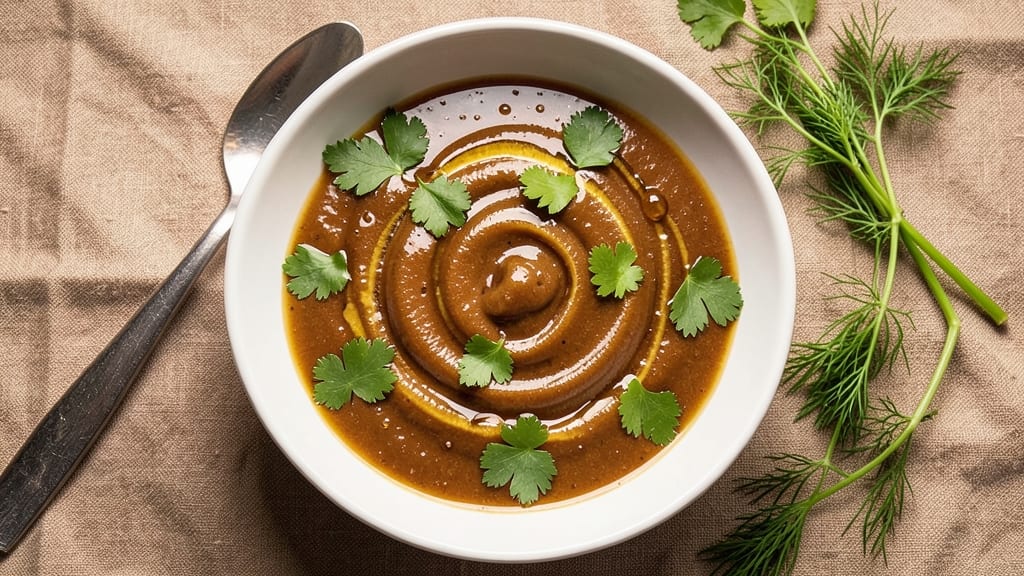
This healthy apple cider vinegar salad dressing recipe transforms simple ingredients into a tangy, probiotic-rich sauce that brightens any salad. The balance of sharp vinegar, fresh herbs, and wholesome oil creates a dressing packed with digestive benefits and antioxidant power—no artificial additives here.
I developed this formula after realizing how quickly store-bought dressings could turn salads soggy, and the result is a versatile, nutrient-dense alternative that stays fresh for days.
The secret lies in the simple ratio of apple cider vinegar to oil, which prevents the dressing from separating while keeping it light enough to coat greens without weighing them down. Fresh herbs like parsley or dill add vibrant flavor, while a touch of Dijon mustard enhances depth without overpowering.
What sets this apart is its digestive benefits—apple cider vinegar supports gut health, and the absence of processed sugars makes it a guilt-free choice for health-conscious eaters.
What you’ll end up with is a dressing that’s bright, tangy, and herb-forward, perfect for leafy greens, grain bowls, or even as a marinade. The acidity cuts through rich ingredients, making every bite refreshing, while the probiotics in apple cider vinegar add a subtle health boost.
Best of all, it takes just 5 minutes to whip up and keeps for up to a week in the fridge, so you’ll always have a flavorful, nutritious option on hand.
For variations, try swapping the oil for a creamy yogurt base or omitting it entirely for an oil-free version—both maintain the dressing’s signature tang while adapting to dietary preferences. Let’s make this dressing the star of your next meal.
Ingredients for apple cider vinegar salad dressing recipe healthy
Nine wholesome ingredients transform into a tangy, gut-friendly dressing that elevates every salad.
| Ingredient | Amount | Notes |
|---|---|---|
| Raw Apple Cider Vinegar 🍏 | ½ cup | Unfiltered with mother preferred |
| Extra-Virgin Olive Oil 🫒 | ½ cup | Light, fruity variety |
| Fresh Flat-Leaf Parsley 🌿 | ¼ cup | Stems removed, finely chopped |
| Fresh Dill Weeds 🌿 | ¼ cup | Finely chopped, stems removed |
| Dijon Mustard 🥫 | 1 tbsp | High-quality, whole-grain |
| Raw Honey 🍯 | 1 tbsp | Local preferred for flavor |
| Sea Salt 🧂 | ½ tsp | Diamond Crystal preferred |
| Freshly Ground Black Pepper 🌶️ | ¼ tsp | Coarsely cracked |
| Garlic Cloves 🧄 | 2 cloves | Minced, fresh preferred |
The apple cider vinegar is the star here—look for unfiltered with the mother at Whole Foods or Trader Joe's for that extra tang and probiotic punch. Fresh herbs matter too: parsley and dill from the grocery store's refrigerated section (not the dried stuff) bring that bright, fresh flavor. I always grab organic garlic from the bulk bins—it's fresher and more flavorful. The olive oil should be light and fruity, not heavy or bitter. California Avocado Oil works great if you want something neutral.
No fresh herbs? Dried parsley or dill at one-third the amount gets you close, but honestly, fresh is worth it. Running low on honey? Maple syrup works too, though it adds a different depth. Skip the Dijon? Yellow mustard in a pinch, but it's less refined. The dressing stays stable without oil? Use Greek yogurt or coconut milk for a creamy base instead. And if you're avoiding sugar entirely, just omit the honey—still delicious, just less sweet.
This dressing keeps for up to 1 week in the fridge, but I always make extra to have on hand. Store it in a glass jar with a tight seal—the vinegar's acidity can corrode metal over time. Shake well before each use, especially if you've had it for a few days. The flavors actually improve after 24 hours as everything melds together. Freezes beautifully for 3 months if you want to make a big batch.
Why You'll Love This Recipe
- Five-Ingredient Magic: I swear by this combo—just vinegar, oil, Dijon, and two herbs. No fancy gadgets, no measuring cups that never fit. Honestly, I’ve made it blindfolded (okay, maybe not, but you get the point).
- Tangy Brightness: That raw apple cider vinegar cuts through everything—creamy avocado, crisp greens, even grilled chicken. The parsley and dill add freshness, but it’s the vinegar’s zing that makes it ridiculously good every time.
- Meal Prep MVP: I keep a jar in my fridge for weeks—it’s my go-to for lunches, charcuterie boards, or even a quick pasta toss. Between us, this dressing lasts longer than my willpower to resist eating it straight from the jar.
- Budget Booster: Olive oil and vinegar stretch forever, and herbs from the garden (or a cheap bunch) make this cheaper than store-bought. Here’s what sold me—it’s healthier, tastes better, and costs pennies compared to those fancy bottles at the store.
Step-by-step instructions for apple cider vinegar salad dressing
This vibrant, herb-forward dressing comes together in minutes with no cooking required.
Whisk Together the Vinegar and Honey
In a medium bowl, combine the 0.5 cup raw apple cider vinegar with the 1 tablespoon raw honey. Give it a quick whisk to dissolve the honey completely—you should see tiny bubbles form as the honey integrates. The vinegar will start to smell bright and tangy, with a subtle sweetness from the honey. This balance is what makes the dressing truly special, cutting through rich ingredients while adding just enough sweetness to complement bitter greens.
I like to use a fork first to break up any honey clumps, then switch to a whisk for about 10 seconds to fully emulsify. The mixture should look smooth and uniform, with no visible honey granules. If you're using unfiltered vinegar with mother, you might notice tiny particles—this is normal and adds depth to the flavor.
Add Dijon Mustard and Garlic
Next, stir in the 1 tablespoon Dijon mustard and the 2 minced garlic cloves. The mustard will thicken the dressing slightly and add a subtle depth of flavor, while the garlic introduces a fresh, aromatic punch. Whisk vigorously for about 20 seconds until everything is fully incorporated. You'll notice the mixture starts to thicken just a bit—this is the mustard working its magic.
Here's where it gets good: take a quick taste. You should notice the sharp tang of the vinegar, the slight sweetness from the honey, and the underlying garlic flavor. If it's too sharp, you can add a tiny pinch more honey later. If it's too mild, a splash of vinegar will balance it out. This is your flavor baseline before adding the oils and herbs.
Slowly Incorporate the Olive Oil
Now comes the most important part—adding the 0.5 cup extra-virgin olive oil. The key here is to add it very slowly, just a tablespoon at a time, while whisking continuously. This gradual addition prevents the dressing from separating and creates a silky, emulsified texture. I like to pour the oil in a thin stream while whisking with one hand and holding the bowl steady with the other.
After adding about half the oil, pause and check the consistency. You want it to look like a thick, creamy vinaigrette—not too thin, but not clumpy either. If it starts to look like it's separating, whisk a bit more vigorously. The olive oil should be fully incorporated before moving on. This step ensures your dressing stays emulsified for days in the fridge.
Fold in Fresh Herbs and Seasonings
Finally, stir in the 0.25 cup finely chopped fresh flat-leaf parsley and 0.25 cup finely chopped fresh dill weeds using a rubber spatula. The herbs add a bright, fresh finish that cuts through the richness of the oil. Next, sprinkle in the 0.5 teaspoon sea salt and 0.25 teaspoon freshly ground black pepper, folding everything together gently. You want the herbs to be evenly distributed—no clumps of parsley or dill should remain.
Give it one final taste and adjust the seasoning if needed. If it's too tangy, add a tiny bit more honey. If it's too mild, a splash of vinegar or a pinch of salt will balance it out. The dressing should be bright, herbal, and perfectly balanced—neither too sharp nor too sweet. This is your healthy, vibrant salad dressing ready to elevate any green salad, grain bowl, or roasted vegetable dish.
Let It Rest Before Using
For the best flavor and texture, let the dressing sit at room temperature for 5-10 minutes before using. This allows the flavors to meld together and the emulsion to fully stabilize. If you're making it ahead of time, store it in an airtight jar in the refrigerator for up to 5 days. Before using, give it a good shake—sometimes dressings separate slightly in the fridge, but they always come back together with a quick whisk.
The dressing should coat the back of a spoon with a silky, glossy finish. If it's too thick after chilling, thin it with a teaspoon of water or a splash of vinegar until it reaches your desired consistency. This dressing is incredibly versatile—drizzle it over mixed greens, toss it with roasted vegetables, or use it as a marinade for grilled chicken. Enjoy the bright, herbaceous tang that makes every bite refreshing and healthy!
Pro Tips For Making Apple Cider Vinegar Salad Dressing Recipe Healthy
- Whisk in stages: Start with the vinegar and mustard, then slowly drizzle in the olive oil while whisking—this keeps the dressing from breaking into an oily mess. I used to dump everything in at once and ended up with a sad, separated pile every time.
- Use raw parsley stems: Chop the parsley stems fine and toss them in with the leaves—they pack more flavor and less waste. I was skeptical until I tried it, and now I save the stems for dressings like this one.
- Balance the mustard: Start with half the mustard called for, taste, then add more if needed—Dijon varies in sharpness, and you’ll regret overdoing it. I’ve ruined dressings both too tangy and too mild by guessing wrong.
- Store oil first: Keep the olive oil in the fridge until just before using—it stays fresher longer and won’t turn rancid in your dressing. I used to leave it out, and after a few days, the dressing tasted stale no matter what.
Perfect pairings for this dish
Herb-Forward Salads
This dressing shines with leafy greens like arugula, spinach, or butter lettuce—its bright acidity cuts through their bitterness beautifully. I love tossing it with mixed baby greens and adding shaved fennel or radicchio for extra crunch and color.
The parsley and dill flavors complement the earthy notes perfectly, while the honey balances any sharpness. 🌿
Grain Bowls
Transform your quinoa, farro, or brown rice bowls with this dressing as the star. Drizzle it over warm grains, then top with grilled chicken, roasted sweet potatoes, and avocado slices.
The tangy dressing clings to the grains, adding moisture and flavor without overpowering. For extra protein, toss in white beans or chickpeas—they soak up the dressing beautifully.
Roasted Vegetables
Use this dressing as a marinade before roasting brussels sprouts, carrots, or asparagus—the acidity tenderizes them while adding depth. After roasting, drizzle the dressing back over the veggies for a bright, herbaceous finish.
It also works wonders on zucchini noodles or roasted eggplant, elevating their natural flavors. The honey in the dressing caramelizes slightly when exposed to heat, adding a subtle sweetness.
Protein Pairings
Pair this dressing with grilled shrimp, chicken, or tofu for a refreshing contrast. The tangy flavor complements the smokiness of grilled proteins, while the herbs add freshness. I often serve it with seared salmon or baked cod—the dressing’s acidity cuts through the richness of the fish.
For a heartier option, toss it with cold pasta salads featuring penne or farfalle, where it keeps the noodles from getting soggy.
Dips and Spreads
Thicken the dressing slightly with a tablespoon of Greek yogurt to turn it into a vibrant dip for crudités like cucumbers, bell peppers, or celery sticks. It also works as a spread for sandwiches or wraps, adding moisture and flavor to lean proteins like turkey or chicken.
For a creamy twist, blend in ¼ cup avocado for a quick, healthy dip that’s perfect with pita chips or toasted baguette slices.
Dessert Applications
Yes, you read that right! This dressing can brighten up fruit salads or coconut yogurt parfaits—the acidity balances sweet flavors beautifully. Drizzle it over peaches, berries, or sliced mango for a refreshing twist.
It also works as a glaze for baked apples or pears, adding a tangy contrast to their natural sweetness. Just reduce the honey slightly if you're using it on very sweet fruits to avoid overpowering the dish. ✨
Nutrition facts
Frequently asked questions
Can I make this dressing without honey?
The honey adds subtle sweetness, but you can omit it entirely for a sharper, more tangy profile. For a sugar-free option, try 1 teaspoon of maple syrup or a pinch of stevia instead. The dressing will still balance perfectly—just expect a more pronounced vinegar kick. If you prefer sweetness, a splash of agave nectar works too.
Why does my dressing separate after a few days?
This happens when oil and vinegar aren't fully emulsified during mixing. To fix it, give the jar a vigorous shake or whisk for 30 seconds before using. For prevention, add the oil 1 tablespoon at a time while whisking continuously, and avoid using cold ingredients straight from the fridge. The dressing should stay stable for 5-7 days if stored properly in an airtight container.
What herbs can I substitute if I don't have parsley or dill?
No problem! Swap parsley for cilantro or basil (use the same amount) for a different herbal note. For dill, try tarragon or chives. If you prefer a more citrusy flavor, add 1 teaspoon of lemon zest along with your herbs. The key is to keep the freshness—dried herbs won't give the same vibrant taste, but you can use one-third the amount if needed.
Is this dressing safe for people with diabetes?
Yes, but with a few adjustments. The honey adds natural sweetness, so you can either omit it completely or use a sugar-free alternative like monk fruit sweetener. The vinegar actually helps stabilize blood sugar, and the healthy fats from olive oil provide satiety. Just be mindful of portion sizes—1-2 tablespoons per serving is plenty for flavor without significant carb impact. Always consult your healthcare provider for personalized advice.
Can I use this dressing as a marinade?
The acidity in apple cider vinegar makes it perfect for tenderizing proteins. Use this dressing as-is for chicken, shrimp, or tofu, but marinate for no longer than 2 hours (vinegar can make meat mushy if left too long). For fish, use it for 15-30 minutes max. The herbs and garlic add amazing flavor, while the honey helps caramelize during cooking. Just pat the protein dry before cooking for the best results.