
Salads
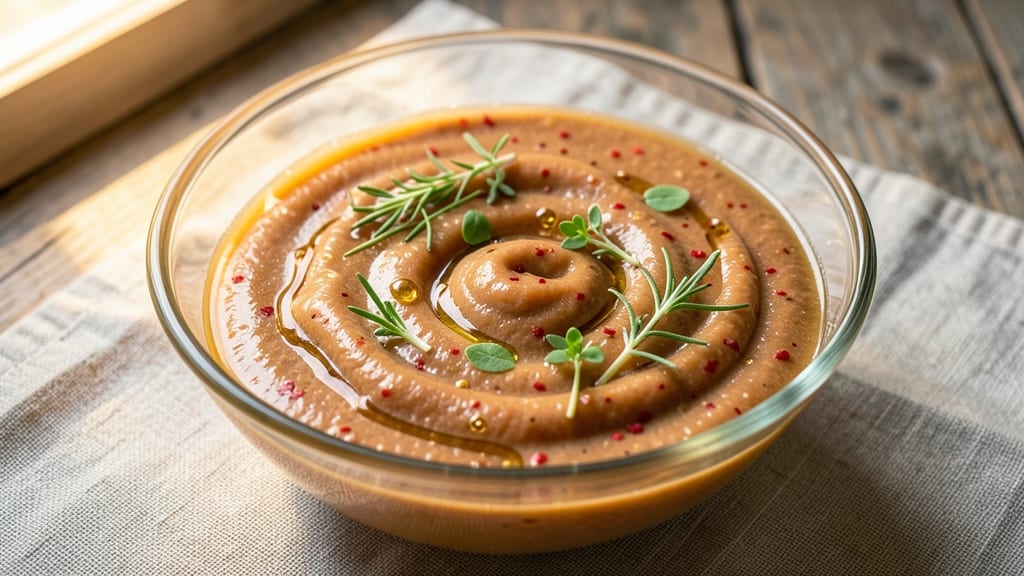
This apricot salad dressing recipe transforms simple greens into a vibrant, flavor-packed meal with just five ingredients. The secret lies in balancing sweet apricot purée with tangy vinegar and bright herbs, creating a dressing that elevates any salad from ordinary to extraordinary.
I developed this recipe after craving something lighter than creamy dressings but still packed with depth—no cloying sweetness or overwhelming acidity, just a harmonious blend that clings beautifully to leaves.
The foundation is a simple emulsion of apricot purée, extra-virgin olive oil, and apple cider vinegar, with a touch of Dijon mustard to help bind the ingredients and add subtle heat.
Fresh herbs like tarragon or thyme brighten the dressing, while a pinch of salt ensures every bite is perfectly balanced. What makes this dressing special is its versatility—it works equally well on spring greens, grain bowls, or even as a marinade for grilled chicken.
What you’ll end up with is a glossy, golden dressing that’s sweet enough to satisfy but tart enough to cut through rich ingredients. The apricot purée adds natural sweetness without overpowering, while the vinegar and herbs keep the flavor complex and refreshing.
This dressing stays fresh in the fridge for up to a week, making it perfect for meal prep or spontaneous lunches.
Whether you’re dressing a simple arugula salad or a hearty grain bowl, this apricot vinaigrette brings a touch of elegance and unexpected sweetness. The recipe is quick to make—just whisk together the ingredients—and requires no special equipment, just a small bowl and a whisk. Let’s get started!
Ingredients for apricot salad dressing
Five simple ingredients create a dressing that transforms ordinary salads into extraordinary meals.
| Ingredient | Amount | Notes |
|---|---|---|
| Apricot Purée 🍑 | ½ cup | Unsweetened, smooth texture preferred |
| Extra-Virgin Olive Oil 🫒 | ½ cup | High-quality, fruity variety |
| Apple Cider Vinegar 🍏 | ¼ cup | Raw, unfiltered preferred |
| Dijon Mustard 🌶️ | 1 tbsp | Mild or medium heat |
| Fresh Tarragon Leaves 🌿 | ¼ cup | Chopped finely, stems removed |
| Fresh Thyme Leaves 🌿 | ⅛ cup | Chopped, or 1 tbsp dried |
| Sea Salt 🧂 | ½ tsp | Fine grain preferred |
| Black Pepper 🌶️ | ¼ tsp | Freshly ground |
The apricot purée is the heart of this dressing—look for unsweetened varieties at specialty stores or make your own by blending fresh apricots. Trader Joe's and Whole Foods carry excellent options, or check the international aisle at your grocery store. Fresh tarragon and thyme make all the difference; local farmers markets often have the freshest herbs, but even grocery store bunches work if they're vibrant and not wilted. The Dijon mustard helps emulsify the dressing, so don't skip it—Amoy or Maille are my go-to brands for that perfect balance of tang and depth.
No fresh tarragon? Fresh basil or chives work in a pinch, though the flavor will differ slightly. Running low on apricot purée? Peach or mango purée can substitute, though the color will change. The dressing holds up beautifully without the mustard, but you'll lose some of that velvety texture. For a smoother finish, strain the dressing through a fine-mesh sieve after whisking. If you prefer a sweeter dressing, add an extra teaspoon of honey or maple syrup, though the apricot purée already provides natural sweetness. The herbs can be swapped for fresh parsley or dill if you prefer a different herbal profile.
This dressing keeps for up to 1 week in an airtight container in the fridge, though the flavor actually improves after a day as the ingredients meld. For best results, store it in a glass jar with a tight-sealing lid. If it separates, simply whisk again before using. It's perfect for meal prep—make a double batch and keep it on hand for quick lunches. The dressing also works as a marinade for grilled chicken or fish, though you may want to reduce the sweetness slightly for savory applications.
Why You'll Love This Recipe
- Five-Ingredient Magic: I swear by this combo—just blend, whisk, and you’re done. No chopping, no peeling, no stress. That apricot purée does all the work, giving you a silky texture with zero effort.
- Sunshine in a Jar: The moment I taste it, I’m reminded of summer picnics. The apricot’s natural sweetness balances the tangy vinegar, while tarragon adds that bright, herbal lift—like a hug from Provence.
- Game for Any Plate: Slather it on grilled chicken, drizzle over greens, or toss with roasted veggies. It’s the kind of dressing that turns a simple salad into something special, no matter the occasion.
- Lasts Where It Counts: Make a big batch—it keeps in the fridge for weeks without separating. Honestly, I’ve had this dressing last me through three meals before I even think about making more. Budget-friendly? Absolutely.
Step-by-step instructions for apricot salad dressing
Here's how to craft a perfectly balanced dressing that enhances any green salad.
Whisk Together the Base Ingredients
In a medium bowl, combine the 0.5 cup apricot purée with the 0.5 cup extra-virgin olive oil. Use a whisk to blend them thoroughly until the mixture becomes smooth and emulsified. The purée should fully incorporate into the oil, creating a silky texture. This step is crucial—uneven mixing will result in a dressing that separates later.
Next, add the 0.25 cup apple cider vinegar and 1 tablespoon Dijon mustard to the bowl. Whisk vigorously for 30 seconds until all ingredients are fully combined. The vinegar will add brightness, while the mustard provides a subtle tang that balances the sweetness of the apricot. At this point, the dressing should look like a thick, creamy liquid with no visible streaks.
Incorporate the Fresh Herbs
Add the 0.25 cup finely chopped fresh tarragon leaves and 0.125 cup chopped fresh thyme leaves to the bowl. Using the whisk, fold them into the dressing gently but thoroughly. The herbs should be evenly distributed, but avoid over-whisking, which could bruise the leaves and release bitterness. You're aiming for a fragrant, herby aroma that hints at the flavors to come.
Taste the dressing at this stage. It should have a harmonious blend of sweetness from the apricot and acidity from the vinegar, with the herbs adding depth. If the flavor feels too mild, you can adjust later, but this initial balance sets the foundation for the perfect dressing.
Season and Emulsify
Sprinkle in the 0.5 teaspoon sea salt and 0.25 teaspoon black pepper, then whisk again until fully dissolved. The salt enhances the flavors, while the pepper adds a subtle warmth that complements the sweet-tart profile. At this point, the dressing should be smooth, with no visible lumps or separation.
For a truly refined texture, transfer the dressing to a blender or food processor and blend for 10-15 seconds until completely smooth. This step ensures a silky consistency that clings beautifully to greens. If you prefer a slightly thicker dressing, blend for a shorter time, or leave it as is for a lighter finish.
Rest and Adjust
Let the dressing rest at room temperature for 10 minutes. This allows the flavors to meld and any slight separation to re-emulsify naturally. After resting, give it one final taste and adjust the seasoning if needed. If it tastes too sweet, add a splash more vinegar. If it needs more depth, a pinch of salt or a grind of pepper will elevate it.
The dressing is now ready to use. It pairs beautifully with fresh greens like arugula, spinach, or mixed salad blends, adding a bright, fruity contrast to earthy flavors. Store any leftovers in an airtight container in the refrigerator for up to 1 week, shaking gently before each use to re-emulsify.
Pro Tips For Making Apricot Salad Dressing
- STRAIN THE PURÉE: That apricot purée’s thick and often packed with seeds—skip the straining, and you’ll get grittiness no matter how much you whisk. Pour it through a fine-mesh sieve into a bowl, then press with a spoon. Takes 30 seconds but makes the dressing silky smooth.
- WHISK IN STAGES: Dump everything in the jar and shake? You’ll end up with clumps. Start with the purée and vinegar, whisk until combined, then slowly drizzle in the olive oil while whisking constantly. The mustard and tarragon go in last—this keeps the dressing stable and emulsified.
- SALT THE OIL FIRST: Taste the olive oil before adding it to the mix. A pinch of flaky salt (yes, in the oil) brightens the apricot’s sweetness and balances the vinegar’s sharpness. I learned this the hard way—unsalted oil makes the dressing taste flat, no matter how much you adjust later.
- CHOP TARRAGON FINE: Whole tarragon leaves sink to the bottom and turn the dressing into a sad, leafy sediment. Stack the leaves, roll tightly, and slice into thin ribbons—this distributes the flavor evenly without making the dressing look like a science experiment. (Your salad will thank you.)
Serving suggestions for leftovers
Salad Pairings
This apricot dressing shines on spring greens like arugula, spinach, or baby kale—its sweet-tart balance cuts through their earthiness beautifully. For a heartier salad, toss it with roasted beets, crispy chickpeas, and crumbled goat cheese for a Mediterranean-inspired bowl.
The dressing also elevates grain salads with farro, quinoa, or bulgur, adding a fruity contrast to nutty grains. 🥗
Protein Pairings
Use this dressing as a marinade for grilled chicken breast or salmon fillets—the apricot sweetness caramelizes beautifully on the grill. For vegetarian options, drizzle it over marinated tofu or grilled halloumi cheese before serving.
The dressing’s acidity tenderizes proteins while adding a bright finish. I love using it on seared scallops too—the sweetness complements the oceanic flavor perfectly.
Breakfast Applications
Whip up a quick breakfast by drizzling this dressing over Greek yogurt parfaits layered with granola and berries. It also works as a tangy dip for fresh fruit skewers or as a glaze for baked chicken sausage.
For a savory twist, use it as a dressing for avocado toast with a sprinkle of flaky salt and cracked black pepper. The apricot notes add a surprising but delightful sweetness to morning meals.
Dessert Uses
Don’t let the name fool you—this dressing doubles as a fruit dip for sliced apples, pears, or strawberries. It also makes an unexpected but delicious glaze for grilled peaches or pineapple.
For a dessert salad, toss mixed greens with candied pecans, blueberries, and a drizzle of this dressing. The sweet-tart contrast is pure magic. 🍓
Global Twists
For an Italian flair, add 1 teaspoon balsamic glaze and toss with roasted cherry tomatoes and fresh mozzarella. In a Middle Eastern twist, swap the tarragon for fresh mint and serve with cucumber, chickpeas, and pomegranate seeds.
The dressing also works as a dipping sauce for falafel or hummus, adding a fruity brightness that balances the richness. Think outside the salad bowl!
Storage Hacks
Store leftovers in a glass jar with a tight-sealing lid in the fridge for up to 1 week. If the dressing separates, simply whisk or shake vigorously before using. For a longer shelf life, freeze it in ice cube trays and thaw as needed—perfect for meal prep.
The dressing also freezes beautifully in small silicone molds for portion control. Always bring it to room temperature before using to ensure the best texture. ❄️
Nutrition facts
Frequently asked questions
Can I substitute apricot purée with something else?
Yes! You can use peach or mango purée for a similar fruity sweetness, though the color will differ. For a savory twist, try roasted red pepper purée or even sun-dried tomato paste (reduce the vinegar slightly). The key is balancing sweetness with acidity—adjust other ingredients as needed.
Why did my dressing separate? How do I fix it?
Separation happens when oil and liquid ingredients aren't properly emulsified. Simply whisk or shake vigorously before using—most separations re-emulsify instantly. For a smoother texture next time, blend the dressing briefly after mixing or add an extra ½ teaspoon Dijon mustard (it acts as a natural emulsifier).
How much dressing should I make for a standard salad?
This recipe yields about 1 cup, which perfectly dresses a large bowl salad (6-8 cups greens). For a small side salad (4 cups greens), halve the recipe. The dressing also works beautifully as a marinade—use ¼ cup per pound of protein for grilling or roasting.
Can I make this dressing without fresh herbs?
Use 1 tablespoon dried tarragon and 1 teaspoon dried thyme instead of fresh. For a different flavor profile, swap for dried basil or oregano. If you're out of mustard, a pinch of ground ginger or extra vinegar can help balance the flavors. The dressing will still taste great—just slightly less vibrant.
Is this dressing vegan?
Yes, this recipe is naturally vegan! All ingredients are plant-based, and the Dijon mustard used in the recipe is typically vegan (always check labels). The dressing is also gluten-free and can easily be made nut-free by using refined olive oil instead of infused varieties. Perfect for plant-based diets!