
Salads
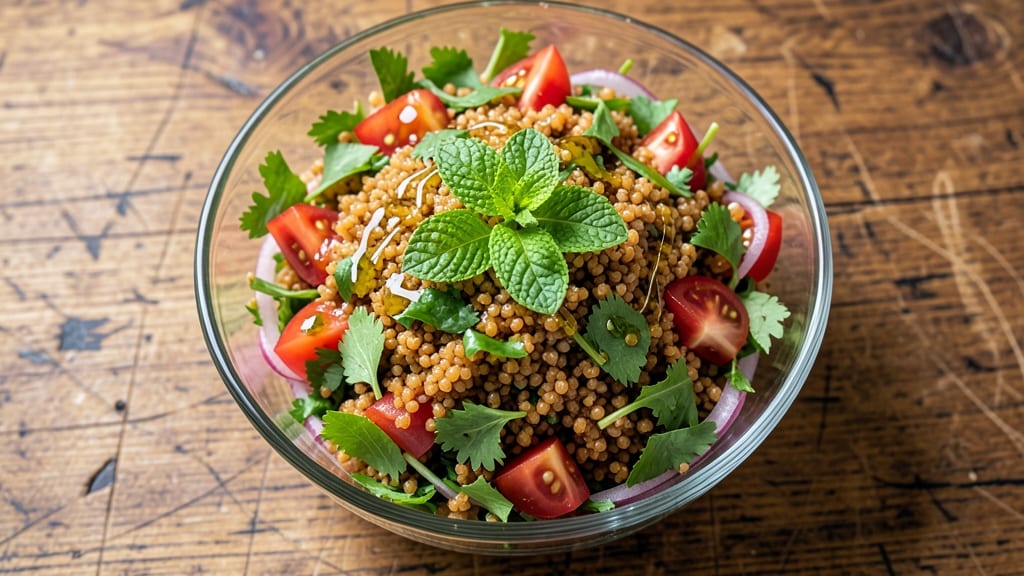
This Arabic tabbouleh salad recipe transforms simple ingredients into a vibrant, herb-packed dish that captures the essence of Middle Eastern mezze. The secret lies in perfectly soaked bulgur wheat and freshly chopped parsley, creating a bright, tangy salad that’s as refreshing as it is flavorful.
Unlike many salads, tabbouleh delivers bold texture and aromatic depth with minimal effort—just 15 minutes of prep time stands between you and a restaurant-quality dish.
What sets this recipe apart is the balance of textures—chewy bulgur, crisp vegetables, and tender herbs—all bound together by a zesty lemon dressing.
Traditional techniques like soaking the bulgur in warm water and hand-chopping parsley ensure the best results, while optional garnishes like toasted pine nuts or sumac add extra layers of complexity. This isn’t just a side dish; it’s a celebration of freshness that elevates any meal.
The final salad is a burst of green and gold, with each bite offering a perfect harmony of tangy, herby, and slightly nutty flavors. The bulgur absorbs the lemon and olive oil, while the parsley and mint infuse every mouthful with vibrant freshness.
Serve it as a mezze starter, a light lunch, or a refreshing side to grilled meats—its versatility makes it a staple in any kitchen.
Ready in just 15 minutes, this salad is perfect for meal prep or last-minute gatherings. The key is using the freshest herbs and letting the flavors meld before serving. Here’s how to make it shine.
Ingredients for arabic tabbouleh salad
Fresh herbs and bulgur transform into this vibrant, zesty tabbouleh in 15 minutes.
| Ingredient | Amount | Notes |
|---|---|---|
| Fine Bulgur Wheat 🌾 | 1 cup | Rinsed thoroughly before soaking |
| Fresh Flat-Leaf Parsley 🌿 | 2 cups | Stems removed, finely chopped |
| Fresh Mint Leaves 🍃 | ¼ cup | Chopped, stems removed |
| Extra-Virgin Olive Oil 🫒 | ½ cup | High-quality, fruity variety |
| Fresh Tomatoes 🍅 | 3 medium | Diced, seeds removed |
| Red Onion 🧅 | ½ medium | Finely diced |
| Cucumber 🥒 | 1 medium | Diced, peeled if preferred |
| Fresh Lemon Juice 🍋 | ¼ cup | Freshly squeezed |
| Salt 🧂 | 1 tsp | Kosher or sea salt |
| Ground Black Pepper 🌶️ | ¼ tsp | Freshly ground preferred |
| Toasted Pine Nuts 🥜 | ¼ cup | Optional, for garnish |
| Sumac Spice 🌶️ | 1 tsp | Optional, for garnish |
The parsley and mint are non-negotiable here—farmers market bunches have the best flavor, but grocery store containers work in a pinch. Look for bright green leaves with no yellowing. Trader Joe's and Whole Foods carry excellent quality, but any store with a fresh produce section will do. The bulgur needs to be fine, not coarse—Bob's Red Mill is my go-to brand, but check the label. For the tomatoes, vine-ripened varieties like Roma or heirloom add the best sweetness. If you can't find them, regular beefsteak tomatoes work fine too.
No fresh mint? Dried mint at half the amount gets you close, but it won't be as vibrant. Substituting parsley with cilantro? Use 1.5 cups cilantro plus 0.5 cup parsley—cilantro alone is too strong. For the cucumber, English cucumbers have fewer seeds and less water, making them ideal. If you're using regular cucumbers, pat them dry thoroughly before dicing to avoid a watery salad. The lemon juice can be swapped for lime juice if that's what you have, but lemon gives that classic tangy brightness.
This salad tastes even better the next day as the flavors meld. Store it in an airtight container in the fridge for up to 3 days. The bulgur will soften further, making it even more tender. For meal prep, double the recipe—it keeps beautifully and is perfect for lunches. The pine nuts and sumac? Save them until serving. Toast the pine nuts in a dry pan for 2-3 minutes until golden—don't walk away, they burn fast. Sprinkle the sumac just before eating for that bright, citrusy kick.
Why You'll Love This Recipe
- I swear by this trick: buy pre-washed parsley and mint, and you’re already halfway there. The bulgur just needs a quick soak—no boiling, no fuss—while you dice tomatoes in three minutes. Honestly, it’s the kind of salad that lets you not stress while still feeling fancy.
- No-Chop Nightmare: I swear by this trick: buy pre-washed parsley and mint, and you’re already halfway there. The bulgur just needs a quick soak—no boiling, no fuss—while you dice tomatoes in three minutes. Honestly, it’s the kind of salad that lets you not stress while still feeling fancy.
- Herb Bomb Brightness: That burst of fresh parsley and mint? It’s like sunshine in a bowl. The bulgur soaks up the olive oil until it’s tender but still holds its shape, while the tomatoes add juicy sweetness. Between us, it’s the only salad I’ll eat straight from the fridge—no guilt.
- Meal Prep MVP: Make a big batch on Sunday, and you’ve got lunch for the week. It keeps for days in the fridge, tastes better as it sits, and pairs with grilled chicken, falafel, or even just toast. My kids now ask for it at school—yes, I pack it in their lunches. No, I don’t care.
Step-by-step instructions for Arabic tabbouleh salad
Here's how to create this vibrant, herb-forward salad that's bursting with Mediterranean flavors.
Soak and Prepare the Bulgur Wheat
Place the 1 cup fine bulgur wheat in a medium bowl and cover it completely with 2 cups cold water. Let it soak for 15-20 minutes until the water is fully absorbed and the bulgur has softened. Drain any excess water using a fine-mesh strainer, pressing gently with a spoon to remove all liquid.
This soaking step is crucial—it ensures your bulgur absorbs the lemon juice and olive oil perfectly later. If you skip this, your salad will be dry and crumbly. I like to give it a quick rinse under cold water after draining to remove any remaining grit, then transfer it to a large mixing bowl.
Chop and Combine All Vegetables
In the same mixing bowl, add the 2 cups finely chopped fresh flat-leaf parsley, 0.25 cup chopped fresh mint leaves, 3 medium diced fresh tomatoes (seeds removed), 0.5 medium finely diced red onion, and 1 medium diced cucumber (peeled if preferred). Give everything a gentle toss with your hands to distribute the ingredients evenly.
Here's the thing—don't overmix yet. You want to preserve the individual textures of each ingredient. The parsley and mint should remain bright green, while the tomatoes and cucumbers should keep their distinct shapes. This is what gives tabbouleh its beautiful, rustic appearance.
Dress the Salad with Lemon and Olive Oil
In a small measuring cup, whisk together the 0.5 cup extra-virgin olive oil and 0.25 cup fresh lemon juice. Pour this mixture over the vegetable and bulgur combination in the bowl. Sprinkle with 1 teaspoon salt and 0.25 teaspoon freshly ground black pepper, then fold everything together gently but thoroughly with a large spoon.
Taste it now—this is your first flavor checkpoint. The salad should be bright, tangy, and fresh, with the lemon cutting through the richness of the olive oil. If it tastes too acidic, add a tiny pinch more salt. If it needs more brightness, squeeze in a bit more lemon juice. This is where you adjust the balance before the final steps.
Garnish and Rest for Maximum Freshness
Transfer the tabbouleh to a serving platter or individual bowls. Sprinkle the top evenly with the 0.25 cup toasted pine nuts and 1 teaspoon sumac spice. The pine nuts add a delightful crunch, while the sumac brings a bright, citrusy tang that complements the lemon perfectly.
Let the salad rest for 10-15 minutes before serving. This resting period allows all the flavors to meld together beautifully. The bulgur will absorb the lemon and olive oil more completely, and the herbs will release their full aroma. Serve it chilled or at room temperature—either way, it's a refreshing burst of Mediterranean goodness.
Pro Tips For Making Arabic Tabbouleh Salad
- TOAST THE BULGUR: I learned this the hard way—cooking bulgur straight from the package leaves it gummy. Dry-toast it in a dry skillet over medium heat for 2-3 minutes until it smells nutty and fragrant. This step prevents mushiness and makes the texture pop—no one wants a sad, gluey tabbouleh.
- CHOP THE PARSLEY COARSE: Fine chopping turns tabbouleh into parsley soup. Aim for ¼-inch pieces—big enough to see the texture, small enough to taste it. Use a sharp knife and work in batches if needed; rushing leads to uneven bits that ruin the balance.
- SALT THE BULGUR WATER: Skip this, and your bulgur will taste bland. Add 1 teaspoon of salt to the boiling water—it seasons the grain directly and cuts through the freshness of the herbs. Trust me, your taste buds will notice the difference.
- LEAVE THE TOMATOES WHOLE: I was skeptical until I tried it—halved cherry tomatoes or diced Roma stay soggy fast. Keep them in large chunks or halves so they hold their shape and add juicy contrast. Save any extra juice for dressing later if needed.
Make-ahead tips for this recipe
Prep Ahead for Flavor
Tabbouleh tastes even better when flavors meld overnight. After mixing all ingredients, store in an airtight container in the fridge for up to 3 days.
The bulgur softens further, absorbing the lemon and olive oil perfectly. I often make a double batch on Sundays—it’s perfect for lunches all week. 💫
Herb Prep Shortcut
Chopping parsley and mint fresh takes time, but you can prep ahead. Store chopped herbs in a sealed container with a paper towel to absorb moisture. They’ll keep in the fridge for 2 days—just give them a quick toss before mixing with other ingredients.
For extra convenience, buy pre-chopped parsley from Trader Joe’s or Whole Foods.
Bulgur Soaking Hack
Soak the bulgur in warm water (not boiling) for 10 minutes before the full 15-20 minutes soak. This speeds up hydration and ensures even texture. Drain thoroughly—any leftover water makes the salad soggy.
I like to rinse the soaked bulgur under cold water to remove excess starch, which prevents clumping later. 🌾
Garnish Last-Minute
Toast pine nuts fresh before serving—they burn fast! Heat them in a dry pan over medium heat for 2-3 minutes, stirring constantly, until golden. Sumac and other garnishes should go on just before eating to preserve their bright flavors.
Store them separately in a small jar until ready to use.
Meal Prep Containers
Use glass containers with tight-sealing lids for best results. Mason jars or Le Parfait containers work perfectly. Layer ingredients in this order: bulgur at the bottom, then herbs and veggies, topped with dressing. This keeps everything fresh and prevents sogginess when you’re ready to eat.
Reheating Tips
Tabbouleh doesn’t need reheating—it’s best served cold or at room temperature. If you want to warm it slightly (for pairing with warm dishes), microwave for 30 seconds on 50% power. Stir well and let it sit for 2 minutes before serving. The texture stays perfect this way. 🔥
Nutrition facts
Frequently asked questions
Can I make tabbouleh without bulgur wheat?
Yes! You can substitute bulgur with cooked quinoa or fine couscous for a similar texture. Use 1 cup cooked quinoa or 1 cup cooked couscous instead of the bulgur, and reduce the lemon juice slightly since these grains absorb less liquid. The salad will have a lighter texture but still pack the same vibrant flavors.
How do I keep my tabbouleh from getting soggy?
Sogginess happens when excess moisture isn't drained properly. Always thoroughly drain soaked bulgur and pat chopped herbs/veggies dry with a paper towel before mixing. Store in an airtight container with a paper towel on top to absorb any condensation. For meal prep, layer ingredients in a jar with dressing on top—this keeps everything crisp for 3 days.
What's the best way to chop parsley for tabbouleh?
For authentic texture, use a sharp chef's knife and chop parsley into fine, even pieces—about 1/8-inch size. Remove stems first by holding the bunch upside down and slicing just above the root. For extra speed, pulse in a food processor (but avoid over-processing). The goal is bright green flecks that distribute evenly throughout the salad.
Can I use dried herbs instead of fresh?
Fresh herbs are ideal, but you can use dried in a pinch. Replace fresh parsley with 1/4 cup dried parsley and fresh mint with 1/2 teaspoon dried mint. The flavor will be less vibrant, but still delicious. For best results, crush dried herbs between your fingers to release their aroma before adding to the salad. The texture won't be as fresh, but it works for a quick version.
Why does my tabbouleh taste bland after resting?
This usually happens when the lemon juice isn't balanced properly. Taste and adjust by adding 1-2 teaspoons more lemon juice or a pinch of salt. If it still tastes flat, try adding 1/2 teaspoon sumac or a splash of extra-virgin olive oil—both enhance brightness. For extra depth, sprinkle with 1/4 teaspoon ground cumin before serving. The flavors often need time to develop, so let it sit 10-15 minutes before tasting again.