
Salads
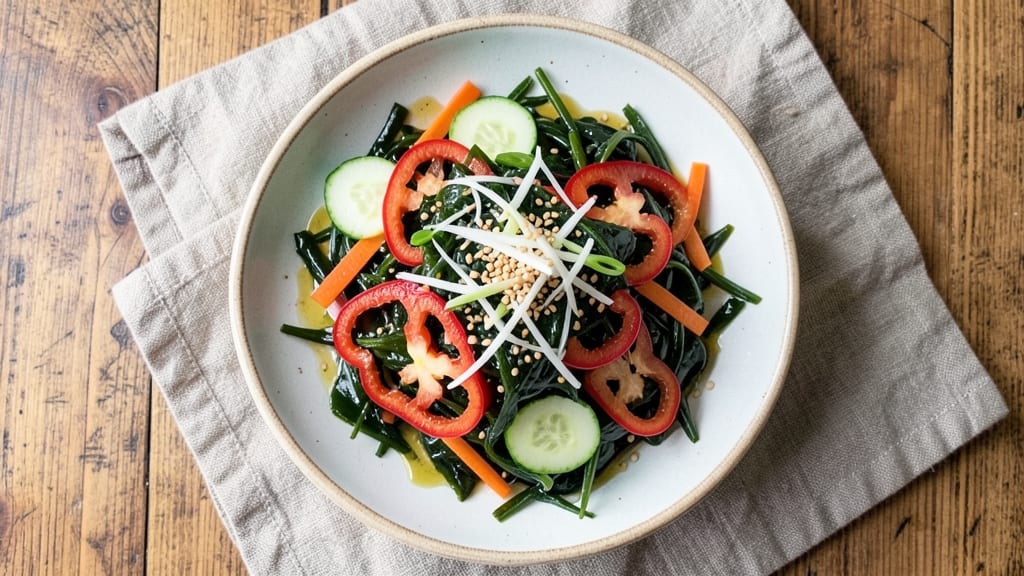
This arame seaweed salad recipe transforms simple ingredients into a vibrant dish that balances earthy umami with bright, zesty flavors. The key lies in soaking the seaweed properly to soften its texture while preserving its natural crunch, then tossing it with a sesame-ginger dressing that adds depth and complexity.
I developed this recipe after discovering how versatile arame could be beyond sushi—its slightly sweet, briny flavor pairs perfectly with fresh vegetables and crunchy toppings.
The salad delivers a satisfying contrast of textures: tender seaweed, crisp vegetables, and nutty sesame seeds all come together in a dish that's both nourishing and visually striking.
Unlike traditional seaweed salads, this version includes a homemade dressing that's quick to prepare but packed with flavor—ginger, sesame oil, and citrus create a zingy balance that complements the seaweed's natural taste.
The result is a dish that feels both elegant and effortless, perfect for weeknight dinners or as a side for grilled proteins.
What makes this recipe stand out is its versatility—it works as a standalone meal or pairs beautifully with rice, noodles, or tofu dishes. The preparation is straightforward: soak the arame, chop fresh ingredients, and whisk together the dressing in just 10 minutes.
The final assembly is where the magic happens, as the flavors meld together when tossed, creating a harmonious blend of umami, freshness, and crunch. Whether you're a seafood lover or new to seaweed, this salad is a game-changer for adding texture and nutrition to your meals.
For an extra touch of sophistication, garnish with toasted sesame seeds, thinly sliced scallions, or a sprinkle of chili flakes.
The presentation is just as important as the taste—arrange the salad on a platter with the bright green seaweed as the focal point, surrounded by contrasting colors from the vegetables and garnishes.
This dish isn't just about flavor; it's about creating a visually appealing plate that feels restaurant-worthy without the fuss.
Ingredients for arame seaweed salad
Four ounces of arame and eight fresh ingredients create this vibrant umami-packed salad.
| Ingredient | Amount | Notes |
|---|---|---|
| Dried Arame Seaweed 🍃 | 4 oz | Dried, not pre-soaked |
| Carrots 🥕 | 1 medium | Julienned or thinly sliced |
| Cucumber 🥒 | 1 small | Seedless, thinly sliced |
| Red Bell Pepper 🌶️ | ½ cup | Thinly sliced, any color |
| Scallions 🧅 | 3 whole | Thinly sliced, white/green parts |
| Sesame Seeds 🌰 | 2 tbsp | Toasted for extra crunch |
| Sesame Oil 🫒 | 2 tbsp | Toasted sesame oil preferred |
| Rice Vinegar 🍶 | 3 tbsp | Unseasoned, mild flavor |
| Fresh Ginger 🌿 | 1 tbsp | Finely grated, fresh |
| Lemon Juice 🍋 | 1 ½ tbsp | Freshly squeezed |
| Agave Nectar 🍯 | 1 tbsp | Or maple syrup substitute |
| Salt 🧂 | ½ tsp | Kosher or sea salt |
| Black Pepper 🌶️ | ¼ tsp | Freshly ground |
| Red Chili Flakes 🔥 | ¼ tsp | Optional for heat |
The arame is the heart of this dish—look for dried arame in the Asian foods section at stores like Whole Foods or Trader Joe's. The dried strands should be clean and free of debris. Soaking time is critical: 20 minutes in cold water softens without losing texture. For extra umami, rinse the soaked arame with ice water before draining. The vegetables should be crisp—carrots and cucumber from the produce section, not the pre-cut bins. Bell peppers with vibrant color indicate freshness, and scallions should be firm with no wilted greens.
No sesame oil? Toasted peanut oil works in a pinch, though sesame's nutty depth is ideal. Fresh ginger is non-negotiable here—dried powder lacks the bright zing. Substitute agave with maple syrup or date syrup if needed. For the vegetables, julienne peeler makes quick work of carrots and cucumber. The red bell pepper can be swapped for shredded purple cabbage if you prefer a milder flavor. All ingredients should be prepped just before tossing to maintain crispness.
Store the dried arame in an airtight container in a cool, dark place for up to 6 months. Once soaked, use within 3 days or refrigerate in a sealed container with paper towels to absorb moisture. The dressing keeps for 1 week in the fridge—shake before using. For meal prep, store components separately and assemble just before serving. This salad reheats poorly, so it's best enjoyed fresh. Garnishes like toasted sesame seeds and chili flakes can be added fresh to maintain texture.
Why You'll Love This Recipe
- No-Soaking Required: I’ll be real—most seaweed salads need hours of soaking. Not this one. Just 10 minutes in warm water, and that arame transforms into tender, chewy strands that hold their shape. No waiting around while you scroll through your phone.
- Umami-Packed Punch: That dried arame? It’s like a flavor bomb—salty, briny, with a depth you won’t find in your average veggie salad. Pair it with the crisp sweetness of shredded carrots and the bright bite of red bell pepper, and suddenly you’ve got a dish that’s ridiculously satisfying.
- Weeknight Meal Prep Hero: Between us, this salad keeps for days in the fridge without getting soggy. Toss it in a container Monday morning, and you’ve got a lunch that’s fresh, protein-friendly, and way more exciting than a sad desk salad. (Yes, even on a Tuesday night.)
- Budget Brightener: A bag of dried arame lasts forever, and the rest of the ingredients? Basic, affordable, and versatile. You’re not just making a salad—you’re stretching your grocery budget while adding a dish that feels fancy without the price tag. My wallet thanks me every time.
Step-by-step instructions for arame seaweed salad
A perfect balance of textures and flavors awaits—crisp vegetables meet umami-rich seaweed in this vibrant dish.
Rehydrate the Dried Arame Seaweed
Place the 4 oz dried arame seaweed in a heatproof bowl and cover it with hot water—about 1 cup should suffice. Let it soak for 10-15 minutes until the strands soften and expand to about 3 times their original size. Drain thoroughly using a colander, pressing gently to remove excess water. The seaweed should hold its shape but feel pliable—this ensures it won’t turn mushy in the salad.
If you notice any particularly tough strands, give them a quick pinch between your fingers to soften further. This step is crucial; under-soaked seaweed will be chewy, while over-soaked strands will lose their texture. Keep the drained seaweed set aside for now.
Prepare and Slice the Vegetables
Using a sharp mandoline or chef’s knife, julienne the 1 medium carrot into thin, even strips—about ¼-inch wide. For the 1 small cucumber, slice it lengthwise and then thinly crosswise into ⅛-inch slices, removing the seeds if needed. Thinly slice the 0.5 cup red bell pepper into matchsticks, ensuring uniformity for even distribution in the salad.
Next, slice the 3 whole scallions into ¼-inch rings, separating the white and green parts if you prefer a milder flavor. Place all sliced vegetables in a large mixing bowl and set aside. The goal here is to create a visually appealing contrast of colors and textures—crisp, bright, and ready to absorb the dressing.
Toast the Sesame Seeds and Make the Dressing
In a dry skillet over medium heat, toast the 2 tbsp sesame seeds for 2-3 minutes until they turn a rich golden brown and release their nutty aroma. Transfer them to a small bowl to cool—they’ll add a delightful crunch to the salad. While they toast, combine the 2 tbsp sesame oil, 3 tbsp rice vinegar, 1 tbsp finely grated fresh ginger, 1.5 tbsp lemon juice, 1 tbsp agave nectar, 0.5 tsp salt, 0.25 tsp black pepper, and 0.25 tsp red chili flakes in a small bowl.
Whisk the dressing ingredients vigorously until fully emulsified. The mixture should be smooth and slightly glossy, with a bright, tangy aroma. Taste and adjust the seasoning if needed—this is where the balance of sweet, sour, and umami comes together. The dressing should coat the back of a spoon lightly.
Combine All Ingredients
Add the drained arame seaweed and sliced vegetables to the mixing bowl. Pour the dressing over the top and toss gently but thoroughly to ensure every strand of seaweed and vegetable is coated. The salad should look vibrant, with the seaweed’s deep green hue contrasting beautifully against the bright orange of the carrots, the white of the cucumber, and the red of the bell pepper.
Sprinkle the toasted sesame seeds over the salad just before serving. This adds a final layer of texture and flavor—each bite should deliver a satisfying crunch. Let the salad sit for 5 minutes before serving to allow the flavors to meld slightly, but don’t let it sit too long or the vegetables will become soggy.
Serve Immediately for Maximum Freshness
Transfer the salad to a serving platter and garnish with an extra sprinkle of sesame seeds and a few thin slices of scallions for presentation. Serve immediately while the vegetables are still crisp and the dressing is vibrant. This salad pairs beautifully with grilled proteins, sushi, or as a standalone dish for a light yet satisfying meal.
The key to success here is timing—each component should be fresh and vibrant. If you’re serving this as part of a larger meal, prepare the dressing and toast the sesame seeds first, then assemble the salad just before serving. Enjoy the harmonious blend of earthy, tangy, and slightly spicy flavors in every bite.
Pro Tips For Making Arame Seaweed Salad
- SOAK ARAMÉ TWICE: I learned this the hard way—dried aramé needs a two-step soak to stay tender without turning mushy. First, rinse it under cold water for 10 seconds to remove grit, then soak in room-temp water for 15 minutes (not boiling). Drain, then give it a second soak in ice water for 5 minutes before slicing. The cold shock stops it from over-absorbing and keeps the texture perfect.
- JULIENNE CARROTS FAST: Skip the mandoline—it’s slower than just using a sharp chef’s knife. Cut carrots into 1/4-inch sticks first, then stack 3-4 at a time and slice diagonally in one motion. Works for bell peppers too, and you’ll save time without losing precision. (Yes, even if you’re impatient like me.)
- DRESS IT LAST: The dressing is the thing that matters most here, so add it right before serving. Aramé absorbs liquid fast, and cucumbers get soggy if mixed too early. Toss everything together, drizzle, and toss again—just before eating. If you’re prepping ahead, store veggies dry and dress separately.
- SKIP THE SEEDS: Resist the urge to use whole cucumbers—they’ll make the salad watery. Instead, scoop out the seeds with a spoon, then slice the flesh into half-moons. It’s a tiny effort that actually changes the outcome, trust me. (Your future self will thank you.)
Regional styles of this recipe
Japanese Shiozuke Style
In Japan, arame is often prepared as a shiozuke—a simple salted preserve that enhances its natural sweetness. For this variation, soak the 4 oz dried arame in 1 cup water with 1 tsp kosher salt for 15 minutes, then rinse and drain.
Toss with 1 tbsp rice vinegar, 1 tsp toasted sesame oil, and a pinch of mirin for a delicate balance. Garnish with toasted nori strips and shiso leaves for an authentic touch. 🌿
Korean Banchan Twist
Korean home cooks often serve seaweed salads as banchan—small side dishes that complement rice meals. For this version, add 1 tbsp gochujang (Korean chili paste) and 1 tsp toasted sesame oil to the dressing.
Include thinly sliced radish and kimchi for tangy crunch. The gochujang adds a deep, spicy-sweet note that pairs perfectly with the arame’s umami. Serve warm or at room temperature for a comforting side. 🔥
Thai-Inspired Lemongrass
Elevate this salad with Thai flavors by infusing the dressing with 2 stalks lemongrass (bruised and removed after steeping) and 1 tsp fish sauce (or soy sauce for vegan). Add ½ cup shredded Thai basil and ¼ cup crushed peanuts for texture.
The lemongrass brightens the arame’s earthiness, while the peanuts add a satisfying crunch. Perfect as a side for grilled tofu or summer rolls. ✨
Mediterranean Olive Oil
Swap the sesame dressing for a Mediterranean twist using 2 tbsp extra-virgin olive oil, 1 tbsp lemon juice, ½ tsp dried oregano, and ¼ tsp red pepper flakes. Add ¼ cup Kalamata olives and 2 tbsp crumbled feta (optional) for a briny contrast.
The olive oil’s richness complements the arame’s umami, while the herbs add a fresh herbal note. Ideal for a light lunch or mezze platter. 🫒
Mexican Lime-Cilantro
For a zesty Mexican-inspired salad, blend the dressing with 2 tbsp lime juice, 1 tbsp chopped cilantro, and ½ tsp cumin. Add ¼ cup diced mango (for sweetness) and 2 tbsp toasted pepitas.
The lime’s acidity cuts through the arame’s richness, while the cilantro and cumin add a vibrant, spicy kick. Serve with black beans or grilled shrimp for a bold, flavorful dish. 🌶️
Nutrition facts
Frequently asked questions
How long should I soak dried arame seaweed?
Soak the dried arame for 10-15 minutes in hot water until it softens and expands to about 3 times its original size. Over-soaking can make it mushy, while under-soaking leaves it chewy. Rinse with ice water afterward to enhance texture.
Can I use this salad in meal prep?
Store components separately to maintain crispness. Soak and drain the arame, chop vegetables, and prepare dressing ahead, then assemble just before serving. The salad keeps best for 2 days in the fridge—toss with dressing only when ready to eat to prevent sogginess.
What's the best way to toast sesame seeds?
Toast 2 tbsp sesame seeds in a dry skillet over medium heat for 2-3 minutes until golden and fragrant. Stir constantly to prevent burning. Let cool completely before sprinkling on the salad for maximum crunch.
Can I substitute other seaweeds?
Wakame or kombu work well, but adjust soaking times—wakame needs 5-8 minutes while kombu is best used dried. Arame's unique slightly sweet flavor pairs best with the sesame-ginger dressing. For texture, use 4 oz dried of any substitute.
Why does my dressing separate?
Whisk vigorously to emulsify the sesame oil and vinegar. Add 1 tsp cornstarch mixed with 1 tsp water to thicken if needed. Keep ingredients at room temperature before mixing for better blending. The dressing should coat a spoon lightly.