
Salads
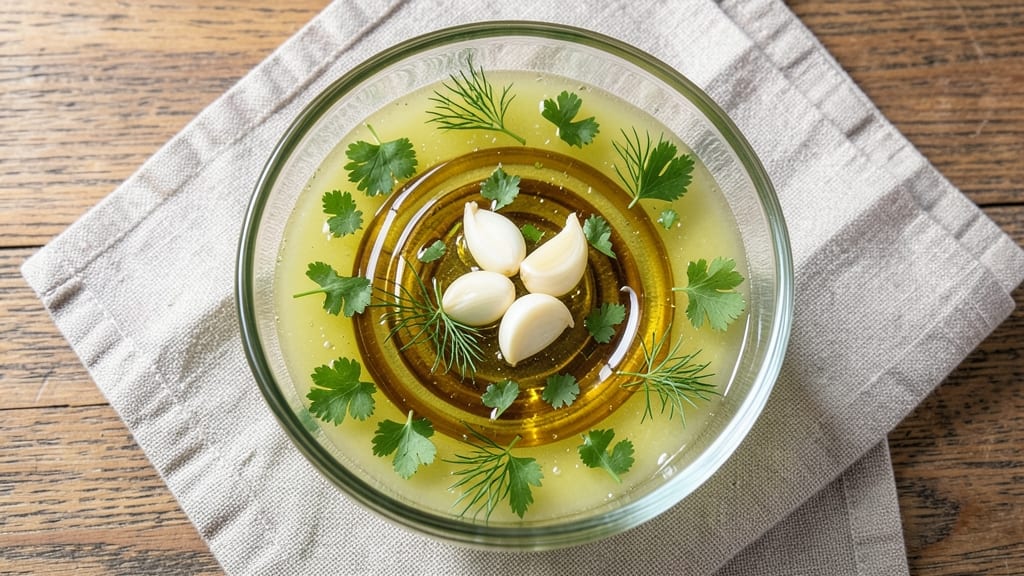
This Arbonne salad dressing recipe delivers a lightweight herb-lime emulsion that elevates every salad without weighing it down. The secret lies in a balanced blend of plant-based oils, tangy vinegar, and fresh herbs that create a silky texture perfect for drizzling.
With a 3-week shelf life when refrigerated, this dressing stays fresh longer than most store-bought versions while keeping all the vibrant flavor.
The recipe relies on simple ingredients you likely already have—extra virgin olive oil, apple cider vinegar, and a bright mix of lime juice, garlic, and fresh herbs like parsley and dill.
The emulsification process is straightforward, requiring just a blender or whisk to combine everything into a smooth, clingy dressing that coats greens perfectly. No artificial additives or thickeners are needed here; the natural oils and acids do all the work.
What sets this dressing apart is its versatility and longevity. Use it on mixed greens, grain bowls, or even as a marinade for tofu or grilled vegetables. The lime and herbs add a refreshing zing that cuts through rich ingredients, while the olive oil provides healthy fats for satiety.
The dressing thickens slightly when refrigerated but thins out beautifully when returned to room temperature, making it ideal for meal prep.
For best results, store the dressing in an airtight container in the refrigerator and shake or whisk before each use. The flavors actually improve over time, developing deeper complexity as the herbs infuse further.
Whether you're prepping salads for the week or adding a bright finish to a quick lunch, this recipe ensures your dressings are always fresh, flavorful, and free from unnecessary preservatives.
Ingredients for arbonne salad dressing
Nine simple ingredients create a vibrant, plant-based dressing with restaurant-quality texture.
| Ingredient | Amount | Notes |
|---|---|---|
| Extra-Virgin Olive Oil 🫒 | ¾ cup | High-quality, fruity variety preferred |
| Apple Cider Vinegar 🍎 | ¼ cup | Raw, unfiltered for best flavor |
| Fresh Lime Juice 🍋 | ¼ cup | Freshly squeezed, no pulp |
| Garlic Cloves 🧄 | 2 cloves | Fresh, peeled, minced finely |
| Fresh Flat-Leaf Parsley 🌿 | ¼ cup | Stems included, finely chopped |
| Fresh Dill 🌿 | ⅛ cup | Finely chopped, stems trimmed |
| Raw Honey 🍯 | 1 tbsp | Substitute maple syrup for vegan |
| Sea Salt 🧂 | 1 tsp | Fine grain, Diamond Crystal preferred |
| Black Peppercorns 🌶️ | ¼ tsp | Freshly cracked, coarse grind |
| Water 💧 | ⅛ cup | Room temperature, for thinning |
The olive oil is the foundation—look for extra-virgin with fruity notes like California or Italian varieties. Whole Foods or Trader Joe's carry excellent options. Fresh herbs make all the difference: parsley and dill should be bright green, not wilted. Local farmers markets often have fresher herbs than grocery stores. For the garlic, Spanish or Italian varieties tend to be milder and sweeter. If you're using raw honey, opt for local varieties—Manuka or clover work well. The apple cider vinegar should be raw and unfiltered for maximum flavor complexity.
No fresh herbs? Dried parsley and dill at half the amount will work, though texture suffers slightly. Vegan substitution: replace honey with 1 tbsp maple syrup for a neutral sweetness. For a tangier dressing, increase vinegar by 1 tsp. Substitute lemon juice for lime at a 1:1 ratio if needed. The dressing thickens when refrigerated—add 1 tsp water if it becomes too stiff. For a garlic-free version, omit entirely and add an extra 1/2 tsp salt to compensate. The peppercorns should be freshly cracked—pre-ground loses potency quickly.
Store in an airtight glass jar in the refrigerator for up to 3 weeks. The flavors actually improve over time as the herbs infuse further. Shake or whisk vigorously before each use to re-emulsify. For meal prep, divide into smaller containers—2 oz portions work perfectly for individual salads. The dressing can also be frozen for up to 3 months in ice cube trays, with each cube making about 1 tbsp. Always return to room temperature before using to restore silky texture.
Why You'll Love This Recipe
- Five-Ingredient Magic: I swear by this combo—just oil, vinegar, lime, garlic, and parsley. No fancy gadgets, no stress. Honestly, I’ve made it while waiting for a pot of pasta to boil, and it still tastes like I spent hours.
- Bright & Tangy: That lime juice cuts through everything like a citrusy reset button. Between us, the apple cider vinegar adds this deep, almost caramel-like richness that makes it way more interesting than basic vinaigrettes.
- Meal Prep MVP: I double the batch and store it in a jar—drizzle it on greens, toss it with roasted veggies, or even use it as a marinade. It’s my go-to for lunches, picnics, or when I’m too tired to think.
- Budget Brightener: Extra-virgin olive oil is the only splurge here, but it makes the whole thing taste luxurious. The rest? Pantry staples. I’ve used this dressing for weeks, and it’s never let me down—proof that simple ingredients can be my secret weapon.
Step-by-step instructions for Arbonne salad dressing
This emulsion technique creates a stable, lightweight dressing that stays fresh for three weeks.
Create the Herb-Lime Base
In a small bowl, combine the 0.25 cup fresh lime juice, 0.25 cup finely chopped fresh flat-leaf parsley, and 0.125 cup finely chopped fresh dill. Stir thoroughly to release the herbs' oils and create a vibrant green paste. The lime juice will brighten the flavors while the herbs add freshness. Set this mixture aside while you prepare the emulsion.
In a separate small bowl, whisk together the 0.25 cup apple cider vinegar, 1 tbsp raw honey, 1 tsp sea salt, and 0.25 tsp freshly cracked black peppercorns. This creates a balanced acid-sweet base that will emulsify beautifully with the oil. Taste the mixture and adjust the honey or salt to your preference—this is your flavor foundation.
Emulsify the Dressing
In a blender or food processor, combine the 0.75 cup extra-virgin olive oil and the vinegar-honey mixture. Blend on high speed for 30-45 seconds until completely smooth. The oil should be fully incorporated into the liquid, creating a thick, creamy texture. This step is critical for achieving the stable emulsion that won't separate.
With the blender running on low speed, slowly drizzle in the 0.125 cup room temperature water through the feed tube. This thin liquid helps create the perfect consistency—light enough to coat salads evenly but thick enough to cling to greens. The water also extends shelf life by preventing bacterial growth.
Incorporate Herbs and Garlic
Transfer the emulsion to a medium bowl and add the herb-lime mixture along with the 2 minced garlic cloves. Using a whisk or silicone spatula, fold everything together until fully combined and smooth. The garlic should be evenly distributed without any clumps. This is where the dressing comes together—you're blending the bright herb-lime flavors with the creamy emulsion.
Taste and adjust seasoning if needed. The dressing should balance tartness from the vinegar and lime, sweetness from the honey, and herbal notes from the parsley and dill. If it's too thick, add 1-2 teaspoons of water to reach your desired consistency. The dressing should coat the back of a spoon but still pour smoothly.
Store for Maximum Freshness
Transfer the dressing to a clean, airtight glass jar or bottle. Store it in the refrigerator where it will maintain its freshness for up to three weeks. The emulsion will naturally separate slightly when refrigerated, but give it a good shake before each use to recombine. This dressing works beautifully on mixed greens, grain bowls, or as a marinade for grilled vegetables.
The key to its longevity is the combination of acidity from the vinegar and lime, the preservative qualities of honey, and the proper ratio of oil to water. Unlike traditional vinaigrettes, this emulsion won't separate in your salad bowl, making it perfect for meal prep. Use within three weeks for optimal flavor and texture.
Pro Tips For Making Arbonne Salad Dressing
- Toast the Garlic: I learned this the hard way—raw garlic in this dressing tastes sharp and medicinal. Lightly toast 2-3 minuted in olive oil until golden and fragrant, then crush it. The flavor mellows into sweet, nutty depth that balances the tang.
- Use Cold Vinegar: Chill your apple cider vinegar in the fridge for 10 minutes before mixing. Warm vinegar dulls the bright acidity, and this dressing needs that crisp punch to cut through greens or grilled proteins.
- Strain the Parsley: Skip the food processor for parsley—chop it finely by hand and strain through a fine-mesh sieve. This removes bitter stems and leaves you with silky texture, not pulpy chunks that sink to the bottom.
- Balance the Oil Last: Measure vinegar and lime first, then add olive oil drop by drop while tasting. The ratio shifts based on your greens or protein—too much oil makes it heavy, too little and the acidity stings. Start with 3:1 oil-to-acid, adjust as you go.
Wine and beer pairings for this arbonne salad dressing
White Wine Pairings
This herb-lime dressing pairs beautifully with crisp, dry white wines that complement its bright acidity and herbal notes. I reach for a Sauvignon Blanc from New Zealand—its zesty citrus and grassy undertones mirror the lime and herbs perfectly.
Look for options like Cloudy Bay or Oyster Bay, which have enough body to stand up to the dressing's richness. For a lighter option, try a Pinot Grigio from Italy's Alto Adige region; its delicate almond notes won't overpower the fresh flavors. 🍷
Sparkling Wine Synergy
Sparkling wines elevate the dressing by cleansing the palate between bites, especially when paired with salads. A Prosecco from Italy or a Spanish Cava adds effervescence that contrasts nicely with the creamy texture.
The slight sweetness in many Proseccos also balances the dressing's acidity. For a non-alcoholic option, try San Pellegrino Aranciata—its blood orange flavor complements the lime beautifully.
Light Beer Matches
For beer lovers, I recommend a Belgian Witbier like Hoegaarden or Stella Artois. The coriander and citrus notes in these beers enhance the dressing's herbal profile without competing.
Another great choice is a German Helles Lager, which offers a clean, malty backbone that pairs well with the olive oil's richness. Avoid heavy IPAs—they'll overpower the delicate flavors.
Non-Alcoholic Options
Don't miss out if you're avoiding alcohol! A sparkling apple cider like Martinelli's adds a refreshing fizz that mimics wine's palate-cleansing effect. For a more complex option, try a ginger beer like Feather's—the ginger's warmth complements the dressing's bright acidity.
Both options work perfectly with summer salads and keep the meal light and refreshing.
Seasonal Adaptations
In warmer months, I love pairing this dressing with a chilled Rosé—its berry notes enhance the herbaceous flavors. For fall and winter, switch to a dry Riesling from Germany; its slight sweetness and acidity create a perfect balance with the dressing's richness.
The key is matching the wine's acidity to the dressing's bright citrus and herbal notes for harmony. 🍇
Nutrition facts
Frequently asked questions
Can I make this dressing without fresh herbs?
Yes! Use 1 tablespoon dried parsley and 1 teaspoon dried dill instead of fresh, but reduce the amount by half since dried herbs are more concentrated. For best results, steep the dried herbs in 2 tablespoons warm water for 5 minutes before straining and adding to your dressing. The flavor will be slightly less vibrant but still delicious.
Why does my dressing separate after refrigeration?
This is completely normal! The emulsion will naturally separate when cold, but it easily recombines with a quick shake or whisk. The dressing's stability comes from the balance of oil, vinegar, and water—just give it a good stir before using. For extra stability, add 1 teaspoon Dijon mustard to the blender during Step 2. This acts as a natural emulsifier and prevents separation.
How can I make this vegan?
Simply replace the 1 tablespoon raw honey with 1 tablespoon maple syrup or agave nectar. The dressing will maintain its sweetness and emulsification perfectly while keeping it fully plant-based. All other ingredients are already vegan-friendly, including the olive oil, apple cider vinegar, and fresh herbs.
Can I use this dressing as a marinade?
This dressing works wonderfully as a marinade for tofu, grilled vegetables, or even chicken. The lime and herbs tenderize proteins while adding flavor. For best results, marinate for 15-30 minutes (tofu) or 2-4 hours (meat/veggies) in the refrigerator. The acidity helps break down fibers, creating juicier results. Just avoid using it on delicate fish, as the acidity can overcook it.
What's the best way to store leftovers?
Transfer any unused dressing to an airtight glass jar and store it in the refrigerator for up to 3 weeks. For longer storage, freeze individual portions in ice cube trays—each cube makes about 1 tablespoon of dressing. Thaw in the fridge overnight before using. Always shake or whisk before serving to restore the emulsion. The dressing's acidity and honey content help preserve freshness longer than traditional vinaigrettes.