
Salads
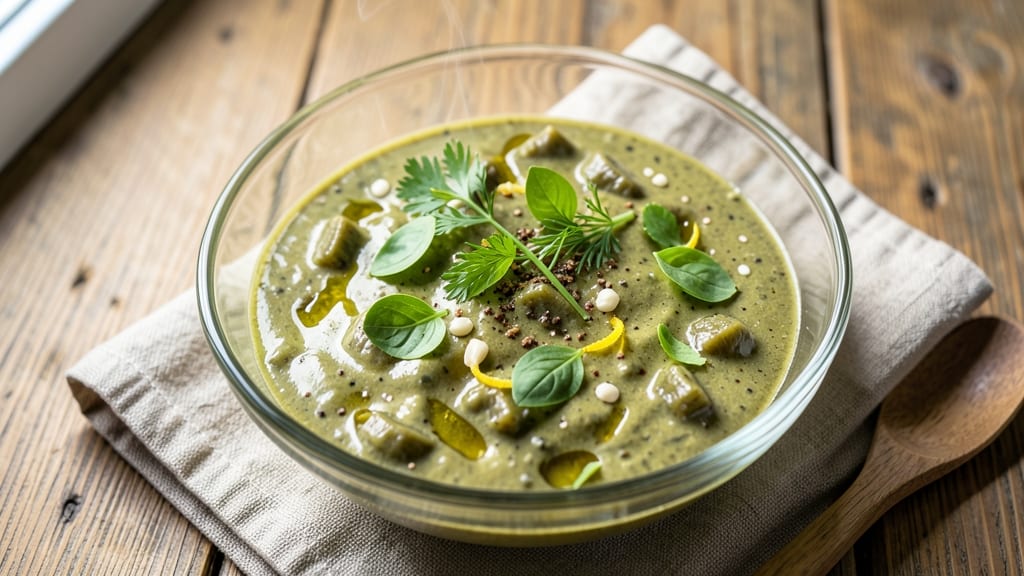
This artichoke salad dressing recipe transforms simple greens into a gourmet experience with its herb-infused tang and earthy artichoke depth. The secret lies in blending jarred artichoke hearts with fresh herbs, garlic, and a touch of Dijon mustard for a creamy yet bright dressing that elevates any salad.
Unlike store-bought versions, this recipe delivers a complex flavor profile that pairs beautifully with grilled vegetables, roasted meats, or even as a marinade.
The dressing comes together in just 10 minutes with pantry staples and a few fresh ingredients, making it perfect for meal prep. The artichoke hearts provide a subtle bitterness that balances the richness of olive oil, while fresh basil and parsley add brightness.
For extra depth, a splash of white wine vinegar ensures the dressing stays tangy and vibrant. This recipe is vegetarian-friendly and works equally well as a dip or marinade.
What sets this dressing apart is its versatility—it works with crisp arugula, hearty kale, or even as a finishing drizzle for roasted potatoes. The texture is creamy yet light, thanks to the artichoke puree, and the herbs keep it fresh for up to 5 days in the fridge.
Whether you're prepping for the week or hosting a dinner, this dressing turns ordinary salads into restaurant-worthy dishes.
For an extra boost, stir in a spoonful of lemon juice before serving to enhance the tang. Pair it with grilled chicken, shrimp, or simply toss it with mixed greens for a refreshing meal. The dressing’s earthy notes make it a standout, proving that homemade always tastes better.
Ingredients for artichoke salad dressing
Nine simple ingredients blend into a creamy dressing with artichoke depth and herb brightness.
| Ingredient | Amount | Notes |
|---|---|---|
| Jarred Artichoke Hearts 🍃 | 1 cup | Drained, rinsed, and chopped |
| Extra-Virgin Olive Oil 🫒 | ½ cup | High-quality, fruity variety |
| Fresh Basil Leaves 🌿 | ½ cup | Packed, stems removed |
| Fresh Parsley Leaves 🌿 | ¼ cup | Packed, stems removed |
| Garlic Cloves 🧄 | 2 cloves | Peeled and minced |
| Dijon Mustard 🍯 | 1 tbsp | Mild or strong, as preferred |
| White Wine Vinegar 🍷 | 2 tbsp | Dry variety preferred |
| Lemon Juice 🍋 | 1 tbsp | Freshly squeezed |
| Salt 🧂 | ½ tsp | Sea salt or kosher salt |
| Black Pepper 🌶️ | ¼ tsp | Freshly ground preferred |
The artichoke hearts are the foundation—look for jarred hearts packed in water or brine, not oil. Trader Joe's and Whole Foods carry high-quality options, but any reputable brand works. Fresh herbs make all the difference here: basil and parsley should be vibrant and free of wilting. If you can't find fresh, dried herbs at half the amount will work in a pinch. The garlic should be fresh, not powdered—it adds a depth that powder can't replicate. For the olive oil, avoid light or refined oils—stick to extra-virgin with a noticeable fruity aroma.
No fresh basil? Dried basil at one-third the amount keeps the flavor profile intact, though fresh is ideal. Running low on parsley? Substitute with cilantro or tarragon for a different but complementary taste. White wine vinegar can be swapped for apple cider vinegar or lemon juice if needed, though white wine adds a subtle complexity. The Dijon mustard is non-negotiable for that tangy kick—avoid regular yellow mustard, which lacks depth. For a smoother texture, blend the artichokes before adding other ingredients, but chopping them finely works too.
This dressing keeps beautifully in the fridge for up to 5 days, though it tastes best within the first 3. Store it in an airtight jar with a layer of olive oil on top to preserve freshness. For longer storage, freeze in ice cube trays—thaw and whisk before use. The herbs will lose some vibrancy after freezing, but the flavor remains intact. Double the batch if you're prepping for the week—it's perfect for drizzling over salads, roasted vegetables, or even grilled meats like chicken or shrimp.
Why You'll Love This Recipe
- No-Chop Necessary: I swear by this one—just drain the jarred artichokes, pulse them with the herbs and garlic in a food processor for 10 seconds, then drizzle in the olive oil. That’s it. Even my "I-can’t-find-the-knife" days work.
- Herb-Packed Punch: Between us, the basil and parsley here aren’t just garnish—they’re the stars. The garlic gives it a slow-building warmth, while the artichokes add that briny, meaty depth. It’s the kind of dressing that makes you reach for seconds without even thinking.
- Weeknight Sidekick: This isn’t just for salads. Drizzle it over grilled chicken, toss it with roasted potatoes, or use it as a marinade for shrimp. I’ve even slathered it on toast with a sprinkle of flaky salt—trust me, it’s a vibe.
- Dollar Stretcher: Jarred artichokes last forever in the pantry, and a few sprigs of basil stretch across multiple batches. You’re getting restaurant-quality flavor without the markup. Plus, the olive oil adds richness without breaking the bank—just measure it out and reuse the bottle.
Step-by-step instructions for artichoke salad dressing
This method delivers a velvety dressing with artichoke's signature earthy depth and bright herbal notes.
Prepare the Artichoke Base
Drain and rinse the 1 cup jarred artichoke hearts thoroughly under cold water to remove any brine. Using a food processor fitted with the metal blade, pulse the artichokes until they form a chunky paste with small, pea-sized pieces remaining. This texture ensures you get the artichoke's distinctive flavor without making the dressing too thick.
Transfer the artichoke mixture to a medium bowl. I like to press it through a fine-mesh sieve to remove any large chunks if desired, but leaving some texture adds character. Set aside for now—this is the foundation of your dressing's unique flavor profile.
Blend the Herb and Garlic Mixture
In the same food processor, combine the 0.5 cup fresh basil leaves, 0.25 cup fresh parsley leaves, and 2 cloves garlic cloves. Pulse until the herbs are finely chopped but not completely puréed—you want visible flecks of green that will add visual appeal and freshness to your dressing.
This step is where the dressing gets its vibrant herbal character. I recommend using a high-quality food processor for this—it ensures even chopping without bruising the herbs, which can make the dressing bitter. Transfer the herb mixture to the bowl with the artichoke hearts.
Whisk Together the Wet Ingredients
Add the 0.5 cup extra-virgin olive oil, 2 tbsp white wine vinegar, 1 tbsp lemon juice, 1 tbsp Dijon mustard, 0.5 tsp salt, and 0.25 tsp black pepper to the bowl with the artichoke and herb mixture. Using a whisk, combine everything until fully incorporated and smooth.
The Dijon mustard acts as an emulsifier here, helping to bind the oil and vinegar for a stable dressing. I like to whisk vigorously for about 1-2 minutes to ensure all ingredients are well distributed and the flavors meld together. The dressing should have a thick, creamy consistency at this stage.
Adjust Consistency and Taste
Taste the dressing immediately and adjust the seasoning if needed. I usually find that adding a pinch more salt or a splash of lemon juice brightens the flavors. If the dressing is too thick, gradually whisk in 1-2 teaspoons of water at a time until it reaches your desired consistency—it should coat the back of a spoon but still pour easily.
For the best results, let the dressing sit at room temperature for 10-15 minutes before using. This resting time allows the flavors to fully develop and the dressing to reach its ideal texture. Store any leftovers in an airtight container in the refrigerator for up to 5 days, giving it a gentle shake before each use.
Pro Tips For Making Artichoke Salad Dressing
- Drain and Rinse Hearts: Jarred artichoke hearts come packed in brine or water, and that liquid makes your dressing watery. After draining, give them a quick cold-water rinse—this removes excess salt and any lingering bitterness that’ll muddle the bright flavors of basil and parsley.
- Pulse Garlic, Don’t Mince: I used to finely mince garlic for this dressing, but it turns to paste and overpowers the dish. Instead, pulse 2-3 cloves in a food processor with the basil and parsley—it keeps the texture even and distributes the flavor without dominating.
- Toast the Herbs First: Fresh basil and parsley lose their vibrancy when soaked in oil. Heat a dry skillet over medium-low for 30 seconds, toss in the herbs, and stir until just fragrant (about 10 seconds)—this preserves their color and intensifies their aroma without cooking them to death.
- Blend in Stages: Start by blending the artichokes, garlic, and herbs dry for 10 seconds—this breaks them down enough to emulsify smoothly. Then slowly drizzle in the olive oil while blending; rushing it creates a greasy mess instead of a silky dressing.
Pro cooking tips for perfect results
Emulsification Secrets
The Dijon mustard is the real MVP here—it acts as a natural emulsifier, binding the oil and vinegar for a stable dressing. I’ve found that using mild Dijon (like Maille) gives a smoother texture, while strong Dijon (like Colman’s) adds a deeper, tangier kick.
Whisk vigorously for 1-2 minutes to break down the mustard’s tiny seeds and create that silky consistency. 🌟
Texture Control
For a perfectly balanced dressing, aim for a consistency that coats the back of a spoon but still pours smoothly. If it’s too thick after whisking, add 1 tsp water at a time—I’ve ruined a batch by adding too much too fast, so go slow!
If it’s too thin, stir in 1 tsp extra-virgin olive oil to thicken it back up. The artichoke hearts naturally add body, so don’t over-blend them.
Herb Freshness Matters
Fresh herbs make all the difference—wilted or dried-out basil and parsley will turn your dressing bitter. I always check my herbs by giving them a sniff: if they smell dull, they’re past their prime.
For extra vibrancy, pulse the herbs in the food processor just until finely chopped (not puréed), leaving tiny flecks for texture. This keeps the dressing bright and prevents it from turning muddy.
Flavor Layering
Let the dressing rest for 10-15 minutes before using—this is when the flavors truly meld. I’ve learned the hard way that skipping this step means missing out on the full depth of the artichoke and herbs.
While it rests, the acidity from the vinegar and lemon juice mellows slightly, balancing the earthiness of the artichokes. Taste it again after resting to adjust seasoning if needed.
Artichoke Texture Tips
You can leave the artichokes chunky for a rustic texture or blend them smooth for a velvety finish. I prefer a mix—pulse them in the food processor until they’re mostly broken down but still have a few small pieces.
This adds visual interest and a subtle bite. For an even smoother dressing, press the artichokes through a fine-mesh sieve before mixing with the other ingredients.
Storage Hacks
Store leftovers in an airtight jar with a layer of olive oil on top to preserve freshness. The oil acts as a sealant, preventing oxidation that can make the dressing turn bitter. I’ve kept this dressing for up to 5 days in the fridge with no issues.
For longer storage, freeze it in ice cube trays—just thaw and whisk before using. The texture might separate slightly after freezing, but a quick whisk brings it back together. ❄️
Nutrition facts
Frequently asked questions
Can I use canned artichoke hearts instead of jarred ones?
Yes, you can use canned artichoke hearts, but drain and rinse them thoroughly to remove excess sodium. The texture will be slightly softer than jarred hearts, but the flavor remains rich. For best results, pat them dry with a paper towel before processing to help achieve the right consistency in your dressing.
How do I make this dressing thicker or thinner?
For a thicker dressing, whisk in 1 teaspoon extra-virgin olive oil at a time until you reach your desired consistency. If it's too thick, add 1 teaspoon water gradually while whisking. The artichoke hearts naturally add body, so avoid over-blending them—this keeps the dressing creamy without being gluey.
What can I substitute if I don’t have fresh basil or parsley?
Use dried basil or parsley at one-third the amount (e.g., 1 teaspoon dried for 1 tablespoon fresh). For a different flavor profile, try cilantro or tarragon—both add a unique brightness. If you're out of white wine vinegar, apple cider vinegar or lemon juice work well, though white wine adds a subtle complexity.
Can I make this dressing ahead of time?
This dressing keeps beautifully in the fridge for up to 5 days in an airtight container. For longer storage, freeze it in ice cube trays—thaw and whisk before using. The flavors actually improve slightly as they meld, making it perfect for meal prep. Just give it a gentle shake before serving to re-emulsify if needed.
Why did my dressing separate?
Separation usually happens if the mustard wasn’t whisked enough or if the dressing sat too long without a seal. To fix it, whisk vigorously for 1-2 minutes to re-emulsify. For prevention, always store it in an airtight container with a layer of olive oil on top—this helps maintain stability. If it still separates, just whisk before using.