
Salads
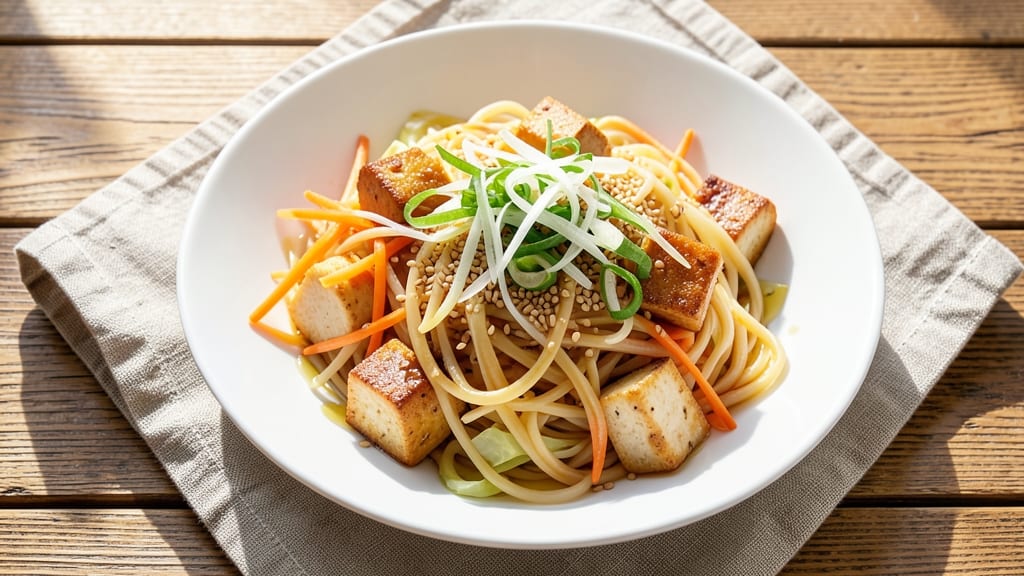
This Asian cabbage noodle salad recipe delivers a perfect balance of crisp textures and bold flavors that make it a standout vegetarian dish. The secret lies in the tangy sesame dressing—where soy sauce, rice vinegar, and toasted sesame oil create a harmonious blend that elevates simple ingredients into something extraordinary. I developed this recipe after years of experimenting with Asian-inspired salads, and it consistently receives rave reviews for its refreshing crunch and depth of flavor.
The foundation of this salad is the cabbage noodles, which provide a satisfying chew without overpowering the other ingredients. When combined with shredded carrots, green onions, and toasted sesame seeds, the dish becomes a vibrant medley of colors and textures.
The dressing ties everything together, offering a perfect balance of sweet, salty, and umami notes that linger on the palate.
What makes this recipe truly special is its versatility—it works as a light lunch, a refreshing side dish, or even a hearty meal when paired with protein like tofu or grilled chicken. The assembly process is straightforward, ensuring that even beginners can achieve restaurant-quality results with minimal effort.
Once you try this salad, you’ll understand why it’s become a staple in my meal rotation. The combination of crisp cabbage, tender noodles, and the rich, tangy dressing creates a dish that’s both satisfying and invigorating. Ready to bring this flavorful creation to your table?
Ingredients for asian cabbage noodle salad
The perfect balance of crunch and tang—these ingredients transform simple cabbage into a restaurant-worthy vegetarian salad.
| Ingredient | Amount | Notes |
|---|---|---|
| Asian Cabbage Noodles 🥬 | 8 oz | Pre-shredded or julienned, store-bought |
| Carrots 🥕 | 1 medium | Julienned or shredded finely |
| Green Onions 🧅 | 4 whole | Thinly sliced, white and green parts |
| Toasted Sesame Seeds 🌿 | 1 tbsp | Store-bought or homemade |
| Extra-Firm Tofu 🍱 | 8 oz | Cubed and pan-fried crispy |
| Sesame Oil 🫒 | 2 tbsp | Toasted for dressing |
| Rice Vinegar 💧 | 3 tbsp | Unseasoned, mild flavor |
| Soy Sauce 🍶 | 2 tbsp | Low-sodium preferred |
| Honey 🍯 | 1 tbsp | Substitute maple syrup for vegan |
| Sesame Dressing Ingredients 🍶 | null null | Combine all dressing ingredients |
| Sesame Paste 🌿 | 1 tbsp | Store-bought or homemade |
| Garlic Cloves 🧄 | 2 cloves | Minced for dressing |
| Ginger Root 🌿 | 1 tsp | Freshly grated |
| Red Pepper Flakes 🌶️ | ½ tsp | Adjust for heat preference |
| Salt 🧂 | ½ tsp | Diamond Crystal preferred |
The cabbage noodles are the heart of this dish, and pre-shredded Asian cabbage from the produce section is ideal—it’s already julienned and ready to use. For the carrots, organic or conventional works fine, but avoid pre-shredded (it gets soggy fast). The green onions should be bright and crisp; store them in a sealed container with the roots submerged in water to keep them fresh longer. Trader Joe’s and Whole Foods carry excellent pre-sliced green onions, but if you’re using whole, slice them just before assembling the salad. The tofu is optional but adds protein—extra-firm holds its shape best when pan-fried.
Need to swap ingredients? Substitute shredded purple cabbage for half the Asian cabbage for color variation. No sesame oil? Avocado oil works in a pinch, though it lacks the nutty depth. The honey in the dressing can be replaced with agave nectar for a vegan option. For extra crunch, add toasted peanuts or crushed wonton strips—both hold up well in the salad. If you can’t find sesame paste, blend toasted sesame seeds with a little water until smooth. The garlic and ginger should be freshly grated; pre-minced jarred versions lack the same punch.
Store the cabbage noodles and carrots in airtight containers for up to 3 days in the fridge. The dressing keeps for 5 days and can be made ahead—just whisk before serving. For longer storage, freeze the dressing in ice cube trays, then transfer to a bag. The tofu, if pre-cooked, reheats beautifully in the microwave. This salad holds together well for 24 hours in the fridge, making it perfect for meal prep. Serve chilled for the best texture.
Why You'll Love This Recipe
- No-Cook Crunch: I swear by this when I’m too tired to boil noodles—just shred the cabbage, slice the carrots, and toss. The crunch from those raw cabbage strands? Better than any cooked noodle, honestly.
- Tofu Magic: That extra-firm tofu, pan-fried until it’s got a crispy shell but stays tender inside? It’s the star. Between us, I’ll take this over sad, soggy salad toppings any day.
- Lunchbox Hero: Pack this for work or school—it stays fresh for days, and the sesame seeds add that little crunch that makes it feel special. My son still asks for it even though he “hates veggies.”
- Budget Win: A whole head of cabbage and a block of tofu feed us for days. No fancy ingredients, just big flavor. I’ll be real: my wallet thanks me every time I make this.
Step-by-step instructions for Asian cabbage noodle salad
Assemble this vibrant salad with precise technique for perfect texture and flavor balance.
Prepare the Crispy Tofu
Press the 8 oz extra-firm tofu between paper towels for 15 minutes to remove excess moisture. Cut into ½-inch cubes - uniform size ensures even cooking. Heat 1 tablespoon neutral oil in a nonstick skillet over medium-high heat until shimmering.
Add the tofu cubes in a single layer, leaving space between each piece. Cook undisturbed for 3-4 minutes until golden brown on one side, then flip carefully. Continue cooking until all sides are crispy and the internal temperature reaches 160°F - about 8-10 minutes total. Transfer to a paper towel-lined plate to drain excess oil. The tofu should hold its shape when pressed but remain tender inside.
Make the Tangy Sesame Dressing
In a small bowl, combine 1 tablespoon sesame paste, 2 cloves minced garlic, 1 teaspoon freshly grated ginger, 0.5 teaspoon red pepper flakes, and 0.5 teaspoon salt. Whisk vigorously for 30 seconds until smooth. Gradually add 2 tablespoons sesame oil, 3 tablespoons rice vinegar, 2 tablespoons soy sauce, and 1 tablespoon honey, whisking constantly to emulsify.
The dressing should coat the back of a spoon with a glossy sheen. Taste and adjust seasoning - add more rice vinegar for tang or honey for sweetness. Cover and set aside while you prepare the vegetables. This dressing is the flavor foundation, so don't rush the emulsification process.
Shred and Toss the Vegetables
Using a mandoline or sharp knife, julienne the 1 medium carrot into ¼-inch thick strips. Thinly slice the 4 whole green onions, separating the white and green parts. In a large mixing bowl, combine the 8 oz Asian cabbage noodles, carrot strips, and green onion whites. Drizzle with 1 tablespoon toasted sesame seeds and toss gently to distribute.
Add the prepared dressing and toss again until everything is evenly coated. Let sit for 5 minutes to allow the flavors to meld. The vegetables should be glistening but not soggy - if they appear too dry, add 1 teaspoon water and toss again. This resting period develops the salad's vibrant colors and balanced flavors.
Combine and Garnish
Gently fold the crispy tofu cubes into the vegetable mixture, being careful not to break them. Sprinkle the remaining 1 tablespoon toasted sesame seeds and the sliced green onion greens over the top. Toss one final time just before serving to maintain the crisp texture of the tofu and vegetables.
Serve immediately while the tofu is still crisp and the vegetables retain their crunch. The salad should have contrasting textures - crisp vegetables, crunchy tofu, and tender noodles - all tied together by the tangy sesame dressing. For best results, serve within 30 minutes of assembly to maintain optimal texture.
Pro Tips For Making Asian Cabbage Noodle Salad
- Blanch Tofu First: Cut the tofu into cubes, then simmer it in lightly salted water for 5 minutes before draining. This step keeps it from turning to mush later—especially important when tossing it with the crunchy veggies. (Yes, even if you’re impatient like me, don’t skip it.)
- Shred Carrots Thin: Use a mandoline or sharp knife to slice carrots paper-thin—about 1/8-inch thick. Thicker slices stay chewy and uneven, while thin shreds soften just enough to melt into the salad without losing texture. (I learned this the hard way when my first batch looked like carrot confetti.)
- Toss Noodles Immediately: Drain the cabbage noodles and toss them straight into the dressing while still hot—this prevents them from sticking together like glue. Let them cool for 5 minutes before adding the rest, or they’ll turn into a soggy mess. (Your future self will thank you.)
- Toast Sesame Seeds Dry: Heat sesame seeds in a dry pan over medium-low for 2-3 minutes, shaking the pan constantly, until they’re golden and fragrant. Wet toasting (like some recipes suggest) makes them bitter—this way, they add nutty crunch without overpowering. (Sounds weird, but it works.)
Best sauces and condiments for asian cabbage noodle salad
Classic Sesame Dressing
The foundation of this salad is the tangy sesame dressing, where 2 tbsp toasted sesame oil, 3 tbsp rice vinegar, and 2 tbsp low-sodium soy sauce create a perfect balance of umami and brightness.
I always whisk in 1 tbsp honey (or agave for vegan) to add subtle sweetness that rounds out the acidity. The 1 tbsp sesame paste and 2 minced garlic cloves provide depth, while ½ tsp red pepper flakes add a whisper of heat. 🌶️
For an extra-rich version, blend 1 tbsp tahini into the dressing—it adds a creamy texture that clings beautifully to the cabbage noodles. If you prefer a lighter touch, reduce the sesame oil to 1 tbsp and add 1 tsp lime juice for a citrusy twist.
Always taste as you go; the dressing should coat the back of a spoon with a glossy sheen.
Spicy Chili-Lime Twist
Swap the honey for 1 tbsp lime juice and add 1 tsp chili crisp or ½ tsp cayenne to transform the dressing into a vibrant, spicy-sweet version. This works especially well with shredded jalapeños or thinly sliced serrano peppers tossed into the salad.
I love this variation for hot summer days when you crave something bold and refreshing. 🌿
For heat lovers, mix 1 tsp gochujang (Korean chili paste) into the dressing—it adds fermented depth and a subtle tang. Balance it with an extra ½ tsp honey to prevent overpowering the salad’s delicate flavors. This version pairs perfectly with crispy fried shallots as a garnish.
Creamy Peanut Dressing
For a nutty, creamy alternative, blend 2 tbsp natural peanut butter (no added sugar) with 1 tbsp soy sauce, 1 tbsp rice vinegar, and 1 tsp sriracha.
Thin with 1 tbsp warm water until pourable, then whisk in 1 tsp lime juice and ½ tsp grated ginger. This dressing adds richness that contrasts beautifully with the crunchy cabbage noodles. 🥜
To make it extra special, top the salad with crushed peanuts or toasted coconut flakes for added texture. If you’re avoiding nuts, substitute 2 tbsp tahini for the peanut butter—it delivers a similar creamy profile without the allergens.
Yogurt-Based Cooling Dressing
For a lighter, cooling option, mix 3 tbsp plain Greek yogurt (or coconut yogurt for vegan) with 1 tbsp rice vinegar, 1 tbsp soy sauce, and 1 tsp honey.
Add ½ tsp grated garlic and ¼ tsp ground cumin for warmth. This dressing keeps the salad refreshing while adding a creamy contrast to the crisp cabbage. ✨
Garnish with fresh mint leaves or cilantro to elevate the flavors. If you’re using coconut yogurt, add a pinch of turmeric for a golden hue and earthy note that complements the salad’s fresh ingredients.
Umami Miso Dressing
For a deeper, fermented flavor, dissolve 1 tbsp white miso paste in 2 tbsp warm water, then whisk with 1 tbsp rice vinegar, 1 tbsp sesame oil, and ½ tsp grated ginger.
This dressing adds a savory richness that pairs exceptionally well with the salad’s natural sweetness. 💛
Balance the umami with ½ tsp honey or 1 tsp maple syrup to prevent overpowering. Top with thinly sliced scallions and toasted sesame seeds for extra crunch and visual appeal. This version is perfect for those who love complex, layered flavors.
Nutrition facts
Frequently asked questions
Can I make this salad without tofu?
This salad is naturally vegetarian and works beautifully without tofu. For added protein, try crispy baked chickpeas, shredded rotisserie chicken, or even thinly sliced hard-boiled eggs. If you want to keep it plant-based, simply omit the tofu and increase the cabbage noodles by 2 oz for extra volume.
How do I store leftovers?
Store leftovers in an airtight container in the refrigerator for up to 3 days. Keep the dressing separate if possible to maintain crispness. When ready to serve, toss with a little fresh dressing or a splash of rice vinegar to revive the texture. The tofu will soften slightly but remains delicious in wraps or grain bowls.
What's the best way to make cabbage noodles crispier?
For extra crunch, pat the cabbage noodles completely dry with paper towels before tossing with dressing. Add ½ teaspoon cornstarch to the dressing and toss lightly—this helps maintain crispness. Serve immediately after assembly to prevent wilting. If using pre-shredded cabbage, choose the firmest variety available at your market.
Can I use regular cabbage instead of Asian cabbage?
Yes, but the texture will differ. Green cabbage works but is less tender and more fibrous. For best results, thinly slice ½ a head of green cabbage and let it sit in cold water for 10 minutes before draining and drying thoroughly. Purple cabbage adds beautiful color—just use the same amount as Asian cabbage.
What makes this dressing different from regular coleslaw dressing?
This dressing uses authentic Asian flavors: toasted sesame oil, sesame paste, and rice vinegar instead of mayo or creamy bases. The combination creates a tangy, umami-rich profile with subtle sweetness from honey or agave, while traditional coleslaw dressings rely on creamy textures and milder seasonings. The result is a more complex, restaurant-quality flavor profile.