
Salads
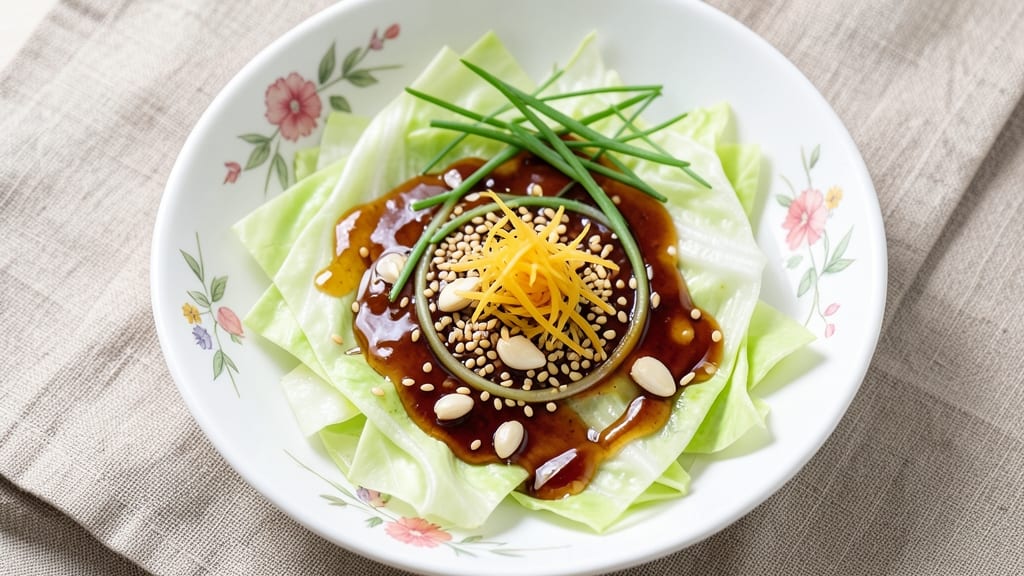
This Asian cabbage salad dressing recipe delivers the perfect balance of sesame-ginger zing and umami depth to elevate any dish. The secret lies in a simple yet sophisticated blend of rice vinegar, soy sauce, and toasted sesame oil that transforms basic cabbage into a flavor sensation.
What makes this dressing truly special is its versatility—it works as a vibrant salad dressing, a dipping sauce for spring rolls, or even a marinade for grilled proteins.
The foundation of this dressing is a harmonious marriage of tangy rice vinegar and salty soy sauce, brightened with fresh ginger and garlic. Toasted sesame oil adds nutty richness, while a touch of honey or sugar balances the flavors with subtle sweetness.
The result is a dressing that's both complex and easy to make, requiring just minutes of prep time with pantry staples you likely already have on hand.
What you'll achieve is a dressing that's vibrant, aromatic, and packed with layers of flavor—perfect for cutting through the crisp texture of cabbage or adding depth to other vegetables. The sesame-ginger notes create a bright contrast that makes every bite feel fresh and exciting.
This dressing is also incredibly adaptable, so you can adjust the sweetness or heat to suit your taste preferences.
Whether you're preparing a quick weeknight salad or getting ready for a meal prep session, this dressing will become a staple in your kitchen. It keeps well in the refrigerator for up to a week, making it an ideal make-ahead option.
Let's dive into the ingredients and instructions to bring this flavorful dressing to life.
Ingredients for asian cabbage salad dressing
Nine pantry staples blend into a dressing that transforms simple cabbage into a flavor sensation.
| Ingredient | Amount | Notes |
|---|---|---|
| Rice Vinegar 🍶 | ½ cup | Seasoned variety adds depth |
| Soy Sauce 🥢 | ⅓ cup | Low-sodium preferred for balance |
| Toasted Sesame Oil 🫒 | 2 tbsp | High-quality, nutty aroma |
| Fresh Ginger 🧄 | 2 tbsp | Finely grated, fresh preferred |
| Garlic Cloves 🧄 | 3 cloves | Minced, fresh for best flavor |
| Honey 🍯 | 2 tbsp | Or maple syrup for vegan option |
| Sesame Seeds 🌾 | 1 tbsp | Toasted lightly for extra crunch |
| Red Pepper Flakes 🌶️ | ½ tsp | Adjust for spice preference |
| Salt 🧂 | ½ tsp | Kosher or sea salt |
| Black Pepper 🌶️ | ¼ tsp | Freshly ground preferred |
The sesame oil is non-negotiable here—Kirkland Signature or La Tourangelle are my go-tos, but any toasted sesame oil works. Grab the seasoned rice vinegar from the Asian aisle—it's sweeter and adds instant depth. Fresh ginger is best, but if you're using dried, double the amount. The garlic should be minced, not chopped—smaller pieces mean more flavor. For the soy sauce, Kikkoman is reliable, but any good-quality brand will do. Toast the sesame seeds in a dry pan for 30 seconds—they'll smell amazing and add texture to the dressing.
No sesame oil? Avocado oil at half the amount works in a pinch, but it won't have that nutty aroma. Short on honey? Maple syrup or agave are perfect swaps. The dressing can be made spicier with extra red pepper flakes or milder with a pinch of sugar. If you're using pre-minced garlic from a jar, rinse it first to remove excess oil. The dressing tastes even better the next day as the flavors meld—make extra if you're using it for meal prep.
This dressing keeps for up to 1 week in the fridge, sealed in a jar. The sesame oil will separate, so give it a good shake before using. For longer storage, transfer to an airtight container and freeze for up to 3 months. Thaw in the fridge overnight. If the dressing thickens, just add a splash of water or rice vinegar to loosen it up. It's perfect for cabbage, but also works as a marinade for grilled chicken or tofu—just toss it with your protein and let it sit for 20 minutes.
Why You'll Love This Recipe
- Five-Ingredient Magic: I swear by this combo—garlic and ginger sizzling in sesame oil, then just a splash of rice vinegar and soy sauce. It’s the kind of dressing that makes you pause mid-bite and go, "Wait, how is this so good?" No fancy techniques, just raw flavor that hits all the right notes.
- No-Brainer Prep: Honestly, this takes less time than deciding what to eat. Mince the garlic and ginger (or use pre-grated if you’re really lazy), toss everything in a bowl, and stir. That’s it. Even my college-dorm microwave version worked—just don’t tell anyone.
- Leftover Hero: This dressing keeps for a week in the fridge, and it only gets better. Drizzle it over weeknight stir-fries, toss it with cold noodles, or use it to wake up takeout. I’ve even glopped it on grilled cheese (don’t judge). It’s the pantry MVP you didn’t know you needed.
- Budget Brightener: Soy sauce and rice vinegar are cheap, but they punch way above their price. A little sesame oil adds depth without breaking the bank, and fresh ginger? A single root lasts me months. It’s the kind of recipe that makes frugal eating feel indulgent.
Step-by-step instructions for Asian cabbage salad dressing
Here's how to blend bold flavors into a dressing that elevates any cabbage salad.
Toast the Sesame Seeds for Extra Crunch
Heat a dry skillet over medium-low heat and add the 1 tablespoon sesame seeds. Toast them for 2-3 minutes, stirring constantly, until they turn a rich golden brown and release their nutty aroma. Watch closely—they'll burn quickly once they start to darken.
Remove the seeds from heat immediately and transfer them to a small bowl. Let them cool for 5 minutes before grinding lightly with a mortar and pestle or placing them in a spice grinder for 10 seconds. This creates a textured crunch that adds depth to your dressing. Set aside for now—you'll use them later to finish your sauce.
Grate and Mince the Aromatics
Using a fine grater, grate the 2 tablespoons fresh ginger into a small bowl. You should end up with about 2 tablespoons of finely grated ginger—no need to measure again. Set aside the grater and use a sharp knife to mince the 3 cloves garlic into a fine paste. I like to smash the cloves first with the flat side of my knife before mincing to release more flavor.
This step is where the magic happens—fresh ginger and garlic pack serious umami punch. If you're using pre-minced garlic, drain it well to avoid watery dressing. The grated ginger will settle slightly, so don't worry if it looks like more than 2 tablespoons right now.
Combine Wet Ingredients for Balance
In a medium bowl, whisk together the 0.5 cup rice vinegar and 0.33 cup soy sauce. Add the 2 tablespoons honey and whisk until fully dissolved. The mixture should be smooth with no graininess—this is your flavor base. Taste it now before adding the aromatics to check the balance between sweet, salty, and tangy.
Here's the thing—this combination should taste good on its own. If it's too sweet, add a splash more rice vinegar. Too salty? A bit more honey. This is your chance to adjust before committing to the other ingredients. The dressing should taste vibrant and complex, not flat or one-dimensional.
Blend All Ingredients for Perfect Harmony
Add the grated ginger, minced garlic, 2 tablespoons toasted sesame oil, 0.5 teaspoon salt, and 0.25 teaspoon black pepper to the bowl. Whisk vigorously for 1-2 minutes until everything is fully incorporated and the mixture is smooth. The sesame oil will add richness, while the salt and pepper round out the flavors.
Now stir in the lightly ground sesame seeds. These aren't just for crunch—they carry the nutty aroma that ties everything together. For an extra kick, add the 0.5 teaspoon red pepper flakes now. Let the dressing sit for 10 minutes at room temperature to allow all the flavors to meld together.
Adjust and Finish to Perfection
After the resting period, taste the dressing again. You might find it needs a bit more balance—perhaps a touch more sweetness, acidity, or heat. Add ingredients 1 teaspoon at a time until you achieve the perfect harmony. The dressing should coat your tongue with layers of umami, sweetness, and a subtle kick.
For the best results, let the dressing sit for another 30 minutes in the refrigerator before using. This allows the flavors to fully develop. When ready to use, give it one final whisk to ensure the sesame seeds are evenly distributed. This dressing will keep in the fridge for up to 1 week, making it perfect for meal prep.
Pro Tips For Making Asian Cabbage Salad Dressing
- MINCE THE GINGER FINE: The first time I skipped this, the dressing tasted like it was missing something—turns out, fresh ginger needs to be finely minced, almost like a paste, to dissolve properly. Use the flat side of your knife to smash it first, then pulse in a food processor for 5 seconds. No, your knife skills won’t cut it here.
- GARLIC: PEEL FIRST, THEN MASH: I used to peel garlic cloves after mincing, and half the time they’d turn to mush in the dressing. Instead, smash the whole cloves with the flat of your knife, peel them, then mince—this keeps them intact longer and prevents that bitter, overcooked garlic flavor. (Yes, even if you’re impatient like me.)
- WHISK IN STAGES: Pouring all the rice vinegar and soy sauce in at once? You’ll end up with a gloppy mess. Start with half the vinegar, whisk until smooth, then add the soy sauce gradually. The sesame oil goes in last—just a drizzle—because it’s heavy and will separate if you mix it too early. Trust me, your dressing will thank you.
- SALT THE GINGER: This isn’t just about flavor—it’s about texture. Sprinkle a pinch of salt over the minced ginger and let it sit for 2 minutes before adding it to the dressing. The salt draws out moisture, making the ginger release its oils more evenly. (Your future self will notice the difference in the first bite.)
Flavor customization for asian cabbage salad dressing
Sweet Heat Balance
Adjust the honey or maple syrup to control sweetness—start with 1 tbsp and add ½ tsp at a time until you hit that perfect balance. For heat lovers, boost the red pepper flakes to 1 tsp or add ½ tsp sriracha for smoky depth.
I like to add 1 tsp lime juice for brightness if the dressing feels too heavy. 🌶️
Umami Boost Options
Need more savory depth? Stir in 1 tsp fish sauce or ½ tsp miso paste for an extra umami punch. For a vegetarian option, use 1 tsp nutritional yeast—it adds a cheesy, savory note.
I’ve also found that ½ tsp white miso blends seamlessly into the dressing without overpowering it.
Citrus Twist Variations
Brighten the dressing with 1 tbsp fresh lime juice or orange zest for a zesty kick. The citrus cuts through the richness of the sesame oil beautifully.
For a tropical twist, add ½ tsp grated lime zest along with the ginger. This works especially well with mango or pineapple in your salad. 🍋
Herb Infusions
Fresh herbs elevate this dressing to new heights. Try 1 tbsp chopped cilantro or thai basil for a fragrant touch. For a more robust flavor, add 1 tsp chopped mint or fresh dill.
I love using cilantro in summer salads—it pairs perfectly with the sesame-ginger notes. Stir in herbs just before serving to keep them vibrant.
Smoky Depth Additions
For a smoky twist, add ½ tsp smoked paprika or a dash of liquid smoke (just ¼ tsp). This works surprisingly well with grilled proteins or roasted vegetables. I’ve also experimented with 1 tsp toasted sesame paste (like tahini) for extra richness and a deeper nutty flavor. 🔥
Dairy Creaminess Option
For a creamy variation, whisk in 2 tbsp coconut milk or Greek yogurt for a tangy texture. This works especially well with heartier salads or as a dip for spring rolls.
If using yogurt, strain it first to remove excess liquid. The creaminess balances the sharpness of the rice vinegar beautifully. 🥛
Nutrition facts
Frequently asked questions
Can I use this dressing on other vegetables besides cabbage?
This dressing works beautifully with shredded carrots, bell peppers, snap peas, or even cucumbers. It also makes an excellent dip for spring rolls, egg rolls, or fresh summer rolls. The sesame-ginger flavor profile pairs well with almost any crisp vegetable.
How long will the dressing keep in the refrigerator?
The dressing stays fresh for up to 1 week when stored in an airtight container. The sesame oil may separate slightly—just give it a good shake before using. For longer storage, freeze it for up to 3 months. Thaw overnight in the fridge for best results.
What can I substitute if I don't have sesame oil?
Use avocado oil or neutral oil like canola, but reduce the amount to 1 tablespoon instead of 2. For authentic flavor, add ½ teaspoon toasted sesame paste (like tahini) if available. The nutty aroma is key to this dressing's character!
Can I make this dressing spicier?
Yes! Increase the red pepper flakes to 1 teaspoon or add ½ teaspoon sriracha for smoky heat. For extra kick, stir in 1 teaspoon fresh chili paste or a pinch of cayenne. Adjust gradually—you can always add more, but you can't take it out!
Is this dressing gluten-free?
Only if you use gluten-free soy sauce (like tamari). Regular soy sauce contains wheat. For a completely gluten-free version, replace it with coconut aminos or tamari. The rest of the ingredients are naturally gluten-free, so this is the only component to check.