Salads
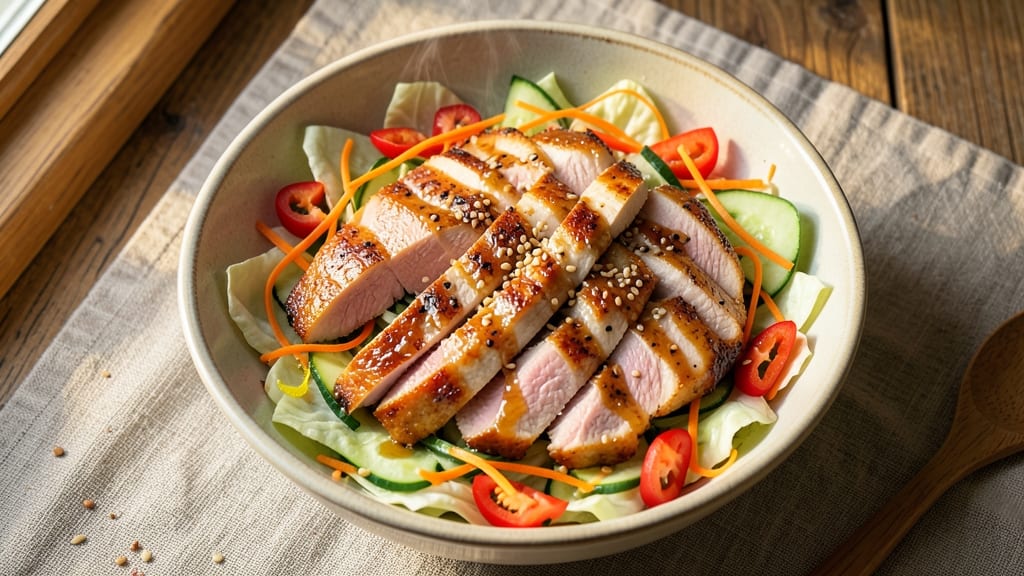
This Asian chopped chicken salad recipe delivers restaurant-quality crunch and bold sesame-ginger flavors in just 20 minutes. I developed it after years of perfecting Asian-inspired salads for my restaurant menu—now you can recreate that same vibrant balance at home.
The secret lies in perfectly cooked chicken, a tangy-sweet dressing, and crisp toppings that stay fresh even after assembly.
The recipe starts with tender, shredded chicken marinated in a sesame-ginger sauce that packs layers of umami and brightness. I use butter lettuce for a crisp base, but any leafy green works—just keep it dry to prevent sogginess.
The real magic happens in the toppings: toasted sesame seeds, sliced almonds, and crunchy cucumbers add texture that holds up perfectly. This isn't just a salad; it's a complete meal with protein, crunch, and bold Asian flavors.
What makes this recipe stand out is how quickly it comes together without sacrificing flavor. The chicken cooks in 15 minutes while you prep the dressing and toppings, then everything gets tossed together in minutes.
The result is a salad that's colorful, satisfying, and packed with that signature Asian restaurant taste—just with fewer calories and no takeout container. Plus, it keeps well for lunch the next day, making it perfect for meal prep.
Serve it as a light lunch or alongside grilled fish for a complete dinner. The dressing can be made ahead, and the chicken stays tender even when reheated.
Whether you're feeding a crowd or packing your own lunch, this salad delivers that perfect balance of crunch, protein, and vibrant flavors every time. Let's get started!
Ingredients for asian chopped chicken salad
Here's what you need to recreate that restaurant-style sesame-ginger crunch at home.
| Ingredient | Amount | Notes |
|---|---|---|
| Boneless, Skinless Chicken Breast 🍗 | 1 ½ lb | Pounded to ¼-inch thickness |
| Butter Lettuce 🥬 | 1 head | Or 10 cups loosely packed |
| English Cucumber 🥒 | 1 whole | Seeded and thinly sliced |
| Red Bell Pepper 🌶️ | 1 whole | Thinly sliced, any color |
| Carrot 🥕 | 1 whole | Julienned or matchstick cut |
| Sesame Seeds 🌰 | 2 tbsp | Toasted for extra crunch |
| Sliced Almonds 🥜 | ¼ cup | Toasted lightly |
| Sesame Oil 🫒 | 2 tbsp | For authentic flavor |
| Soy Sauce 🥄 | 2 tbsp | Low-sodium preferred |
| Rice Vinegar 🍶 | 1 ½ tbsp | White or seasoned |
| Fresh Ginger 🌿 | 1 tbsp | Grated, fresh preferred |
| Honey 🍯 | 1 tbsp | Or maple syrup for vegan |
| Garlic Cloves 🧄 | 2 cloves | Minced for marinade |
| Vegetable Oil 🫒 | 1 tbsp | For cooking chicken |
| Salt 🧂 | 1 tsp | Kosher or sea salt |
The chicken is the star—boneless, skinless breasts work best since they stay tender when shredded. Grab them fresh from Whole Foods or your local butcher if you want the juiciest pieces. I always pound mine to ¼-inch thickness so it cooks fast and even. Butter lettuce is ideal for crispness, but romaine or spinach work too—just dry them well before assembling. The cucumber should be English-style (the long, straight ones) for cleaner slices, but Persian cucumbers work in a pinch if you remove the seeds. Toast your sesame seeds and almonds in a dry pan for 2-3 minutes until fragrant—that extra effort makes all the difference.
No sesame oil? Toasted sesame seeds plus a little peanut oil gets you close. Short on ginger? 1 tsp ground ginger works, but fresh is brighter. The honey can be swapped for maple syrup or agave if you're avoiding sugar. For the soy sauce, coconut aminos works in a bind. The dressing comes together in seconds—just mix everything in a bowl and let it sit for 5 minutes so the flavors meld. If your chicken feels dry after cooking, brush it with a little extra sesame oil before shredding. The toppings? Toast them fresh right before serving so they stay crisp.
This salad tastes even better the next day—honestly, the flavors deepen as everything sits. Store the dressing separately in the fridge for up to 5 days, and keep the toppings in an airtight container for 3 days. The chicken stays tender for 2 days if you keep it covered. Pro tip: Pack the dressing in a small container and toss it with the salad right before eating. The sesame seeds and almonds will soften if stored with the lettuce, so keep them separate until serving. Makes 4 hearty servings—perfect for meal prep!
Why You'll Love This Recipe
- No-Cook Base: I swear by the crunch—just toss shredded carrots, sliced cucumber, and bell pepper with butter lettuce, and you’ve got a fresh foundation that needs zero cooking. Honestly, the hardest part is deciding if I want to chop it all myself or grab pre-shredded veggies to save five minutes.
- Umami-Packed Protein: The chicken gets marinated in soy sauce, sesame oil, and a splash of rice vinegar, then seared until it’s tender with just a hint of crisp. That combo? Chef’s kiss. It’s not dry, not bland—it’s the kind of flavor that makes you eat it straight from the pan (yes, I’ve done it).
- Lunchbox Hero: Between us, this is my go-to for packed lunches or last-minute dinner guests. The dressing—ginger, garlic, and a touch of honey—stays fresh for days, and the salad holds up perfectly. I’ll be real: my kids actually finish their lunches when this is involved.
- Budget Meal Maker: A single chicken breast feeds four, and the veggies stretch across multiple meals. Leftovers? Toss them in a wrap or over rice the next day—no waste, no fuss. Plus, butter lettuce and bell peppers are cheaper than takeout, and way healthier. (My wallet thanks me.)
Step-by-step instructions for Asian chopped chicken salad
Here's how to create a vibrant, crunchy salad with perfectly cooked chicken and bold Asian flavors.
Prepare the Chicken Marinade and Cook
In a small bowl, whisk together the 2 tbsp soy sauce, 1.5 tbsp rice vinegar, 1 tbsp honey, 1 tbsp fresh ginger (grated), and 2 cloves garlic (minced). This marinade packs a punch of umami and sweetness that will transform your chicken.
Place the 1.5 lb boneless, skinless chicken breast between two sheets of plastic wrap and pound it to an even ¼-inch thickness using a meat mallet. This ensures even cooking and juicy results. Add the marinade to the chicken and let it sit for 10 minutes while you prep the vegetables.
Cook the Chicken to Juicy Perfection
Heat 1 tbsp vegetable oil in a large skillet over medium-high heat until shimmering. Add the marinated chicken and cook for 4-5 minutes per side until the internal temperature reaches 165°F and the chicken is golden brown. The edges should pull away cleanly from the pan.
Remove the chicken from the pan and let it rest on a cutting board for 5 minutes before slicing. This resting period allows the juices to redistribute, ensuring every bite stays moist. While it rests, you'll prepare the crisp, fresh vegetables that make this salad shine.
Chop and Prepare All Vegetables
Core the 1 whole English cucumber and slice it thinly into half-moons. Remove the seeds from the cucumber first—this keeps the salad from getting watery. Thinly slice the 1 whole red bell pepper into strips, and julienne the 1 whole carrot into matchsticks.
Separate the leaves from the 1 head butter lettuce and gently wash them in cold water, shaking off any excess moisture. Pat them dry with a clean kitchen towel. The lettuce should stay crisp, so avoid squeezing it too hard. Keep all your chopped vegetables in separate piles on a large cutting board for easy assembly.
Toast the Crunchy Toppings
In a dry skillet over medium heat, toast the 0.25 cup sliced almonds for 2-3 minutes until they turn a light golden brown and smell nutty. Watch them closely—they burn quickly. Remove them from the heat and set aside to cool slightly.
In the same skillet, toast the 2 tbsp sesame seeds for 1 minute until they darken slightly and release their rich aroma. Combine the toasted almonds and sesame seeds in a small bowl. These toppings add texture and depth to the salad, balancing the fresh vegetables and tender chicken.
Assemble the Salad and Dress
In a large bowl, combine the sliced chicken, cucumber, red bell pepper, carrot, and lettuce. Drizzle the 2 tbsp sesame oil over the top and gently toss everything together with your hands or tongs. The sesame oil adds a nutty richness that ties all the flavors together.
Divide the salad among 4 plates and sprinkle each serving with the toasted almonds and sesame seeds. Serve immediately while everything is still crisp and vibrant. The contrast of warm, toasted toppings against the cool, fresh vegetables makes this salad truly special.
Pro Tips For Making Asian Chopped Chicken Salad
- COOK CHICKEN TO 165°F: That instant-read thermometer isn’t just for show—chicken breast hits 165°F faster than you think, especially when sliced thin. Pull it when the center reads 160°F, then let it rest 2 minutes before chopping (yes, even if you’re impatient like me). Overcooked chicken turns dry in salads, and no one wants rubbery bites in their crunchy Asian salad.
- SALT THE CUCUMBER: I used to skip salting cucumbers, but they get soggy fast in salads. Toss sliced English cucumbers with ½ teaspoon salt, let sit 10 minutes, then pat dry. This draws out excess water—no one wants a watery salad, especially when you’ve got crisp lettuce and peppers to shine.
- CHOP BELL PEPPER SMALL: Big chunks of red bell pepper scream “amateur salad.” Dice them into ¼-inch pieces—they’ll soften just enough to stay crisp but blend better with the chicken. Pro move: Remove seeds first, or you’ll spend 5 minutes picking them out later.
- REST CHICKEN UNDER FOIL: After cooking, tent the chicken with foil and let it sit 5–10 minutes. This keeps it juicy while you prep the rest—no one wants to chop lettuce while wrestling with a dry, stringy chicken breast. (I learned this the hard way after serving a sad, dry salad.)
Common mistakes when making great asian chopped chicken salad
Overcooking Chicken
The biggest mistake I see is overcooking the chicken, which turns it dry and rubbery. I’ve ruined more salads than I’ll admit by letting the chicken hit 175°F instead of stopping at 165°F. Use a meat thermometer—it’s the only way to be precise.
If you don’t have one, cut into the thickest part: juices should run clear, not pink. Let the chicken rest for 5 minutes after cooking—this keeps it moist when you shred it. 🌡️
Skipping the Rest
This is where most home cooks mess up. Chicken continues cooking even after it leaves the pan, and if you slice it too soon, all the juices will escape. I’ve seen people shred chicken immediately after cooking, and the result?
Dry, sad bites. Always rest it for at least 5 minutes—I usually wait 10 minutes for extra tenderness. Trust me, your salad will thank you.
Wet Lettuce
Nothing kills a crisp salad faster than soggy lettuce. I’ve made this mistake more times than I’d like to admit—using wet lettuce or not drying it properly. Always wash your greens in cold water and pat them dry with a clean towel.
Butter lettuce is my go-to because it’s naturally crisp, but if you use spinach or romaine, make sure it’s bone-dry before assembling. A salad server with holes works wonders for keeping lettuce fresh longer. 🥬
Uneven Chicken Thickness
If your chicken isn’t pounded to an even ¼-inch thickness, some pieces will cook faster than others, leaving you with dry spots.
I’ve had to salvage unevenly cooked chicken by slicing it thinly and hoping for the best—but honestly, it’s better to take the extra 5 minutes to pound it properly. Use a rolling pin or meat mallet for even results. This ensures every bite is juicy and tender.
Over-Tossing the Salad
Tossing the salad too aggressively can bruise the lettuce and make it wilt. I’ve seen people throw salads around like they’re making a smoothie, and the result is a sad, limp mess.
Instead, gently combine the ingredients with tongs or your hands—just enough to mix everything together without crushing the greens. The goal is crunch, not mush. 🥗
Using Old Ingredients
Freshness is key, especially with ingredients like cucumbers and lettuce. I’ve had salads turn watery because I used cucumbers that were past their prime. Always pick crisp, firm produce, and store it properly. Keep lettuce in the fridge in a breathable bag, and cucumbers in the crisper drawer.
If your toppings like sesame seeds or almonds are stale, toast them fresh—they’ll add way more flavor and crunch. 🌰
Nutrition facts
Frequently asked questions
Can I use pre-cooked rotisserie chicken instead of fresh?
Rotisserie chicken works perfectly and saves time. Just shred 1.5 cups of cooked chicken, then toss it with the sesame-ginger dressing while it's still warm. The flavor will meld beautifully with the other ingredients. For extra juiciness, brush the chicken with 1 tsp sesame oil before shredding.
How do I make this salad gluten-free?
Swap the soy sauce for tamari or coconut aminos (both are gluten-free). Check your sesame seeds and almonds for gluten-free labels too—some brands process them in shared facilities. The rest of the recipe is naturally gluten-free, so you'll just need to verify those three ingredients.
What's the best way to store leftovers?
Store the dressing separately in an airtight container for up to 5 days. Keep the toppings (sesame seeds, almonds) in a separate container—they stay crisp best when not mixed with the greens. The chicken and veggies will keep for 2 days in the fridge. When ready to serve, toss everything together and add fresh toppings.
Can I make this salad spicier?
Add ½ tsp red pepper flakes to the dressing or sprinkle 1 tbsp chopped fresh chili (like Thai bird's eye) over the top. For heat lovers, mix 1 tsp sriracha into the dressing. Start with small amounts—Asian flavors can get intense quickly!
What are the best sides to serve with this?
Pair it with steamed jasmine rice or cucumber rolls for a complete meal. For something lighter, try edamame with sea salt or a simple miso soup. The salad's bold flavors work well with mild sides that let it shine.