
Salads
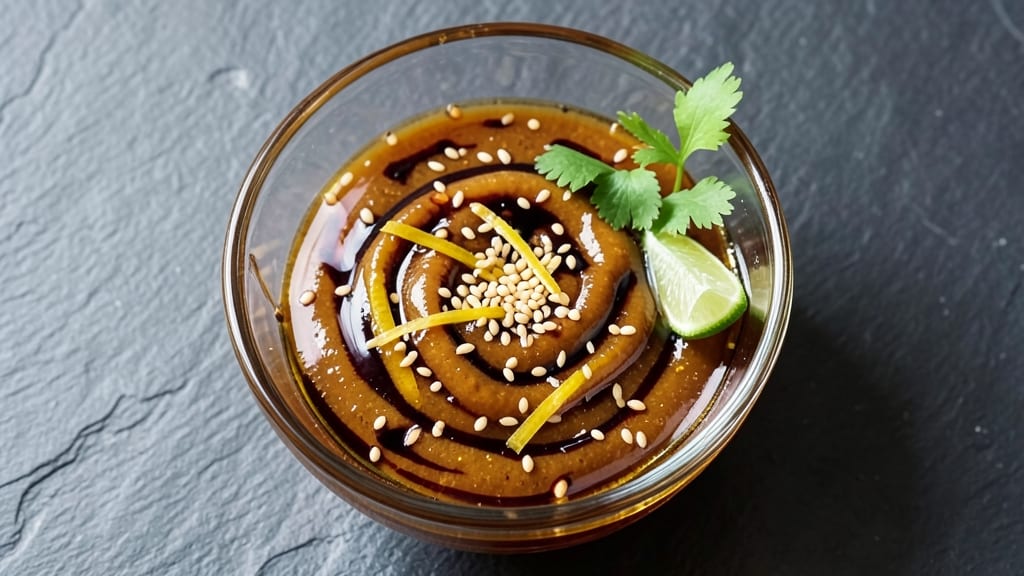
This Asian chopped salad dressing recipe transforms your greens into a vibrant, flavor-packed experience with just five ingredients and under five minutes of prep. The perfect balance of sesame oil's nutty richness, ginger's zing, and rice vinegar's tang creates a dressing that clings beautifully to crisp vegetables and protein.
I developed this after realizing store-bought versions never quite captured that authentic restaurant-quality depth.
The secret lies in the combination of fresh ginger, toasted sesame oil, and a touch of honey or sugar to balance the acidity. Unlike heavy creamy dressings, this light, glossy version enhances rather than overwhelms your salad's natural flavors.
It's the kind of dressing that makes even simple greens taste like they came from a high-end Asian bistro.
What makes this dressing truly special is its versatility—it works equally well with traditional Asian salads or Western-style chopped salads. The ingredients are simple to find, and the preparation is straightforward, yet the result is restaurant-quality. Once you try this, you'll never go back to bottled dressings again.
Store any leftovers in an airtight container in the refrigerator for up to five days, or freeze for longer storage. The flavors actually improve slightly as they meld together, making this an ideal make-ahead dressing for busy weeknights or meal prep sessions.
Ingredients for asian chopped salad dressing
Five simple ingredients create this restaurant-quality dressing that elevates every salad.
| Ingredient | Amount | Notes |
|---|---|---|
| Toasted Sesame Oil 🫒 | ¼ cup | High-quality, nutty aroma preferred |
| Fresh Ginger 🌿 | 2 tbsp | Finely grated, fresh only |
| Rice Vinegar 🍶 | ⅓ cup | Seasoned or unseasoned works |
| Honey 🍯 | 2 tbsp | Light or wildflower preferred |
| Low-Sodium Soy Sauce 🍜 | 1 ½ tbsp | Kikkoman or similar brand |
| Sesame Seeds 🌰 | 1 tbsp | Toasted for extra crunch |
| Garlic Cloves 🧄 | 1 clove | Minced, optional for extra depth |
| Salt 🧂 | ½ tsp | Diamond Crystal preferred |
The sesame oil is non-negotiable—look for toasted varieties at Asian markets or the international aisle. Kadoya or La Choy are solid grocery store options. Fresh ginger is a game-changer; the pre-grated stuff in jars lacks punch. Buy a small knob and grate it fresh—it keeps for weeks in the freezer. For soy sauce, low-sodium is key unless you're craving saltier flavor. The honey should be light and smooth; Manuka or wildflower adds subtle floral notes that work beautifully.
No sesame oil? Avocado oil or peanut oil in a pinch, though the flavor won't be identical. Substitute maple syrup for honey if you prefer vegan (though the texture differs slightly). Fresh lime juice can replace rice vinegar for a brighter tang—just add 1 tbsp. The garlic is optional but recommended for that authentic restaurant kick. If you're making a big batch, double the sesame seeds and store them separately to add just before serving for maximum crunch. For a spicier version, add a dash of sriracha or chili crisp at the end.
This dressing keeps beautifully—up to 2 weeks in the fridge if stored properly. I like to use a small glass jar with a tight lid to preserve the flavors. The sesame seeds will separate, so give it a quick shake before each use. For longer storage, freeze in ice cube trays—thaw and shake to recombine. The flavors actually meld better overnight, so making a big batch for the week is ideal. If it thickens too much, just add a splash of warm water to loosen it up.
Why You'll Love This Recipe
- Five-Ingredient Magic: I swear by this combo—just whisk, no straining, no fuss. The toasted sesame oil adds depth instantly, while the ginger gives that bright, zesty kick without overpowering.
- Sweet-Savory Balance: That honey-soy glaze? It’s the secret weapon. One minute of stirring and you’ve got a dressing that’s tangy, slightly sweet, and packed with umami—no weird aftertaste, just pure flavor.
- Meal Prep MVP: Make a double batch and store it in the fridge for up to a week. Drizzle it over cold noodles, toss with grilled chicken, or even use it as a marinade—it’s that versatile.
- Budget-Friendly Flex: Low-sodium soy sauce and rice vinegar stretch your dollar, and fresh ginger lasts longer than you’d think. Honestly, this dressing costs next to nothing but feels like a restaurant-worthy upgrade.
Step-by-step instructions for sesame-ginger dressing
Here's how to whip up this vibrant dressing that brings bold Asian flavors to any chopped salad.
Toast the Sesame Seeds for Maximum Crunch
Heat a small dry skillet over medium-low heat. Add the 1 tablespoon sesame seeds and toast them for 2-3 minutes, stirring constantly, until they turn a rich golden brown and release their nutty aroma. Watch closely—they'll darken quickly, so don't walk away. Transfer the toasted seeds to a small bowl and set aside to cool completely. This step adds texture and depth that store-bought dressings miss.
The seeds should be fragrant and slightly crisp when cool. If they smell burnt, start over—they'll overpower the delicate balance of flavors in your dressing. I like to keep a small bowl nearby to catch any stray seeds that might jump during toasting.
Grate the Ginger and Minced Garlic
Using a fine grater, grate the 2 tablespoons fresh ginger into a small bowl. You'll want about 1 tablespoon of finely grated ginger—packed tightly. The ginger should look like tiny yellow threads. In the same bowl, add the 1 clove garlic, peeled, and finely mince it using a sharp knife or microplane. This fresh preparation releases the ginger's natural oils and garlic's sharp punch that bottled dressings can't replicate.
Taste the grated ginger—it should be zesty and slightly spicy. If it tastes too mild, you might want to use a bit more. The garlic should smell pungent and fresh. This is your flavor foundation, so take your time getting it just right. I always use a microplane for garlic because it gives me the perfect consistency without any chunks.
Whisk Together Wet Ingredients
In a medium bowl, combine the 0.25 cup toasted sesame oil, 0.33 cup rice vinegar, 2 tablespoons honey, 1.5 tablespoons low-sodium soy sauce, and the grated ginger and garlic. Using a whisk, mix vigorously for 30 seconds until everything is fully incorporated. The mixture should look smooth and slightly thickened from the honey. This combination creates the perfect balance of sweet, tangy, and umami flavors that define Asian dressings.
Taste the mixture at this stage—it should be sweet, tangy, and slightly salty. If it needs more balance, you can adjust by adding a tiny bit more honey for sweetness or a splash more rice vinegar for tang. I usually find this combination spot-on, but everyone's taste buds are different. The sesame oil should be just starting to emulsify with the other ingredients, creating a silky texture.
Add Salt and Toasted Sesame Seeds
Sprinkle in the 0.5 teaspoon salt and whisk again for 10 seconds to dissolve completely. Finally, stir in the toasted sesame seeds with a spoon, reserving a few for garnish if desired. The dressing should now have a beautiful golden hue with visible sesame seeds throughout. This is where all the flavors come together—salty, sweet, tangy, and nutty—creating a dressing that's far more complex than anything you'd find in a bottle.
Give it one final taste. It should be well-balanced with a slight kick from the ginger and garlic, sweetness from the honey, tang from the rice vinegar, and umami from the soy sauce. The sesame oil adds richness and depth. If you want to make it extra special, let it sit for 5 minutes before using—this allows the flavors to meld even more. Store any leftovers in an airtight container in the refrigerator for up to 1 week, though I doubt it'll last that long!
Pro Tips For Making Asian Chopped Salad Dressing
- GRATE THE GINGER SMALL: Fresh ginger loses its punch fast once exposed to air, and this dressing needs it sharp. Use a microplane or the smallest holes on a box grater—no big chunks hiding in your dressing. I learned this the hard way after tasting a batch where I’d roughly chopped it, and the flavor was half as bright.
- WHISK IN STAGES: Dumping all ingredients in at once? You’ll end up with a gloppy mess. Start with the rice vinegar and honey, whisk until smooth, then add soy sauce and sesame oil last—this keeps the dressing from separating. My grandmother swore by this, and she was right: the emulsion stays silky.
- SALT THE SOY SAUCE: Low-sodium soy sauce is already mild, but if your dressing tastes flat, it’s because the salt balance is off. Add a pinch of flaky sea salt or a splash of regular soy sauce—just ½ teaspoon—to cut through the sweetness. Sounds weird, but it works: the contrast makes the flavors pop.
- STORE IT COLD: This dressing won’t last long at room temperature, and the flavors dull fast. Keep it refrigerated in a sealed jar, and give it a quick whisk before using—especially if it’s been sitting overnight. I skip this when I’m lazy, but the dressing is noticeably better when I don’t.
Flavor customization for asian chopped salad dressing
Spicy Kick Version
For a fiery twist, add 1 teaspoon sriracha or ½ teaspoon chili crisp to the dressing after whisking all ingredients together. This adds heat without altering the dressing's silky texture. I like to start with ½ teaspoon and adjust to taste—some chili crisps are much hotter than sriracha.
For extra depth, add ½ teaspoon gochujang (Korean fermented chili paste) along with the sriracha for a smoky-spicy kick. 🌶️
Citrus Brightener
Swap rice vinegar for 2 tablespoons fresh lime juice and reduce the honey to 1 tablespoon for a zesty, bright variation. Add 1 teaspoon lime zest for extra aroma. This version works beautifully with tropical salads like mango, pineapple, or cucumber.
For a sweeter citrus note, use orange juice instead of lime and add ½ teaspoon orange zest. The acidity remains but with a more refreshing, fruity profile.
Creamy Sesame Dressing
For a richer texture, stir in 2 tablespoons tahini or 1 tablespoon mayonnaise after whisking the wet ingredients. This creates a creamy, velvety dressing perfect for heartier salads with protein like grilled chicken or tofu. I recommend using Kadoya tahini for its smooth, nutty flavor.
For a vegan option, use tahini instead of mayo. The dressing will thicken slightly, so add 1 teaspoon water if needed to reach your desired consistency.
Herb-Infused Variations
Add fresh herbs to elevate the dressing's complexity. For a cilantro-lime version, stir in 1 tablespoon chopped cilantro and 1 teaspoon lime juice. For a basil twist, use 1 tablespoon chopped basil and reduce the honey to 1 tablespoon.
For an earthy note, add 1 teaspoon chopped mint and a pinch of ground coriander. These herbs should be added just before serving to preserve their freshness and vibrant color.
Sweet and Smoky
For a smoky-sweet variation, replace the honey with 2 tablespoons maple syrup and add ½ teaspoon liquid smoke (like Elmer's or Traeger brand). This creates a depth reminiscent of Asian barbecue flavors.
For extra smokiness, toast the sesame seeds in a smoker or over a gas flame for 30 seconds before adding them to the dressing. This version pairs beautifully with grilled meats or roasted vegetables.
Nutty Peanut Twist
Replace the sesame oil with ¼ cup peanut oil and add 1 tablespoon creamy peanut butter (like Skippy or Jif) to the wet ingredients. This creates a peanut-sesame fusion dressing with a rich, nutty flavor.
For extra texture, sprinkle in 1 teaspoon crushed peanuts before serving. This variation works wonderfully with salads featuring shredded carrots, bell peppers, and edamame. 🥜
Nutrition facts
Frequently asked questions
Can I make this dressing without sesame oil?
Yes! For a similar nutty flavor, substitute with avocado oil or peanut oil. The texture will be slightly different, but the dressing will still taste delicious. If you want to keep the sesame flavor, try adding 1 teaspoon ground toasted sesame seeds to the wet ingredients instead of using oil.
How long does this dressing keep in the fridge?
This dressing stays fresh for up to 2 weeks when stored in an airtight container in the refrigerator. The flavors actually improve as they meld together! For longer storage, freeze in ice cube trays—thaw and shake to recombine. The sesame seeds may separate, so give it a good stir before using.
What's the best way to adjust the spice level?
Start with the original recipe, then add ½ teaspoon sriracha or ¼ teaspoon chili flakes for mild heat. For extra kick, stir in ½ teaspoon gochujang (Korean chili paste) or a pinch of cayenne pepper. Remember: you can always add more heat, but you can't take it out!
Can I use this dressing on non-salad dishes?
This versatile dressing works beautifully as a marinade for grilled chicken, tofu, or shrimp. It also makes an excellent dipping sauce for spring rolls, dumplings, or fresh spring vegetables. The balance of sweet, tangy, and umami flavors enhances many Asian-inspired dishes beyond just salads.
Why did my dressing separate?
This can happen if the ingredients aren't properly whisked or if the dressing sits too long without stirring. To fix it, whisk vigorously or shake the container to recombine. For future batches, whisk for an extra 10 seconds or add 1 teaspoon water to thin it out slightly. The sesame oil helps emulsify, but a quick shake usually brings it back together!