
Salads
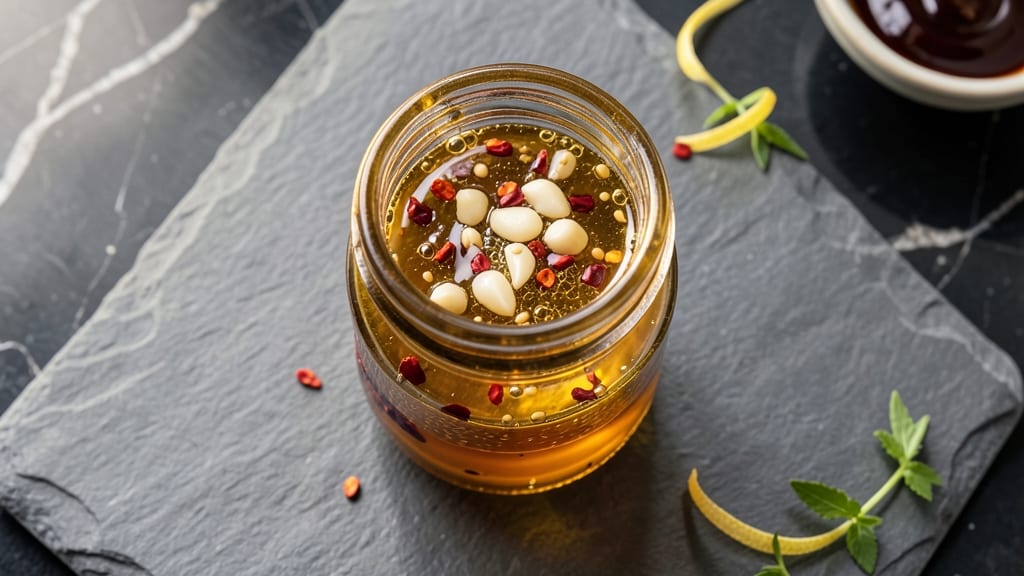
This Asian inspired salad dressing recipe transforms simple greens into vibrant, flavor-packed meals with just five ingredients. The secret lies in balancing sweet, spicy, and tangy notes that elevate any dish from ordinary to extraordinary.
I developed this recipe after years of experimenting with Asian flavors, and it never fails to impress—whether drizzled over salads, bowls, or used as a marinade.
The dressing starts with a rich umami base of soy sauce and sesame oil, then brightens with rice vinegar and a touch of honey for balance. A pinch of red pepper flakes adds subtle heat, while fresh garlic and ginger infuse depth.
The result is a silky, aromatic sauce that clings to every bite, turning even the simplest salad into a restaurant-worthy experience.
What makes this dressing truly special is its versatility—it works equally well on crisp greens, hearty noodle bowls, or grilled proteins. The ingredients are simple, but the flavor profile is complex, delivering layers of taste in every spoonful.
Best of all, it comes together in just minutes, making it perfect for busy weeknights.
Once you try this dressing, you’ll never go back to store-bought versions. Store it in the fridge for up to a week, and adjust the sweetness or spice to suit your taste. Let’s make flavor-packed meals effortless!
Ingredients for asian inspired salad dressing
Five simple ingredients create this umami-packed dressing that transforms salads into restaurant-worthy meals.
| Ingredient | Amount | Notes |
|---|---|---|
| Sesame Oil 🫒 | ¼ cup | Toasted for nutty aroma |
| Rice Vinegar 🍶 | ¼ cup | Unseasoned, mild flavor |
| Soy Sauce 🍜 | ¼ cup | Light or regular preferred |
| Honey 🍯 | 2 tbsp | Wildflower or clover |
| Red Pepper Flakes 🌶️ | 1 tsp | Adjust for desired heat |
| Garlic Cloves 🧄 | 2 cloves | Minced for smooth texture |
| Fresh Ginger 🌿 | 1 tbsp | Finely grated, peel on |
| Sesame Seeds 🌰 | 1 tsp | Toasted for garnish |
| Water 💧 | ½ cup | Adjust for desired consistency |
The sesame oil is non-negotiable here—Kadoya brand from the Asian aisle has the best toasted flavor. Rice vinegar should be unseasoned; the Mizkan brand is my go-to for consistent quality. For soy sauce, Kikkoman is reliable, but any light soy will work. The honey adds balance, so local wildflower honey gives a more complex flavor than processed brands. Fresh ginger and garlic are essential for depth—organic ginger from the produce section stays fresher longer. If you can't find fresh ginger, substitute 1 tsp ground ginger, but the texture won't be as smooth.
No sesame oil? Avocado oil or neutral oil works in a pinch, but the flavor won't be the same. Short on rice vinegar? Apple cider vinegar or lime juice adds tanginess, though the flavor profile shifts slightly. For a sweeter dressing, increase honey to 3 tbsp or add 1 tsp maple syrup. Want more umami? Swap 1 tbsp soy sauce for coconut aminos. The red pepper flakes can be omitted entirely for a mild version, or increase to 1.5 tsp for heat lovers. If your dressing is too thick, add water 1 tbsp at a time until it reaches a pourable consistency.
This dressing keeps beautifully in the fridge for up to 1 week when stored in an airtight jar. The flavors actually deepen over time, making it perfect for meal prep. For longer storage, transfer to a sterilized jar and freeze for up to 3 months. Shake well before each use, especially if it separates. Garnish with toasted sesame seeds right before serving to add crunch and visual appeal. Double the recipe if you're using it for a crowd—it's that good.
Why You'll Love This Recipe
- Five-Ingredient Magic: I swear by this combo—just swirl sesame oil, rice vinegar, soy sauce, honey, and red pepper flakes in a jar. No measuring cups, no fuss, and honestly? It’s the kind of dressing that makes me forget I’m even cooking.
- Umami Bomb: That first drizzle of sesame oil hits different—nutty, toasty, and immediate. The soy sauce deepens it, the honey balances the tang, and the red pepper flakes? They wake up every bite like a little flavor spark.
- Meal Prep MVP: I make a batch on Sundays and toss it in my fridge for the week. It’s my go-to for quick lunches, takeout-style bowls, or even drizzled over grilled chicken. (Yes, even on a Tuesday night when I’m exhausted.)
- Budget Brightener: Rice vinegar and soy sauce are pantry staples, and a little sesame oil goes a long way. I’ve turned $3 of ingredients into enough dressing to dress up three salads—no waste, all flavor. Between us, this is how I stretch my grocery budget.
Step-by-step instructions for Asian-inspired salad dressing
This dressing delivers bold umami depth with perfect harmony of sweet, tangy, and spicy notes.
Toast the Sesame Oil for Nutty Depth
Heat a small saucepan over low heat and add the 0.25 cup sesame oil. Let it warm for 1-2 minutes until you can smell the toasted aroma—this is crucial for developing that authentic nutty flavor. Watch carefully as it warms; you don't want it to smoke or burn. Remove immediately once fragrant and let it cool for 5 minutes. This step transforms ordinary oil into the aromatic foundation of your dressing.
I always toast my sesame oil separately because heating it later with other ingredients can make the dressing too hot for emulsification. The slight cooling period also helps prevent the oil from separating when combined with the vinegar later. If you're short on time, you can skip toasting, but the flavor won't be as complex.
Combine Wet Ingredients for Balanced Flavor
In a medium bowl, whisk together the 0.25 cup rice vinegar, 0.25 cup soy sauce, and 2 tbsp honey until the honey dissolves completely. Add the 0.5 cup water and continue whisking for 30 seconds to ensure everything is fully incorporated. The mixture should be smooth with no visible streaks of honey.
This is where the flavor foundation takes shape. The vinegar provides the tang, soy sauce delivers umami, and honey adds sweetness. The water helps thin the mixture just enough for a pourable consistency. Taste at this stage—you should notice a bright, slightly sweet, and tangy profile. If it's too harsh, add a touch more honey; if too sweet, a splash of vinegar will balance it.
Infuse with Aromatics and Heat
Add the 2 minced garlic cloves, 1 tbsp finely grated ginger, and 1 tsp red pepper flakes to the wet mixture. Whisk vigorously for 1 minute to fully distribute the spices. The garlic and ginger will release their aromatic oils, while the red pepper flakes introduce subtle heat. Let the mixture sit for 5 minutes to allow the flavors to meld.
Here's the thing—don't rush this step. The ginger and garlic need time to infuse properly. If you're sensitive to spice, reduce the red pepper flakes to ½ tsp now. The mixture should smell vibrant, with notes of garlic, ginger, and a hint of vinegar. If it smells flat, you may need to adjust the proportions slightly—more soy sauce for depth, or a splash of vinegar for brightness.
Emulsify with Toasted Sesame Oil
Slowly drizzle in the toasted 0.25 cup sesame oil while whisking continuously. Start with a few drops at a time, then gradually increase to a steady stream. The key is to whisk vigorously as you add the oil—this creates a stable emulsion. Once fully incorporated, the dressing should have a creamy, velvety texture with no separation.
If the dressing starts to look curdled or oily, add 1-2 tablespoons of water and whisk again. The oil should blend smoothly, creating a glossy finish. This is the moment that matters: a proper emulsion means your dressing will coat greens evenly and cling to ingredients. For extra richness, you can add 1 tsp sesame seeds now, but save the rest for garnish later.
Adjust Consistency and Rest Before Serving
Taste the dressing and adjust the balance as needed. For more sweetness, add ½ tbsp honey; for tang, 1 tsp rice vinegar; for saltiness, ½ tbsp soy sauce; or for heat, ¼ tsp red pepper flakes. Thin with 1-2 tablespoons of water if too thick, or reduce slightly over low heat if too runny. Let the dressing rest for 10 minutes before using—this allows the flavors to fully integrate.
This resting period is often overlooked, but it makes a huge difference. The flavors will deepen, and any slight separation will resolve. Store any unused dressing in an airtight container in the refrigerator for up to 5 days. Before serving, give it a quick whisk to re-emulsify. The dressing should be vibrant, with layers of sweet, tangy, umami, and a subtle kick of heat—perfect for drizzling over greens, noodles, or grilled proteins.
Pro Tips For Making Asian Inspired Salad Dressing
- STIR IN ORDER: Start with the honey and soy sauce—this prevents clumping when you add the vinegar later. I learned this the hard way after watching my dressing turn into a grainy mess mid-stir. Once those two are fully dissolved, add the vinegar and sesame oil last so the aroma doesn’t evaporate.
- USE TOASTED SESAME OIL: Swap raw sesame oil for toasted if you have it—it adds depth without overpowering. If you’re using the regular kind, add it after everything else is mixed and whisk just until combined. Too much stirring releases its bitter notes, and you’ll regret it.
- MEASURE THE PEPPER FLAKES: Skip the "pinch" guesswork—use ½ teaspoon red pepper flakes for a mild kick, or double it if you want heat. I used to eyeball it, and half the time, my dressing was either bland or downright spicy enough to clear a room.
- WHISK, DON’T SHAKE: A quick shake in a jar won’t emulsify the honey and vinegar properly—whisk vigorously for 30 seconds to blend it smooth. If it separates later, just give it another stir. (Yes, even if you’re impatient like me.)
Storing and reheating your asian inspired salad dressing
Fridge Storage Basics
Store your dressing in an airtight glass jar (I love Le Parfait 16oz jars) in the fridge for up to 7 days. The glass preserves flavor better than plastic, and the wide mouth makes whisking easy.
Always let the dressing cool completely before sealing—hot dressing creates condensation that can dilute flavors over time. 💧
Freezer Preservation
For longer storage, freeze in ice cube trays (perfect for single servings) or a sterilized mason jar. Portion into 1-tbsp servings to thaw only what you need.
The dressing may thicken slightly after freezing—just whisk with 1 tsp water to restore consistency. I’ve kept mine frozen for 3 months with no quality loss.
Thawing and Reheating
Thaw overnight in the fridge or use the microwave defrost setting for 30 seconds. Never microwave fully frozen dressing—it’ll separate. For reheating, warm in a small saucepan over low heat for 1-2 minutes with 1 tbsp water to prevent burning. The texture should return to silky smooth.
Garnish Before Serving
Always add toasted sesame seeds fresh from the fridge—this adds crunch and visual appeal. I sprinkle ½ tsp per serving right before drizzling. The seeds should be toasted in a dry pan for 30 seconds until golden brown. This step makes all the difference in presentation and texture contrast. ✨
Re-Emulsifying Tips
If your dressing separates after storage, whisk vigorously with 1 tsp water or a splash of rice vinegar. For stubborn separation, place the jar in a bowl of warm water for 2 minutes to gently reheat—this helps the oil reincorporate.
I’ve revived even the most broken emulsions this way. Always taste and adjust seasoning after reheating.
Meal Prep Strategy
Make a double batch on Sunday and store in two jars—one in the fridge, one frozen. This ensures you always have fresh dressing ready. Label jars with the date and a note about any adjustments (like extra honey or heat).
I keep a small jar in my pantry for quick access during the week. The dressing’s versatility makes it perfect for prepping ahead. 📅
Nutrition facts
Frequently asked questions
Can I use this dressing on non-salad dishes?
This dressing works beautifully on grilled chicken, sushi rolls, or as a marinade for tofu or shrimp. The umami-rich profile makes it perfect for noodle bowls or even drizzled over steamed veggies. Just reduce the water slightly if using as a marinade to prevent over-tenderizing proteins.
What if I don't have sesame oil?
You can substitute with avocado oil or neutral oil like canola, but the flavor won't be as authentic. For a closer match, add 1 tsp toasted sesame seeds to the finished dressing. If you're avoiding sesame entirely, try peanut oil for a nutty alternative. The texture will be slightly lighter, but still delicious.
How can I make this dressing spicier?
For extra heat, increase the red pepper flakes to 1.5 tsp or add ½ tsp sriracha or 1 tsp gochujang. If you love fresh heat, stir in 1 tbsp finely chopped Thai chili or a pinch of cayenne pepper. Always taste first—you can adjust later, but you can't take out the heat!
Why did my dressing separate?
Separation happens when oil and vinegar aren't properly emulsified. Whisk in 1 tsp water or rice vinegar and shake vigorously. For stubborn separation, place the jar in warm water for 2 minutes to gently reheat. The key is slow oil addition during mixing—add it drop by drop while whisking continuously.
Can I make this dressing dairy-free and vegan?
Yes! This recipe is already naturally dairy-free and vegan. All ingredients are plant-based, so no substitutions are needed. The honey can be replaced with agave syrup or maple syrup for a vegan version. The dressing maintains its rich umami flavor without any animal products.