
Salads
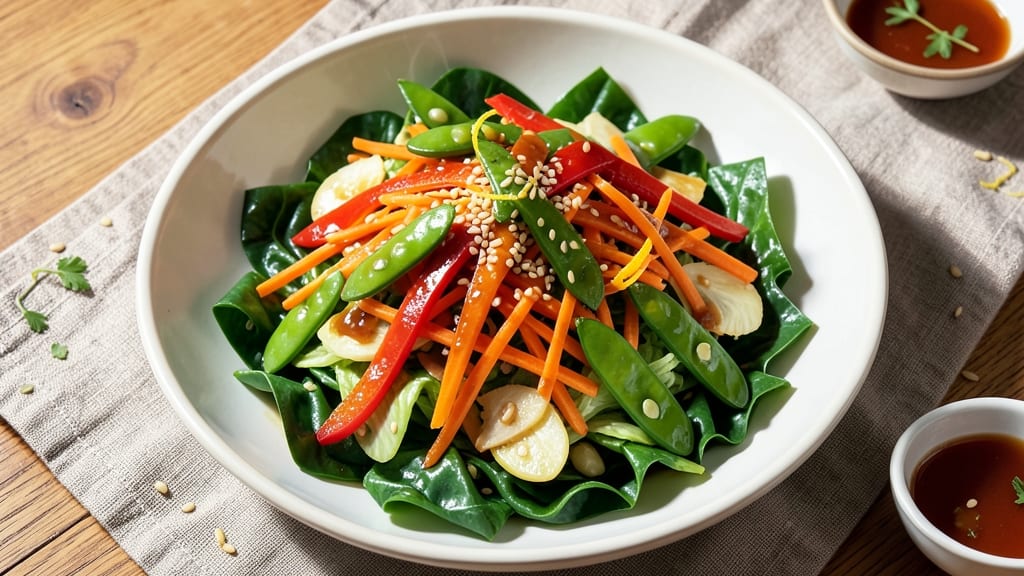
This Asian marinated vegetable salad delivers restaurant-quality umami crunch in just 20 minutes—no fancy equipment required. The secret lies in a tangy soy-lime dressing that transforms ordinary vegetables into vibrant, flavor-packed bites with crisp-tender texture and wok-hei aroma.
I developed this recipe after craving the bold, balanced flavors of Asian street food but wanting something lighter than fried dishes.
The magic happens in the marinade: a perfect balance of salty soy sauce, bright lime juice, aromatic sesame oil, and fresh ginger-garlic paste that penetrates vegetables in minutes.
We'll use quick-pickling techniques to enhance natural sweetness while maintaining crispness, then combine with crunchy cabbage, shaved carrots, and snap peas for texture contrast. The dressing's tangy-sweet profile cuts through rich flavors, making every bite refreshing yet satisfying.
What you'll end up with is a visually stunning salad featuring vibrant colors, crisp-tender vegetables, and a glossy dressing that clings beautifully. The umami depth from soy and sesame oil pairs perfectly with the bright citrus notes, creating complex flavor that's both familiar and exciting.
This dish works equally well as a refreshing main course, side salad, or meal prep solution.
For modern twists, consider adding creamy avocado slices, toasted quinoa for protein, or a chili-lime dressing variation. The recipe scales effortlessly for crowds while maintaining its fresh, vibrant character. Let's create this flavorful, texturally dynamic salad that brings Asian street food flavors to your table with minimal effort.
Ingredients for asian marinated vegetable salad
Here's what you need to create this vibrant, umami-packed Asian marinated vegetable salad with crisp-tender bites.
| Ingredient | Amount | Notes |
|---|---|---|
| Green Cabbage 🥬 | 3 cups | Shredded, outer leaves removed |
| Carrots 🥕 | 2 medium | Julienned or shaved thinly |
| Snap Peas 🌱 | 1 cup | Thinly sliced, fresh or frozen |
| Red Bell Pepper 🌶️ | 1 whole | Thinly sliced, seeds removed |
| Fresh Ginger 🌿 | 1 tbsp | Grated, fresh preferred |
| Garlic Cloves 🧄 | 4 cloves | Minced, fresh preferred |
| Sesame Oil 🫒 | 2 tbsp | Toasted, not flavored |
| Soy Sauce 🍶 | ½ cup | Low-sodium preferred |
| Lime Juice 🍋 | ¼ cup | Freshly squeezed |
| Honey 🍯 | 1 tbsp | Or agave for vegan option |
| Sesame Seeds 🌰 | 1 tbsp | Toasted for garnish |
| Red Chili Flakes 🔥 | ½ tsp | Optional, for heat |
| Rice Vinegar 🍶 | 1 tbsp | For tangy brightness |
| Salt 🧂 | ½ tsp | Kosher or sea salt |
The cabbage and carrots are your texture anchors—look for fresh, crisp heads at the market, not wilted ones. Whole Foods or Trader Joe's usually carry the best quality snap peas and bell peppers. For ginger and garlic, fresh is non-negotiable—dried loses its punch. The soy sauce should be low-sodium unless you're okay with extra saltiness. If you're prepping ahead, store the vegetables separately from the dressing until ready to serve to maintain crispness.
No sesame oil? Toasted peanut oil at half the amount works in a pinch, though it'll lack that nutty aroma. Short on lime juice? Substitute lemon juice, but the flavor won't be quite as bright. The honey can be swapped for agave or maple syrup if you're avoiding refined sugar. For extra crunch, add 1/4 cup toasted cashews—just pulse them briefly in a food processor to keep them chunky. The red chili flakes are optional, but trust me, they add a nice kick without overpowering.
This salad holds up beautifully for 3-4 days in the fridge—just keep the dressing separate until serving. For meal prep, store the vegetables in one container and the dressing in a small jar. When ready to eat, toss everything together and let it marinate for 10 minutes before serving. The flavors actually improve as they sit, so it's perfect for lunches or potlucks. Garnish with toasted sesame seeds right before serving for that restaurant-quality finish.
Why You'll Love This Recipe
- No-Chop Nightmare: I swear, the cabbage only needs a rough shred—no mandoline, no knife frenzy. That crisp snap of raw carrots and bell pepper? Still there, even when I’m distracted.
- Ginger-Zing Kick: Between us, fresh ginger and a splash of rice vinegar turn this salad into a flavor bomb. The snap peas add that sweet crunch, but it’s the ginger’s sharp edge that makes it ridiculously good.
- Lunchbox Hero: Honestly, this keeps for days in the fridge—perfect for packing lunches or tossing with leftover rice. My kids grab it before I do, and that’s saying something.
- Budget Crunch Fix: Green cabbage and carrots stretch forever, and snap peas? Often cheaper than spinach. I make a big batch, and it’s still on the table when I need a quick, cheap side.
Step-by-step instructions for Asian marinated vegetable salad
Here's how to create a vibrant, umami-rich salad that balances crisp textures and bold flavors perfectly.
Prep and Shred All Vegetables
Start by removing any wilted outer leaves from the 3 cups green cabbage and shred it into thin ribbons using a sharp knife or mandoline. I like to work in batches for even shredding—this ensures consistent texture throughout the salad. For the 2 medium carrots, use a julienne peeler or mandoline to create thin, matchstick-like strips. If using frozen snap peas, thaw them first and slice them lengthwise into thin strips for even cooking in the marinade.
Next, slice the 1 whole red bell pepper lengthwise, remove seeds and membranes, then cut into thin strips. The goal is to create uniform pieces that will absorb the marinade evenly. As you prep each vegetable, place them in separate bowls to keep everything organized. This method prevents cross-contamination and makes assembly easier later.
Make the Tangy Soy-Lime Dressing
In a small bowl, whisk together the 0.5 cup soy sauce, 0.25 cup freshly squeezed lime juice, 1 tbsp honey, 1 tbsp rice vinegar, and 0.5 tsp salt until fully combined. The honey helps balance the acidity of the lime while adding subtle sweetness. I always use freshly squeezed lime juice—it makes a noticeable difference in flavor compared to bottled juice.
Next, add the 1 tbsp grated fresh ginger and 4 cloves minced garlic to the dressing mixture. Give it another quick whisk to incorporate these aromatic ingredients. The ginger adds warmth while the garlic provides depth. Let the dressing sit for 5 minutes while you prepare the vegetables—this allows the flavors to meld slightly before coating the veggies.
Marinate the Vegetables
Combine all the prepared vegetables in a large mixing bowl. Pour the dressing over the vegetables and toss gently but thoroughly to ensure everything is evenly coated. I like to use my hands for this step—it helps distribute the dressing more evenly than a spoon. Let the mixture marinate at room temperature for at least 15 minutes, but I prefer 30 minutes for maximum flavor absorption.
During marinating, the vegetables will begin to soften slightly while absorbing the bold flavors. This is where the magic happens—the umami from the soy sauce and garlic, the tang from the lime, and the subtle heat from the chili flakes (if using) all penetrate the vegetables. The longer it marinates, the more vibrant the flavors become.
Toast the Sesame Seeds and Finish
While the vegetables marinate, heat a small dry skillet over medium heat. Add the 1 tbsp sesame seeds and toast them for 1-2 minutes until they turn golden brown and release their nutty aroma. Watch them carefully—they burn quickly. Immediately transfer the toasted seeds to a small bowl to stop the cooking process.
After marinating, taste the vegetables and adjust seasoning if needed. You might want to add a splash more lime juice for brightness or a pinch more salt for depth. Sprinkle the toasted sesame seeds and 0.5 tsp red chili flakes (if using) over the salad just before serving. The contrast of toasty seeds and spicy flakes against the cool, crisp vegetables creates a perfect balance of textures and flavors.
Serve Immediately for Best Results
This salad tastes best when served fresh, so assemble it just before eating. The vegetables should be tender-crisp with vibrant colors and infused with the bold marinade. The dressing should cling to each piece, creating that signature umami crunch. For an extra touch, drizzle with 2 tbsp toasted sesame oil just before serving—this adds another layer of nutty flavor and richness.
This salad makes an excellent side dish for grilled meats or fish, or it can stand alone as a light, flavorful meal. The combination of textures—crisp vegetables, tender snap peas, and juicy cabbage—with the tangy, savory dressing creates a dish that's both satisfying and refreshing. Enjoy it immediately while the flavors are at their peak!
Pro Tips For Making Asian Marinated Vegetable Salad
- SHRED CABBAGE THIN: Thin, even shreds soak up marinade better and stay crisp longer—no soggy salad after 30 minutes. Use a sharp knife or mandoline (yes, it’s worth the splurge for this one) and cut lengthwise into quarters first to avoid the dreaded "cabbage fist" of uneven strips.
- JULIENNE CARROTS FAST: Skip the peeler—just slice off the ends, then cut into 1/4-inch planks lengthwise before slicing into matchsticks. You’ll save time and end up with more uniform pieces that hold their shape in the dressing.
- GINGER GRATE, DON’T CHOP: Fresh ginger loses its punch when chopped—grate it fine (or pulse in a food processor) to release those zesty oils. For extra kick, let it sit in the marinade for 10 minutes before tossing with the veggies.
- MARINATE SEPARATELY: Toss hard veggies (carrots, bell pepper) first, then add delicate ones (cabbage, peas) last—otherwise, your snap peas turn to mush. Wait 15 minutes before mixing everything together for even flavor distribution.
Serving suggestions for this recipe
As a Refreshing Main
Serve this vibrant salad as a light yet satisfying main course by adding a protein boost. I love pairing it with grilled shrimp skewers or seared tofu cubes—both complement the umami flavors beautifully.
For a vegetarian option, toss in ½ cup cooked quinoa or ½ cup edamame for extra substance. The crisp vegetables and tangy dressing create a perfect balance that keeps the meal light yet filling. 🌟
With Grilled Proteins
This salad makes an excellent side for grilled meats and seafood. I often serve it alongside teriyaki-glazed chicken, miso-marinated salmon, or charred flank steak. The dressing's bold flavors cut through rich proteins, creating a harmonious bite.
For extra flair, drizzle the protein with 1 tbsp toasted sesame oil before grilling—it enhances the wok-hei aroma that ties everything together.
As a Meal Prep Base
Prep this salad ahead of time to save effort during the week. Store the marinated vegetables and dressing separately in airtight containers for up to 4 days. When ready to eat, simply combine and toss.
For added convenience, portion the dressing into small jars and keep it in the fridge. This makes it perfect for lunches or potlucks—just assemble and serve. The flavors actually improve as they sit, making it ideal for meal prep. ✨
With Crispy Noodles
For a fusion twist, serve the salad over stir-fried rice noodles or cold soba noodles. Toss the cooked noodles with 1 tbsp extra sesame oil and a pinch of salt, then top with the marinated vegetables.
The noodles add a satisfying chewiness that contrasts beautifully with the salad's crisp textures. Garnish with extra sesame seeds and sliced green onions for freshness.
For Potlucks and Parties
This salad is perfect for gatherings because it's easy to transport and visually stunning. Serve it in a large bowl with a wooden spoon for guests to self-serve. Pair it with spring rolls or egg rolls for an Asian-inspired spread.
The bright colors and bold flavors make it a crowd-pleaser that stands out on any buffet table. 💛
With Dipping Sauces
Offer a small bowl of extra dressing on the side for dipping. For variety, include a spicy sriracha mayo or peanut sauce for guests who want additional flavor options. The contrast of the tangy dressing with creamy dipping sauces adds another layer of enjoyment.
This is especially fun for kids or picky eaters who might prefer a milder option. 🍶
Nutrition facts
Frequently asked questions
Can I use this salad as a vegetarian main dish?
This salad works beautifully as a vegetarian main when you add protein-rich elements. Toss in ½ cup cooked quinoa, ½ cup edamame, or toasted cashews for substance. The crisp vegetables and tangy dressing create a satisfying, balanced meal that's light yet filling.
How do I prevent the vegetables from getting soggy?
Keep the vegetables and dressing separate until serving to maintain crispness. If prepping ahead, store them in airtight containers with paper towels between layers to absorb moisture. Marinate for only 15-20 minutes before serving—longer marinating can soften the vegetables.
What's the best way to add protein without overpowering the salad?
For delicate proteins, try seared tofu cubes or grilled shrimp skewers—both complement the salad's flavors without dominating. Add them just before serving so they stay warm and crisp. For plant-based options, ½ cup cooked chickpeas or avocado slices work beautifully.
Can I make this salad ahead of time?
Yes! Prep the vegetables and dressing separately up to 4 days in advance. Store them in airtight containers in the fridge. When ready to eat, combine and toss—this actually lets the flavors meld better. For best texture, serve within 2 hours of tossing.
What if I don't have fresh ginger or garlic?
Use 1 tsp ground ginger or ½ tsp garlic powder as substitutes, but fresh is preferred for authentic flavor. If unavailable, increase the soy sauce slightly (1 extra tbsp) to compensate for the missing depth. For extra zing, add ½ tsp red pepper flakes to the dressing.