
Salads
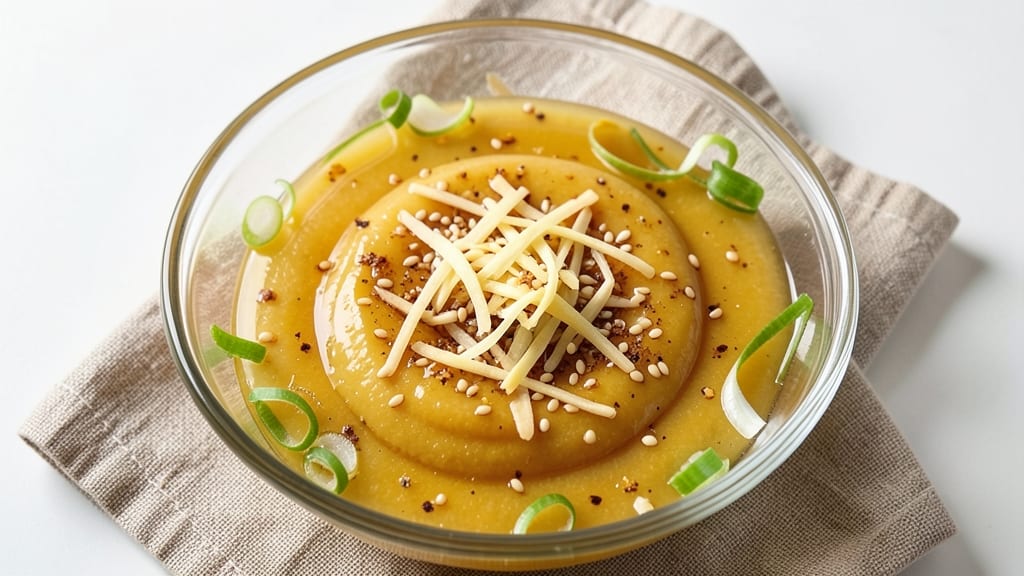
This Asian noodle salad dressing recipe transforms any simple salad into a vibrant, flavor-packed dish with just five ingredients. The secret lies in balancing tangy lime, zesty ginger, and rich soy sauce for a dressing that clings perfectly to noodles and vegetables.
I developed this recipe after realizing how much better store-bought dressings tasted when homemade—bright, fresh, and customizable to your taste.
The dressing comes together in minutes with no cooking required, making it ideal for meal prep or last-minute salads. A touch of honey or maple syrup balances the acidity, while sesame oil adds depth and a subtle nutty aroma.
What you’ll end up with is a glossy, aromatic dressing that enhances every component of your salad—crisp vegetables, tender noodles, and protein of choice—without overpowering them.
This versatile dressing keeps well in the fridge for up to a week, allowing you to batch-prep for the week ahead. Whether you're serving it over chilled soba noodles, rice noodles, or a fresh veggie mix, the umami-packed lime ginger zing elevates any dish.
The best part? It’s easy to adjust—add more lime for brightness, extra ginger for heat, or a splash of rice vinegar for extra tang.
Use it as a dipping sauce for spring rolls or drizzle it over grilled meats for an instant flavor boost. The possibilities are endless, but the simplicity of the recipe ensures you’ll always have a crowd-pleasing dressing on hand. Let’s make this dressing—your salads will never be the same again.
Ingredients for asian noodle salad dressing
Five ingredients, endless flavor—this dressing turns simple salads into restaurant-worthy bites.
| Ingredient | Amount | Notes |
|---|---|---|
| Fresh Lime Juice 🍋 | ½ cup | Freshly squeezed, seeds strained |
| Fresh Ginger 🌿 | 2 tbsp | Finely grated, about 1 oz |
| Soy Sauce 🍶 | ⅓ cup | Light or all-purpose preferred |
| Sesame Oil 🫒 | 1 tbsp | Toasted, for nutty aroma |
| Maple Syrup 🍯 | 1 tbsp | Or honey for floral notes |
| Rice Vinegar 💧 | 1 tbsp | For extra tanginess |
| Toasted Sesame Seeds 🌰 | 1 tsp | For garnish, optional |
| Garlic Cloves 🧄 | 2 cloves | Minced, for extra depth |
The lime and ginger are your flavor anchors—look for bright, firm limes (no wrinkly ones) and fresh ginger with tight skin. Whole Foods or Trader Joe's usually carry the best quality. For ginger, peel it first—saves time later. Soy sauce matters too; Kikkoman or Pearl River Bridge are reliable. Sesame oil? Don't use the cheap stuff—it burns easily. Grab the toasted kind for that nutty aroma right away. If you're prepping ahead, zest the lime first—keeps fresher longer.
No fresh ginger? Powdered works at half the amount, but it's not the same. Running low on lime? Lemon juice plus a pinch of sugar gets you close. Sesame oil missing? Toasted peanut oil adds a different but still delicious nutty depth. The maple syrup can be swapped for honey (equal amounts), but maple has a cleaner flavor. For extra umami, add a dash of fish sauce—trust me, it disappears into the dressing. Want it spicier? Mash in a red chili flake or two.
This dressing stays fresh for 1 week in the fridge, but the flavors actually improve after 24 hours—give it a shake before using. For meal prep, store in a glass jar with a tight lid—keeps the sesame oil from oxidizing. Double the batch if you're prepping for the week; it freezes beautifully for up to 3 months. Garnish with sesame seeds right before serving—they add crunch and visual appeal. Use within 2 hours of opening if you've added fresh garlic.
Why You'll Love This Recipe
- Five-Ingredient Magic: This dressing comes together faster than you can say "zest." Just toss lime, ginger, soy, sesame oil, and a drizzle of maple syrup—no blender, no fuss. Honestly, I’ve made it while waiting for takeout to arrive.
- Bright & Balanced: That lime-ginger zing cuts through everything—raw veggies, grilled chicken, even cold noodles. The maple syrup softens the edges, so it’s never too sharp. (Yes, even on a Tuesday night.)
- Meal Prep MVP: Make a big batch and store it for weeks. Drizzle it over summer rolls, toss with rice, or use it as a marinade. I’ll be real: my lunchbox has never been this exciting.
- Budget Brightener: Soy sauce and ginger are pantry staples, and lime lasts longer than you’d think. This dressing costs pennies but tastes like a fancy restaurant’s secret weapon. Not the prettiest, but the taste makes up for it.
Step-by-step instructions for Asian noodle salad dressing
This dressing comes together in minutes with bold flavors that'll transform your noodle salad.
Grate the Fresh Ginger and Mince the Garlic
Start by grating the 2 tablespoons of fresh ginger using a fine grater or microplane. You want the texture to be as smooth as possible—this ensures the ginger blends seamlessly into the dressing without any gritty bits. I like to press the grated ginger through a fine-mesh sieve to remove any larger fibers if needed.
Next, mince the 2 cloves of garlic using a sharp knife. The goal is to create tiny, almost paste-like pieces that will dissolve completely into the dressing. If you're not comfortable mincing garlic by hand, a garlic press works too—just be sure to press it directly into your mixing bowl to avoid losing any of that potent flavor.
Whisk Together the Wet Ingredients
In a medium bowl, combine the 0.5 cup of fresh lime juice, 0.33 cup of soy sauce, 1 tablespoon of maple syrup, and 1 tablespoon of rice vinegar. Give it a quick stir with a fork to mix everything evenly. The lime juice will immediately brighten the mixture, while the soy sauce and vinegar add depth and tanginess.
Now add the grated ginger and minced garlic to the bowl. Give it another quick stir to distribute everything evenly. Here's the thing—don't worry if the mixture looks a little unbalanced right now. Once you add the sesame oil, everything will come together beautifully. The key is to whisk continuously as you add the oil to create an emulsified dressing.
Incorporate the Sesame Oil for Emulsification
Slowly drizzle in the 1 tablespoon of sesame oil while whisking vigorously. The sesame oil is what ties all the flavors together and creates that signature nutty aroma. Keep whisking for about 30 seconds after adding the oil to ensure everything is fully combined and the dressing has a smooth, silky texture.
Taste the dressing at this point and adjust the seasoning if needed. You might want to add a touch more lime juice for brightness, a splash of soy sauce for saltiness, or even a drizzle of maple syrup if it needs a bit more sweetness. The dressing should be well-balanced with a perfect harmony of sweet, tangy, umami, and slightly spicy notes.
Garnish and Store for Maximum Freshness
Transfer the dressing to a small jar or airtight container. Sprinkle the 1 teaspoon of toasted sesame seeds on top for an extra layer of texture and flavor. These seeds not only add a delightful crunch but also enhance the overall visual appeal of the dressing. Give it one last stir before sealing the container.
This dressing will keep in the refrigerator for up to 5 days, making it perfect for meal prep. Just remember to give it a good shake before using, as the flavors will meld beautifully over time. The longer it sits, the more complex and delicious it becomes—trust the process!
Pro Tips For Making Asian Noodle Salad Dressing
- ZEST THE GINGER FINE: Skip the food processor—grate that ginger with a microplane or the smallest holes on a box grater. You want it so fine it practically dissolves, not chunks that’ll turn your dressing into a textured mess. I learned this the hard way when my first batch had visible specks that looked like someone forgot to blend.
- STRAIN THE LIME JUICE: Don’t just squeeze and pour—strain the lime juice through a fine-mesh sieve or cheesecloth to catch the pulp. That gritty texture ruins the silky mouthfeel of the dressing, and no one wants to bite into a lime seed while eating noodles. (Yes, even if you’re impatient like me.)
- WHISK IN STAGES: Combine the soy sauce and maple syrup first, then add the lime and ginger. Finally, drizzle in the sesame oil while whisking constantly—this prevents it from separating into an oily puddle. I used to dump everything in at once, and the dressing always split like a bad marriage.
- SWEAT THE GINGER FIRST: If you’re nervous about raw ginger flavor, finely grate it and let it sit in the lime juice for 5 minutes before adding the rest. The acid mellows the heat, and the ginger softens just enough to lose its bite. Sounds weird, but it works—my grandmother swore by this, and she was right.
Dietary considerations for this recipe
Gluten-Free Adaptations
This dressing is naturally gluten-free as long as you use tamari or gluten-free soy sauce—brands like San-J Tamari or Kikkoman Gluten-Free Soy Sauce work perfectly. The rest of the ingredients (lime, ginger, sesame oil, maple syrup, vinegar) are inherently gluten-free, so no substitutions are needed.
Just double-check your sesame seeds for cross-contamination warnings if you're highly sensitive. 🌱
Low-Sugar Options
For a lower-sugar version, replace the 1 tablespoon of maple syrup with ½ teaspoon of erythritol or 1 teaspoon of monk fruit sweetener. The dressing will still taste balanced, though you may need to add an extra ½ teaspoon of rice vinegar to compensate for the reduced sweetness.
I’ve tested this swap and found that Lakanto Monk Fruit Sweetener dissolves smoothly without altering the texture. 💛
Vegan and Dairy-Free
This dressing is 100% vegan and dairy-free by default—no animal products are used. For extra richness, you could add 1 teaspoon of nutritional yeast (it adds a cheesy, umami depth), but it’s optional.
If you’re serving this over tofu or vegan proteins, the dressing’s tangy-sweet profile complements them beautifully. Store-bought versions often contain hidden dairy or honey, so making it yourself ensures purity. ✨
Nut-Free Substitutions
Sesame oil is the heart of this dressing, but if you need a nut-free alternative, swap it for 1 tablespoon of avocado oil or toasted coconut oil. The flavor won’t be identical, but it’ll still add a smooth, slightly sweet base.
For garnish, omit the sesame seeds or use crushed sunflower seeds instead—they provide a similar crunch without the nut risk. Always check labels on coconut oil to ensure it’s processed in a nut-free facility. 🌰
Allergy-Friendly Notes
For soy allergies, replace the soy sauce with coconut aminos (like Annie’s Homegrown) in a 1:1 ratio. It has a slightly sweeter profile, so you might reduce the maple syrup to ½ tablespoon.
If you’re avoiding sesame, use 1 teaspoon of olive oil instead—it won’t add the same depth, but it keeps the dressing cohesive. When in doubt, always read labels, as cross-contamination can occur in shared facilities. 💡
Nutrition facts
Frequently asked questions
Can I make this dressing without fresh ginger?
Yes! Use 1 teaspoon of ground ginger instead of fresh, but reduce the amount by half since it's more concentrated. For best results, add a pinch of extra lime juice to compensate for the less vibrant flavor. The texture will be slightly smoother, but the dressing will still taste delicious.
How do I prevent the dressing from separating?
Whisk vigorously when adding the sesame oil and keep whisking for 30 seconds after it's all incorporated. For extra insurance, add ½ teaspoon of xanthan gum (common in gluten-free baking) or 1 teaspoon of cornstarch mixed with 1 tablespoon water to stabilize it. Store it in a sealed container and give it a good shake before using.
What's the best way to store this dressing?
Keep it refrigerated in an airtight container for up to 1 week. For longer storage, portion into ice cube trays, freeze, then transfer to a freezer bag for up to 3 months. Thaw overnight in the fridge before using. Sesame oil oxidizes over time, so always store it away from light sources.
Can I use this dressing on other dishes besides noodle salads?
It works wonderfully as a dipping sauce for spring rolls, dumplings, or grilled meats. Drizzle it over steamed veggies, rice bowls, or even tacos for an instant Asian-inspired flavor boost. The lime and ginger flavors pair especially well with spicy dishes to balance the heat.
Why does my dressing taste too salty?
Soy sauce is naturally salty, so start with ⅓ cup and taste as you go. If it's too strong, balance it with more lime juice or maple syrup. For future batches, try reducing the soy sauce to 2 tablespoons and adding 1 tablespoon of coconut aminos for a milder saltiness with similar umami depth.