
Salads
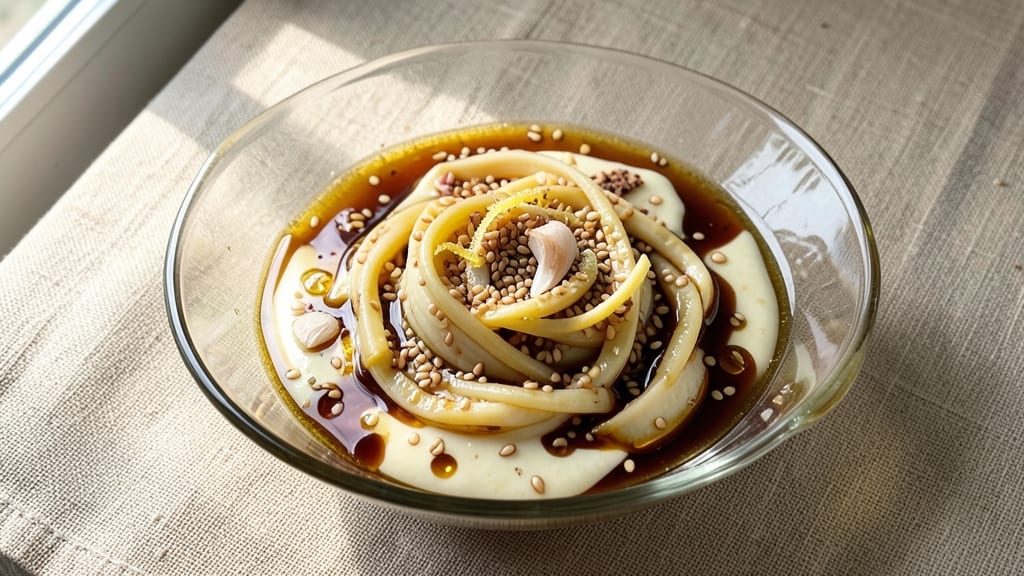
This Asian pasta salad dressing recipe transforms ordinary pasta salads into vibrant, flavor-packed meals with just five simple ingredients. The secret lies in balancing sweet, salty, and umami flavors through soy sauce, sesame oil, and a touch of honey, creating a dressing that clings beautifully to noodles and vegetables.
I developed this after realizing most store-bought dressings fell flat against the textures of Asian-inspired salads—this one delivers depth without overpowering.
The foundation is a classic sesame-ginger base, where toasted sesame oil adds nutty richness and fresh ginger brings zesty brightness. A splash of rice vinegar cuts through the fat while maintaining balance, and a hint of honey or maple syrup rounds out the sweetness.
What makes this dressing special is its versatility—it works equally well with chilled soba noodles, cold rotini, or even as a marinade for grilled proteins.
What you'll end up with is a glossy, aromatic dressing that enhances every bite of your pasta salad, whether you're serving it as a light lunch or a refreshing side dish.
The umami depth from soy sauce and sesame oil elevates simple ingredients, while the ginger adds a refreshing kick that keeps the flavors dynamic. This recipe is your ticket to restaurant-quality Asian pasta salads at home.
Perfect for meal prep, this dressing stays fresh in the fridge for up to a week, making it ideal for batch cooking. Use it on its own or customize with fresh herbs like cilantro or Thai basil for an extra layer of freshness.
Let's create this flavorful dressing that will elevate your salads to new heights.
Ingredients for asian pasta salad dressing
Five ingredients blend into a dressing that turns simple pasta salads into vibrant, restaurant-worthy meals.
| Ingredient | Amount | Notes |
|---|---|---|
| Toasted Sesame Oil 🫒 | ¼ cup | High-quality, nutty aroma |
| Fresh Ginger 🧄 | 2 tbsp | Finely grated, vibrant |
| Rice Vinegar 🍶 | ¼ cup | Mild, aromatic variety |
| Soy Sauce 🥢 | ¼ cup | Light or dark preferred |
| Honey 🍯 | 2 tbsp | Pure, mild-flavored |
| Garlic Cloves 🧄 | 2 cloves | Minced, fresh preferred |
| Sesame Seeds 🌾 | 1 tbsp | Toasted for crunch |
| Salt 🧂 | ½ tsp | Kosher or sea salt |
The sesame oil is non-negotiable here—look for toasted varieties at Asian markets or the international aisle at Whole Foods. Fresh ginger is ideal, but if you're using powdered, double the amount—it's way less potent. For soy sauce, Kikkoman or Pearl River Bridge are my go-tos, but any light or dark will work. The honey should be pure, nothing with additives. I always grab a small jar of Manuka honey for this if I'm feeling fancy, but regular works perfectly fine. Toast your sesame seeds in a dry pan for 30 seconds—they'll smell amazing and add that perfect crunch.
No sesame oil? Avocado oil at half the amount is a decent stand-in, though it won't have the same flavor. Fresh ginger not an option? Ground ginger at one-third the amount, but it's not the same. Running low on rice vinegar? Apple cider vinegar or lime juice works in a pinch, though the flavor will shift slightly. The garlic is optional but adds a nice depth—skip it if you're sensitive to strong flavors. For extra umami, add a splash of fish sauce or coconut aminos (about 1 tsp). If you're making this ahead, store the garlic and ginger separately until ready to use—they'll keep the dressing fresher longer.
This dressing keeps beautifully for 1 week in the fridge, sealed tightly. The flavors actually meld and improve over time, so it's perfect for meal prep. If you want to make a big batch, double the recipe—it freezes well for up to 3 months in an airtight container. Shake well before using, especially if you've separated the sesame oil. I like to drizzle it over chilled soba noodles with shredded carrots and cucumber, but it works on just about any pasta salad. The sesame seeds can be toasted fresh each time you use it for maximum crunch.
Why You'll Love This Recipe
- Five-Ingredient Magic: I swear by this combo—just whisk together toasted sesame oil, fresh ginger, rice vinegar, soy sauce, and honey. No chopping, no fuss, and the balance of salty, sweet, and umami hits every time.
- Umami Bomb: That first drizzle of toasted sesame oil? Instant flavor explosion. The ginger adds a bright zing, while the honey rounds out the soy’s saltiness—it’s the kind of dressing that makes plain pasta taste like a restaurant dish.
- Lunchbox Hero: Between us, this keeps perfectly for days in the fridge. Toss it with cold noodles for a quick office lunch, or pack it in jars for kids’ school lunches—no reheating needed, and it still tastes fresh hours later.
- Budget Brightener: I use this to dress up cheap proteins (rotisserie chicken, canned tuna) or veggies (shredded cabbage, edamame) without breaking the bank. A little goes a long way, and the ingredients? Mostly pantry staples.
Step-by-step instructions for Asian pasta salad dressing
This vibrant sesame-ginger dressing comes together in minutes with bold Asian flavors.
Toast the Sesame Seeds for Crunch
Heat a dry skillet over medium heat and add the 1 tablespoon sesame seeds. Toast them for 1-2 minutes until they turn a rich golden brown and release an intoxicating aroma. Keep a close eye on them—they'll darken quickly. Immediately transfer the toasted seeds to a small bowl and set aside to cool while you prepare the rest of the dressing.
This step is crucial for building texture and depth. The toasted seeds won't just add crunch to your salad—they'll contribute their nutty essence to the entire dressing. If you don't have time to toast them fresh, you can use pre-toasted sesame seeds from the store, but freshly toasted always tastes better.
Grate and Mince the Fresh Ingredients
Using a fine grater, grate the 2 tablespoons fresh ginger until you have about 2 tablespoons of finely grated ginger. Then, mince the 2 cloves garlic into a fine paste—you should end up with about 1 teaspoon of minced garlic. Set these aside in separate small bowls.
Fresh ginger and garlic make all the difference here. The ginger should be vibrant and aromatic, not woody or dried out. If you're using a microplane, you'll get even finer grating which helps distribute the flavor more evenly throughout the dressing. Don't skip this fresh prep—it's what gives this dressing its authentic zing.
Whisk Together the Wet Ingredients
In a medium bowl, combine the 0.25 cup toasted sesame oil, 0.25 cup rice vinegar, 0.25 cup soy sauce, and 2 tablespoons honey. Using a whisk, stir vigorously for 30 seconds until everything is well incorporated. Then add the grated ginger and minced garlic, whisking again for another 20 seconds until fully combined and smooth.
The sesame oil should be high-quality with a strong nutty aroma—this is the foundation of your dressing. If your mixture looks slightly separated at first, don't worry. As you whisk, the oil will emulsify with the other ingredients. This is where the balance of flavors comes together—tangy rice vinegar, salty soy sauce, sweet honey, and the warm, earthy notes of ginger and garlic.
Season and Adjust the Dressing
Add the 0.5 teaspoon salt and the toasted sesame seeds to the bowl. Give everything one final whisk to distribute the seeds evenly. Taste the dressing immediately—this is your chance to adjust the balance. If it needs more sweetness, add a touch more honey. If it's too tangy, a splash of water or a pinch more salt can help. The dressing should be vibrant, slightly sweet, with a nice balance of umami from the soy sauce and fresh ginger bite.
This is where you can really customize it to your taste. I like mine with a bit more ginger zing, so I often add an extra half teaspoon of grated ginger. The dressing should coat the back of a spoon with a glossy sheen—this indicates proper emulsification. If it looks too thin, let it sit for 5 minutes before using, as it will thicken slightly as it cools.
Let It Rest Before Using
Cover the bowl with plastic wrap and let the dressing rest at room temperature for 10-15 minutes. This allows all the flavors to meld together and the texture to stabilize. The longer it rests, the better the flavors will develop—up to 24 hours in the refrigerator if you're making it ahead of time. Give it one final stir before using to ensure the sesame seeds are evenly distributed throughout.
This resting period is often overlooked, but it makes a world of difference. The flavors will deepen and harmonize, creating a dressing that's more complex than if you used it immediately. Store any leftovers in an airtight container in the refrigerator for up to 1 week, shaking well before each use as the sesame seeds tend to settle.
Pro Tips For Making Asian Pasta Salad Dressing
- STRAIN THE GINGER: Fresh ginger’s fibrous texture turns your dressing gritty if you’re not careful. Use a microplane or the fine holes of a box grater, then push through a fine-mesh sieve to catch every last bit of stringy pulp—trust me, your mouth will notice the difference.
- WHISK HOT, COOL FAST: Heat the rice vinegar and soy sauce briefly (just until steaming) before mixing in honey and sesame oil. The warmth helps the honey dissolve smoothly, and letting the mixture cool for 2 minutes before adding the oil prevents it from separating later. I learned this after watching my first batch split like a bad salad dressing.
- SALT THE GINGER: Toss grated ginger with a pinch of salt (about ¼ teaspoon) and let it sit for 5 minutes. This draws out moisture and mellows the sharpness—no need to rinse, just drain. I was skeptical until I tried it, and now I can’t imagine making the dressing without this step.
- USE RAW SESAME OIL: Toasted sesame oil is for finishing, not cooking. If you add it to hot ingredients, the nutty aroma burns off, leaving you with just the oily aftertaste. Stir it in last, right before tossing with the pasta, to keep that deep, toasty flavor intact. This is the thing that matters most for that authentic Asian restaurant taste.
Perfect pairings for this recipe
Salad Pairings
This dressing transforms simple pasta salads into vibrant dishes. Toss it with chilled soba noodles, shredded carrots, cucumber, and edamame for a refreshing Japanese-inspired bowl. I love adding mandarin orange segments for a sweet-tart contrast that balances the ginger's zing. 🥗
Protein Additions
For extra heartiness, stir in grilled shrimp or crispy tofu after tossing with the dressing. The sesame-ginger flavors complement proteins beautifully. If you're making a complete meal, add steamed broccoli florets or sliced bell peppers for crunch and color. The dressing clings perfectly to all ingredients.
Beverage Pairings
Serve your Asian pasta salad with a sparkling jasmine tea to cleanse the palate between bites. For something more substantial, a light lager like Asahi Super Dry or a Sake cocktail with yuzu adds refreshing contrast. Avoid heavy beers—they'll overpower the delicate dressing flavors. 🍶
Global Variations
For a Thai-inspired twist, add 1 teaspoon fish sauce and 1 tablespoon lime juice to the dressing. For a Korean version, swap the honey for 1 tablespoon gochujang and add 1 teaspoon toasted sesame oil. These variations keep the same base technique but offer exciting new flavor profiles.
Dessert Twist
Surprisingly, this dressing works as a glaze for baked apples or grilled pineapple. Brush it lightly over fruit before roasting at 375°F for 20 minutes—the caramelization enhances the ginger and sesame notes. It's a unique dessert that keeps the meal cohesive.
Meal Prep Hack
Double the dressing recipe and store it in two separate containers: one with the seeds toasted in, and one without. When ready to serve, mix them together to keep the seeds crispy. This works perfectly for lunchbox salads—just add the seeds right before eating for maximum crunch. ✨
Nutrition facts
Frequently asked questions
Can I make this dressing without sesame oil?
Yes! Use avocado oil or neutral oil at half the amount (about 2 tablespoons instead of 0.25 cup), but the flavor will be less authentic. For a closer substitute, try toasted peanut oil—it adds a similar nutty depth. The dressing will still work well, just with a different profile.
How do I adjust this for spicier Asian flavors?
Add 1 teaspoon gochujang (Korean chili paste) or ½ teaspoon sriracha for heat, plus ½ teaspoon extra honey to balance. For a Thai-inspired kick, swap in 1 teaspoon fish sauce and 1 tablespoon lime juice instead of rice vinegar. Always taste as you go!
Will this dressing work with cooked pasta or only cold?
This dressing works beautifully with both! For warm pasta, toss it while still hot so the oils emulsify better. For cold pasta salads, chill the dressing for 30 minutes first—it thickens slightly when cold and clings better to noodles. The sesame seeds stay crispy in either case.
Can I use this dressing on non-pasta dishes?
Drizzle it over grilled chicken skewers, steamed veggies, or even rice bowls. It also makes a fantastic marinade for tofu or shrimp—just add 1 tablespoon cornstarch to thicken it first. The umami-sweet balance works in many dishes beyond salads.
Why did my dressing separate?
Separation happens when oil and vinegar aren't properly emulsified. Whisk more vigorously or add 1 teaspoon cornstarch mixed with 1 tablespoon water to thicken it. For a quick fix, shake the dressing in a sealed jar before using. Always use high-quality sesame oil—cheaper versions separate more easily.