
Salads
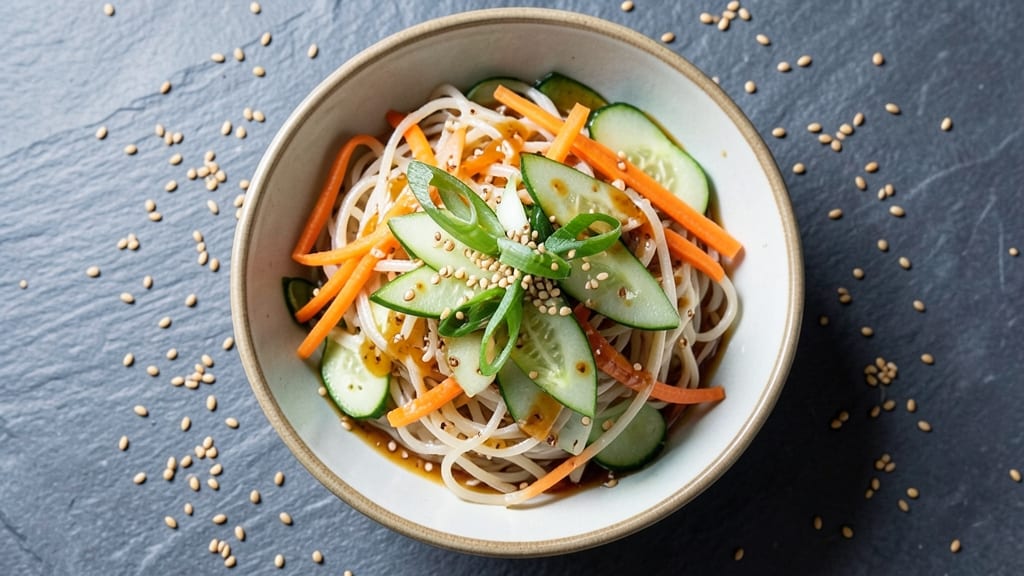
This Asian sesame noodle salad recipe delivers the perfect balance of nutty, tangy, and crunchy flavors in every bite. ✨ The secret lies in a well-balanced dressing of sesame oil, soy sauce, and rice vinegar that coats chewy noodles and fresh vegetables, creating a dish that's both restaurant-quality and easy to prepare at home.
The foundation starts with perfectly cooked noodles—whether you prefer thin rice noodles or chewy wheat noodles—tossed with shredded carrots, cucumber, and green onions for freshness. A simple sesame dressing ties everything together, while toasted sesame seeds and crushed peanuts add that signature crunch that makes this salad irresistible.
What sets this recipe apart is the harmony of flavors: the tangy dressing cuts through the richness of the sesame, while the crunchy topping provides texture contrast. It's a dish that's light yet satisfying, perfect for meal prep or a quick lunch that feels like a special treat.
Whether you're serving it as a main dish or a refreshing side, this sesame noodle salad is versatile enough to pair with grilled proteins or enjoy on its own. The best part? It comes together in just 20 minutes, making it ideal for busy weeknights or weekend gatherings.
Ingredients for asian sesame noodle salad
These fresh ingredients create the perfect nutty-tangy salad with irresistible crunch in every bite.
| Ingredient | Amount | Notes |
|---|---|---|
| Rice Noodles 🍜 | 8 oz | Thin or medium width preferred |
| Carrots 🥕 | 2 medium | Shredded with peeler or grated |
| English Cucumber 🥒 | 1 whole | Seedless, thinly sliced |
| Green Onions 🧅 | 3 whole | Thinly sliced, white and green parts |
| Sesame Oil 🫒 | ¼ cup | Toasted, not cooking oil |
| Rice Vinegar 💧 | ¼ cup | Seasoned preferred |
| Soy Sauce 🍶 | ⅛ cup | Low-sodium preferred |
| Toasted Sesame Seeds 🌾 | 2 tbsp | For garnish |
| Crushed Peanuts 🥜 | ¼ cup | Lightly toasted |
| Sesame Seeds 🌾 | 1 tbsp | Extra for crunch |
| Lime Juice 🍋 | 1 tbsp | Freshly squeezed |
| Honey 🍯 | 1 tbsp | Or agave for vegan option |
| Salt 🧂 | ½ tsp | To taste |
| Black Pepper 🌶️ | ¼ tsp | Freshly ground |
The noodles are your base—rice noodles for that signature chew, but wheat noodles work too. Asian markets have the best selection, but any grocery store carries them. Look for packages labeled 'rice vermicelli' or 'rice stick noodles'. Pro tip: Soak them in hot water for 5-7 minutes until pliable but still firm. Over-soaking makes them mushy. Carrots should be bright orange and crisp—organic or conventional both work, but scrub them well. The cucumber? Seedless English cucumbers from the produce section are your best bet—they're crunchy and don't get soggy.
No toasted sesame oil? Regular sesame oil plus 1 tsp of sesame seeds toasted in a dry pan works in a pinch. Swap soy sauce for tamari or coconut aminos if you're avoiding gluten. The honey adds that perfect touch of sweetness—agave or maple syrup are great vegan swaps. For extra crunch, toasted sunflower seeds make a nice alternative to peanuts. And if you can't find crushed peanuts, chop regular peanuts finely. The lime juice? Fresh is key—bottled just won't cut it here. Taste as you go—this dressing is all about balance.
Store prepped ingredients separately in airtight containers for 3 days in the fridge. The dressing keeps for 1 week, but add fresh lime juice before serving. For meal prep, toss everything together right before eating—noodles get soggy overnight. The crunchy toppings? Keep them in a separate jar and sprinkle fresh when ready to serve. This salad reheats beautifully—30 seconds in the microwave with a splash of water revives it perfectly.
Why You'll Love This Recipe
- No Boil, No Fuss: I just rinse the rice noodles in hot water for 5 minutes—no pot, no mess. The carrots and cucumber stay crunchy while the sesame oil and lime dressing do all the heavy lifting. Honestly, this is the kind of recipe that makes me question why I ever cooked anything complicated.
- Umami Bomb: That first bite? The toasted sesame oil hits like a flavor grenade—nutty, warm, and just a little smoky. The green onions add a sharp kick, while the cucumber’s cool crunch balances everything. It’s the kind of dish that makes you want to eat it straight from the bowl, no fork needed.
- Lunchbox Hero: Between us, this is my go-to for packed lunches or potlucks. It holds up for days in the fridge, and I can toss in whatever’s left in the crisper drawer—bell peppers, edamame, even leftover grilled chicken. My coworkers think I’m a genius when I bring it to the office.
- Budget Win: Sesame oil is cheap, noodles are cheap, and veggies are cheap—this salad costs me pennies per serving. I’ll be real: it’s the kind of recipe that lets me feed my family well without breaking the bank, and the leftovers? Even better the next day.
Step-by-step instructions for Asian sesame noodle salad
This vibrant, nutty-tangy salad comes together in minutes with crisp textures and bold flavors!
👨🍳 Step 1: Prepare the Crunchy Vegetable Mix
Start by shredding the 2 medium carrots using a peeler or fine grater—aim for thin, even strands that'll stay crisp. Transfer them to a large mixing bowl. Next, thinly slice the 1 whole English cucumber (seedless preferred) and the 3 whole green onions (white and green parts separated). Add these to the bowl along with the shredded carrots.
Here's the thing—don't chop the cucumber too small or it'll get soggy. I like to slice it into ¼-inch thick half-moons for maximum crunch. Give everything a gentle toss with your hands to distribute evenly. This prep work sets the foundation for that perfect crisp-tender texture we're after!
🍳 Step 2: Cook the Rice Noodles Just Right
Bring a large pot of water to a rolling boil and add the 8 oz rice noodles. Cook for exactly 3-4 minutes—they should be tender but still holding their shape slightly. Drain immediately in a colander and rinse under cold water for 10 seconds to stop the cooking process.
This quick cooking time is crucial—overcooking makes noodles mushy. I always test one noodle by biting it: it should be soft but still have a slight bite. Transfer the drained noodles to your vegetable mixture and toss gently to combine. Let them cool slightly while you prepare the dressing.
🥘 Step 3: Whisk Up the Nutty-Tangy Dressing
In a small bowl, whisk together the 0.25 cup sesame oil, 0.25 cup rice vinegar, 0.125 cup soy sauce, 1 tbsp lime juice, 1 tbsp honey, 0.5 tsp salt, and 0.25 tsp black pepper. The mixture should look glossy and well-emulsified—this creates that signature silky coating we love in Asian salads.
Here's where it gets fun—taste and adjust! The dressing should balance sweet, salty, and tangy flavors. If it needs more brightness, add another splash of lime juice. If it's too sharp, a tiny bit more honey helps. Pour this dressing over the noodle-vegetable mixture and toss everything together thoroughly.
🔪 Step 4: Assemble with Crunchy Toppings
In a separate small bowl, combine the 0.25 cup crushed peanuts, 2 tbsp toasted sesame seeds, and 1 tbsp sesame seeds. Sprinkle this nutty topping evenly over the noodle salad. The peanuts add satisfying crunch while the sesame seeds bring nutty depth—this is what makes this salad truly special!
Give everything one final toss to distribute the toppings evenly. For serving, I like to mound the salad onto plates and garnish with an extra sprinkle of toasted sesame seeds and crushed peanuts. The contrast of warm, toasted toppings against the cool, fresh vegetables is what makes this salad sing!
⏰ Step 5: Chill and Serve for Best Texture
Cover the salad and refrigerate for at least 15 minutes before serving. This chilling time lets all the flavors meld together perfectly while keeping those vegetables crisp. If you're short on time, serve immediately—but you'll notice the flavors develop more when chilled.
Serve this refreshing salad as a light lunch or side dish. The nutty-tangy dressing pairs beautifully with grilled meats or makes a complete meal on its own. Each bite delivers that perfect balance of textures—crisp vegetables, chewy noodles, and crunchy toppings—all coated in that addictive sesame dressing!
Pro Tips For Making Asian Sesame Noodle Salad
- SOAK NOODLES SEPARATELY: I learned this the hard way—dumping rice noodles straight into boiling water with veggies turns them mushy while the carrots stay raw. Soak them in warm water (not boiling) for 5-7 minutes first, then drain and rinse under cold water to stop cooking. The noodles will hold their bite while the carrots get properly tender.
- JULIENNE CARROTS UNIFORMLY: Thin, even matchsticks cook faster and absorb dressing better than thick slabs. Use a mandoline for precision, or if you’re doing it by hand, cut the carrots lengthwise into quarters first—it’s less work and the sticks stay consistent. No one wants a salad where half the carrots are al dente and the other half are limp.
- DRESS NOODLES BEFORE MIXING: Toss the drained noodles with half the dressing first, then let them sit for 2 minutes. This prevents the noodles from turning soggy when you add the cucumber and green onions later. The extra time also lets the sesame oil mellow out—no more overpowering nutty hit when you take your first bite.
- CHOP CUCUMBER IN HALF: Sounds weird, but it works: slice the English cucumber in half lengthwise, then cut into ½-inch half-moons. This keeps the skin intact (no bitter pith) while giving you more surface area to soak up dressing. Skip the peeling—it’s unnecessary and wastes flavor.
Common mistakes when making your asian sesame noodle salad
Overcooking Noodles
This is the #1 mistake I see—nodding off while the noodles cook turns them into a mushy mess. Rice noodles cook in just 3-4 minutes in boiling water. Set a timer and test one noodle by biting it: it should be soft but still hold its shape.
Overcooked noodles make the whole salad soggy and unappetizing. 🌡️
Skipping the Cold Rinse
After draining, always rinse the noodles under cold water for 10 seconds. This stops the cooking process instantly and prevents them from turning into a gluey disaster.
I learned this the hard way—my first attempt had noodles that stuck together like cement! This quick rinse keeps them separate and ready for tossing.
Using Raw Sesame Oil
Toasted sesame oil is non-negotiable for that authentic nutty flavor. Regular sesame oil (the kind for cooking) tastes flat and chemical-like in dressings. If you only have cooking oil, toast 1 tsp sesame seeds in a dry pan until golden, then grind them into your dressing.
The aroma difference is night and day—your salad will thank you!
Chopping Cucumber Too Small
Tiny cucumber cubes disappear into the salad and turn mushy. Instead, slice into ¼-inch thick half-moons for maximum crunch. The larger surface area maintains texture longer. I like to slice the cucumber last minute—right before assembling—to keep it crisp. This simple adjustment makes all the difference in texture contrast. 🥒
Ignoring the Chill Time
Serving this salad immediately means missing out on flavor development. The 15-minute chill in the fridge lets all components marry together—cooling the noodles, crisping the vegetables, and intensifying the dressing flavors. If you're in a rush, at least let it sit at room temperature for 5 minutes before eating.
Overlooking Topping Freshness
Toasted sesame seeds and crushed peanuts lose their magic if stored too long. Buy them fresh or toast them yourself right before serving. I keep my toppings in a separate jar and sprinkle them on just before eating.
This ensures maximum crunch and prevents the salad from getting soggy from oil absorption. Fresh toppings make all the difference in that satisfying final bite! 🌾
Nutrition facts
Frequently asked questions
Can I use wheat noodles instead of rice noodles?
While rice noodles give that signature chewy texture, wheat noodles like soba or udon work beautifully too. For best results, cook wheat noodles for 2-3 minutes less than package instructions since they hold up better to dressing. Just be sure to rinse them well after cooking to prevent a gummy texture.
How do I make this salad nut-free?
Swap the crushed peanuts for toasted pumpkin seeds or sunflower seeds—they add similar crunch without nuts. For extra flavor, lightly toast the seeds in a dry pan with a pinch of salt until fragrant. You can also omit the seeds entirely and focus on the sesame seeds for nutty flavor without allergens.
Can I make this ahead of time?
Yes, but with one key trick: store the dressing and toppings separately from the noodles and vegetables. Combine everything just before serving to maintain crispness. The dressing keeps for 1 week in the fridge, while prepped veggies stay fresh for 3 days if stored in airtight containers. This makes it perfect for meal prep!
What's the best way to add protein?
For a vegetarian boost, try crispy baked tofu cubes or hard-boiled eggs sliced into quarters. Cook tofu until golden and drain on paper towels for extra crunch. If using eggs, chill them first to prevent dressing from turning cloudy. Add protein just before serving to keep it warm and flavorful.
Why does my dressing separate?
This happens when oil and vinegar aren't properly emulsified. Fix it by whisking vigorously or using a fork to mix while pouring. For extra insurance, add 1 tsp cornstarch mixed with 1 tsp water to the dressing—it helps bind the ingredients. Shake well before each use, or store in a jar and give it a good shake before serving.