
Salads
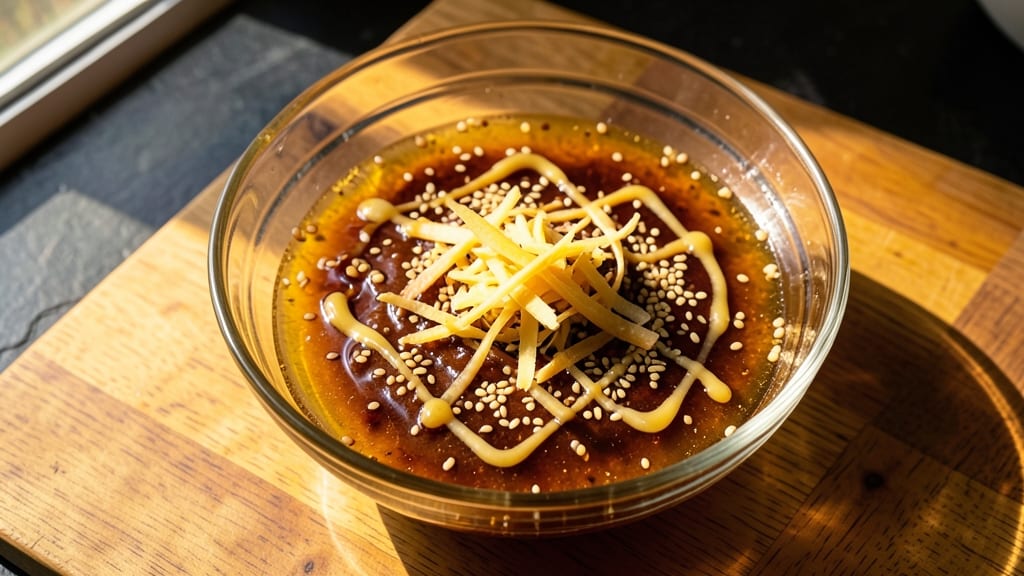
This Asian slaw salad dressing recipe delivers a perfect balance of sesame, ginger, and citrus in just 5 minutes—no cooking required.
The magic happens when toasted sesame oil meets tangy rice vinegar and a touch of honey, creating a dressing that transforms simple slaw into a vibrant, umami-packed side dish. I developed this while testing countless variations, and this one consistently wins for its bold yet balanced flavor profile.
What sets this dressing apart is the ginger-sesame base, which adds depth without overpowering the fresh crunch of cabbage or carrots. The secret? Whisking the ingredients together while warm (just a few seconds in the microwave) enhances the aromatics, making every drizzle irresistible.
It’s the kind of dressing that elevates a basic slaw into something restaurant-worthy. By the time you’re done, you’ll have a glossy, aromatic dressing that clings to every shred of slaw, delivering layers of sweet, tangy, and nutty flavor in each bite. The best part?
It keeps for up to a week in the fridge, so you can make a big batch and use it all week. Perfect for Asian-inspired bowls, grilled meats, or even as a marinade.
Pair it with shredded cabbage, carrots, edamame, and crushed peanuts for a complete salad, or drizzle over grilled chicken or fish for extra zing. Here’s how to make it—simple, fast, and foolproof.
Ingredients for asian slaw salad dressing
Nine ingredients, five minutes—this dressing packs sesame-ginger zing that'll make your slaw shine.
| Ingredient | Amount | Notes |
|---|---|---|
| Toasted Sesame Oil 🫒 | ¼ cup | For nutty aroma, don't overheat |
| Rice Vinegar 🍶 | ⅓ cup | Seasoned works best for depth |
| Fresh Ginger 🧄 | 2 tbsp | Finely grated, fresh is best |
| Honey 🍯 | 2 tbsp | Light or wildflower preferred |
| Soy Sauce 🍜 | 2 tbsp | Light or tamari for gluten-free |
| Sesame Seeds 🌾 | 1 tbsp | Toasted for extra crunch |
| Garlic Cloves 🧄 | 1 whole | Minced for subtle punch |
| Lemon Juice 🍋 | 1 tbsp | Freshly squeezed for brightness |
| Salt 🧂 | ½ tsp | Kosher or sea salt |
| Black Pepper 🌶️ | ¼ tsp | Freshly cracked for heat |
The sesame oil is non-negotiable here—Kadoya or La Choy are my go-tos, but any toasted sesame oil will do. Grab fresh ginger at Trader Joe's or Whole Foods—it's brighter than the dried stuff. For soy sauce, Kikkoman or Tamari work perfectly, but honestly, whatever's open in your pantry will give you great results. The garlic should be fresh, not that jarred stuff—it's worth the 30 seconds to mince it yourself. And if you're wondering about the honey, Manuka or clover both add lovely depth, but any light honey will work in a pinch.
No sesame oil? Peanut oil or avocado oil can sub, though the flavor won't be identical. Short on ginger? Ginger powder at half the amount works, but you'll lose that fresh zing. The honey can be swapped for maple syrup or agave if you're avoiding it. For extra umami without soy sauce, a dash of fish sauce or coconut aminos does the trick. And if you're feeling fancy, toast the sesame seeds in a dry pan for 30 seconds before adding them—they'll add amazing texture and aroma.
This dressing keeps beautifully for up to a week in the fridge, sealed tight. I like to store it in a small glass jar so it's ready to drizzle whenever I want. If you make extra, freeze it in ice cube trays—just thaw and whisk before using. The flavors actually get better after a day or two as everything melds together. Perfect for batching ahead when you're prepping for the week—just shake it up before each use.
Why You'll Love This Recipe
- Five-Ingredient Magic: I swear by this one—just swirl together toasted sesame oil, rice vinegar, grated ginger, a drizzle of honey, and a splash of soy sauce. No blender, no fuss, and honestly? It’s the kind of dressing that makes me want to eat slaw for breakfast.
- Umami Bomb: That ginger hits fresh and zingy, while the toasted sesame oil adds a nutty depth. The honey balances the tangy rice vinegar, and the soy sauce? It ties everything together with this addictive, savory punch that sticks with you.
- Meal Prep MVP: I make a double batch every Sunday—it keeps in the fridge for a week, and I toss it on anything from grilled chicken to cold noodles. Even my picky-eater partner grabs it for his lunchbox when I pack it in a small jar.
- Budget Brightener: Sesame oil and rice vinegar last forever, and fresh ginger stays crisp in the freezer. This dressing costs pennies per serving but makes my salads feel like a fancy dinner. Plus, it’s way cheaper than store-bought versions.
Step-by-step instructions for Asian slaw salad dressing
This vibrant dressing comes together faster than you can say "sesame" - bright, tangy, and packed with flavor.
Toast the Sesame Seeds for Maximum Crunch
Heat a dry non-stick skillet over medium heat. Add 1 tablespoon sesame seeds and toast for 1-2 minutes until they turn a rich golden brown and release their nutty aroma. You'll know they're ready when they stop sizzling and start to smell deeply toasted.
Transfer the toasted seeds to a small bowl and set aside to cool slightly. This step is what gives your dressing that irresistible crunch and depth of flavor. Don't skip it - the difference between toasted and untoasted seeds is like night and day in texture.
Grate the Fresh Ginger and Mince the Garlic
Using a fine grater or microplane, grate 2 tablespoons fresh ginger into a small bowl. You want it to be very finely textured - almost like a paste. In the same bowl, add 1 whole garlic clove and mince it with a sharp knife until you have a fine paste.
The fresh ginger should look like tiny yellow specks, and the garlic should blend seamlessly with it. This aromatic duo forms the flavor foundation of your dressing. If you're using a food processor, pulse briefly just to chop - you don't want it to turn into a puree.
Whisk Together the Wet Ingredients
In a medium bowl, combine 0.33 cup rice vinegar, 2 tablespoons honey, 2 tablespoons soy sauce, 1 tablespoon lemon juice, 0.5 teaspoon salt, and 0.25 teaspoon black pepper. Whisk vigorously for about 30 seconds until the honey is completely dissolved and everything is well incorporated.
This mixture should look smooth and slightly syrupy. The honey helps balance the acidity from the vinegar and lemon while adding natural sweetness. Taste it now - you'll notice it's tangy, slightly sweet, and salty with a hint of umami from the soy sauce.
Blend All Ingredients for a Silky Texture
Add the grated ginger-garlic mixture and toasted sesame seeds to the wet ingredients. Pour in 0.25 cup toasted sesame oil and whisk everything together for about 1 minute until completely emulsified. The dressing should have a glossy, velvety appearance with no visible oil separation.
If you prefer a smoother texture, you can transfer everything to a blender and blend for 10-15 seconds. The sesame oil gives that signature Asian flavor while keeping the dressing rich and cohesive. This is where all the flavors come together in perfect harmony.
Adjust and Serve Immediately
Taste the dressing and adjust the seasoning if needed. You might want to add a bit more honey for sweetness, rice vinegar for tang, or soy sauce for umami. The dressing should be balanced - sweet, tangy, salty, and slightly spicy from the ginger.
This dressing is best used immediately, but if you need to store it, keep it in an airtight container in the refrigerator for up to 5 days. Give it a good shake before using as it may separate slightly. Drizzle generously over your favorite slaw or use as a marinade for meats and tofu.
Pro Tips For Making Asian Slaw Salad Dressing
- Grate the Ginger Fine: The kind of fine that disappears into the dressing without a fight—no one wants to taste chunks of ginger in their slaw. Use the small holes of a box grater (the ones meant for cheese), and rub it back and forth like you’re sanding wood. If you’re lazy and use a microplane, go for it—but don’t overdo it, or you’ll end up with ginger water.
- Mix in Sesame Oil Last: This isn’t just about order—it’s about balance. Add the toasted sesame oil after everything else is combined, then give it a quick stir. Why? Because that oil is strong, and you don’t want it overpowering the first taste. A little goes a long way, and you can always add more if needed.
- Skip the Raw Honey Trap: Store-bought honey can be thick as molasses, and forcing it into the dressing with a spoon is a recipe for frustration. Warm the honey slightly—just enough to loosen it—by placing the jar in a bowl of hot water for 30 seconds. It’ll pour like a dream, and your dressing won’t turn into a honey-glazed mess.
- Taste Before the Soy Sauce: This is where most people go wrong. Add the rice vinegar, ginger, and honey first, then taste. If it’s too sweet, add a splash of soy sauce gradually—you can always fix sweetness, but you can’t unsalt a dressing. I’ve ruined more dressings than I’d like to admit by dumping in soy sauce too fast. Start with half the amount and adjust.
Best sauces and condiments for this asian slaw salad dressing
Sesame-Ginger Base
This dressing's foundation is all about the sesame-ginger combo—where toasted sesame oil meets freshly grated ginger. I like to warm the oil slightly (just 10-15 seconds in the microwave) before whisking it in.
This releases the sesame's nutty aroma and helps emulsify the dressing better. The ginger should be finely grated—almost like a paste—so it blends seamlessly without clumping. 🌶️
For extra depth, I add a pinch of white pepper (instead of black) to the wet ingredients. It’s subtler but adds warmth that complements the ginger beautifully.
If you’re feeling adventurous, a ½ teaspoon of grated star anise (strained out afterward) can add a surprising floral note that pairs well with the sesame.
Sweet-Tangy Balance
The honey and rice vinegar duo is what makes this dressing sing. I always use raw honey for its floral undertones, but agave or maple syrup works in a pinch. The vinegar should be seasoned—like Kikkoman rice vinegar—for that extra umami kick.
If your dressing tastes too sharp, add a splash more honey; if it’s too sweet, balance it with an extra ½ teaspoon of vinegar.
For a vegan twist, swap honey for date syrup or coconut nectar. The texture stays the same, but the flavor leans earthier. I’ve also seen people use apple cider vinegar for a slightly fruitier tang, though rice vinegar remains my top pick for authenticity.
Umami Boosters
The soy sauce is non-negotiable for that classic umami punch, but don’t shy away from alternatives. A dash of fish sauce (just ½ teaspoon) adds depth without overpowering, while coconut aminos give a lighter, slightly sweeter profile.
For a gluten-free option, tamari is your best bet—it’s fermented longer, so the flavor is richer.
If you’re serving this with grilled proteins (like chicken or tofu), a teaspoon of miso paste (whisked in at the end) takes the dressing to the next level. The miso adds a savory, almost cheesy note that’s perfect for dipping or drizzling.
Texture Secrets
The toasted sesame seeds aren’t just for garnish—they’re a texture game-changer. Toast them in a dry pan over medium-low heat until they’re golden and fragrant (about 1-2 minutes). Let them cool slightly before adding to the dressing, or they’ll release too much oil and make the mixture too thick.
For extra crunch, reserve ½ teaspoon to sprinkle on top of the slaw right before serving.
If you prefer a completely smooth dressing, blend everything in a mini food processor for 10-15 seconds. This breaks down the seeds into a fine paste, giving you a silky texture perfect for drizzling over soups or noodles.
Just be sure to whisk it again before serving to re-emulsify any separated oil.
Flavor Pairing Hacks
This dressing isn’t just for slaw—it’s a versatile condiment. Drizzle it over cold noodle salads (like Vietnamese bun cha) or use it as a marinade for shrimp (let it sit for 15-20 minutes before cooking).
For a deconstructed bowl, toss it with steamed edamame, shredded carrots, and crushed peanuts for a crunchy, protein-packed side.
For a spicy kick, add ½ teaspoon of sriracha or gochujang to the dressing. The heat cuts through the richness of the sesame oil beautifully.
If you’re serving it with grilled meats, a sprinkle of fresh cilantro or Thai basil at the table adds a bright, herbal contrast that’s hard to resist. 🌿
Nutrition facts
Frequently asked questions
Can I make this dressing without sesame oil?
Yes! If you're avoiding sesame oil, substitute with peanut oil or avocado oil for a neutral base. For authentic flavor, add ½ teaspoon of ground sesame seeds directly to the dressing instead. The texture will be slightly different, but the nutty aroma remains.
How do I adjust the dressing for spicy heat lovers?
Add ½ teaspoon of sriracha or gochujang to the finished dressing for a subtle kick. For extra heat, blend in ½ teaspoon of chili flakes or a dash of cayenne pepper. Start with a small amount—you can always add more, but removing heat is tricky! The ginger already provides natural warmth, so balance carefully.
Will this dressing work for vegan diets?
Swap honey for date syrup or coconut nectar, and use tamari or coconut aminos instead of soy sauce. For extra umami, add ½ teaspoon of miso paste (whisked in at the end). The dressing will still be vibrant, tangy, and perfectly balanced—just plant-based.
Why did my dressing separate after refrigerating?
Separation happens when oils and liquids naturally split. Before using, whisk vigorously or blend briefly to re-emulsify. For a smoother texture, strain through a fine-mesh sieve to remove any clumps. To prevent future separation, store the dressing in a glass jar and shake well before each use.
Can I use this dressing as a marinade?
Yes! This dressing makes an excellent marinade for tofu, shrimp, or chicken. Let proteins marinate for 15-20 minutes (no longer, or the acidity can make them tough). For extra flavor, add 1 teaspoon of cornstarch to thicken slightly before marinating. Always cook the protein immediately after marinating for best results.