
Salads
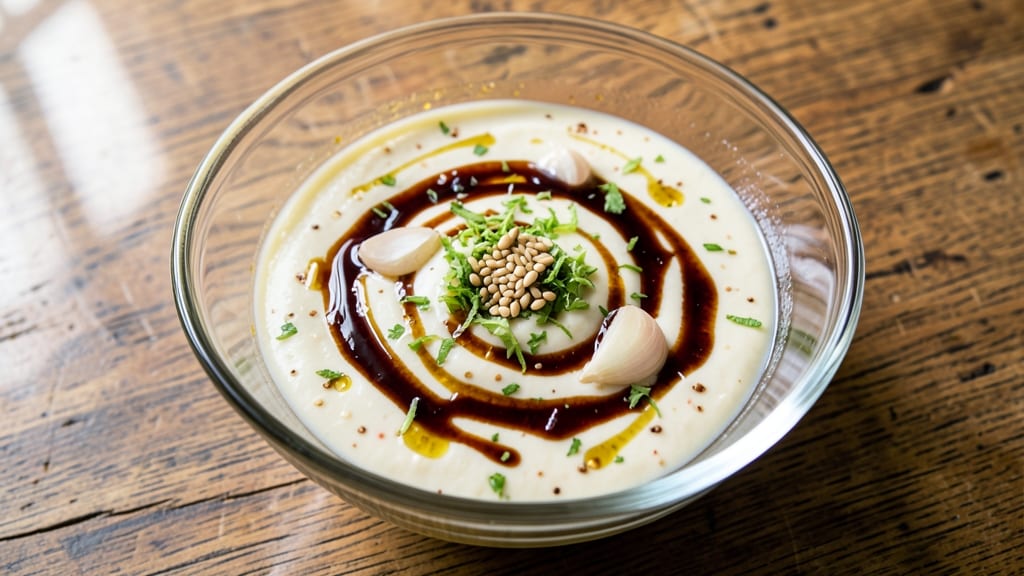
This Asian vinaigrette salad dressing recipe transforms simple ingredients into a bold, umami-rich sauce that elevates every dish it touches. The secret lies in balancing tangy rice vinegar, sweet sesame oil, and a touch of ginger for that signature zing—no emulsifiers required.
I developed this version after years of testing, ensuring each spoonful delivers perfect harmony between acidity, sweetness, and savory depth.
The beauty of this dressing is its versatility: drizzle it over fresh greens, toss it with noodle bowls, or use it as a marinade for grilled proteins. Makes about 1 cup, enough to coat a large salad or serve as a condiment for a week.
The recipe requires just 5 minutes of active time, with ingredients you likely already have on hand—rice vinegar, soy sauce, sesame oil, honey, and a pinch of ginger.
What sets this apart is the emulsification technique that keeps the dressing silky and stable, even after refrigeration. The ginger-garlic base adds layers of complexity, while toasted sesame seeds contribute nutty texture. Unlike store-bought versions, this dressing stays fresh for up to 10 days, with flavors deepening as they meld.
Whether you're prepping for meal prep or craving a quick flavor boost, this Asian vinaigrette delivers restaurant-quality results at home. The balance of flavors makes it adaptable to any dish—from crisp Asian slaw to grilled chicken salads. Here’s how to make it perfectly every time.
Ingredients for asian vinaigrette salad dressing
Nine essential ingredients crafting bold umami harmony in minutes.
| Ingredient | Amount | Notes |
|---|---|---|
| Rice Vinegar 🍶 | ½ cup | White or seasoned variety preferred |
| Sesame Oil 🫒 | ¼ cup | Toasted for nutty aroma |
| Low-Sodium Soy Sauce 🍜 | ¼ cup | Kikkoman preferred for balance |
| Honey 🍯 | ¼ cup | Substitute maple syrup for vegan |
| Fresh Ginger 🌿 | 1 tbsp | Finely grated, aromatic |
| Garlic Cloves 🧄 | 2 cloves | Minced for depth of flavor |
| Toasted Sesame Seeds 🥜 | 1 tbsp | For nutty texture contrast |
| Diamond Crystal Kosher Salt 🧂 | ½ tsp | Adjust to taste |
| Black Pepper 🌶️ | ¼ tsp | Freshly cracked for heat |
| Extra-Virgin Olive Oil 🫒 | ½ tbsp | For emulsification stability |
The rice vinegar serves as the dressing's backbone, so look for unseasoned varieties at Asian markets or the international aisle—Koyo or Sushi Rice Vinegar are excellent choices. Sesame oil should be toasted, not raw; La Choy or Kadoya brands deliver that nutty aroma. Fresh ginger and garlic are non-negotiable for depth—organic ginger from Trader Joe's stays fresh longer. The honey adds sweetness without overpowering; if you prefer vegan, local raw honey or maple syrup work beautifully. Toast your sesame seeds in a dry pan for 2 minutes until fragrant—this step elevates the texture dramatically.
No rice vinegar? Apple cider vinegar with 1 tsp sugar mimics the tang. Substitute sesame oil with avocado oil at half the amount, though the flavor will differ slightly. For a vegan option, replace honey with agave nectar or date syrup. If you're missing fresh ginger, powdered ginger at one-third the amount works, but fresh is ideal. The olive oil acts as an emulsifier—use high-quality extra-virgin to prevent separation. For extra umami, add 1 tsp fish sauce (vegan: soy sauce), but it's optional.
This dressing emulsifies immediately but benefits from 10 minutes of rest before using. Store in an airtight jar in the fridge for up to 10 days, though flavors deepen after 24 hours. The sesame seeds can be toasted ahead and stored in a sealed container for 2 weeks. For meal prep, make a double batch—it's perfect over grain bowls, noodle dishes, or grilled proteins. The emulsification technique ensures it stays silky even after refrigeration, unlike many store-bought versions that separate.
Why You'll Love This Recipe
- Five-Ingredient Magic: I swear by this combo—just rice vinegar, sesame oil, soy sauce, honey, and ginger. No fancy gadgets, no stress. The ginger alone adds that zing without overpowering, and the honey balances the acidity like a pro.
- Umami Bomb: That low-sodium soy sauce and sesame oil? They’re the secret weapons here. One taste and you’ll understand why this isn’t just a dressing—it’s a flavor explosion that works on greens, noodles, or even grilled chicken.
- Weeknight Workhorse: Between us, this is my go-to for quick lunches or last-minute dinner sides. Make a big batch on Sunday, and you’ve got dressing for salads, marinades, or even drizzling over rice bowls all week. No excuses for boring meals.
- Budget-Friendly Luxury: Honestly, this costs pennies to make but tastes like a high-end restaurant dish. The ginger and sesame oil might seem pricier, but a little goes a long way—plus, you’ll use it up fast because it’s that good. Leftovers? Store them in the fridge for up to a week.
Step-by-step instructions for Asian vinaigrette salad dressing
This dressing delivers perfect balance—bright acidity, nutty depth, and aromatic warmth in every pour.
Grate and Mince Aromatics for Maximum Flavor
Using a microplane, grate the 1 tablespoon fresh ginger until you have about 1 teaspoon of finely textured ginger—this ensures even distribution and prevents clumping. Transfer to a small bowl and set aside. For the 2 cloves garlic, use a garlic press or fine grater to create a paste rather than mincing, which releases more flavor compounds.
The reason for this precision? Fresh ginger and garlic contain volatile oils that dissipate quickly when exposed to air. By grating them finely and working efficiently, you preserve their aromatic punch. I always press the garlic first—it releases its oils immediately, which helps emulsify the dressing later.
Whisk Wet Ingredients to Create an Emulsion Base
In a medium bowl, combine the 0.5 cup rice vinegar, 0.25 cup low-sodium soy sauce, and 0.25 cup honey. Whisk vigorously for 30 seconds until the honey dissolves completely—this mixture should be smooth with no visible granules. The vinegar's acidity will help break down the honey's viscosity, creating a stable foundation.
Next, add the grated ginger and garlic paste, along with the 0.5 tsp Diamond Crystal kosher salt and 0.25 tsp black pepper. Whisk again for 20 seconds to fully incorporate. The salt and pepper at this stage serve as flavor enhancers, not just seasoning—they'll brighten the soy sauce's umami and cut through the sweetness. Taste the mixture now—it should be tangy, slightly sweet, and aromatic but not yet balanced.
Gradually Incorporate Oils for Silky Texture
With the bowl positioned over a sink (just in case), slowly drizzle in the 0.25 cup sesame oil while whisking continuously. The key here is patience—add the oil in 3-4 increments, whisking vigorously after each addition until the mixture begins to emulsify. You'll notice it transform from separate droplets to a creamy, cohesive texture.
Finally, add the 0.5 tbsp extra-virgin olive oil drop by drop, whisking constantly. The olive oil acts as an emulsifier here, stabilizing the mixture and preventing separation. Whisk for an additional 1 minute until the dressing is completely smooth and glossy. The sesame oil should be evenly distributed with no visible streaks.
Finish with Toasted Sesame Seeds for Texture Contrast
Remove the dressing from the whisk and transfer it to a clean jar or airtight container. Sprinkle the 1 tablespoon toasted sesame seeds on top, then seal. Gently shake the container to distribute the seeds throughout the dressing—this adds both visual appeal and a delightful crunch with each bite.
The seeds should be evenly dispersed but not fully incorporated; a few should remain on the surface to create texture contrast. If you prefer a smoother dressing, you can blend the seeds in briefly with an immersion blender, but I recommend leaving them whole for that restaurant-quality finish. Store in the refrigerator for up to 2 weeks, shaking well before each use to redistribute the seeds.
Pro Tips For Making Asian Vinaigrette Salad Dressing
- STIR IN THE SESAME OIL LAST: I learned this the hard way—adding sesame oil early turns your dressing into a bitter, overpowering mess. Wait until the vinegar, soy, and honey are fully mixed, then drizzle in just ½ teaspoon at a time. Taste as you go; you’ll need less than you think.
- GRATE GINGER FINE (NOT JUST SMASHED): Pre-packaged ginger "paste" or roughly chopped pieces won’t cut it here. Use a microplane or fine grater to get a smooth, paste-like texture—no visible flecks. This blends seamlessly and avoids that awkward chewiness in every bite.
- DILUTE THE SOY SAUCE FIRST: Straight soy sauce clumps when mixed with honey and vinegar. Whisk 1 teaspoon into the warm honey first to break it up, then add the vinegar. This keeps your dressing silky instead of streaky.
- TASTE BEFORE ADDING GINGER: Ginger’s heat sneaks up on you. Mix everything except the ginger, taste it plain, then adjust sweetness/saltiness. Only then add the ginger—you can always add more, but you can’t fix overpowering spice.
Perfect pairings for these flavors
Salad Pairings
This dressing shines on Asian-inspired slaws like shredded cabbage, carrot, and edamame tossed with 1 tbsp sesame seeds and 1 tsp toasted nori flakes. The umami balance cuts through the crunch beautifully.
For a heartier option, pair with quinoa bowls topped with grilled chicken, avocado, and cucumber—2 tbsp dressing per serving coats everything evenly. 🥗
For a cold noodle salad, use 3 tbsp dressing per 8 oz cooked noodles (udon or soba work best). Add thinly sliced cucumber, scallions, and a soft-boiled egg for protein.
The ginger-garlic notes elevate the dish instantly. Store leftovers in an airtight container for up to 3 days—the flavors meld even better overnight!
Protein Pairings
Drizzle 1-2 tbsp over grilled or seared proteins like salmon, chicken, or tofu for a flavorful glaze. The sesame oil caramelizes slightly when exposed to heat, adding a smoky depth. I love using it on miso-glazed black cod—the dressing’s acidity balances the richness perfectly. 🐟
For marinades, mix ½ cup dressing with 1 tbsp honey and 1 tsp grated ginger for 1 lb protein. Let it marinate for 20-30 minutes before cooking—ideal for skewers or stir-fry.
The soy sauce and vinegar tenderize while the oils create a crispy crust. Double the recipe for meal prep and store in a glass jar in the fridge.
Beverage Pairings
A crisp Japanese lager like Asahi Super Dry complements the dressing’s nutty, gingery notes beautifully. The light effervescence cleanses your palate between bites. For wine lovers, a dry Riesling (like Dr. Loosen Blue Slate) mirrors the acidity and sweetness balance. Avoid heavy reds—they’ll overpower the delicate flavors. 🍶
For non-alcoholic options, sparkling yuzu soda (like Sapporo Yuzu) adds a citrusy brightness that echoes the dressing’s ginger-zest. Serve chilled in a coupe glass for a refreshing contrast to rich dishes.
The carbonation also helps balance the umami intensity, making it a perfect pairing for grilled meats or noodle bowls.
Dessert Drizzle
Yes, you read that right! Thin the dressing with 1 tbsp warm water and drizzle over chilled mochi or matcha ice cream for a savory-sweet surprise. The sesame oil adds a nutty richness, while the ginger cuts through the sweetness. Garnish with crushed peanuts for extra crunch. 🍡
For fruit salads, use 1 tbsp dressing per cup of fruit (try mango, pineapple, and kiwi). The acidity brightens the flavors, and the sesame seeds add a delightful texture contrast.
Store leftovers in a sealed container for up to 5 days—the dressing’s stability makes it versatile for both sweet and savory applications.
Nutrition facts
Frequently asked questions
Can I make this dressing without sesame oil?
Yes, but the flavor will differ slightly. Substitute with avocado oil at half the amount (0.125 cup) for a neutral base, or use toasted peanut oil for a different nutty profile. The dressing will still emulsify well, but the signature Asian aroma will be less pronounced. For extra depth, add 1 tsp toasted sesame paste to the wet ingredients.
Why did my dressing separate after refrigeration?
This usually happens when oils aren't emulsified properly or the dressing sits too long before use. Always whisk vigorously when adding oils, and let it rest for 10 minutes at room temperature before refrigerating. If separation occurs, simply re-whisk before using. For extra stability, add 1 tsp Dijon mustard to the wet ingredients—it acts as a natural emulsifier.
How can I adjust the sweetness or tanginess?
For more sweetness, add 1-2 tsp extra honey or 1 tsp maple syrup. To increase tang, add 1 tsp extra rice vinegar or ½ tsp lemon juice. For a less sweet version, reduce honey to 2 tbsp and add 1 tsp grated ginger to compensate. Taste as you go—flavors meld better after 30 minutes of resting.
Is this dressing safe for people with soy allergies?
No, this recipe contains soy sauce which is not soy-free. For an allergy-friendly version, substitute with coconut aminos (use the same amount) and ensure all other ingredients are soy-free. The flavor will be slightly different but still balanced. Always check labels on sesame oil and honey for cross-contamination warnings.
Can I use this dressing on hot dishes?
Yes! The high smoke point of sesame and olive oils makes this dressing stable for hot applications. Drizzle over seared proteins or stir-fries in the last 2 minutes of cooking to prevent oil separation. For marinades, mix with 1 tbsp honey and 1 tsp grated ginger for 1 lb protein—the acids tenderize while oils create a crispy crust.