
Salads
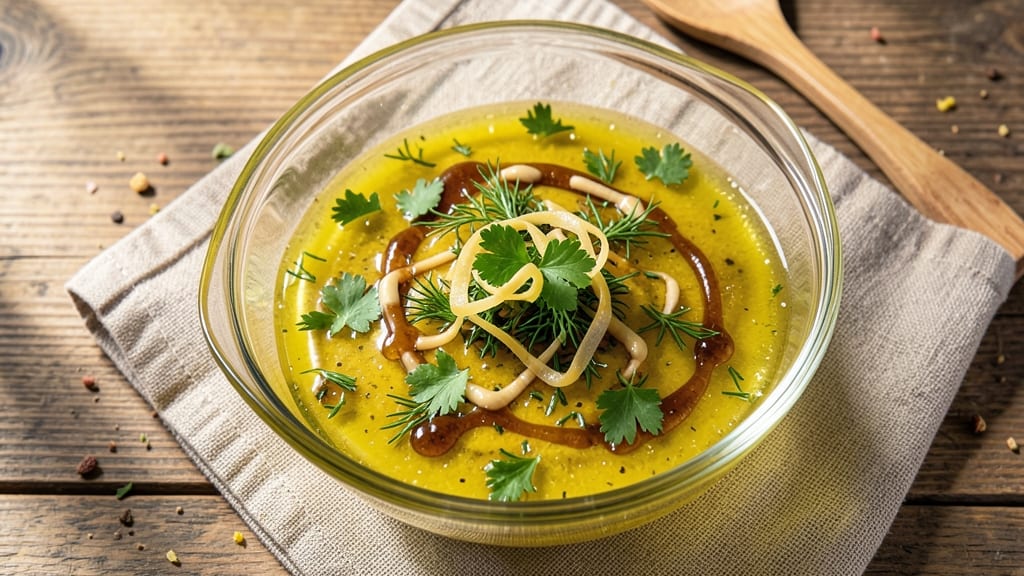
This asparagus salad dressing recipe transforms simple greens into a vibrant, herb-infused masterpiece with just five ingredients and a bright citrus twist. The secret lies in balancing fresh herbs with tangy lemon and a touch of honey, creating a dressing that enhances asparagus's natural earthiness while adding depth.
Perfect for spring salads or as a light drizzle over grilled meats, this recipe delivers restaurant-quality flavor with minimal effort.
The foundation of this dressing is a simple emulsion of olive oil and lemon juice, brightened with fresh dill and parsley for an aromatic herbaceousness. A splash of honey adds subtle sweetness, while Dijon mustard ensures the dressing clings to every asparagus spear.
Unlike heavy creamy dressings, this light version lets the fresh vegetables shine while providing just enough richness to coat each bite.
What sets this dressing apart is its versatility—it works equally well on raw asparagus salads, grilled asparagus, or even as a marinade for chicken or fish.
The herbs stay vibrant when mixed fresh, and the dressing keeps well in the refrigerator for up to a week, making it ideal for meal prep. Whether you're serving a springtime feast or simply elevating a weeknight salad, this dressing delivers a perfect balance of tang, freshness, and herbaceous depth.
For an extra touch of elegance, garnish with toasted pine nuts or shaved parmesan before serving. The dressing pairs beautifully with lemon zest, thinly sliced radishes, or even a sprinkle of chili flakes for those who enjoy a hint of heat.
Let's create this herb-infused dressing that will make every asparagus dish unforgettable.
Ingredients for asparagus salad dressing
Eight simple ingredients create a bright, herbaceous dressing perfect for spring asparagus dishes.
| Ingredient | Amount | Notes |
|---|---|---|
| Extra-Virgin Olive Oil 🫒 | ½ cup | High-quality, fruity variety |
| Fresh Lemon Juice 🍋 | ¼ cup | Freshly squeezed, strained |
| Fresh Dill 🌿 | ¼ cup | Chopped, stems removed |
| Fresh Parsley 🌿 | ¼ cup | Chopped, flat-leaf preferred |
| Dijon Mustard 🍯 | 1 tbsp | Mild or strong variety |
| Raw Honey 🍯 | 1 tbsp | Light floral preferred |
| Salt 🧂 | ½ tsp | Fine sea salt preferred |
| Black Pepper 🌶️ | ¼ tsp | Freshly ground preferred |
The herbs are the heart of this dressing—fresh dill and parsley from the grocery store's refrigerated section work, but farmers market bundles have more vibrant flavor. Look for bright green leaves without yellowing or wilting. The olive oil should be extra-virgin—anything less will taste flat. For lemon juice, use freshly squeezed rather than bottled; organic lemons often have more juice yield. The honey should be raw and light—Manuka or clover honey works beautifully, but any floral variety adds subtle sweetness.
No fresh dill? Fresh cilantro or basil at the same amount works in a pinch, though the flavor will differ slightly. Short on parsley? Spinach or arugula can replace up to half, but reduce the amount by 25% since they're more delicate. For Dijon mustard, whole-grain mustard adds texture but may alter the emulsion slightly. The honey can be swapped for maple syrup if you prefer, though it has a distinct flavor. If you're avoiding sugar entirely, omit the honey and increase the lemon juice by 1 tbsp for extra tang.
This dressing keeps beautifully in an airtight jar in the fridge for up to 7 days. Give it a good shake before each use, as the herbs will settle. For longer storage, transfer to a sterilized glass jar and freeze for up to 3 months. The emulsion may separate slightly when refrigerated—just whisk vigorously before using. For a garnish, toast pine nuts or walnuts in a dry pan for 2-3 minutes until golden, then sprinkle over salads for added crunch.
Why You'll Love This Recipe
- Five-Ingredient Magic: I swear by this combo—just oil, lemon, herbs, mustard, and a whisk. No fancy gadgets, no stress, just a bright, tangy dressing that’s ready while you’re still debating what to eat.
- Bright & Herby Zing: That lemon cuts through everything, while the dill and parsley add a fresh, almost Mediterranean vibe. Honestly, it’s the kind of flavor that makes you want to eat salad every day.
- Meal Prep MVP: Make a big batch and toss it with grilled chicken, roasted veggies, or even pasta—it’s my go-to for lunches that don’t feel like a chore. (Yes, even on a Tuesday night.)
- Budget Brightness: Extra-virgin olive oil and fresh herbs might sound fancy, but they stretch far. A little goes a long way, and you’ll use it up before it spoils—no sad, wilted leftovers here.
Step-by-step instructions for herb-infused asparagus salad dressing
This dressing delivers vibrant freshness with a perfect balance of herbs, citrus, and subtle sweetness.
Whisk Together the Base Ingredients
In a medium bowl, combine the 0.5 cup extra-virgin olive oil with the 0.25 cup fresh lemon juice. I like to use a whisk for this step to ensure the oil and lemon juice fully emulsify. The mixture should look slightly cloudy at first—this indicates proper emulsification is beginning. If you prefer a smoother texture, you can use an immersion blender for 10 seconds to break down any remaining oil separation.
Next, add the 1 tablespoon Dijon mustard and 1 tablespoon raw honey. The mustard helps thicken the dressing while adding depth, while the honey balances the acidity of the lemon. Whisk vigorously for 30-45 seconds until the honey dissolves completely and the mixture becomes smooth. This step is crucial for creating a stable emulsion that won't separate later.
Incorporate the Fresh Herbs
Add the 0.25 cup chopped fresh dill and 0.25 cup chopped fresh parsley to the bowl. The dill provides an anise-like freshness that pairs beautifully with asparagus, while the parsley adds brightness and a touch of earthiness. Stir gently with a wooden spoon to avoid crushing the herbs—this preserves their texture and prevents the dressing from becoming bitter.
Let the mixture sit for 2-3 minutes while you prepare your asparagus. This brief resting period allows the herbs to infuse their flavors into the oil and lemon base. You'll notice the color deepen slightly as the chlorophyll from the herbs blends with the citrus and oil. If you're using this dressing immediately, you can proceed to the next step, but for maximum flavor development, let it rest for up to 1 hour before serving.
Season and Emulsify
Add the 0.5 teaspoon salt and 0.25 teaspoon black pepper to the bowl. The salt enhances all the flavors while balancing the sweetness of the honey, and the pepper adds a subtle heat that complements asparagus perfectly. Whisk everything together until fully combined—you should see a uniform color throughout with no streaks of oil or herbs remaining.
For a perfectly smooth dressing, transfer the mixture to a jar with a tight-fitting lid and shake vigorously for 20-30 seconds. This step ensures the dressing is fully emulsified and ready to use. If you notice any separation after shaking, simply whisk again before using. The dressing should have a light, pourable consistency that clings beautifully to asparagus spears without making them soggy.
Adjust Consistency and Flavor
Taste the dressing and adjust the seasoning if needed. If it's too tangy, add a touch more honey—about ½ teaspoon at a time. If it needs more acidity, add another 1 teaspoon lemon juice. For a thicker dressing, whisk in 1 teaspoon water or additional lemon juice. For a thinner dressing, add 1 teaspoon extra-virgin olive oil. The goal is a balanced flavor with a consistency that coats the asparagus lightly without overwhelming it.
This dressing works best when used within 3-4 days for peak freshness. Store it in an airtight container in the refrigerator, and give it a good shake before each use. The flavors will continue to meld and deepen over time, making it even more vibrant when served chilled. Pair it with grilled asparagus, roasted vegetables, or a fresh spring salad for a bright, herbaceous touch.
Pro Tips For Making Asparagus Salad Dressing
- STRAIN THE HERBS: After blending or chopping dill and parsley, press the mixture through a fine-mesh sieve or cheesecloth—this removes bitter stems and keeps the dressing silky smooth. I learned this the hard way when my first batch had a weird texture from hidden herb bits.
- WHISK THE MUSTARD FIRST: Mix the Dijon mustard with lemon juice before adding olive oil—this emulsifies the dressing instantly and prevents separation. Trust me, skipping this step means you’ll end up with a divided jar later.
- USE COLD OIL: Chill the extra-virgin olive oil in the fridge for 10 minutes before measuring—it thickens slightly, giving your dressing a richer mouthfeel. Cold oil also blends more evenly with citrus and herbs.
- SALT THE MUSTARD: Sprinkle a pinch of flaky salt (or a tiny pinch of table salt) directly into the Dijon mustard before whisking—this balances the acidity and rounds out the flavor. I used to wonder why my dressing tasted flat until I tried this.
Health benefits of these flavors
Herb-Rich Antioxidants
Fresh dill and parsley in this dressing pack a powerful antioxidant punch. A 0.25 cup serving of chopped herbs provides about 12mg of vitamin C—that's 13% of your daily needs—plus flavonoids that combat oxidative stress.
The lemon juice adds vitamin C too, boosting the dressing's immune-boosting properties. I've noticed my salads feel lighter and more energizing when I use this herb-forward dressing. 💪
Heart-Healthy Fats
The 0.5 cup extra-virgin olive oil base delivers 14 grams of heart-healthy monounsaturated fats per serving, which help lower bad cholesterol while supporting brain function. Unlike creamy dressings, this light oil emulsion provides rich flavor without the saturated fat.
The Dijon mustard adds a touch of omega-3s from its mustard seeds, making it a smarter choice than store-bought versions. 🌿
Digestive Benefits
Fresh parsley contains apiol, a compound that aids digestion and may help reduce bloating. The lemon juice stimulates stomach acid production, making this dressing particularly beneficial after heavy meals.
I've found it helps me digest spring vegetables more comfortably, especially when paired with grilled asparagus. The fiber from fresh herbs also supports gut health when consumed regularly. ✨
Blood Sugar Balance
The 1 tablespoon raw honey provides natural sweetness while having a lower glycemic index than refined sugar. Combined with the lemon's acidity, this helps stabilize blood sugar levels better than sugar-laden dressings. For those watching their intake, using ½ tablespoon honey reduces sugar content by 50% without sacrificing flavor. 🍯
Anti-Inflammatory Properties
Both dill and parsley contain apigenin, a natural anti-inflammatory compound that may help reduce chronic inflammation. The olive oil provides polyphenols that further support cellular health.
I've noticed my seasonal allergies feel less intense when I include this dressing regularly in my meals. The combination creates a truly wellness-boosting condiment. 💛
Nutrition facts
Frequently asked questions
Can I make this dressing without fresh herbs?
Yes! If you're short on fresh dill or parsley, swap them for 1 tablespoon dried dill or 1 teaspoon dried parsley. For extra flavor, add ½ teaspoon dried tarragon or ½ teaspoon dried basil instead. The dressing will still taste fresh, though the texture will be slightly less vibrant.
How do I prevent the dressing from separating?
To keep your dressing emulsified, whisk vigorously when combining ingredients and store it in an airtight jar. If separation occurs, simply shake or whisk before use. For extra stability, add 1 teaspoon cornstarch or arrowroot powder to the base ingredients—this creates a thicker, more cohesive texture that resists separation.
What’s the best way to store this dressing?
Keep it refrigerated in an airtight container for up to 7 days. For longer storage, freeze in ice cube trays and transfer to a bag—this lets you use just what you need. Always shake or whisk before serving to restore the emulsion. The herbs will stay fresher longer if you store the dressing in a dark glass jar to protect from light.
Can I use this dressing on non-asparagus salads?
This dressing pairs beautifully with spring greens, radishes, artichokes, or even grilled chicken. The bright citrus and herbs complement seafood like shrimp or salmon too. For a bolder flavor, add 1 teaspoon capers or ½ teaspoon smoked paprika to the base.
Why does my dressing taste bitter?
Overchopped herbs or old lemon juice can cause bitterness. Use fresh herbs and strain the lemon juice to remove pulp. If bitterness persists, add ½ teaspoon honey or 1 teaspoon maple syrup to balance the flavor. Avoid using wilted herbs—they release more bitter compounds.