
Salads
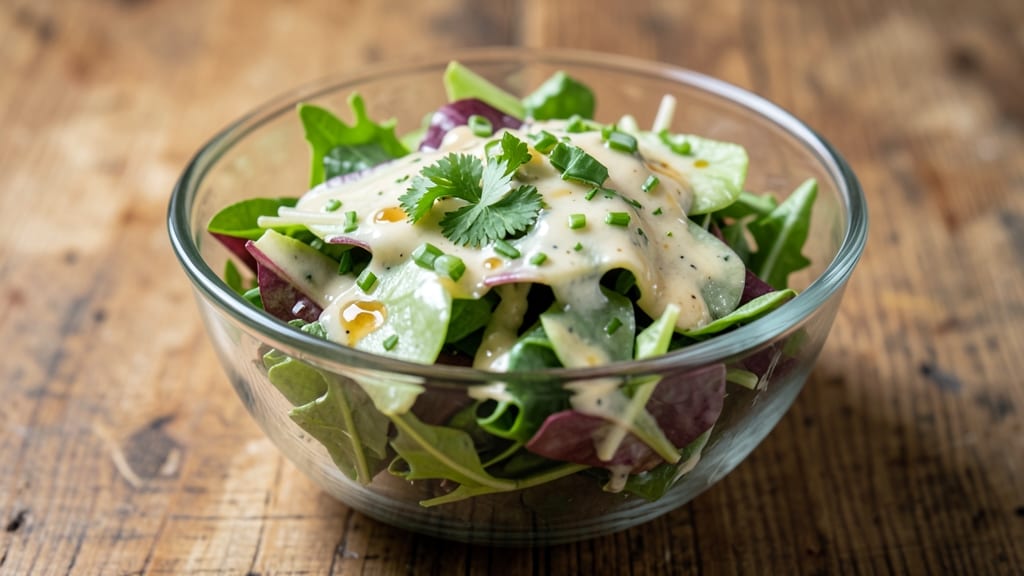
This classic Austrian salad dressing brings bold vinegar-and-oil harmony with fresh herbs that elevate every bite. ✨ The secret lies in balancing sharp vinegar with smooth oil, mustard for depth, and a touch of sweetness—creating a dressing that clings perfectly to greens while adding a tangy, herbal punch.
Unlike store-bought versions, this recipe delivers authentic flavor with just a handful of simple ingredients.
The foundation starts with equal parts white wine vinegar and neutral oil, creating a stable base that won’t separate. A dash of Dijon mustard adds body and subtle heat, while honey or sugar balances the acidity.
Fresh herbs like parsley and chives lend brightness, and a pinch of salt ties everything together. What makes this dressing truly special is its versatility—it works on crisp salads, sandwiches, or even as a dip for crudités.
What you’ll end up with is a dressing that’s rich yet light, with layers of flavor that transform ordinary salads into restaurant-worthy dishes. The texture is silky, not thin, ensuring every leaf gets coated without turning soggy.
Best of all, it keeps for up to a week in the fridge, making it a pantry staple for quick meals.
Use it on mixed greens, grain bowls, or even drizzled over roasted vegetables for an unexpected twist. Here’s how to make it—simple, classic, and impossible to resist.
Ingredients for austrian salad dressing
Eight simple ingredients create this classic Austrian dressing that transforms salads into restaurant-quality dishes.
| Ingredient | Amount | Notes |
|---|---|---|
| White Wine Vinegar 🍷 | ½ cup | Bottled or homemade preferred |
| Neutral Oil 🫒 | ½ cup | Light olive or vegetable oil |
| Dijon Mustard 🌶️ | 1 tbsp | High-quality for best flavor |
| Honey 🍯 | 1 tbsp | For subtle sweetness balance |
| Fresh Flat-Leaf Parsley 🌿 | ¼ cup | Finely chopped, stems removed |
| Fresh Chives 🌱 | 2 tbsp | Minced for delicate flavor |
| Diamond Crystal Kosher Salt 🧂 | ½ tsp | Adjust to taste |
| Freshly Ground Black Pepper 🌶️ | ¼ tsp | Light hand preferred |
The foundation starts with equal parts white wine vinegar and neutral oil—this ratio ensures a stable dressing that won't separate. For the vinegar, Bragg or Heinz are reliable choices, but any good-quality white wine vinegar works. The oil should be neutral (like vegetable or light olive oil) to avoid overpowering the delicate herbs. Dijon mustard is non-negotiable here—it adds that signature depth and body that store-bought dressings often lack. Grab a small jar from Whole Foods or the spice aisle at Kroger for the best flavor.
No Dijon mustard? Yellow mustard at half the amount works in a pinch, though the flavor won't be as refined. Fresh herbs are key—parsley and chives should be vibrant and bright, not wilted. If you're using dried herbs, reduce to one-quarter the amount and toast them lightly in a dry pan first for extra flavor. The honey can be swapped for maple syrup or agave nectar if you prefer a different sweetness profile. For a smokier twist, add 1/4 teaspoon smoked paprika to the mix. The salt should be Diamond Crystal kosher if possible—it dissolves more easily than table salt.
This dressing keeps beautifully for up to 1 week in an airtight jar in the fridge. Shake well before each use to redistribute any settled herbs. For best texture, store the oil and vinegar separately until ready to combine—this prevents any potential separation. If you make extra, portion it into small jars for quick grab-and-go meals. The flavor actually improves after a day or two as the ingredients meld together. Use it on everything from mixed greens to roasted Brussels sprouts—it’s that versatile.
Why You'll Love This Recipe
- I’ll be real: this costs me less than $3 for a full batch. The honey and parsley feel luxurious, but the rest? Basic stuff. It’s my go-to for when I want something restaurant-worthy without breaking the bank—or my willpower.
- No Fuss, No Mess: I swear by this dressing because it’s five ingredients—no emulsifying, no straining, no stress. Just whisk, taste, adjust. The Dijon mustard does the heavy lifting while I’m still chopping veggies.
- Sweet-Tangy Magic: That honey cutting through the white wine vinegar? It’s the kind of balance that makes you pause mid-bite. The parsley adds a fresh finish, but honestly, the real star is how the mustard ties everything together—no bitterness, just depth.
- Pantry Staple Power: Between us, this dressing lasts forever in my fridge. I use it on grilled chicken, roasted potatoes, even deviled eggs when I’m feeling fancy. And because it’s vinegar-based, it won’t spoil you like mayo would.
Step-by-step instructions for Austrian salad dressing
Here's how to create this classic dressing with perfect balance and vibrant herbal notes.
🍳 Step 1: Whisk Vinegar and Mustard Together
In a medium bowl, combine the 0.5 cup white wine vinegar and 1 tablespoon Dijon mustard. Use a whisk to blend them thoroughly for about 30 seconds until fully incorporated. The mustard will help emulsify the dressing later, preventing separation. I like to use a glass or ceramic bowl for this step—it's easier to see the color change as the ingredients blend.
At this stage, the mixture should look smooth with no visible streaks. If you notice any lumps, press them against the side of the bowl with the back of your spoon until dissolved. This ensures your dressing will be silky, not grainy. The vinegar's acidity will also begin breaking down the mustard seeds slightly, releasing their subtle depth of flavor.
🍳 Step 2: Gradually Add Oil While Whisking
Slowly drizzle in the 0.5 cup neutral oil while whisking continuously. This gradual addition is crucial—it allows the mustard to properly emulsify the oil and vinegar. Start whisking vigorously as soon as you add the first few drops of oil. You'll notice the mixture immediately thicken and become more cohesive.
Continue whisking for 1-2 minutes until the dressing reaches a smooth, mayonnaise-like consistency. The key is patience here: if you add the oil too quickly, the dressing will separate. You want the oil to be fully incorporated before moving to the next step. If you're unsure whether it's fully emulsified, add a few drops of water—if it stays together, you're good to go.
🍳 Step 3: Incorporate Sweetness and Herbs
Add the 1 tablespoon honey and whisk for another 30 seconds until completely dissolved. The honey will mellow the acidity of the vinegar while adding subtle sweetness that balances the dressing's overall flavor profile. Here's where it gets good—fold in the 0.25 cup finely chopped fresh parsley and 2 tablespoons minced fresh chives using a rubber spatula.
Gently stir the herbs into the dressing just until combined. You want them distributed evenly but still visible—this adds both texture and vibrant color. I always use a spatula for this step to avoid crushing the delicate chives. The herbs should be evenly dispersed throughout the dressing, not clumped in one area. Give it one final whisk to ensure everything is fully integrated.
👨🍳 Step 4: Season and Taste for Balance
Add the 0.5 teaspoon Diamond Crystal kosher salt and 0.25 teaspoon freshly ground black pepper, then whisk gently to distribute. Taste the dressing immediately—this is your quality control moment. The acidity from the vinegar should be balanced by the sweetness of the honey, with the mustard adding depth and the herbs providing freshness.
If the dressing tastes too sharp, add a tiny bit more honey (1/8 teaspoon at a time). If it needs more acidity, add a splash of vinegar. For salt, adjust in 1/8 teaspoon increments. Remember, you can always adjust the seasoning, but you can't un-emulsify a separated dressing. Once you're happy with the flavor, give it one final whisk to ensure everything is perfectly combined.
⏰ Step 5: Let It Rest and Store Properly
Transfer the dressing to a clean, airtight jar or container. Let it sit at room temperature for 15-20 minutes before using. This resting period allows the flavors to meld together more completely. The dressing will thicken slightly during this time, which is completely normal and indicates proper emulsification.
For best results, store any unused dressing in the refrigerator for up to 1 week. Before using, give it a good shake—sometimes dressings separate slightly when stored. If this happens, simply whisk vigorously to re-emulsify. The beauty of this dressing is its versatility—it works perfectly on green salads, grain bowls, or even as a marinade for grilled vegetables. The flavors will only improve as they sit!
Pro Tips For Making Austrian Salad Dressing
- Whisk in stages: Start by mixing the Dijon mustard and honey first—this smooths out the honey’s thickness before adding the vinegar. Dumping everything in at once just creates a lumpy mess that won’t emulsify properly, no matter how much you whisk.
- Use room-temperature honey: Cold honey from the fridge is stubborn and won’t blend evenly with the mustard. Let it sit out for 10 minutes first, or microwave for 15 seconds if you’re in a rush—this makes the dressing silky instead of grainy.
- Balance the vinegar last: Taste as you go, but hold off on adding all the white wine vinegar until the end. The acidity can overpower the honey’s sweetness if you’re not careful, and you’ll regret it once the dressing sits for even five minutes.
- Chop parsley fine: No, "chopped" isn’t specific enough—aim for tiny dice, almost like confetti. This ensures the parsley distributes evenly and doesn’t clump into herb-heavy pockets. A sharp knife and a quick pulse in a food processor works if you’re impatient.
Flavor customization for this dish
Sweet-Tart Balance
Adjust the sweetness-to-acidity ratio to match your taste. For a sharper dressing, reduce the honey to ½ tablespoon and add ½ teaspoon lemon juice instead. If you prefer a richer flavor, increase the honey to 1½ tablespoons and add ¼ teaspoon vanilla extract for depth.
I find this works especially well when pairing with hearty salads like roasted beet and goat cheese bowls. 🌶️
Herbal Variations
Swap out parsley and chives for other fresh herbs based on what you have. Try tarragon and dill for a French-inspired twist or basil and oregano for an Italian flair. For a smoky profile, add ½ teaspoon dried thyme along with the fresh herbs.
I love using flat-leaf parsley and cilantro for a bright, zesty dressing that pairs perfectly with Mexican-inspired salads.
Spicy Kick Options
Add heat with ½ teaspoon hot sauce or ¼ teaspoon cayenne pepper for a spicy version. For a more complex heat, blend in ½ teaspoon minced jalapeño or 1 teaspoon sriracha.
This works beautifully with southwestern salads featuring black beans, corn, and avocado. Trust me, the spicy version elevates everything from grilled chicken salads to crudité platters.
Creamy Upgrade
For a richer texture, stir in 1 tablespoon crème fraîche or 1 teaspoon Greek yogurt after whisking the base. This adds a velvety quality that works especially well with pasta salads or potato salads.
I recommend using full-fat crème fraîche for the best mouthfeel. The dressing will still cling beautifully to greens without turning greasy.
Savory Umami Boost
Enhance depth with ½ teaspoon soy sauce or ¼ teaspoon Worcestershire sauce for an umami-rich dressing. This version pairs perfectly with Asian-inspired salads featuring edamame, shredded carrots, and sesame seeds.
For extra richness, add ½ teaspoon miso paste and whisk until fully dissolved. The umami notes complement both sweet and savory salad ingredients beautifully.
Seasonal Twists
In summer, add 1 teaspoon finely grated cucumber for a refreshing, cooling effect. For autumn, incorporate ½ teaspoon grated ginger and 1 teaspoon apple cider vinegar instead of white wine vinegar. Winter calls for ½ teaspoon ground coriander and a touch of orange zest for brightness.
Spring brings the perfect time to use fresh dill and lemon zest for a bright, citrusy dressing. 🌱
Nutrition facts
Frequently asked questions
Why does my Austrian salad dressing separate?
Separation happens when oil and vinegar aren't properly emulsified. Always whisk the oil into the vinegar mixture very slowly—this creates stable droplets that suspend in the liquid. If it separates later, simply whisk vigorously to recombine. Adding 1 tablespoon Dijon mustard helps bind the ingredients naturally. For extra insurance, store oil and vinegar separately until ready to mix.
Can I make this dressing without fresh herbs?
Yes! Use 1 teaspoon dried parsley and ½ teaspoon dried chives instead of fresh. Toast the dried herbs lightly in a dry pan for 30 seconds to enhance their flavor. For best results, add them to the dressing just before serving so they don't lose their aroma. This works especially well if you're making the dressing ahead of time.
How can I make this dressing spicier?
Add heat with ½ teaspoon hot sauce or ¼ teaspoon cayenne pepper to the base before whisking. For a smoky-spicy version, blend in ½ teaspoon minced jalapeño or 1 teaspoon sriracha after the dressing is fully emulsified. This version pairs perfectly with southwestern salads or grilled meats. Adjust to taste—start with less if you're sensitive to spice!
What's the best way to store leftover dressing?
Transfer to an airtight jar and refrigerate for up to 1 week. Before using, shake well—some separation is normal. For longer storage, freeze in ice cube trays and transfer cubes to a bag. Thaw in the fridge overnight. The flavor actually improves after 24 hours as ingredients meld together. Keep the jar tightly sealed to prevent absorption of fridge odors.
Can I use this dressing on non-salad dishes?
Drizzle it over roasted vegetables, grilled chicken, or use as a marinade for 15-20 minutes before cooking. It also works as a dip for crudités or fresh bread. The dressing's balanced flavors make it versatile for both savory and slightly sweet dishes. Just avoid using it on delicate seafood—it's best suited for heartier ingredients.