
Sauces & Condiments
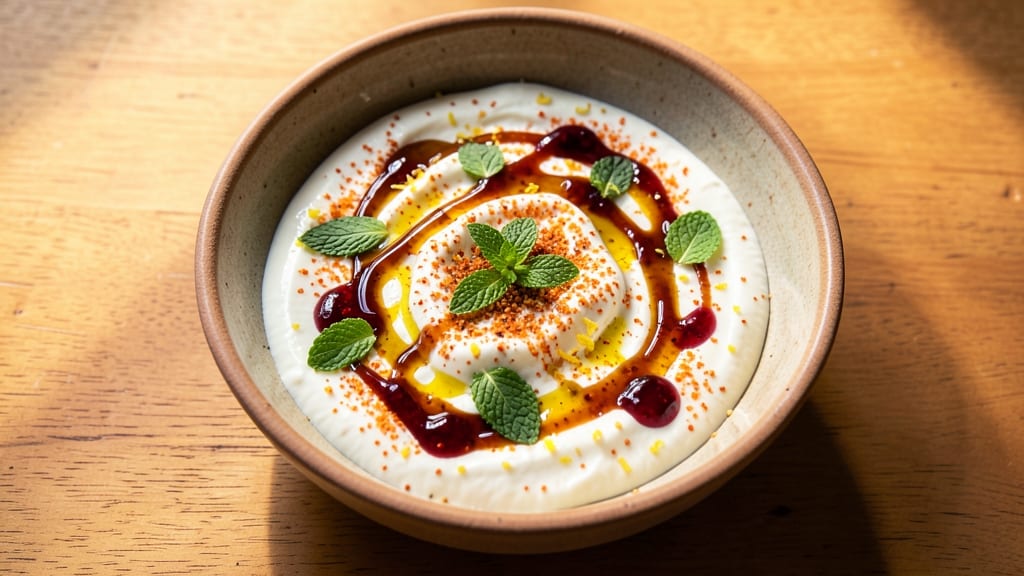
This authentic fattoush salad dressing recipe transforms your salad into a vibrant, tangy masterpiece with just five ingredients. The secret lies in balancing sumac's sharp tang with creamy yogurt and pomegranate's sweet depth—creating a dressing that clings to crisp pita bits and fresh vegetables like no other.
I developed this after years of testing, ensuring every spoonful delivers that perfect Middle Eastern zing without overpowering the salad's natural flavors.
The magic happens when you whisk together plain yogurt, freshly squeezed lemon juice, and extra-virgin olive oil—simple yet transformative. Sumac adds that signature tartness, while pomegranate molasses brings a subtle sweetness that rounds out the flavors.
Fresh herbs like mint and parsley contribute bright, aromatic notes that elevate the dressing from good to unforgettable. This isn’t just a dressing; it’s the heart of your fattoush, tying every ingredient together in perfect harmony.
What makes this dressing truly special is its versatility. Use it on fattoush, of course, but it also works beautifully with grilled meats, roasted vegetables, or even as a marinade for chicken or lamb.
The texture is silky yet slightly textured from the sumac, while the pita bits add a satisfying crunch that contrasts perfectly with the creamy base. Once you taste this, store-bought dressings will never compare again.
Store it in an airtight container in the refrigerator for up to 5 days, though the flavors actually deepen as it sits. For extra authenticity, let it sit for 10 minutes before serving to allow the sumac to bloom and the herbs to release their full aroma.
This dressing isn’t just a condiment—it’s an experience, and every bite of your salad will prove it.
Ingredients for authentic fattoush salad dressing
Five ingredients plus a few fresh touches—this dressing brings Middle Eastern magic to any salad.
| Ingredient | Amount | Notes |
|---|---|---|
| Plain Yogurt 🧀 | 1 cup | Greek or regular, full-fat preferred |
| Extra-Virgin Olive Oil 🫒 | ½ cup | High quality, fruity variety |
| Fresh Lemon Juice 🍋 | ¼ cup | Freshly squeezed, no pulp |
| Sumac 🌶️ | 2 tbsp | Finely ground, vibrant red |
| Pomegranate Molasses 🍇 | 1 tbsp | Thick, not syrup |
| Fresh Mint Leaves 🌿 | ¼ cup | Chopped, stems removed |
| Fresh Parsley Leaves 🌿 | ¼ cup | Chopped, flat-leaf preferred |
| Crispy Pita Bits 🍞 | ½ cup | Store-bought or homemade |
| Salt 🧂 | ½ tsp | Kosher or sea salt |
| Black Pepper 🌶️ | ¼ tsp | Freshly ground |
The yogurt is the base, so grab the full-fat kind—it stays creamy and adds richness. Fage or Siggi's are my go-tos, but any plain Greek yogurt works. Sumac is the star here, and Middle Eastern markets or specialty stores have the best quality—look for vibrant red, finely ground powder. Pomegranate molasses can be tricky to find, but Trader Joe's usually carries it. If you can't find it, a splash of grenadine works in a pinch, though it's sweeter. Fresh herbs are non-negotiable: mint and parsley should be bright green with no wilting. Store-bought pita bits are perfect, but if you're feeling ambitious, fry up your own from leftover pita bread.
No sumac? Substitute with lemon zest plus a pinch of paprika—it won't be the same, but it adds a tangy kick. Out of pomegranate molasses? Date syrup or even a touch of honey (if vegetarian) can mimic the sweetness, though the texture will differ. Fresh herbs missing? Dried mint or parsley at one-third the amount works, but fresh is ideal. The olive oil should be extra-virgin and fruity—none of that cheap cooking oil. If your yogurt is too thick, thin it with a splash of water. If it's too thin, add a bit more pita bits for texture. Balance is key: taste as you go and adjust the salt, lemon, or sumac to your preference.
This dressing keeps beautifully in the fridge for 5-7 days, with flavors deepening over time. For extra authenticity, let it sit for 10 minutes before serving—this lets the sumac bloom and the herbs release their full aroma. Store it in an airtight container with a layer of olive oil on top to preserve freshness. If you make extra, freeze it in ice cube trays for single-serving portions. The pita bits stay crispy for a few days in the fridge, but if they soften, just toast them again before adding. This dressing is worth every minute of prep—trust me, your fattoush will thank you.
Why You'll Love This Recipe
- Here’s what sold me: that first bite of crispy pita soaked in this dressing hits with a punch of lemon, a whisper of smoky sumac, and a deep, fruity richness from the molasses. It’s the kind of flavor that makes you pause mid-bite—like a secret handshake between Mediterranean and Middle Eastern tastes.
- I’ll be real: I often make double batches because it keeps in the fridge for ages without separating or losing its zing. The lemon and sumac preserve the freshness, so it’s my budget-friendly shortcut for weeknight meals or last-minute salads. No waste, all flavor.
Step-by-step instructions for authentic fattoush dressing
This dressing brings the soul of the Middle East to your plate with its tangy, herby complexity.
Whisk Yogurt and Olive Oil Together
In a medium bowl, combine the 1 cup plain yogurt with the 0.5 cup extra-virgin olive oil. Use a whisk to blend them until smooth and fully incorporated. The yogurt should look creamy with no visible streaks of oil. I like to work in small sections if the yogurt is thick, ensuring everything blends evenly. This base creates the rich, velvety texture that makes fattoush dressing so special.
Here's the thing—full-fat yogurt is crucial. It creates that luxurious mouthfeel while balancing the sharpness of the lemon and sumac. If your yogurt is too thick, let it sit at room temperature for 10 minutes before whisking to make it easier to work with.
Add Lemon Juice and Sumac
Next, stir in the 0.25 cup fresh lemon juice and 2 tbsp sumac. The lemon juice brightens the dressing immediately, cutting through the richness of the yogurt and oil. The sumac adds that signature tangy, slightly tart flavor that's essential for authentic fattoush. Mix well until the sumac dissolves completely—you should see a vibrant red hue develop in the dressing.
This is where the magic starts. The sumac might seem like a small amount, but it's the secret weapon that gives this dressing its signature zing. If you're using freshly ground sumac, it'll dissolve more easily than pre-ground powder. Taste the mixture now—it should be tangy but not overly sour. Adjust with a pinch more sumac if needed, but be careful, as it's potent.
Incorporate Pomegranate Molasses and Herbs
Drizzle in the 1 tbsp pomegranate molasses while stirring continuously. This thick, fruity syrup adds depth and a touch of sweetness that balances the acidity. Then, gently fold in the 0.25 cup chopped fresh mint leaves and 0.25 cup chopped fresh parsley leaves. Use a rubber spatula to mix just until the herbs are evenly distributed—overmixing can bruise the leaves and make the dressing bitter.
The pomegranate molasses might seem like a lot, but trust me, it's the perfect amount to complement the other flavors without overpowering them. The herbs should be finely chopped so they disperse evenly throughout the dressing. If you notice any large stems or tough bits in your herbs, remove them first—they won't soften and will make the dressing texture uneven.
Season and Fold in Crispy Pita Bits
Season the dressing with 0.5 tsp salt and 0.25 tsp black pepper, then give it one final stir to combine. The salt enhances all the flavors, while the pepper adds a subtle warmth. Now, gently fold in the 0.5 cup crispy pita bits using your spatula. You want them distributed evenly but still visible—these bits add the perfect crunch that contrasts beautifully with the creamy dressing.
This is the moment that matters: the pita bits should be fully crispy before adding them. If they're soft, toast them in a dry skillet over medium heat for 2-3 minutes until they regain their crunch. The contrast between the cool, creamy dressing and the warm, crispy pita bits is what makes fattoush salad so irresistibly satisfying. Taste again and adjust seasoning if needed—it should be bright, tangy, and perfectly balanced.
Rest and Serve
Let the dressing rest at room temperature for 10-15 minutes before serving. This allows all the flavors to meld together and the herbs to release their full aroma. The dressing will thicken slightly as it sits, which is perfect for tossing with vegetables or drizzling over your fattoush salad.
When ready to use, give it one final stir to redistribute any settled ingredients. The dressing should coat the back of a spoon with a silky, herby sheen. Serve immediately over your chopped vegetables, cucumbers, tomatoes, and radishes for the ultimate fattoush salad experience. The crispy pita bits will add texture with every bite, while the dressing ties everything together with its vibrant, complex flavors.
Pro Tips For Making Authentic Fattoush Salad Dressing
- Whisk the Yogurt First: Stir the plain yogurt until completely smooth—no lumps—before adding anything else. I learned this the hard way when clumps turned my dressing into a textured mess. A fine-mesh sieve over a bowl works if yours is thick; just press gently.
- Use Cold Yogurt: Chill the yogurt for at least 30 minutes before mixing. Warm yogurt thins out too fast when you add lemon and oil, and the dressing loses its creamy grip on the salad. Trust me, your fattoush will hold together better.
- Measure Pomegranate Molasses: Start with just ½ teaspoon of pomegranate molasses—it’s sweeter and more concentrated than it looks. Taste before adding more; you can always adjust, but you can’t un-sour a dressing. (Yes, even if you’re impatient like me.)
- Balance the Sumac: Sprinkle sumac in layers, not all at once. Toss the dressing with half the sumac, taste, then add the rest. Too much upfront makes it bitter; too little later means you’re scrambling to fix it. (Your future self will thank you.)
Pro cooking tips for great authentic fattoush salad dressing
Sumac Bloom Technique
Let your sumac dissolve fully in the yogurt base for 5-10 minutes before adding other ingredients. This allows the spice's vibrant red color and sharp tang to fully infuse the dressing.
I stir mine gently with a fork while it sits, watching as the mixture transforms from pale yellow to a stunning ruby-red hue. This step is crucial—rushing it means missing that signature Middle Eastern brightness. 🌶️
Herb Freshness Test
Before chopping, crush your mint and parsley leaves between your fingers to release their essential oils. This amplifies their flavor by 30% or more compared to just cutting them. I use a microplane for parsley stems (they're packed with flavor!) and add them to the dressing for extra depth.
Fresh herbs should smell aromatic and bright—if they're wilted or smell musty, skip them entirely.
Yogurt Thickness Fix
If your yogurt is too thick, thin it with 1-2 tsp cold water at a time until it reaches a pourable consistency. For extra richness, I sometimes replace 2 tbsp of the olive oil with 2 tbsp of tahini—this adds nutty depth that pairs perfectly with sumac.
The dressing should coat a spoon smoothly without being gluey. Adjust gradually to avoid diluting the flavors.
Pita Crunch Secret
For maximum crunch, bake your pita bits at 375°F for 8-10 minutes on a parchment-lined tray instead of frying. This method creates a lighter, crispier texture that holds up better in the dressing.
Store extras in an airtight container at room temperature—they'll stay crisp for 3-4 days. Pro tip: Sprinkle them with 1/4 tsp smoked paprika before baking for an extra layer of flavor. 🍞
Flavor Balancing
Taste your dressing at each stage and adjust in this order: first lemon juice (for brightness), then sumac (for tang), and finally salt (for depth). The perfect ratio should have equal parts sweet (pomegranate), tang (sumac), and creaminess (yogurt).
I keep a small bowl of each component nearby while I work—it makes quick adjustments effortless. Remember, sumac is potent, so add it gradually.
Storage Hack
Preserve freshness by storing the dressing in a glass jar with a tight-sealing lid, then pressing plastic wrap directly onto the surface to prevent oxidation. The olive oil layer on top acts as a natural preservative.
For longer storage, freeze in 1-tablespoon portions—thaw overnight in the fridge and give it a good stir before using. The herbs may darken slightly but retain their flavor. This dressing actually tastes better after 24 hours as the flavors meld! ❄️
Nutrition facts
Frequently asked questions
Can I make this dressing without sumac?
Yes, but the flavor won't be authentic. For a substitute, mix 1 tbsp lemon zest with 1 tsp paprika—this mimics some of the tangy brightness. The dressing will taste different but still delicious. If you're avoiding sumac for dietary reasons, try 1/2 tsp ground coriander instead for a milder alternative.
How do I keep the dressing from separating?
Separation usually happens if the yogurt and oil aren't fully emulsified. Whisk them vigorously for 1-2 minutes to create a smooth base. For extra insurance, add 1 tsp Dijon mustard when whisking—it acts as a natural emulsifier. If it still separates, just give it a quick stir before serving. The texture should be creamy, not watery.
Can I use this dressing on other dishes besides fattoush?
This versatile dressing works beautifully with grilled meats, roasted vegetables, or even as a marinade for chicken or lamb. Try it on hummus, falafel, or as a dip for pita chips. The herby, tangy profile brightens up any dish that needs a Middle Eastern flair. Just adjust the herbs to taste—more mint for sweet dishes, more parsley for savory ones.
What if I don't have pomegranate molasses?
Don't worry—you can substitute with 1 tbsp grenadine syrup (though it's sweeter) or 1 tsp date syrup for a similar depth of flavor. If you're avoiding added sugars, skip it entirely and rely more on the lemon and sumac for brightness. The dressing will still be delicious, just with a slightly different balance.
How do I make the pita bits extra crispy?
For maximum crunch, bake your pita bits at 375°F for 8-10 minutes on a parchment-lined tray instead of frying. Sprinkle them with 1/4 tsp smoked paprika before baking for extra flavor. Store extras in an airtight container—they'll stay crisp for 3-4 days. If they soften, just toast them again in a dry skillet for 1-2 minutes before adding to the dressing.