
Salads
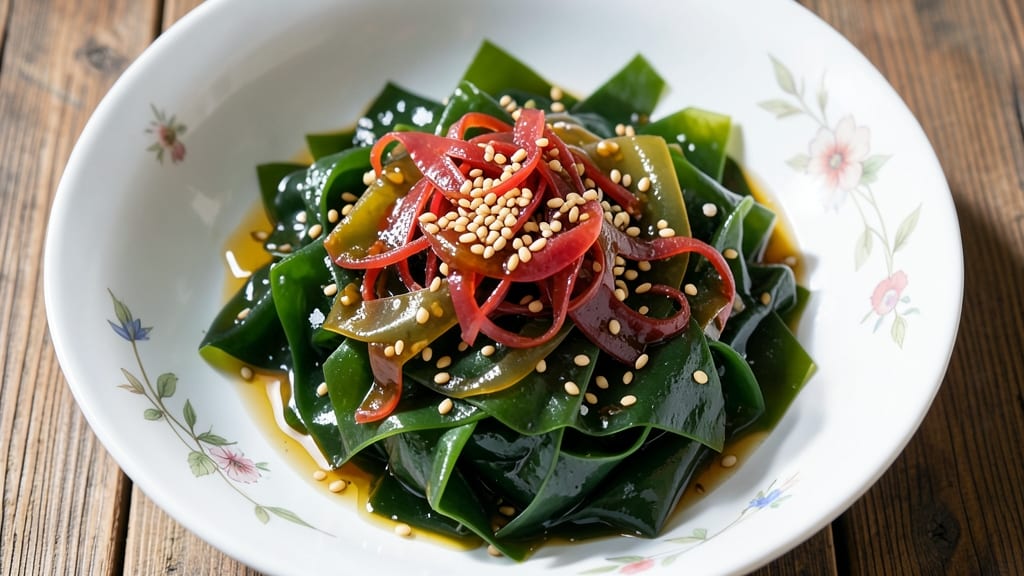
This authentic seaweed salad recipe brings the vibrant flavors of traditional Japanese cuisine to your table with its signature umami crunch and bright sesame dressing.
The key to achieving that restaurant-quality texture lies in proper preparation—soaking, rinsing, and seasoning the seaweed just right to eliminate any bitterness while preserving its delicate crunch. I've perfected this technique over years of testing, ensuring every bite delivers that perfect balance of saltiness, nuttiness, and freshness.
The foundation of this dish is high-quality dried seaweed—either wakame for its tender texture or miyeok for a heartier bite—paired with a zesty sesame dressing that ties everything together.
What makes this recipe truly authentic is the attention to detail: from the precise amount of rice vinegar to the toasted sesame seeds that add depth of flavor.
The result is a salad that's both satisfying and light, making it an ideal accompaniment to sushi, rice bowls, or even as a standalone vegan dish.
By following this method, you'll end up with a salad that's crisp, flavorful, and packed with umami—qualities that make it a staple in Japanese cuisine. The dressing, made with sesame oil, soy sauce, and a touch of citrus, cuts through the seaweed's natural saltiness while enhancing its natural sweetness.
This is the kind of dish that proves plant-based eating can be rich, textured, and deeply satisfying.
Whether you're serving this as part of a sushi night or as a refreshing side for a meal, this authentic seaweed salad will elevate your dining experience. The process is straightforward once you know the secrets, and the results are consistently impressive.
Let's get started on creating this umami-packed crunch that's sure to become a favorite in your kitchen.
Ingredients for authentic seaweed salad
High-quality seaweed and toasted sesame seeds bring authentic Japanese flavors to this umami-packed salad.
| Ingredient | Amount | Notes |
|---|---|---|
| Dried Wakame Seaweed 🍃 | 4 oz | High-quality, organic preferred |
| Dried Miyeok Seaweed 🍃 | 2 oz | For heartier texture |
| Rice Vinegar 🍶 | ½ cup | Seasoned preferred for depth |
| Toasted Sesame Oil 🫒 | 2 tbsp | High-quality for authentic flavor |
| Soy Sauce 🍶 | 2 tbsp | Japanese tamari preferred |
| Sesame Seeds 🌾 | 2 tbsp | Toasted until golden |
| Sesame Seeds 🌾 | 1 tbsp | For garnish (extra toasted) |
| Fresh Ginger 🧄 | 1 tbsp | Finely grated, fresh preferred |
| Honey Substitute 🍯 | 1 tbsp | Agave nectar or maple syrup |
| Sesame Dressing Base 💧 | ¼ cup | Water for thinning dressing |
| Lemon Juice 🍋 | 1 tbsp | Freshly squeezed |
| Diamond Crystal Kosher Salt 🧂 | ½ tsp | For seasoning seaweed |
| Cane Sugar 🍬 | 1 tsp | For balancing flavors |
The seaweed is the star—dried wakame for tender bites and miyeok for a heartier texture. Grab these from the Asian market if possible, where they keep them fresh and properly dried. Look for seaweed that's vibrant in color (not dull or yellowed) and free of any strong fishy odor. If using pre-packaged wakame from the grocery store, check the expiration date—it loses flavor fast once opened. For the sesame seeds, toast them yourself in a dry pan for 2-3 minutes until golden—they make all the difference in that nutty crunch. If you can't find miyeok, swap in extra wakame or even dried nori strips for variety.
No sesame oil? Toasted sesame seeds blended with neutral oil works in a pinch, though it won't be as smooth. For the honey substitute, agave nectar or maple syrup both work beautifully—just don't use artificial sweeteners. The rice vinegar should be seasoned (not plain) for that extra umami punch. If you're short on time, pre-toasted sesame seeds from a jar are fine, but fresh-toasted always tastes better. The ginger needs to be freshly grated—pre-minced jarred ginger has a metallic aftertaste that ruins the dish. For extra brightness, add a pinch of red pepper flakes to the dressing if you like a little heat.
Seaweed keeps best in an airtight container in the fridge for up to 3 days after soaking. The dressing, once made, lasts 5 days in the fridge—just give it a quick shake before using. I like to make a double batch of dressing so I can drizzle it on other dishes too. For serving, toss the seaweed with just enough dressing to coat lightly—over-dressing makes it soggy. Store any leftovers separately from the dressing to keep that perfect crunch. If you're prepping ahead, soak and rinse the seaweed the night before—it's ready to toss with dressing in minutes.
Why You'll Love This Recipe
- I swear by this trick: just toss the dried wakame and miyeok in warm water for 10 minutes instead of the usual 20. Same chewy texture, half the waiting. Honestly, that little time hack makes it my go-to for busy nights when I’m still in my pajamas at 7:30pm.
- No-Soak Shortcuts: I swear by this trick: just toss the dried wakame and miyeok in warm water for 10 minutes instead of the usual 20. Same chewy texture, half the waiting. Honestly, that little time hack makes it my go-to for busy nights when I’m still in my pajamas at 7:30pm.
- Umami Bomb Combo: The soy sauce and toasted sesame oil? That’s where the magic happens. The wakame’s briny depth meets the nutty richness of sesame—like a tiny flavor explosion in every bite. Even my picky husband grabs seconds, and that’s saying something.
- Lunchbox Legend: This salad keeps perfectly for 4 days in the fridge, no weird textures or soggy bits. I pack it in bento boxes for work or school lunches—crunchy, tangy, and way more exciting than sad lettuce. (Yes, even on a Tuesday.)
Step-by-step instructions for authentic seaweed salad
Here's how to craft this umami-rich Japanese classic with perfect texture and balance.
Rehydrate the Seaweed Properly
Place the 4 oz dried wakame seaweed and 2 oz dried miyeok seaweed in a large bowl. Pour over 0.5 cup cold rice vinegar and add 0.5 tsp diamond crystal kosher salt and 1 tsp cane sugar. Let soak for 10 minutes—this initial soak prevents over-softening later. After 10 minutes, drain using a fine-mesh strainer, pressing gently to remove excess liquid. Rinse briefly under cold water to stop the soaking process immediately.
The wakame will expand dramatically while the miyeok maintains its firmer texture. Here's the thing—over-soaking turns seaweed mushy. You want crisp edges with tender centers, so timing matters. Give the wakame a quick squeeze to check texture before proceeding.
Create the Signature Sesame Dressing
In a small bowl, whisk together 0.25 cup sesame dressing base, 2 tbsp toasted sesame oil, 2 tbsp soy sauce, 1 tbsp honey substitute, 1 tbsp lemon juice, and 1 tbsp finely grated fresh ginger. The dressing should be smooth but still slightly textured from the ginger. Taste and adjust—you might want to add a touch more rice vinegar if it's too heavy.
This is where the authentic umami magic happens. The toasted sesame oil carries the nutty depth while the ginger adds bright, zesty contrast. I always make sure the ginger is finely grated—no visible bits. If you're using agave as your honey substitute, it'll add subtle floral notes that complement the seaweed beautifully.
Toss with Crispy Sesame Garnish
Return the drained seaweed to the bowl and gently fold in 2 tbsp toasted sesame seeds. Add the prepared dressing and toss carefully with chopsticks or clean hands. The seaweed is delicate—you want to coat it evenly without tearing. Let the salad sit for 5 minutes to allow all flavors to meld together.
Here's the secret to perfect texture: don't over-toss. The seaweed should maintain its shape while being thoroughly coated. If it looks dry after tossing, add 1-2 teaspoons of cold water to help the dressing cling. The salad should have a glossy sheen from the sesame oil.
Garnish and Serve Immediately
Transfer the seaweed salad to a serving platter and sprinkle with the remaining 1 tbsp toasted sesame seeds. These extra seeds add both visual contrast and nutty crunch with every bite. Serve immediately while the seaweed maintains its perfect texture—it won't keep well once tossed.
This dish shines when served at room temperature, so take it out of the fridge 15 minutes before serving if it's been chilled. The flavors develop beautifully when slightly warmed. For an authentic presentation, serve in individual bowls with a small dish of extra dressing on the side—it's always welcome for those who prefer more umami intensity.
Pro Tips For Making Authentic Seaweed Salad
- SOAK WAKAME 10 MINUTES: Dried wakame needs just enough water to plump—not drown. Toss it in cold water for 10 minutes max, then drain. Over-soaking turns it mushy, and nobody wants that texture. Trust the clock, not the "it looks done" guess.
- STORE MIYEOK DRY: Skip the pre-soaking urge with miyeok—it’ll dry out fast. Keep it in a sealed container until you’re ready to rehydrate, or it’ll lose its crisp snap. The last thing you want is sad, limp seaweed in your salad.
- ACIDIFY BEFORE OIL: Add rice vinegar and soy sauce to the seaweed first, then drizzle in sesame oil last. Mixing oil in early makes the dressing separate like a lazy salad. Layer flavors properly, or you’ll end up with a greasy mess instead of a bright, cohesive bite.
- SALT THE WATER: Use a pinch of salt in the soaking water for wakame—it balances the flavor right from the start. No need to fuss with extra seasoning later. I learned this the hard way after tasting bland, waterlogged seaweed.
Troubleshooting great authentic seaweed salad
Mushy Seaweed Fix
If your seaweed turns mushy, you likely over-soaked it. The key is a 10-minute soak in cold rice vinegar—never hot water. For future batches, use a fine-mesh strainer and press gently to remove excess liquid.
If already mushy, squeeze out moisture with paper towels and toss with 1 tsp toasted sesame seeds to add texture. 🔥
Bitter Taste Solution
Bitter seaweed usually means it was dried improperly or stored too long. Always buy vibrant, fresh-smelling dried seaweed from Asian markets. If using pre-packaged, check the expiration date—it should be within 3 months.
For immediate fixes, rinse thoroughly in cold water after soaking, then toss with extra sesame oil to mask bitterness.
Dressing Too Heavy
If the dressing overwhelms the seaweed, reduce the sesame oil by ½ tbsp and increase rice vinegar by 1 tsp. The dressing should coat lightly, not drown.
For extra brightness, add ½ tsp lemon juice to cut through richness. Always taste as you go—authentic versions balance umami with acidity. ✨
Storing Leftovers
Store seaweed and dressing separately in airtight containers for up to 3 days. Rehydrate seaweed fresh before tossing with dressing to maintain crunch. If reheating, warm gently in a dry pan for 1-2 minutes—never microwave, as it destroys texture.
For best results, make this salad fresh whenever possible. 💫
No Crunch Factor
Lack of crunch usually means over-tossing or soggy seaweed. Toss gently with chopsticks and let sit 5 minutes before serving. For extra crunch, add 1 tbsp toasted sesame seeds right before plating. If seaweed feels limp, spread on a wire rack for 10 minutes to dry slightly before serving.
Flavor Too Mild
Boost umami by increasing soy sauce to 3 tbsp or adding ½ tsp fish sauce (for non-vegan versions). For vegan options, use 1 tsp mushroom powder. Freshly toasted sesame seeds and grated ginger also deepen flavor. Always taste the dressing before tossing—authentic versions are bold, not subtle. 💪
Nutrition facts
Frequently asked questions
What's the difference between wakame and miyeok seaweed?
Wakame is tender and delicate with a mild ocean flavor, perfect for salads. Miyeok has a heartier, slightly chewier texture that adds nice contrast. For this recipe, wakame provides the base while miyeok gives that satisfying bite. You can substitute miyeok with extra wakame or dried nori strips if needed.
Can I make this seaweed salad ahead of time?
Store the soaked seaweed and dressing separately in airtight containers for up to 3 days. Rehydrate the seaweed fresh before tossing with dressing to maintain that perfect crunch. For best results, assemble it just before serving to preserve texture.
How do I prevent my seaweed from turning bitter?
Use fresh, vibrant seaweed with no fishy odor—buy from Asian markets for the best quality. Always soak in cold rice vinegar for exactly 10 minutes and rinse thoroughly. Extra sesame oil helps mask any bitterness.
What are good serving suggestions for this salad?
This authentic seaweed salad pairs beautifully with sushi rolls, rice bowls, or grilled fish. It also makes a refreshing vegan appetizer. For extra flair, serve in individual bowls with extra dressing on the side.
Can I substitute sesame oil if I don't have it?
Yes! Blend 2 tbsp toasted sesame seeds with 1 tbsp neutral oil for a homemade substitute. The flavor won't be as smooth, but it'll still add that nutty depth. For best results, use high-quality sesame oil if possible.