
Salads
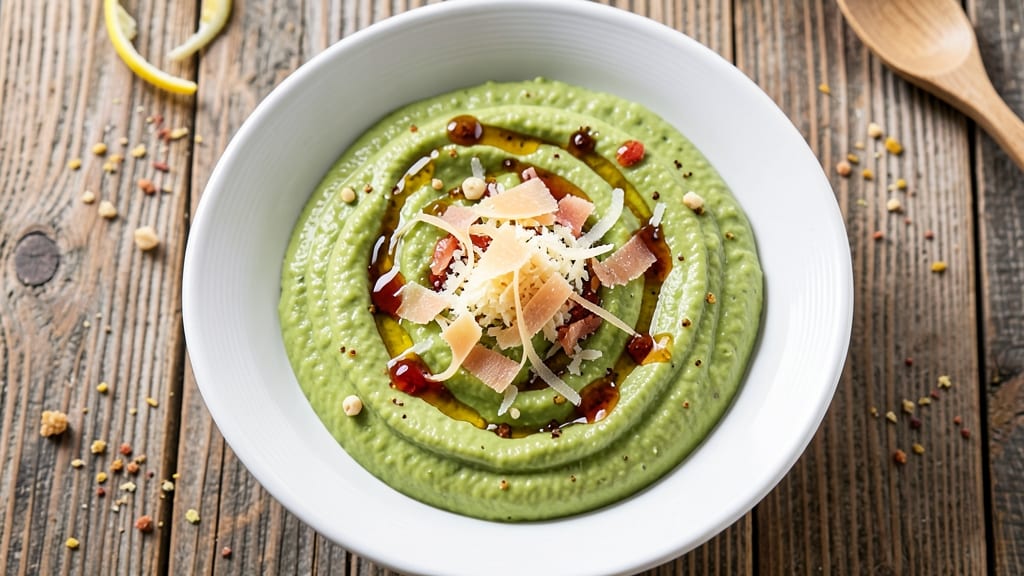
This avocado Caesar salad dressing recipe transforms classic Caesar into a luscious, vegetarian masterpiece where avocado replaces anchovies for unmatched creaminess. The secret lies in blending ripe avocado with sharp parmesan, garlic, and a touch of mustard to create a stable emulsion that clings beautifully to greens.
I've perfected this version after years of experimenting with plant-based alternatives—no anchovies, no egg yolks, just rich, velvety texture that rivals traditional recipes.
The magic happens when you combine avocado's natural fats with properly grated parmesan, which adds depth without overpowering. A splash of lemon juice brightens the flavors while the mustard helps bind everything together, creating a dressing that stays creamy even after chilling.
This version works perfectly with romaine hearts, croutons, and shaved parmesan for that classic Caesar experience, but it also elevates wraps, grain bowls, and even pasta dishes.
What sets this dressing apart is its ability to maintain that signature Caesar richness while being completely plant-based. The avocado provides a luxurious mouthfeel that traditional Caesar dressings can't match, and the parmesan delivers that signature umami punch.
Best of all, it keeps well in the refrigerator for up to 5 days, making it an ideal make-ahead sauce for busy weeknights.
For maximum flavor, let the dressing sit for 10 minutes after blending to allow the ingredients to fully meld. The result is a dressing that's creamy yet balanced, tangy yet rich—a true game-changer for anyone looking to upgrade their Caesar salad game without compromising on texture or taste.
Here's how to make it perfectly every time.
Ingredients for avocado caesar salad dressing
Nine essential ingredients transform classic Caesar into velvety, plant-based perfection.
| Ingredient | Amount | Notes |
|---|---|---|
| Ripe Avocados 🥑 | 2 whole | Pitted, flesh scooped |
| Fresh Lemon Juice 🍋 | 2 tbsp | Freshly squeezed |
| Extra-Virgin Olive Oil 🫒 | ½ cup | High-quality, fruity |
| Parmesan Cheese 🧀 | ½ cup | Freshly grated, aged |
| Dijon Mustard 🍯 | 1 tbsp | Mild or strong |
| Garlic Cloves 🧄 | 2 cloves | Fresh, minced |
| Vegetable Broth 💧 | ¼ cup | Low-sodium preferred |
| Sea Salt 🧂 | 1 tsp | Diamond Crystal preferred |
| Black Pepper 🌶️ | ½ tsp | Freshly ground |
| Maple Syrup 🍁 | 1 tsp | Pure, grade B preferred |
The avocados are non-negotiable—their natural fats create that signature creamy texture. Ripe but firm avocados yield the best results; avoid any with soft spots or browning. For Parmesan, aged wheels from specialty shops deliver superior depth—pre-grated lacks the sharp, nutty flavor. The olive oil should be extra-virgin with noticeable fruitiness; store-bought supermarket brands often lack the complexity. Fresh garlic and lemon juice are critical for brightness, so don't substitute powdered forms. I source my vegetable broth from Imagine brand for its clean, umami profile, which blends seamlessly with the avocado's richness.
No fresh avocados? Ripe but firm Hass avocados work best—avoid overly soft ones. Substitute the Parmesan with nutritional yeast for a cheesy flavor>, though it lacks the same depth. For a tangier dressing, increase lemon juice by 1 tsp. The Dijon mustard can be swapped for whole-grain mustard>, but it may alter texture slightly. If you prefer less sweetness, reduce maple syrup to ½ tsp or omit entirely. The vegetable broth can be replaced with water plus ½ tsp soy sauce> for a quick fix, though the umami will be more subtle. For a thinner consistency, add 1-2 tbsp of water or broth while blending.
This dressing maintains its creamy texture for 5 days refrigerated>, though flavor peaks within the first 2 days. Store in an airtight container with a thin layer of olive oil on top to prevent browning. For longer storage, freeze in ice cube trays—thaw and whisk before use. The dressing thickens slightly when chilled, so add a splash of water or broth if needed before serving. Always blend until completely smooth for the best emulsion; a high-speed blender yields the creamiest results. The dressing works best at room temperature, so let it sit for 10 minutes before tossing with greens.
Why You'll Love This Recipe
- No Blender Needed: I’ll be real—this dressing comes together with a fork and a bowl. Mash the avocado with lemon juice and olive oil until it’s just smooth enough, then fold in the Parmesan and Dijon. No pulsing, no waiting, no cleanup. Honestly, it’s the kind of recipe that makes me feel like I’ve outsmarted my lazy days.
- Creamy Without Mayo: The avocado gives it that luxurious, velvety texture without a single drop of mayo. That bright lemon juice keeps it fresh, while the Parmesan adds a sharp, salty kick. It’s the kind of dressing that makes you take an extra bite—even if you’re just dipping toast.
- Works Everywhere: This isn’t just for salads. Drizzle it over roasted chicken, toss it with grilled shrimp, or slather it on avocado toast. I’ve even used it as a dip for veggie sticks when I’m too tired to cook. Between us, it’s my go-to for turning boring meals into something that feels special.
- Lasts Days (Yes, Really): Unlike traditional Caesar dressing, this one doesn’t separate or turn weird in the fridge. Store it in a jar for up to five days, and it’ll still taste like you just made it. Plus, the avocado keeps it rich without breaking the bank—way cheaper than buying bottled dressing every time.
Step-by-step instructions for avocado Caesar salad dressing
This ultra-creamy dressing delivers restaurant-quality richness with avocado's velvety texture and Parmesan depth.
Prepare the Avocado Base
Cut the 2 whole ripe avocados in half, remove the pits, and scoop the flesh directly into a food processor. The avocados should be completely ripe but firm enough to hold their shape when scooped. I like to press down gently on the avocado flesh with a spoon to ensure every bit makes it into the processor—this maximizes the creamy texture we're after.
Add the 2 tablespoons of freshly squeezed lemon juice immediately after the avocados. The acidity prevents browning and brightens the avocado's natural flavor. Pulse the mixture briefly—just until the avocados break down into a coarse paste. Don't over-process here; we want to preserve some texture for that authentic Caesar dressing character. The mixture should resemble chunky guacamole at this stage.
Incorporate Aromatics and Umami Builders
Add the 2 minced garlic cloves, 1 tablespoon of Dijon mustard, and 1 teaspoon of maple syrup to the food processor. The garlic should be finely minced—almost paste-like—to distribute evenly without overpowering. Pulse again until these ingredients are fully incorporated into the avocado mixture, scraping down the sides of the processor bowl as needed to ensure everything combines smoothly.
Now add the 0.5 cup of freshly grated Parmesan cheese. I find that freshly grated cheese makes a noticeable difference in texture and flavor compared to pre-shredded varieties. The cheese should melt into the avocado mixture, creating a thick, velvety base. This is where the dressing starts to develop its signature richness and depth of flavor. The combination of avocado fat and Parmesan creates an incredibly smooth, almost mousse-like consistency.
Emulsify with Olive Oil and Broth
With the processor running, slowly drizzle in the 0.5 cup of extra-virgin olive oil through the feed tube. This gradual addition is crucial—it allows the oil to emulsify properly with the avocado mixture rather than separating out. The processor should be running on medium speed as you add the oil. You'll notice the mixture will look broken and oily at first, but keep processing for about 1 minute after all the oil is added.
Add the 0.25 cup of low-sodium vegetable broth and process for another 30 seconds. The broth helps create the perfect balance of creaminess and lightness in the dressing. The texture should now be smooth and silky, with the consistency of heavy cream. If it's still too thick, add 1 tablespoon of water at a time until you reach your desired consistency. The dressing should coat the back of a spoon but still be pourable.
Season and Finish
Transfer the dressing to a bowl and taste immediately. Season with the 1 teaspoon of sea salt and 0.5 teaspoon of freshly ground black pepper. Remember, the Parmesan is already quite salty, so adjust the additional salt carefully. The pepper should be freshly ground to release its aromatic oils and provide a nice contrast to the richness of the dressing.
Let the dressing rest at room temperature for 10 minutes before using. This resting period allows the flavors to meld together and the texture to stabilize. The dressing will thicken slightly as it sits, which is normal. If you need to thin it out before serving, add a splash of cold water or vegetable broth, 1 tablespoon at a time, until you reach your preferred consistency. This ultra-creamy avocado Caesar dressing is now ready to elevate your salads to new heights.
Pro Tips For Making Avocado Caesar Salad Dressing
- Mash, Don’t Blend: I learned this the hard way—using a blender turns avocado dressing into a sad, grainy paste. Grab a fork and mash the avocado first until it’s completely smooth, then drizzle in the olive oil while stirring. This keeps the texture creamy without overworking it into avocado butter.
- Use Aged Parmesan: Freshly grated Parmesan tastes sharp and salty, but aged (12+ months) melts into the dressing with a deeper, nuttier flavor. If you’re in a pinch, toast the shavings in a dry pan for 30 seconds—it mimics that aged richness.
- Balance the Mustard: Skip the measuring spoon and taste as you go: start with 1 teaspoon Dijon, then add lemon juice in ½-teaspoon increments. The mustard’s tang needs to play second fiddle to the avocado’s richness—too much and the dressing turns bitter.
- Lemon Juice First: Acid kills avocado browning faster than anything. Toss the mashed avocado with lemon juice immediately, then let it sit for 2 minutes before adding the rest. This trick keeps your dressing vibrant for hours, not minutes.
Dietary considerations for this dish
Vegetarian-Friendly
This avocado Caesar dressing is completely plant-based, replacing traditional anchovies with ripe avocado for creaminess and Parmesan for umami depth. The dressing maintains that signature tangy, savory profile without any animal products, making it perfect for vegans and vegetarians. 🌱
For extra protein, stir in 1 tablespoon of nutritional yeast per serving—it adds a cheesy flavor and boosts the amino acid content. The dressing also works well with vegan Parmesan substitutes like Violife or Follow Your Heart brands, though freshly grated dairy Parmesan delivers the most authentic depth.
Gluten-Free
All ingredients in this recipe are naturally gluten-free, but always double-check labels on Dijon mustard and vegetable broth for hidden gluten. Brands like Annie's or Pacific Foods offer certified gluten-free mustards, while Imagine or Low-Sodium Vegetable Broth from Pacific Foods are safe choices.
The dressing's creamy avocado base ensures no gluten is needed for texture.
For added safety, I recommend keeping a dedicated gluten-free food processor if you also prepare gluten-containing foods in the same appliance. The avocado's natural fats create a stable emulsion that doesn't require gluten-based thickeners, making this one of the easiest gluten-free dressings to make.
Nut-Free
This dressing is naturally nut-free, but always verify that your extra-virgin olive oil and maple syrup are processed in nut-free facilities. Brands like California Olive Ranch and Trader Joe's often have clear allergen information on their labels. The avocado provides all the creaminess without any nut-based ingredients.
If you're serving to guests with severe nut allergies, consider adding a label note: "Contains no nuts, made in a nut-free facility." The dressing's rich texture comes entirely from avocado and olive oil, making it a safe option for nut-free diets.
Low-Fat Option
For a lighter version, reduce the olive oil to ¼ cup and increase the vegetable broth to ½ cup. The avocado still provides healthy fats, but this adjustment cuts calories by about 30%.
The dressing will be slightly thinner but still maintain its creamy texture due to the avocado's natural emulsifying properties.
Pair this lighter dressing with grilled chicken salad or quinoa bowls for a balanced meal. The avocado's healthy monounsaturated fats remain intact, while the reduced oil makes it a better fit for heart-healthy diets.
Allergen Awareness
This dressing contains dairy (Parmesan) and soy (if using soy sauce in broth) as potential allergens. For dairy-free versions, substitute the Parmesan with nutritional yeast or dairy-free cheese alternatives like Miyoko's. Always check labels on vegetable broth for soy content if avoiding soy allergens.
When serving to multiple guests with allergies, prepare separate batches using dedicated utensils and equipment. The avocado base is versatile enough to accommodate various dietary restrictions while maintaining its signature creamy texture.
Nutrition facts
Frequently asked questions
Why does this avocado Caesar dressing stay creamy without eggs?
The avocado's natural fats act as a perfect emulsifier, binding with the olive oil and creating that signature velvety texture. The Dijon mustard adds stability, while the gradual blending process ensures everything combines smoothly. No eggs needed—just pure avocado magic!
Can I make this dressing ahead of time?
Store it in an airtight container with a thin layer of olive oil on top to prevent browning. It keeps well in the refrigerator for up to 5 days. The flavors actually meld better after chilling, though it may thicken slightly—just add a splash of broth or water when ready to use.
What's the best way to fix a broken emulsion?
If your dressing separates, simply blend it again with 1 tablespoon of warm water or broth. The avocado's natural oils will re-emulsify quickly. For extra insurance, add ½ teaspoon of xanthan gum or a pinch of cornstarch to stabilize it. Stir well and blend again for a smooth finish.
How can I make this dressing vegan?
Swap the Parmesan for nutritional yeast (1:1 ratio) and use a vegan Parmesan alternative like Miyoko's. For extra richness, add 1 tablespoon of cashew cream> (soaked cashews blended with water) to replace the avocado's creaminess. The dressing will still be ultra-smooth and packed with flavor!
What's the secret to preventing avocado browning?
Add the lemon juice immediately after scooping the avocado and blend the dressing right away. The acidity slows oxidation, but for longer storage, press plastic wrap directly onto the surface of the dressing in the container to minimize air exposure. Use within 5 days for best results.