
Salads
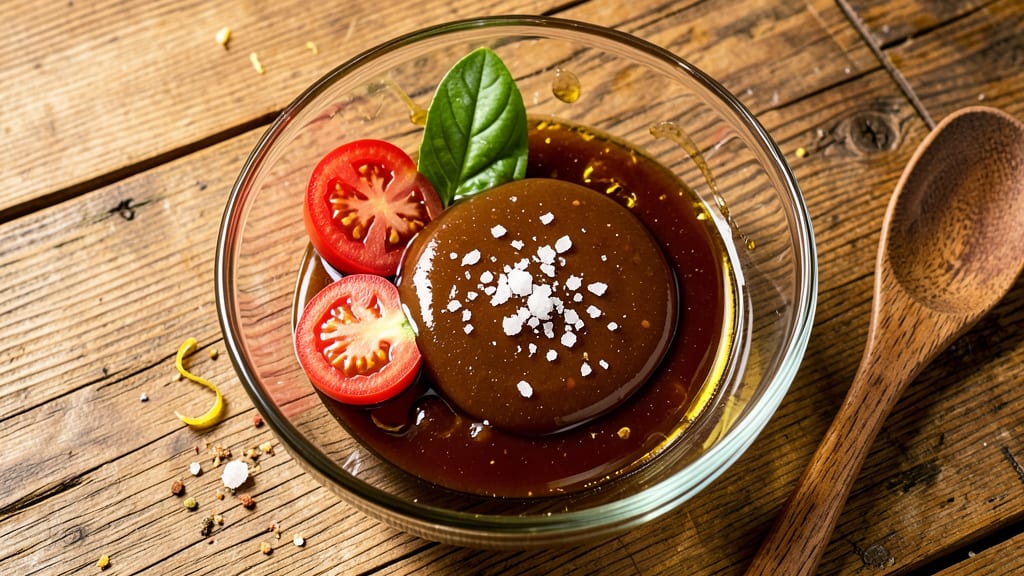
This balsamic reduction salad dressing recipe transforms simple greens into a gourmet masterpiece with its deep, tangy gloss that clings beautifully to every leaf. The secret lies in reducing high-quality balsamic vinegar until it becomes a thick, syrupy base that adds richness without overpowering.
I've perfected this recipe to create a dressing that's versatile enough for any salad while delivering restaurant-quality depth in just 15 minutes of active time.
The process is simpler than you might think—no emulsifiers needed. You'll start with balsamic vinegar and a touch of honey or sugar to balance the acidity, then reduce it until it reaches the perfect consistency.
This concentrated flavor base can be thinned with olive oil and a splash of water to create a glossy, clingy dressing that enhances rather than overwhelms your greens. The result is a dressing that's both elegant and approachable, perfect for elevating everything from simple arugula salads to hearty grain bowls.
What makes this dressing truly special is its ability to transform ordinary ingredients into something extraordinary. The reduced balsamic adds layers of complexity—sweet, tangy, and slightly bitter—that complement fresh vegetables, creamy cheeses, and grilled proteins beautifully.
It's the kind of dressing that makes you want to dress every salad you make, from classic Caprese to vibrant quinoa bowls. The best part? It keeps well in the refrigerator for up to two weeks, so you can make a batch and enjoy it all week long.
For those who prefer a touch of extra flavor, consider adding a teaspoon of Dijon mustard or a splash of maple syrup to the finished dressing. These variations add depth and make the dressing even more versatile.
Whether you're dressing a simple green salad or creating a showstopping dish for a dinner party, this balsamic reduction will elevate your meal to new heights.
Ingredients for balsamic reduction salad dressing
Eight simple ingredients create this restaurant-quality dressing that transforms ordinary salads into gourmet masterpieces.
| Ingredient | Amount | Notes |
|---|---|---|
| Balsamic Vinegar 🍷 | 1 cup | High-quality aged balsamic preferred |
| Honey 🍯 | 2 tbsp | Or maple syrup for vegan option |
| Extra-Virgin Olive Oil 🫒 | ½ cup | For thinning and richness |
| Water 💧 | 1 tbsp | For thinning consistency |
| Dijon Mustard 🌶️ | 1 tsp | Optional for extra depth |
| Sea Salt 🧂 | ½ tsp | To taste after reduction |
| Black Pepper 🌶️ | ¼ tsp | Freshly cracked for best flavor |
| Fresh Basil Leaves 🌿 | ¼ cup | Chopped, for garnish and freshness |
The balsamic vinegar is the star—look for aged balsamic at Trader Joe's or Whole Foods, not the cheap stuff. The honey balances the acidity perfectly, but maple syrup works just as well if you're avoiding honey. Extra-virgin olive oil adds richness, so grab a bottle you'd actually drizzle on bread. Fresh basil is optional but adds a bright, aromatic finish that ties everything together—I always grow a pot on my windowsill so I never run out. For the mustard, Maille Dijon is my go-to, but any good-quality Dijon will work.
No honey? Agave nectar or brown sugar works in a pinch, though honey's floral notes are ideal. Want more depth? Add a pinch of smoked paprika to the reduction. The dressing can be made up to 2 days ahead, which is perfect for meal prep. If you prefer a thinner consistency, just add a splash more water. For a sweeter dressing, increase the honey to 3 tbsp—it's that easy. The salt and pepper are for seasoning after reduction, so taste as you go. If you're using this for a Caprese salad, skip the basil in the dressing and garnish separately for maximum freshness.
Store in an airtight jar in the fridge for up to 2 weeks. The flavors actually deepen over time, so it's worth making a big batch. For a dinner party, make it the day before—it'll taste even better. Shake well before each use, as the oil will separate. If you end up with extra, it makes an incredible drizzle for roasted vegetables or grilled meats. Freezes beautifully for 3 months too, though texture may change slightly.
Why You'll Love This Recipe
- Five-Ingredient Magic: I swear by this combo—just vinegar, honey, oil, water, and mustard. That’s it. No fancy gadgets, no last-minute grocery runs. Honestly, I’ve made it blindfolded (okay, maybe not, but you get the point).
- Sweet-Savory Balance: The honey and Dijon mustard team up to cut through the sharpness of the balsamic, leaving a glossy, tangy finish. It’s the kind of dressing that makes even the simplest greens taste like a restaurant-worthy dish—no overpowering bitterness here.
- Meal-Prep MVP: I keep a jar in my fridge for weeks. Drizzle it on roasted veggies, toss it with grain bowls, or even use it as a marinade. It’s my go-to for when I’m too tired to think but still want flavor—no reheating, no fuss.
- Budget-Busting Luxury: Extra-virgin olive oil and aged balsamic might sound fancy, but you only need a splash of each. The rest? Pantry staples. I’ve made gallons of this for under $10, and it still tastes like I spent hours in the kitchen. (Between us, I often do.)
Step-by-step instructions for balsamic reduction salad dressing
Transform simple pantry staples into a rich, glossy dressing that elevates any salad from ordinary to extraordinary.
Combine Balsamic Vinegar and Honey
Pour the 1 cup Balsamic Vinegar and 2 tbsp Honey into a small, heavy-bottomed saucepan. I use a stainless steel pan because it conducts heat evenly and prevents scorching. Stir to dissolve the honey completely—this ensures a smooth reduction without graininess. Place the pan over medium-high heat and bring the mixture to a gentle boil.
Watch closely as the mixture bubbles—you want to maintain a steady simmer, not a rolling boil. The honey will dissolve quickly, but don't walk away. This is where the magic starts, and you don't want any burnt bits ruining your dressing. Once boiling, reduce the heat to medium to maintain a steady simmer and let it cook uncovered.
Simmer Until Reduced by Half
Let the mixture simmer for 10-12 minutes, stirring occasionally with a wooden spoon. You're looking for a dramatic reduction—about half the original volume. The balsamic will darken to a deep amber color, and the aroma will become intensely rich and caramelized. This reduction concentrates the flavors and creates that signature glossy finish.
I know it seems like forever, but patience is key here. If you rush it, the dressing will taste sharp and unfinished. You'll know it's ready when the mixture has thickened noticeably and coats the back of a spoon. The exact time depends on your stove, so trust your eyes and nose more than the clock.
Add Olive Oil and Water for Emulsion
Once reduced, remove the pan from heat and let it cool slightly for 2-3 minutes. This cooling step prevents the olive oil from immediately separating. Stir in the 0.5 cup Extra-Virgin Olive Oil and 1 tbsp Water—this creates the perfect emulsion that keeps your dressing smooth and creamy.
Add the 1 tsp Dijon Mustard and whisk vigorously to combine. The mustard acts as an emulsifier, helping the oil and vinegar mixture bind together. This step is crucial for that silky texture that clings beautifully to greens. If you're using maple syrup instead of honey, add it now along with the olive oil and water.
Season and Finish with Fresh Basil
Taste the dressing and adjust the seasoning with 0.5 tsp Sea Salt and 0.25 tsp Black Pepper. Remember, the balsamic reduction is already quite salty, so go easy with the salt. The pepper adds a nice contrast to the sweet-tangy flavors. Stir well to incorporate the seasonings completely.
Finally, add the 0.25 cup chopped Fresh Basil Leaves and stir gently. The basil adds a bright, fresh note that balances the richness of the balsamic. Let the dressing sit for 5 minutes to allow all the flavors to meld together. This resting time makes a surprising difference in how cohesive and delicious the final product tastes.
Store and Use for Maximum Freshness
Transfer the dressing to a clean glass jar with a tight-fitting lid. Store it in the refrigerator for up to 2 weeks. The flavors will continue to develop and deepen over time, making it even more delicious as it ages. When ready to use, give it a good shake before pouring—this helps redistribute any separated oil.
This dressing works beautifully on mixed greens, arugula, or even as a drizzle over roasted vegetables. The glossy finish and perfect balance of sweet, tangy, and savory flavors will make your salads the star of any meal. And the best part? You'll have leftovers to enjoy for days to come.
Pro Tips For Making Balsamic Reduction Salad Dressing
- Simmer Slow and Low: Balsamic vinegar burns faster than you’d think—keep the heat at a gentle simmer (just small bubbles, not a rolling boil) or you’ll end up with bitter, charred syrup instead of rich reduction. I learned this the hard way after my first batch turned into vinegar-flavored cough syrup.
- Use Real Honey: Skip the cheap processed honey—it won’t dissolve properly and leaves a gritty texture. Go for raw, local honey if you can; it blends smoother and adds depth to the dressing. Trust me, your salad will taste like you actually put effort into it.
- Emulsify the Mustard First: Whisk the Dijon mustard into the olive oil before adding anything else—this creates a base that won’t break when you mix in the vinegar reduction later. I used to add it last, and the dressing always separated like a sad, greasy puddle.
- Dilute Gradually: Start with just 1 tablespoon of water, then add more as you go—this keeps the dressing from getting too thin too fast. You can always add more, but you can’t take it back once it’s watery. (Yes, I’ve made that mistake.)
Make-ahead tips for leftovers
Batch Prep Strategy
Make a double batch of this dressing—it keeps beautifully in the fridge for 2 weeks and tastes even better as the flavors meld. I typically double the recipe and store it in two 8-ounce glass jars with tight lids.
This way, you always have dressing ready for last-minute salads or unexpected guests. The extra effort pays off with restaurant-quality flavor every time. 💪
Freezing for Long-Term Use
For maximum shelf life, freeze your dressing in ice cube trays—each cube makes a perfect single serving. Once frozen, transfer cubes to a ziplock freezer bag and label with the date.
Thaw overnight in the fridge before using. This method preserves texture better than freezing the full batch in one container. I’ve kept it frozen for 3 months without quality loss. 🧊
Thinning for Versatility
Adjust consistency by adding 1 tbsp water at a time if your dressing is too thick. For a lighter drizzle (great for roasted veggies), thin with 2 tbsp water. If you prefer a thicker glaze, reduce the water to ½ tbsp.
Always taste as you go—the dressing should coat the back of a spoon but still flow smoothly. 💧
Flavor Boosters Ahead
Prep flavor variations in advance by dividing the base dressing into separate jars. Add 1 tsp smoked paprika to one jar for a smoky twist, or 1 tsp grated ginger for an Asian-inspired kick.
Store these custom versions in the fridge for 1 week. I like keeping a honey-mustard version and a citrus-infused version on hand for different occasions. ✨
Salad Prep Pairing
Pre-chop your salad ingredients while the dressing reduces—this saves time later. Store greens (like arugula or spinach) in a sealed container with a paper towel to absorb moisture. Keep dressings and toppings (like cherry tomatoes or avocado) separate until ready to assemble.
This keeps everything fresh and crisp. I assemble salads 10 minutes before serving to prevent wilting. 🥗
Garnish Prep Shortcut
Chop all garnishes (basil, nuts, or cheese) and store them in small airtight containers in the fridge. This way, you can quickly elevate any salad with a sprinkle of freshness.
I keep pre-chopped basil in a glass jar with a damp paper towel to maintain vibrancy. Garnishes add color and texture, making even simple salads look gourmet. 🌿
Nutrition facts
Frequently asked questions
Can I substitute maple syrup for honey in this recipe?
Yes! Maple syrup works perfectly as a vegan alternative to honey. Use the same 2 tbsp measurement, but note it has a slightly different flavor profile—more earthy and less floral. For extra depth, add a pinch of cinnamon or vanilla extract to complement the maple's natural sweetness. The reduction process remains identical.
Why does my balsamic reduction turn grainy or separate?
This usually happens if the honey or maple syrup doesn't dissolve completely before reduction, or if you add olive oil too soon while the mixture is still hot. Always dissolve the sweetener first, then reduce until thickened. For separation, whisk vigorously after adding oil and water, or let the dressing rest for 5 minutes before using. A splash of water can also help re-emulsify it.
How can I make this dressing spicier?
Add ½ tsp red pepper flakes or 1 tsp hot sauce to the reduced balsamic mixture before adding oil. For a smoky kick, stir in ½ tsp smoked paprika during the reduction. If you prefer heat without spice, a dash of cayenne pepper works too. Always taste as you go—spices intensify during reduction!
What's the best way to use up extra dressing?
This versatile dressing works beyond salads! Drizzle it over roasted vegetables, grilled chicken, or steak for instant flavor. Use it as a marinade (thin with extra olive oil), or reduce it further to make a glaze for bruschetta. It also elevates pasta dishes—toss with al dente penne and fresh herbs. The possibilities are endless once you've made a batch!
Can I make this dressing without a stove?
Yes! For a no-cook version, mix ½ cup balsamic vinegar, 1 tbsp honey, ¼ cup olive oil, and 1 tbsp water in a jar. Shake vigorously for 2 minutes to emulsify. The flavor won't be as concentrated, but it's perfect for quick salads. For extra depth, let it sit at room temperature for 1 hour before using to allow flavors to meld.