
Salads
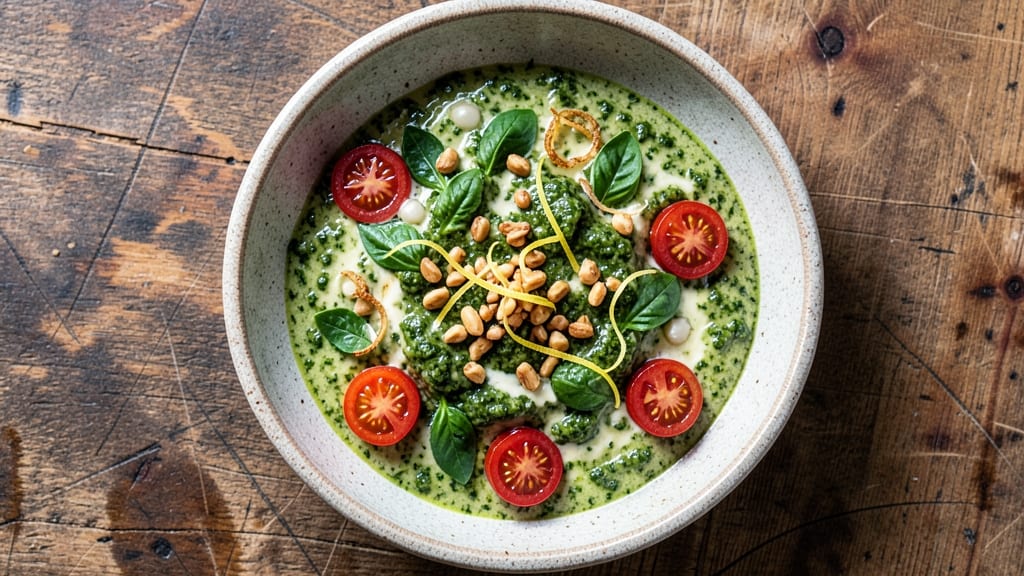
This basil pesto salad dressing recipe transforms fresh herbs into a vibrant, creamy dressing that elevates any salad in just 5 minutes. The secret lies in balancing rich basil pesto with bright lemon juice and a touch of garlic for depth—no heavy cream needed.
I developed this version after realizing store-bought pesto dressings never capture that garden-fresh brightness.
The base combines high-quality basil pesto with olive oil and lemon juice for a naturally emulsified dressing that clings beautifully to greens. A splash of Dijon mustard acts as a stabilizer, preventing separation while adding subtle tang.
For extra richness, you can stir in a spoonful of Greek yogurt or vegan mayo—though purists will love the lighter, herb-forward version.
What you'll get is a dressing that's fresh, tangy, and packed with herbaceous flavor—perfect for Caesar salads, grain bowls, or drizzled over roasted vegetables. The lemon brightens the pesto's richness while the mustard ties everything together into a smooth, velvety finish.
This recipe makes 1 cup, enough to coat a hearty salad or serve as a dip.
Store any leftovers in an airtight container in the fridge for up to 5 days, shaking gently before each use. For extra freshness, add a pinch of salt and a squeeze of lemon just before serving.
The key to great pesto dressing? Quality ingredients and a proper balance of acidity—no shortcuts here.
Ingredients for basil pesto salad dressing
Fresh basil, bright lemon, and rich olive oil—this dressing transforms simple greens into a restaurant-worthy bite.
| Ingredient | Amount | Notes |
|---|---|---|
| Fresh Basil Leaves 🌿 | 2 cups | Packed, stems removed, vibrant green |
| Extra-Virgin Olive Oil 🫒 | ½ cup | High-quality, fruity, cold-pressed |
| Garlic Cloves 🧄 | 3 cloves | Peeled, roughly chopped for depth |
| Dijon Mustard 🍯 | 1 tbsp | For emulsification and tang |
| Fresh Lemon Juice 🍋 | 2 tbsp | Freshly squeezed, no pulp |
| Vegetable Stock 💧 | ¼ cup | Low-sodium, homemade preferred |
| Sea Salt 🧂 | ½ tsp | Fine grain, Diamond Crystal preferred |
| Black Pepper 🌶️ | ¼ tsp | Freshly ground for warmth |
| Pine Nuts 🥜 | ¼ cup | Toasted lightly for richness |
| Greek Yogurt (optional) 🥛 | 2 tbsp | Plain, full-fat for creaminess |
The basil is non-negotiable here. Farmers market basil has the most vibrant flavor, but store-bought works if the leaves are bright green and free of bruises. Trader Joe's and Whole Foods carry excellent quality, or grow your own if you're feeling ambitious. Toast the pine nuts in a dry pan for 2-3 minutes until fragrant—they add a nutty depth that store-bought pesto often lacks. For the olive oil, skip the cheap stuff; California Extra Virgin or Italian brands like Bertolli make all the difference. The Dijon mustard acts as an emulsifier, so don't skip it—it's what keeps this dressing from separating like many store-bought versions.
No fresh basil? Dried basil at half the amount works in a pinch, though it won't have the same brightness. Short on pine nuts? Walnuts or cashews toasted and finely chopped are great substitutes—they just won't have that same delicate flavor. The Greek yogurt is optional but adds a lovely creaminess; for a vegan version, use silken tofu blended smooth instead. If you don't have vegetable stock, water with an extra pinch of salt will do. The lemon juice should be freshly squeezed—bottled juice lacks the acidity that balances the richness of the pesto. For extra tang, add a splash of apple cider vinegar.
This dressing stays fresh for 5 days in the fridge, stored in an airtight container with a thin layer of olive oil poured on top to preserve the herbs. Shake gently before each use—it may separate slightly but will re-emulsify. For best flavor, use within 3 days if possible. Leftovers make a fantastic dip for veggies or crostini. If you're prepping ahead, store the pesto base and lemon juice separately, then mix when ready to use. The dressing thickens slightly when chilled, so thin with a splash of water or more lemon juice if needed before serving.
Why You'll Love This Recipe
- No-Fuss Blender Magic: I swear by this—just toss basil, garlic, olive oil, and a splash of lemon into the blender. No straining, no fuss, and it’s ready while you boil pasta or chop veggies.
- Bright, Herby Zing: That fresh basil and lemon cut through everything—rich meats, creamy cheeses, even grilled veggies. Honestly, it’s the kind of dressing that makes a simple salad feel like a restaurant dish.
- Weeknight Workhorse: Use it on grain bowls, drizzle it over roasted chicken, or toss it with cold pasta. I keep a jar in the fridge for when I’m too tired to think but still want flavor.
- Budget-Friendly Luxury: Extra-virgin olive oil and fresh basil might sound fancy, but a little goes a long way. Stretch it over multiple meals, and you’ll feel like you’re eating gourmet without breaking the bank.
Step-by-step instructions for basil pesto salad dressing
Here's how to make vibrant, restaurant-quality basil pesto that elevates any salad in minutes.
Toast the Pine Nuts for Rich Nutty Depth
Heat a dry skillet over medium heat and add the 0.25 cup pine nuts. Toast them for 2-3 minutes, stirring constantly, until they turn a rich golden brown and release their nutty aroma. Watch closely—they burn quickly and become bitter if left unattended. Remove from heat immediately and let cool for 1 minute before transferring to a food processor.
This toasting step is non-negotiable. Raw pine nuts lack the depth of flavor you want in your pesto. The moment they start to pop and smell intensely nutty, that's your cue to remove them. If you're using pre-toasted nuts, skip this step entirely to avoid overcooking.
Pulse the Basil and Garlic for Perfect Texture
Add the 2 cups fresh basil leaves and 3 cloves garlic cloves to the food processor. Pulse 3-4 times until the basil is finely chopped but not completely puréed—you want visible texture, not a smooth paste. This texture is what gives pesto its signature character and prevents it from becoming gluey.
I like to stop between pulses and scrape down the sides with a spatula to ensure even processing. The basil should be bright green with just a hint of garlic's sharpness. If you're using stems, remove them first—they're fibrous and make the dressing bitter.
Gradually Add Olive Oil for Emulsification
With the processor running, slowly drizzle in the 0.5 cup extra-virgin olive oil through the feed tube. This gradual addition is key—it allows the oil to properly emulsify with the herbs and prevents the mixture from becoming too thick. Continue processing for 15-20 seconds until the mixture is completely smooth.
Here's the thing—don't rush this step. The oil needs time to fully incorporate with the basil and garlic. If the mixture looks too thick, add 1-2 teaspoons of vegetable stock to help it come together. The final texture should be creamy but still pourable, not like thick paint.
Finish with Acid and Seasoning for Balance
Add the 1 tbsp Dijon mustard, 2 tbsp fresh lemon juice, 0.5 tsp sea salt, and 0.25 tsp black pepper to the processor. Pulse 2-3 times to combine. The Dijon mustard acts as an emulsifier, while the lemon juice brightens the flavors and prevents the dressing from turning bitter over time.
If you're using the optional 2 tbsp Greek yogurt, add it now and pulse just until incorporated. The yogurt adds a lovely tangy creaminess that works beautifully with the rich olive oil. Taste and adjust seasoning—you might need a tiny bit more salt or lemon juice to balance the flavors perfectly.
Thin and Store for Maximum Freshness
If the dressing is too thick, add the 0.25 cup vegetable stock 1 tablespoon at a time while tasting until you reach your desired consistency. The dressing should coat the back of a spoon but still flow easily. Transfer to a clean jar and seal tightly.
For best results, store in the refrigerator for up to 5 days. The flavors actually improve after the first day as the herbs mellow and the oil fully infuses. If you notice the dressing separating, simply give it a good stir before using—it's normal and doesn't affect quality. This dressing works beautifully on caprese salads, grain bowls, or even as a pasta sauce.
Pro Tips For Making Basil Pesto Salad Dressing
- STACK THE BASIL: The pile should be tall—pack those leaves tightly in your food processor or mortar. I learned this the hard way: loose basil means air gets trapped, and you’ll end up with a watery, uneven paste instead of a thick, vibrant dressing. Press down with a spoon if needed.
- PULSE DON’T PUREE: Run the food processor in short bursts, scraping the sides every 5 seconds. After burning through three batches of over-blended pesto (thanks, over-eager blending), I now aim for a chunky texture—visible basil flecks make the dressing taste fresher and last longer in the fridge.
- SALT THE GARLIC: Toss the minced garlic cloves in a pinch of salt before adding them to the processor. This softens them slightly and mutes their sharpness, so the dressing doesn’t taste like a garlic punch to the face. (Yes, I’ve made that mistake.)
- LEMON FIRST, OIL LAST: Add the lemon juice and Dijon mustard first, then slowly drizzle in the olive oil while pulsing. This prevents the processor from spinning oil everywhere—trust me, cleaning up olive oil splatter is a chore. Also, the acid in the lemon helps emulsify the oil better right from the start.
Troubleshooting your basil pesto salad dressing
Separation Solutions
If your dressing separates after refrigeration, don’t panic—this is normal! The oil and herb mixture will naturally separate, but it’s easily fixed. Simply shake the jar vigorously for 10-15 seconds or whisk vigorously with a fork until fully re-emulsified.
For stubborn separation, add 1 teaspoon of Dijon mustard or a splash of lemon juice to help bind the ingredients back together. 💫
Too Thick Fix
If your dressing is thicker than desired, thin it gradually with 1 tablespoon of vegetable stock or water at a time while whisking constantly. Start with less and add more as needed—you can always thicken it back up later with a bit of Greek yogurt or extra pesto.
The ideal consistency should coat the back of a spoon but still flow smoothly over greens.
Herb Bitterness
If your dressing tastes bitter, it’s likely from over-processed basil or garlic. To fix this, add ½ teaspoon more salt and 1 extra tablespoon of lemon juice to brighten the flavors.
For future batches, pulse the basil and garlic just until chopped—not puréed—to preserve freshness. Over-processing releases bitter compounds, so keep those pulses short!
Oily Dressing
An overly oily dressing usually means the emulsifier (Dijon mustard) wasn’t incorporated well. Whisk in ½ teaspoon of mustard and a splash of lemon juice, then blend again.
If the issue persists, reduce the olive oil by 1 tablespoon next time—you want enough for richness, but not so much that it overwhelms the herbs. A proper balance of oil to acid (lemon) is key!
Lemon Overpower
If the lemon juice is too sharp, balance it with a pinch of sea salt and a drizzle of extra-virgin olive oil. The oil’s richness will mellow the acidity while the salt enhances all flavors.
Taste as you go—this dressing should sing with brightness, not sting! For a smoother finish, add 1 teaspoon of honey or maple syrup to round out the tang.
Nut Allergy Swap
For nut-free versions, replace pine nuts with toasted sunflower seeds or pumpkin seeds (¼ cup). Toast them in the same way—just watch closely to avoid burning. Sunflower seeds add a mild, slightly earthy note that complements the basil beautifully.
If you’re avoiding seeds too, blend 2 tablespoons of silken tofu into the dressing for creaminess instead of nuts.
Nutrition facts
Frequently asked questions
Can I make this dressing without fresh basil?
Yes, but the flavor will be different. Use ½ cup dried basil (not basil leaves) and reduce the garlic to 2 cloves to avoid bitterness. For extra brightness, add 1 teaspoon of basil extract (found in baking aisles) or ½ teaspoon of dried oregano as a substitute. The texture will be less vibrant, but it'll still taste delicious!
How do I prevent the dressing from separating?
The Dijon mustard is your secret weapon—it acts as a natural emulsifier. Always whisk or blend thoroughly after adding the oil. For extra insurance, add 1 teaspoon of honey or maple syrup to help stabilize the mixture. If separation happens, just shake or whisk before using—it's completely normal and safe!
What salads pair best with this dressing?
This dressing shines on Caprese salads, arugula salads, and grain bowls with quinoa or farro. It also works beautifully drizzled over roasted vegetables, grilled chicken, or even as a dip for crusty bread. The bright lemon and herbs cut through rich flavors like tomato or avocado perfectly!
Can I make this dressing ahead of time?
Store it in an airtight container in the fridge for up to 5 days. For best flavor, let it sit at room temperature for 10 minutes before serving. The herbs mellow slightly over time, making the dressing even more balanced. If you're prepping for a party, store the pesto base and lemon juice separately—mix when ready to use.
What's the best way to store leftovers?
Transfer to a clean jar and press a layer of plastic wrap directly on the surface to minimize air exposure. For extra freshness, pour a thin layer of olive oil on top before sealing. Shake gently before each use—it may separate slightly but will re-emulsify. Freezing isn't recommended as it can alter the texture of the herbs.