
Salads
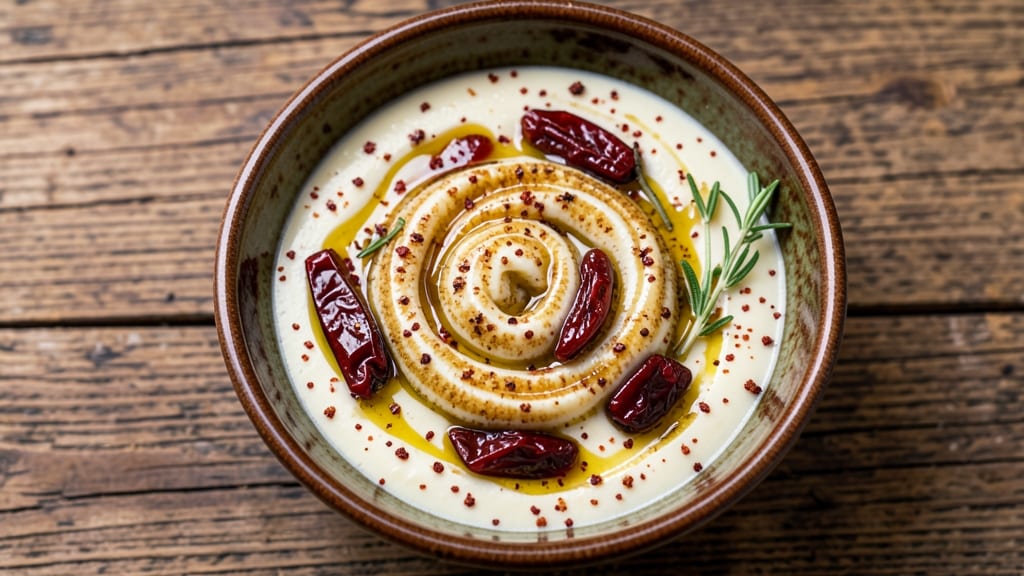
This Basque salad dressing recipe transforms simple greens into a smoky, garlicky masterpiece with just six ingredients. The harmony of sherry vinegar, olive oil, and roasted garlic creates a bold, balanced dressing that elevates any salad from ordinary to extraordinary.
What makes it special is the depth of flavor—smoky, slightly sweet, and tangy all at once—thanks to a touch of piquillo pepper and a pinch of Espelette pepper.
The dressing achieves the perfect balance between creamy and tangy, thanks to a touch of Dijon mustard that emulsifies the oil and vinegar without overpowering the garlic. Unlike store-bought versions, this recipe delivers restaurant-quality flavor with no artificial additives.
It’s ideal for mixed greens, grilled fish, or even drizzled over roasted vegetables for a Basque-inspired touch.
Once you taste this dressing, you’ll understand why it’s a staple in Basque cuisine—it’s versatile enough for everyday salads but elegant enough for special occasions. The ingredients are simple, but the flavor is anything but basic. Let’s make it.
Store any leftovers in an airtight container in the refrigerator for up to 10 days, where the flavors will deepen over time. This dressing pairs beautifully with grilled seafood, tapas, or even as a marinade for chicken or pork. Ready to elevate your salads?
Ingredients for basque salad dressing
Six simple ingredients transform ordinary salads into Basque-inspired masterpieces with smoky depth and tangy balance.
| Ingredient | Amount | Notes |
|---|---|---|
| Extra-Virgin Olive Oil 🫒 | ¾ cup | High-quality, fruity variety preferred |
| Sherry Vinegar 🍷 | ⅓ cup | Aged, dry sherry vinegar recommended |
| Roasted Garlic Cloves 🧄 | 4 whole | Roasted until soft and caramelized |
| Dijon Mustard 🥫 | 1 tbsp | High-quality, whole-grain preferred |
| Piquillo Peppers 🌶️ | 2 whole | Roasted, peeled, and chopped |
| Espelette Pepper 🌶️ | 1 tsp | Mildly smoky, sweet variety |
| Sea Salt 🧂 | ½ tsp | Fine grain preferred for balance |
| Freshly Ground Black Pepper 🌶️ | ¼ tsp | Freshly cracked for best flavor |
The olive oil and sherry vinegar are the foundation—look for extra-virgin olive oil with a fruity, peppery finish and aged sherry vinegar for complexity. Roasting the garlic until caramelized (wrap whole cloves in foil, bake at 400°F for 30 minutes) deepens its sweetness. Piquillo peppers add that signature smoky Basque flavor—find them jarred in Latin markets or specialty stores. If unavailable, roasted red bell peppers work, though they lack the same depth. For Espelette pepper, Penzeys or La Boîte à Épices carry it, or sub smoked paprika at half the amount.
No roasted garlic? Fresh minced garlic at half the amount works in a pinch, but the flavor won’t be as rich. Short on piquillo peppers? Roasted red bell peppers or even sun-dried tomatoes add a similar tang. The Dijon mustard is crucial—it emulsifies the oil and vinegar for a silky texture. Skip the pre-mixed mustard; whole-grain Dijon from Maille or Whole Foods is ideal. The salt and pepper should be freshly ground to balance the dressing’s complexity without overpowering it.
This dressing keeps beautifully in an airtight container in the fridge for 10 days, with flavors deepening over time. Shake well before each use, as the mustard may separate slightly. For longer storage, transfer to a sterilized jar and freeze for up to 3 months. The smoky notes actually intensify when chilled, making it perfect for prepping ahead. A little goes a long way—start with 1 tablespoon per salad and adjust to taste.
Why You'll Love This Recipe
- No Garlic Peeing Required: Honestly, roasting the garlic instead of mincing it means no pungent kitchen takeover. The cloves soften into sweet, caramelized perfection—just blend and go. My neighbor’s kids now ask for seconds, and zero tears from me.
- Smoky-Sweet Magic: That piquillo pepper? It’s the secret weapon. Roasted until jammy, it turns this dressing into a velvety, slightly sweet hug for any salad. Between us, I’ve drizzled it on eggs, grilled fish, and even toast—it’s that good.
- Weeknight Workhorse: Make a double batch on Sunday, and you’ve got dressing for salads, sandwiches, or roasted veggies all week. The sherry vinegar keeps it bright, the Dijon adds depth, and it won’t separate like some store-bought messes. (Yes, even on a Tuesday night.)
- Pantry Staple Power: You’re probably already using these ingredients—olive oil, vinegar, mustard—so this costs next to nothing to make. The only splurge is the piquillo peppers, but a jar lasts forever. Budget-friendly? Absolutely. Life-changing? Also yes.
Step-by-step instructions for Basque salad dressing
This dressing delivers bold Basque flavors with a perfect balance of smoky depth and bright acidity.
Blend the Roasted Garlic and Piquillo Peppers
Start by combining the 4 whole roasted garlic cloves and 2 whole piquillo peppers in a small food processor or blender. Pulse until you achieve a smooth, jam-like consistency—this ensures even distribution of their rich flavors throughout the dressing. The roasted garlic should add sweet, caramelized notes while the piquillo peppers contribute a subtle, smoky sweetness that's characteristic of Basque cuisine.
If using a blender, add just enough of the 0.75 cup extra-virgin olive oil to help with blending, but don't add it all yet. You want the garlic and peppers to form a thick paste first. This step is crucial—it's where the foundational flavors develop before we incorporate the other ingredients. The texture should be thick enough to coat the back of a spoon when you taste it.
Whisk in the Vinegar and Mustard
Transfer the garlic-pepper mixture to a medium bowl and whisk in the 0.33 cup sherry vinegar and 1 tbsp Dijon mustard. Start with slow strokes to combine, then gradually increase speed to emulsify the mixture. The sherry vinegar adds bright acidity that cuts through the richness of the olive oil, while the Dijon mustard provides a smooth, tangy backbone that helps bind all the ingredients together.
Here's the thing—don't rush this step. The vinegar and mustard need time to fully incorporate with the oil and create a stable emulsion. You'll notice the mixture will thicken slightly as you whisk, but it should still have a pourable consistency. If it looks too thick, add 1-2 teaspoons of water to reach your desired texture. The dressing should coat the back of a spoon but still flow smoothly.
Gradually Incorporate the Olive Oil
With the mixture still in the bowl, very slowly drizzle in the remaining 0.75 cup extra-virgin olive oil while continuing to whisk vigorously. This gradual addition is key—it prevents the dressing from breaking and ensures a smooth, creamy texture. Start with just a few drops at first, then increase to a thin stream as the mixture begins to emulsify. You'll see it transform from a thick paste to a luscious, glossy dressing.
Keep whisking for at least 2-3 minutes after all the oil is incorporated. This thorough mixing is what creates that signature Basque dressing texture—smooth, velvety, and perfectly balanced. The oil should be fully incorporated without any separation. If you notice any oil pooling on top, whisk a bit more or add another teaspoon of water to help stabilize the emulsion.
Season and Adjust the Consistency
Stir in the 1 tsp espelette pepper, 0.5 tsp sea salt, and 0.25 tsp freshly ground black pepper. The espelette pepper adds its signature mild smokiness and subtle sweetness, while the salt and pepper round out the flavors. Taste the dressing at this point—it should be well-balanced with bright acidity, smoky depth, and a touch of heat from the peppers.
If the dressing is too thick for your liking, thin it with 1-2 teaspoons of water or additional sherry vinegar until it reaches your preferred consistency. For a more robust flavor, you can add an extra roasted garlic clove or a pinch more espelette pepper. The dressing should be smooth, glossy, and ready to elevate any salad with its complex Basque-inspired profile. Store any leftovers in an airtight container in the refrigerator for up to 1 week, shaking well before each use.
Pro Tips For Making Basque Salad Dressing
- ROAST GARLIC UNTIL SOFT: I learned this the hard way—over-roasted garlic turns bitter and ruins the dressing. Roast the cloves at 400°F (200°C) for 15-20 minutes until golden and tender, not crispy. If they’re still firm, they’ll taste raw and harsh in the dressing.
- STRAIN PUREED PIQUILLO PEPPERS: Whole piquillo peppers in the dressing? Nope. Blend them with a splash of the vinegar and olive oil, then strain through a fine-mesh sieve to remove skins and seeds. This keeps the dressing silky smooth—no texture surprises.
- EMULSIFY WITH MUSTARD FIRST: Skip the whisking struggles. Mix the Dijon mustard into the vinegar first, then slowly drizzle in the olive oil while stirring vigorously. The mustard acts like a natural emulsifier, preventing separation—no blender needed.
- USE COLD OIL, WARM VINEGAR: Cold extra-virgin olive oil blends better than warm. Let the vinegar sit at room temperature for 10 minutes before mixing—it emulsifies more easily. Sounds odd, but it makes a real difference in how the dressing holds together.
Health benefits of basque salad dressing
Heart-Healthy Fat Boost
This dressing is rich in monounsaturated fats from extra-virgin olive oil, which support heart health by reducing LDL cholesterol when replacing saturated fats. A 2-tablespoon serving provides about 14 grams of healthy fats, making it a smart upgrade over store-bought dressings loaded with seed oils.
The sherry vinegar also contributes antioxidants that help combat cellular damage. 💪
Antioxidant Powerhouse
The roasted garlic and piquillo peppers in this dressing pack serious antioxidant benefits. Garlic contains allicin, which has been shown to lower blood pressure, while piquillo peppers provide vitamin C and E.
Even the espelette pepper adds capsaicin, a compound linked to reduced inflammation. Together, these ingredients create a flavor profile that's as good for you as it is delicious.
Digestive Aid
Dijon mustard contains sinigrin, a compound that stimulates digestion and may help reduce bloating. The fiber-rich roasted garlic also supports gut health, while the sherry vinegar acts as a natural probiotic when consumed in moderation.
This makes the dressing particularly beneficial when paired with fiber-rich salads like kale or spinach, creating a complete digestive-support meal.
Blood Sugar Balance
Unlike many commercial dressings, this recipe avoids refined sugars and instead uses natural sweetness from roasted garlic and piquillo peppers. The espelette pepper adds a touch of sweetness without spiking blood sugar, making this an excellent choice for those monitoring glucose levels.
The Dijon mustard also helps stabilize blood sugar by slowing carbohydrate absorption when consumed with starchy foods.
Anti-Inflammatory Benefits
The combination of olive oil, garlic, and peppers creates a powerful anti-inflammatory profile. Olive oil contains oleocanthal, which has effects similar to ibuprofen, while garlic's organosulfur compounds reduce inflammation markers.
Regular consumption of this dressing may help alleviate joint discomfort and support overall inflammatory response. The sherry vinegar adds acetic acid, which has been shown to improve insulin sensitivity. 🌿
Vitamin and Mineral Rich
This dressing provides a surprising array of vitamins and minerals. The olive oil contributes vitamin E and vitamin K, while the piquillo peppers add vitamin A and vitamin C. The espelette pepper brings iron and magnesium, essential for energy production and muscle function.
Even the Dijon mustard contains trace amounts of calcium and potassium, making this a nutrient-dense addition to any meal.
Nutrition facts
Frequently asked questions
Can I make this dressing without roasted garlic?
Yes, but the flavor will be less rich. Use 1 tbsp fresh minced garlic instead, but roasting deepens the sweetness and complexity. For a closer substitute, sauté the garlic in olive oil until golden brown before blending. The smoky notes from roasting are hard to replicate with raw garlic alone.
What's the best way to store leftover dressing?
Keep it in an airtight container in the fridge for up to 10 days. The flavors actually improve with time! Shake well before using, as the mustard may separate slightly. For longer storage, freeze in ice cube trays for 3 months. Thaw overnight in the fridge before using.
Can I use this dressing on foods other than salads?
This versatile dressing works beautifully as a marinade for grilled chicken or fish, a dip for crusty bread, or even a sauce for roasted vegetables. The smoky garlic and sherry notes pair especially well with grilled seafood or tapas-style dishes. Just reduce the vinegar slightly if using as a marinade to prevent over-acidifying the meat.
Why did my dressing separate?
Separation happens when the emulsion breaks, usually from adding oil too quickly or using low-quality ingredients. Fix it by whisking in 1 tsp water or vinegar and whisking vigorously. For future batches, ensure your olive oil is high-quality and add it very slowly while whisking continuously. The Dijon mustard helps stabilize, so using a good-quality one makes a big difference.
Is this dressing gluten-free?
Yes, this recipe is naturally gluten-free as long as you use gluten-free Dijon mustard. Most standard Dijon brands are gluten-free, but always check the label. The other ingredients—olive oil, vinegar, garlic, peppers, and salt—are all gluten-free by nature. For extra safety, look for certified gluten-free mustard brands.