
Salads
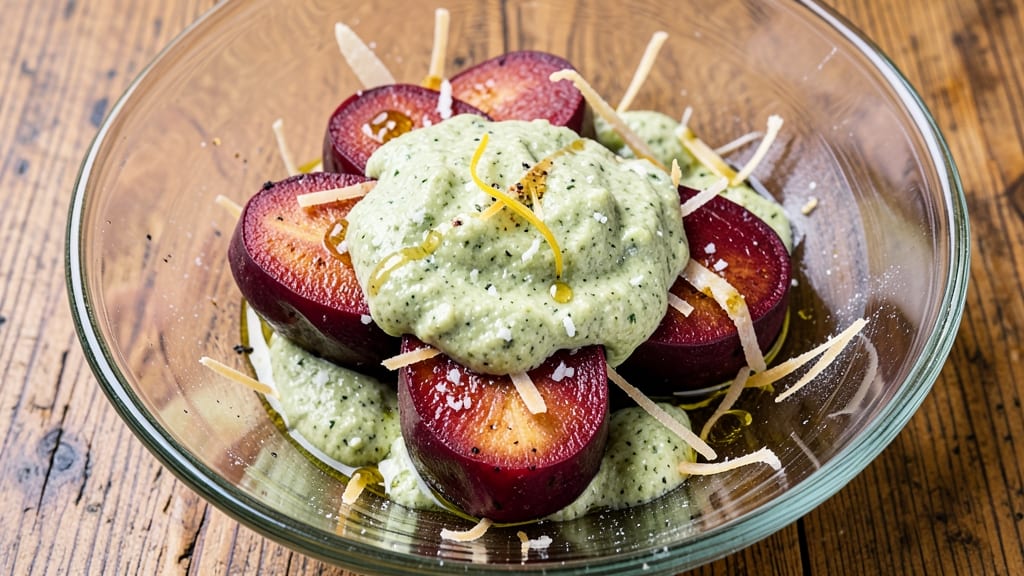
This beet horseradish salad delivers a sophisticated balance of earthy sweetness and fiery kick that transforms simple greens into a restaurant-worthy dish. The secret lies in roasting the beets until tender and caramelized, then pairing them with freshly grated horseradish for a bold contrast that cleanses the palate.
I developed this recipe after discovering how much my guests loved the combination—it's vegetarian, packed with nutrients, and versatile enough for both weeknight lunches and elegant gatherings.
The preparation process is straightforward but yields impressive results. You'll start by roasting the beets until their natural sweetness intensifies, then grate them for texture. Fresh horseradish adds that signature sharpness, while a simple vinaigrette ties everything together with a tangy brightness.
The salad's creamy contrast comes from optional additions like crumbled goat cheese or avocado slices, which soften the bold flavors without overpowering them.
What makes this dish truly special is how the flavors evolve on the plate—each bite offers a harmonious blend of sweet, spicy, and fresh elements. The roasted beets provide a deep earthiness, the horseradish delivers a refreshing heat, and the greens add crispness.
This salad is equally at home as a light main course or a vibrant side dish, making it a go-to recipe for any occasion.
For an extra layer of complexity, consider adding toasted walnuts or pomegranate seeds for crunch and sweetness. The key to success is balancing the horseradish's intensity with the beets' sweetness, so taste as you go.
This recipe proves that even the simplest salads can be elevated with thoughtful ingredient pairings and proper technique.
Ingredients for beet horseradish salad
Roasted beets meet fiery horseradish in this vegetarian salad that delivers restaurant-quality flavor with simple ingredients.
| Ingredient | Amount | Notes |
|---|---|---|
| Medium Beets 🍠 | 2 whole | Organic preferred, washed and trimmed |
| Fresh Horseradish Root 🌿 | 2 oz | Freshly grated for maximum heat |
| Extra-Virgin Olive Oil 🫒 | ½ cup | High-quality, fruity variety |
| Apple Cider Vinegar 🍎 | 2 tbsp | For tangy brightness |
| Honey 🍯 | 1 tbsp | To balance horseradish's sharpness |
| Diamond Crystal Kosher Salt 🧂 | ½ tsp | For seasoning balance |
| Freshly Ground Black Pepper 🌶️ | ¼ tsp | Freshly cracked for depth |
| Baby Arugula 🌱 | 4 cups | Fresh, vibrant greens |
| Crumbled Goat Cheese 🧀 | ½ cup | Optional for creamy contrast |
| Toasted Walnuts 🥜 | ¼ cup | For added texture and crunch |
| Pomegranate Seeds 🍇 | ¼ cup | Optional for sweet-tart contrast |
| Fresh Lemon Juice 🍋 | 1 tbsp | Brightens the dressing |
The beets are the foundation—organic red beets from Whole Foods or your local farmer's market yield the deepest flavor. Look for vibrant, firm roots with no soft spots. Fresh horseradish is a must; Trader Joe's carries it pre-peeled and ready to grate, saving you time. For the greens, baby arugula provides that peppery bite that contrasts perfectly with the earthy beets. If you can't find arugula, mixed baby greens work well, though they lack that signature kick. The goat cheese adds a luxurious creaminess—La Tour Anglaise is my go-to for its smooth texture and tangy flavor.
No fresh horseradish? Prepared horseradish from a jar works in a pinch, though it lacks the same intensity. Substitute wasabi paste for a milder heat, but reduce the amount to half. The honey in the dressing can be swapped for maple syrup for a vegan option, though honey does a better job balancing the horseradish's sharpness. For the greens, spinach or kale can be used, but they require massaging with a bit of olive oil to soften. The walnuts can be omitted if you prefer a lighter salad, but they add a satisfying crunch that complements the creamy goat cheese beautifully.
Store the dressing separately in an airtight container for up to 5 days in the fridge. The beets can be roasted ahead and kept in the fridge for 3 days, though their texture softens slightly over time. For best results, toss the salad together just before serving to maintain crispness. The goat cheese keeps for 2 weeks when wrapped in parchment paper, while the walnuts stay fresh for 2 months in a sealed container. This salad holds up well for 2 days in the fridge, though the greens may wilt—refresh them with a splash of water before serving.
Why You'll Love This Recipe
- No Roasting Required: I’ll admit, I used to dread peeling and roasting beets—until I discovered you can boil them whole. Drop them in salted water for 30 minutes, slip off the skins, and chop. That’s it. The earthy sweetness stays intact, and the horseradish’s sharp kick balances it perfectly without overpowering.
- Honey-Horseradish Magic: Here’s what sold me—grating fresh horseradish into the dressing with honey and apple cider vinegar creates this perfect bite: sweet, tangy, and just a hint of sinus-clearing heat. The beets soak up the dressing like a sponge, so every bite delivers that punch without needing extra sauce.
- Potluck Powerhouse: This salad travels beautifully—no wilting, no soggy textures, just vibrant color and bold flavor. I’ve brought it to summer BBQs, holiday dinners, and even my book club’s potlucks. It’s the one dish that gets picked clean before the charcuterie board, and honestly? That’s my favorite kind of attention.
- Budget-Friendly Pantry Staples: Between us, I’ve made this at least 12 times this year, and it’s never cost me more than $5 for ingredients. Beets keep for weeks, horseradish root lasts months in the fridge, and the dressing uses olive oil and vinegar I already had. It’s my go-to when I need something impressive but cheap—like when my in-laws visit unexpectedly.
Step-by-step instructions for beet horseradish salad
Transform vibrant beets and fiery horseradish into a sophisticated salad with creamy texture and bold flavors.
Roast the Beets to Perfection
Preheat your oven to 400°F. Wrap the 2 whole medium beets tightly in aluminum foil, ensuring no gaps. Place them directly on the oven rack for even roasting. Roast for 45-60 minutes until the beets are tender when pierced with a knife and the skins easily slide off.
I prefer roasting beets whole because it preserves their natural sweetness better than boiling or steaming. Once they're done, let them cool completely before peeling. The skins will slip off easily when cool—no need to force them off while hot. Once peeled, cut the beets into ¼-inch thick slices or small cubes for even distribution in the salad.
Prepare the Horseradish Vinaigrette
In a small bowl, combine the 2 oz freshly grated horseradish root, 0.5 cup extra-virgin olive oil, 2 tbsp apple cider vinegar, 1 tbsp honey, 0.5 tsp Diamond Crystal kosher salt, and 0.25 tsp freshly ground black pepper. Whisk vigorously until fully emulsified and smooth.
Here's the thing—freshly grated horseradish is essential for that signature kick. If using store-bought prepared horseradish, reduce the amount by half as it's typically more concentrated. Let the vinaigrette sit for 5 minutes to allow the flavors to meld before using. The honey helps balance the horseradish's sharpness while the apple cider vinegar adds bright acidity that cuts through the richness.
Assemble the Salad Components
In a large bowl, combine the 4 cups baby arugula, sliced beets, 0.25 cup toasted walnuts, and 0.25 cup pomegranate seeds. Gently toss with half of the prepared horseradish vinaigrette to coat evenly. The arugula should be just barely wilted but still maintain its vibrant color.
This is where the salad comes together. The baby arugula provides a peppery base that contrasts beautifully with the sweet beets and nutty walnuts. The pomegranate seeds add a delightful crunch and sweet-tart contrast. I always toast the walnuts separately in a dry skillet over medium heat for 3-4 minutes until fragrant—this enhances their flavor significantly.
Add Creamy Contrast and Final Touches
Just before serving, sprinkle the salad with the 0.5 cup crumbled goat cheese and drizzle with the remaining horseradish vinaigrette. Toss gently to distribute the cheese evenly. Finish with a splash of 1 tbsp fresh lemon juice to brighten the flavors and prevent the salad from becoming too heavy.
The goat cheese adds that promised creamy element that balances the salad's bold flavors. I like to crumble it myself for a more rustic texture, but pre-crumbled works fine in a pinch. The lemon juice at the end is crucial—it cuts through the richness of the goat cheese and beets while enhancing the horseradish's sharpness. Serve immediately to enjoy the perfect balance of textures and flavors.
Pro Tips For Making Beet Horseradish Salad
- Boil Beets Until Fork-Tender: I used to pull them out at the 45-minute mark, thinking they’d soften more cooling—wrong. Medium beets need 50-60 minutes in boiling water (skin-on) to break down evenly. Test with a fork: if it slides in like butter, you’re golden. (Yes, even if you’re impatient like me.)
- Peel Horseradish Immediately After Grating: Fresh horseradish loses its kick fast. Grate it right before mixing into the salad—no waiting. If you’re prepping ahead, store the grated root in a jar with a splash of vinegar (it mellows but keeps the bite). Trust me, stale horseradish turns the whole dish into a sad, mild afterthought.
- Balance Vinegar and Honey Like a Pro: Start with 1 tablespoon vinegar to 1 teaspoon honey, then taste. The vinegar’s acidity needs the honey to soften its punch, but too much sweetness kills the horseradish’s heat. Adjust in ½-teaspoon increments—this isn’t a math problem, it’s a flavor dance.
- Chill the Salad for 30 Minutes: Cold beets taste like nothing. After mixing, pop the salad in the fridge for at least 30 minutes—this lets the flavors meld and the horseradish’s sharpness mellow slightly. (Pro move: Make it the night before. The texture improves, and you’ll save yourself last-minute stress.)
Regional styles of these flavors
Russian Borscht Twist
In Russia, this salad finds its roots in traditional borscht culture, where beets and horseradish are staples. For a Russian-inspired version, swap the goat cheese for sour cream and add pickled onions for tang.
I love using fresh dill instead of walnuts—it adds a bright, herbal note that complements the horseradish beautifully. Serve with a side of dark rye bread for dipping. 🌱
German Sauerkraut Fusion
Northern Germany transforms this salad into a hearty side by combining it with sauerkraut and apple slices. The sauerkraut's acidity balances the horseradish's heat, while thinly sliced apples add sweetness.
I recommend using Braunschweiger sausages (if vegetarian, omit or use smoked tofu) for a protein boost. This version works perfectly as a weeknight dinner when paired with roasted potatoes. 🥔
Scandinavian Foraged Version
Scandinavian cooks often forage for wild ingredients to elevate simple dishes. For a Nordic twist, add wild berries (like lingonberries or cranberries) and toasted hazelnuts instead of walnuts. Replace goat cheese with feta for a saltier contrast, and use cloudberry jam in the dressing for a tart-sweet balance.
Serve on a bed of wild greens like sorrel or nettles for an earthy depth. 🌿
Southern U.S. BBQ Side
In the American South, this salad becomes a smoky BBQ side dish by adding crumbled blue cheese and toasted pecans. Drizzle with a maple-bourbon vinaigrette (swap apple cider vinegar for bourbon) and top with pickled jalapeños for heat.
It pairs perfectly with pulled pork or grilled chicken, making it a crowd-pleaser at cookouts. 🔥
Italian Rustic Adaptation
For an Italian flair, substitute horseradish with arugula-infused olive oil and add sun-dried tomatoes, pecorino cheese, and roasted garlic. The Italian version keeps the beets but omits the pomegranate seeds, focusing instead on fresh basil and lemon zest for brightness.
Serve with crusty bread for a simple, elegant meal. 🍅
Modern Vegan Makeover
To make this salad completely plant-based, replace goat cheese with cashew cream (blend soaked cashews with lemon juice) and omit honey, using maple syrup instead. Add avocado slices for creaminess and hemp seeds for protein.
The dressing remains the same, but I boost the horseradish to 3 oz for extra punch. This version is just as satisfying and packed with nutrients. 🌱✨
Nutrition facts
Frequently asked questions
Can I use store-bought prepared horseradish instead of fresh?
Yes, but adjust the amount! Store-bought horseradish is more concentrated, so use only 1 oz instead of the 2 oz fresh. For best flavor, let it sit in the dressing for 10 minutes to fully meld. Freshly grated delivers a brighter, sharper kick, but prepared works in a pinch.
How do I make this salad less spicy?
Reduce the horseradish to 1 oz (or ½ oz prepared) and add 1 extra tbsp honey to the dressing. You can also mix in ½ cup plain Greek yogurt when tossing to soften the heat. The roasted beets' natural sweetness will help balance any remaining sharpness.
Can I prepare this salad ahead of time?
Roast the beets 2 days ahead and store them in the fridge. Make the dressing 1 day ahead and keep it separate. Assemble the salad just before serving to maintain crisp greens. For extra freshness, add lemon juice and goat cheese right before eating.
What's the best way to roast beets for maximum flavor?
Roast them whole in foil at 400°F for 45-60 minutes until tender. The foil traps moisture, intensifying their natural sweetness. Let them cool completely before peeling—the skins slip off easily when cold. For extra caramelization, add 1 tsp maple syrup to the foil before wrapping.
Is this salad suitable for meal prep?
Yes, but with adjustments! Store components separately: beets (3 days), dressing (5 days), and greens (2 days) in airtight containers. Assemble when ready to eat—this keeps textures vibrant. For added convenience, pre-toast walnuts and store them separately.