
Salads
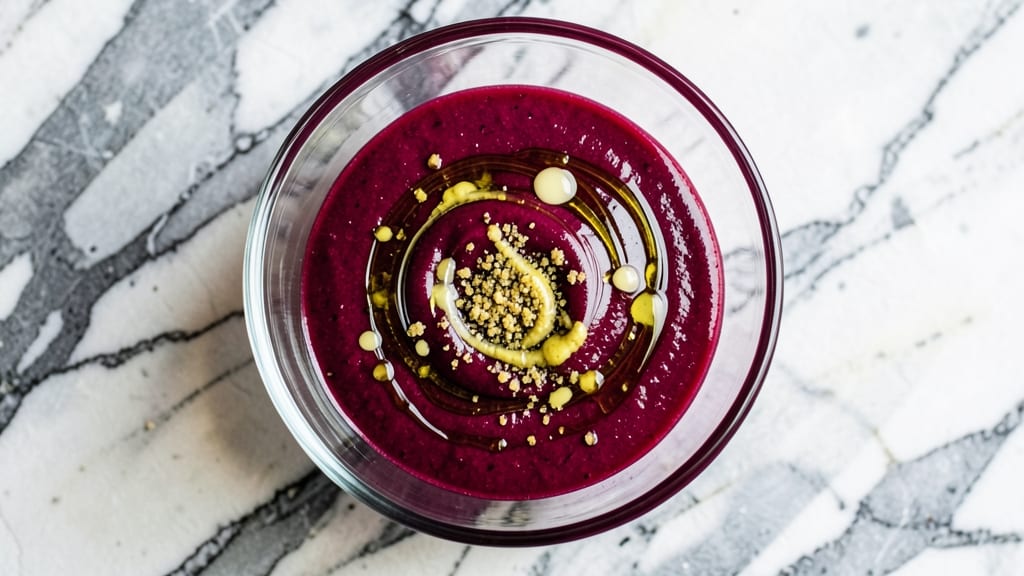
This beet juice salad dressing transforms simple greens into a vibrant, earthy masterpiece—no cooking required. The secret lies in balancing beet juice's natural sweetness with tangy vinegar and emulsifiers like mustard or olive oil, creating a silky, clingy sauce that elevates any salad.
I developed this recipe after realizing store-bought dressings couldn't compete with the depth of fresh, homemade flavors, especially when paired with citrus or herbs.
The beauty of this dressing is its versatility—it works as a bold marinade, dip, or finishing sauce. The key to success is emulsification: whisking vinegar and mustard into the beet juice first creates a stable base before slowly incorporating oil.
This method ensures a smooth, creamy texture that won't separate, even after sitting in your fridge. For extra brightness, a squeeze of lemon or lime adds a zesty contrast to the beet's natural sweetness.
What makes this dressing truly special is its rich, earthy depth that pairs perfectly with arugula, spinach, or even roasted vegetables. The color alone transforms a simple salad into a showstopper, while the flavor delivers a complex blend of sweet, tangy, and umami notes.
Best of all, it keeps for up to a week in the refrigerator, making it a perfect make-ahead sauce for busy weeks.
Experiment with variations like adding balsamic vinegar for extra richness or fresh dill for a herbaceous twist. Whether you're dressing a hearty grain bowl or drizzling over grilled meats, this beet juice dressing brings a restaurant-quality touch to every bite. Let's get started!
Ingredients for beet juice salad dressing
Eight simple ingredients create this vibrant, restaurant-quality dressing with no cooking required.
| Ingredient | Amount | Notes |
|---|---|---|
| Fresh Beet Juice 🍠 | ½ cup | Homemade or store-bought, unsweetened |
| Extra-Virgin Olive Oil 🫒 | ½ cup | Light or fruity variety preferred |
| White Wine Vinegar 🍷 | 2 tbsp | Balsamic adds richness if desired |
| Dijon Mustard 🌶️ | 1 tbsp | For stable emulsification |
| Fresh Lemon Juice 🍋 | 1 tbsp | Brightens the earthy flavor |
| Maple Syrup 🍁 | 1 tbsp | Balances tangy notes |
| Fresh Garlic Cloves 🧄 | 1 clove | Minced for subtle depth |
| Sea Salt 🧂 | ½ tsp | Fine grain preferred |
| Fresh Dill Leaves 🌿 | ¼ cup | Chopped, optional herb |
The beet juice is the star—homemade from fresh beets if you've got time, but store-bought unsweetened works perfectly fine (check labels for additives). I grab mine from Whole Foods or make a big batch when beets are on sale. The color alone makes any salad look gourmet, but the flavor? That's where the magic happens. For extra depth, roast your beets first before juicing—worth the extra 45 minutes if you're feeling fancy. The olive oil should be fruity and peppery; California Avocado Ranch or Colavita are my go-tos.
No Dijon mustard? Yellow mustard thinned with water works in a pinch (use half the amount). Swap white wine vinegar for apple cider vinegar if you prefer a sweeter tang. The maple syrup can be swapped for agave nectar or even a touch of date syrup for vegan-friendly sweetness. Fresh dill is ideal, but dried dill at one-third the amount gets you close. Garlic hater? Skip it entirely—the dressing still shines. For a nutty twist, add 1 tsp tahini to the mix.
This dressing keeps beautifully—up to 1 week in the fridge when stored in a clean jar. The color might darken slightly, but the flavor stays vibrant. For extra shelf life, add a thin layer of olive oil on top before sealing. I make double batches because it disappears fast—great for meal prep. Shake well before each use since it separates slightly over time. Perfect for drizzling, tossing, or even using as a marinade for tofu or grilled veggies.
Why You'll Love This Recipe
- No Juicer Needed: I’ll admit, I resisted buying a juicer for years—until I realized you can just grate raw beets and strain them through a clean kitchen towel. That’s it. The dressing still packs that deep, earthy sweetness without the fuss.
- Sweet-Tart Magic: The lemon and vinegar cut through the beets’ natural richness in the best way—bright, tangy, and just a little sharp. Honestly, this is the kind of dressing that makes you reach for seconds, even if you swore you weren’t hungry.
- Game for Any Plate: Drizzle it over roasted greens, toss it with grain bowls, or even use it as a dip for crusty bread. I’ve even mixed it into vinaigrettes for charcuterie boards—it’s the unexpected hero that ties everything together.
- Pantry Goldmine: Between us, beet juice lasts forever in the fridge, and the other ingredients are basics you already own. That means fewer grocery trips and more money saved for the good stuff, like extra olive oil or fancy cheese. (Yes, even on a Tuesday night.)
Step-by-step instructions for beet juice salad dressing
This dressing comes together in minutes with no cooking required—just whisk and enjoy.
Combine Wet Ingredients
In a medium bowl, pour in the 0.5 cup fresh beet juice and 0.5 cup extra-virgin olive oil. The beet juice will have a deep ruby color—this is your base flavor. Add the 2 tablespoons white wine vinegar and 1 tablespoon fresh lemon juice, then stir gently to mix. The vinegar and lemon juice will brighten the earthy beet flavor while keeping the dressing balanced.
Next, add the 1 tablespoon maple syrup and 0.5 teaspoon sea salt. The maple syrup helps balance the acidity from the vinegar and lemon, while the salt enhances all the flavors. Stir everything together until fully combined. You'll notice the mixture starts to emulsify slightly, but don't worry if it separates a bit—we'll fix that next.
Incorporate Mustard and Garlic
Add the 1 tablespoon Dijon mustard to the bowl and whisk vigorously. The mustard acts as an emulsifier, helping to bind the oil and juice together for a smooth, creamy texture. Once the mustard is fully incorporated, add the 1 clove minced fresh garlic. The garlic adds a subtle depth that complements the earthy beets beautifully.
Whisk everything together again until the mixture is completely smooth. At this point, you might notice the dressing is still slightly separated—this is normal. The mustard will help stabilize it as we continue whisking.
Fold in Fresh Dill
Gently stir in the 0.25 cup chopped fresh dill leaves using a spoon or spatula. The dill adds a bright, herbal note that cuts through the richness of the olive oil and the earthiness of the beets. Be careful not to overmix—just enough to distribute the dill evenly throughout the dressing.
Taste the dressing and adjust the seasoning if needed. If it’s too tangy, add a touch more maple syrup. If it’s too sweet, add a splash more lemon juice or vinegar. The dressing should be vibrant, slightly tangy, and well-balanced with a hint of garlic and dill.
Whisk Until Smooth and Emulsified
Transfer the dressing to a jar with a tight-fitting lid or a small bowl. Whisk vigorously for 2-3 minutes until the dressing thickens and becomes completely smooth. You’ll know it’s emulsified when it holds together and has a creamy, velvety texture. If it still separates after whisking, give it a quick shake or add a tiny pinch more mustard to help stabilize it.
Let the dressing sit for 5 minutes before using. This resting time allows the flavors to meld together perfectly. The dressing will keep well in the refrigerator for up to 1 week, making it a great make-ahead option for your salads.
Pro Tips For Making Beet Juice Salad Dressing
- STRAIN IT WELL: Fresh beet juice is messy—don’t cut corners. Use a fine-mesh sieve or cheesecloth to strain out every last fiber, or you’ll end up with gritty dressing that ruins the texture. I learned this the hard way after scraping my teeth for days.
- EMULSIFY WITH A WHISK: Dijon mustard and olive oil don’t mix themselves. Whisk vigorously for 30 seconds before adding vinegar or lemon juice—this creates a stable base so the dressing doesn’t separate later. (Yes, even if you’re impatient like me.)
- USE COLD BEET JUICE: Hot or warm beet juice will cook the mustard, making it taste bitter and dull. Chill the juice in the fridge for 10 minutes first—it’s a small step that makes a real difference in flavor.
- DILUTE GRADUALLY: Start with half the vinegar and lemon juice called for, taste, then add more. Beet juice is intense—you can always brighten it up, but you can’t fix a dressing that’s too sharp. (Your future self will thank you.)
Flavor customization for these flavors
Citrus Brightness Boost
Add 1 tbsp orange juice or 1 tsp grated orange zest to enhance the dressing’s natural sweetness while adding a zesty contrast. The citrus cuts through the earthiness of the beets beautifully—perfect for spring salads. I love using navel oranges for their juiciness. 🍊
Herbaceous Variations
Swap dill for fresh parsley or cilantro to change the flavor profile completely. For a Mediterranean twist, add ½ tsp dried oregano or 1 tbsp chopped mint. Fresh herbs should be finely chopped to distribute evenly without overpowering. I often use parsley for a cleaner, more versatile dressing.
Spicy Kick Options
Incorporate ½ tsp smoked paprika or ¼ tsp cayenne pepper for warmth. For a smoky depth, add ½ tsp liquid smoke (just a few drops). These additions work especially well with grilled vegetables or hearty grain bowls. Always start with less—you can always add more heat later. 🌶️
Sweet-Tangy Balance
Replace maple syrup with 1 tbsp balsamic glaze for a richer, deeper sweetness. Alternatively, add 1 tsp honey (if not strictly vegan) for a floral note. The balsamic glaze adds complexity that pairs wonderfully with roasted beets or goat cheese. I use Balsamic Crema from Trader Joe’s for convenience.
Umami Depth Additions
Boost umami with 1 tsp soy sauce or ½ tsp miso paste for a savory depth. These work surprisingly well with the dressing’s natural sweetness. For a nutty twist, stir in 1 tsp tahini—it adds creaminess and pairs perfectly with roasted vegetables.
Always taste as you go to avoid overpowering the beet flavor.
Seasonal Adaptations
For summer, add ½ tsp ground ginger or 1 tsp fresh lime juice to refresh the dressing. In fall, incorporate 1 tsp apple cider vinegar and ½ tsp cinnamon for warmth. These seasonal tweaks keep the dressing exciting year-round while maintaining its signature earthy-sweet balance. 🍂
Nutrition facts
Frequently asked questions
Why does my beet juice dressing separate after mixing?
Beet juice dressings naturally separate because the oil and juice don't bond easily. The fix is simple: whisk vigorously for 2-3 minutes or add a pinch more Dijon mustard (it's a natural emulsifier). For extra stability, blend the ingredients briefly with an immersion blender. Shake before each use to restore consistency.
Can I use canned or bottled beet juice instead of fresh?
Bottled beet juice works perfectly—just choose an unsweetened version with no additives. The flavor will be slightly milder than fresh, but the dressing still comes out vibrant. For deeper flavor, reduce the maple syrup by ½ tablespoon since store-bought juices often contain natural sugars.
How do I make this dressing thicker or thinner?
For a thicker consistency, whisk in 1 teaspoon ground chia seeds or ½ teaspoon xanthan gum (mixed with 1 tbsp water). For a thinner version, add 1-2 tablespoons water or extra vinegar. Always adjust gradually—taste as you go to avoid over-thickening or over-diluting the flavor.
What's the best way to store leftover dressing?
Store in a clean, airtight jar in the fridge for up to 1 week. To prevent oxidation (which darkens the color), press a thin layer of olive oil on top before sealing. Shake well before using—separation is normal. For longer storage, freeze for up to 3 months (thaw in the fridge overnight).
Can I use this dressing for purposes other than salads?
This versatile dressing works as a marinade for tofu or grilled vegetables, a dip for veggie sticks, or even a glaze for roasted meats. For marinades, reduce the oil to ¼ cup and add 1 teaspoon soy sauce for extra depth. The earthy-sweet flavor pairs beautifully with roasted potatoes, tempeh, or even grilled chicken.