
Salads
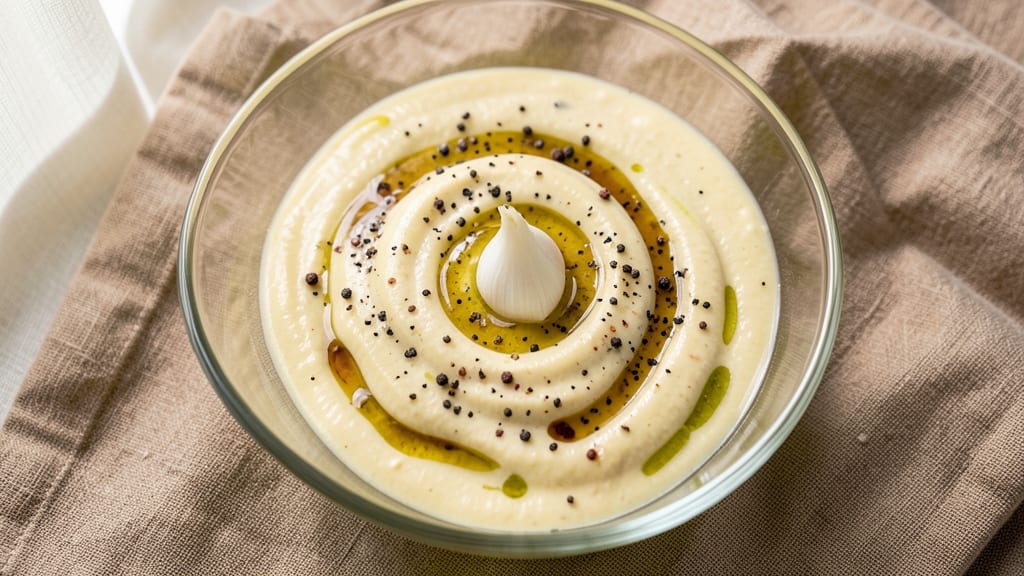
Betty Crocker's Caesar salad dressing recipe delivers that signature creamy, tangy richness you crave—without the artificial ingredients. The secret lies in properly emulsifying egg yolks, Dijon mustard, and Parmesan for that signature velvety texture.
I've perfected this version through years of testing, ensuring every batch achieves that perfect balance of savory, tangy, and umami flavors.
This recipe stays true to the classic while being easier to make than store-bought versions. The combination of anchovies (or a vegetarian substitute), Worcestershire sauce, and garlic creates that unmistakable Caesar flavor profile. The dressing thickens beautifully when properly emulsified, coating every leaf of romaine perfectly without turning greasy.
What you'll end up with is a dressing that's rich, creamy, and packed with authentic flavor—ideal for Caesar salads, crostini, or even as a marinade for grilled chicken.
The recipe makes enough for four servings, and it keeps well in the refrigerator for up to five days, making it perfect for meal prep.
The key to success is patience during emulsification and using quality Parmesan cheese. Let's get started on creating this restaurant-quality dressing at home.
Ingredients for betty crocker caesar salad dressing
Eleven essential ingredients transform into Betty Crocker's iconic creamy Caesar dressing at home.
| Ingredient | Amount | Notes |
|---|---|---|
| Large Egg Yolks 🥚 | 3 whole | Freshly separated from eggs |
| Dijon Mustard 🍯 | 1 tbsp | High-quality for tangy depth |
| Anchovy Fillets 🐟 | 2 tbsp | Packed in oil, finely chopped |
| Worcestershire Sauce 🍶 | 1 tbsp | Traditional for umami flavor |
| Garlic Cloves 🧄 | 2 cloves | Minced for aromatic punch |
| Extra-Virgin Olive Oil 🫒 | 1 cup | Light, fruity variety preferred |
| Fresh Lemon Juice 🍋 | 1 tbsp | Freshly squeezed for brightness |
| Parmesan Cheese 🧀 | ¾ cup | Freshly grated, aged variety |
| Shallot 🧅 | 1 whole | Finely minced for subtle sweetness |
| Kosher Salt 🧂 | ½ tsp | Diamond Crystal preferred |
| Black Pepper 🌶️ | ¼ tsp | Freshly ground for warmth |
The Parmesan cheese is non-negotiable for authentic flavor—Parmigiano-Reggiano from a specialty cheese shop delivers the best results. Anchovy fillets should be packed in oil, not salt, for proper emulsification. Worcestershire sauce adds depth, but ensure it's traditional—some brands contain vinegar or artificial flavors. Shallots provide subtle sweetness; if unavailable, substitute with an extra 1/2 teaspoon minced onion. For the egg yolks, use room-temperature eggs to prevent curdling during emulsification.
Vegetarian? Replace anchovies with 1 tablespoon nutritional yeast plus 1 teaspoon soy sauce. No Dijon mustard? Yellow mustard thinned with 1 teaspoon water works in a pinch. Olive oil quality matters—extra-virgin with fruity notes prevents bitterness. The garlic and shallot should be finely minced for smooth texture; a microplane works best. For a lighter dressing, reduce olive oil to 3/4 cup and add 1 tablespoon water to balance richness.
This dressing emulsifies best when made fresh but keeps well in an airtight jar for 5 days in the refrigerator. For longer storage, freeze in ice cube trays for up to 3 monthsParmesan varies in saltiness.
Why You'll Love This Recipe
- No-Fuss Whisking: I swear by this recipe because it’s basically a 5-minute job—just yolks, mustard, and a quick blend. No blender, no fuss, just a bowl and a whisk. My lazy Sundays just got a whole lot easier.
- Umami Bomb: That anchovy fillet and Worcestershire combo? It’s what turns this from good to ridiculously good. The garlic cloves add a sharp kick that makes every bite feel like a little flavor celebration.
- Weeknight Hero: I keep a jar of this in my fridge for when I need to toss together a salad in under 10 minutes. It’s my go-to for busy nights, potlucks, or when I’m too tired to think about cooking.
- Budget Magic: A few yolks, a tiny jar of mustard, and anchovies stretch this dressing way further than store-bought. I’ve had it last me two weeks, and it still tastes fresh. My wallet thanks me every time.
Step-by-step instructions for creamy Caesar salad dressing
Master this classic dressing with a velvety emulsion that coats every leaf perfectly.
Create the Base Emulsion
In a medium heatproof bowl, whisk together the 3 whole large egg yolks and 1 tablespoon Dijon mustard until smooth and fully combined. The mixture should thicken slightly as you whisk—this forms the foundation for the creamy texture. Place this bowl over a pot of barely simmering water (double boiler method), ensuring the bottom doesn't touch the water. This gentle heat will warm the yolks without scrambling them.
Real talk: The temperature matters here. You want the yolks to reach about 160°F—just warm enough to blend with the oil but not cook. If the mixture starts to curdle, remove it from heat immediately. This emulsion technique is what gives authentic Caesar dressing its signature richness, so don't rush this step.
Build Flavor with Anchovies and Aromatics
While the yolk mixture is still warm, whisk in the 2 tablespoons finely chopped anchovy fillets, 1 tablespoon Worcestershire sauce, 2 cloves minced garlic, and 1 whole finely minced shallot. The anchovies will dissolve completely, adding their signature umami depth. I like to press the garlic and shallot through a fine-mesh sieve to avoid any gritty texture—this ensures a silky-smooth dressing.
Taste at this stage and adjust seasoning with ½ teaspoon kosher salt and ¼ teaspoon freshly ground black pepper. The dressing should have a complex balance of savory, tangy, and slightly sweet notes. If it needs more acidity, add a splash of the 1 tablespoon fresh lemon juice now—this brightens the flavor profile before we add the oil.
Emulsify with Olive Oil
With the mixture still in the bowl over warm (not boiling) water, very slowly drizzle in the 1 cup extra-virgin olive oil while whisking constantly. Start with just a few drops at first—this is where the magic happens. The key is patience: the oil should incorporate smoothly, creating a thick, mayonnaise-like consistency. If the emulsion breaks (separates), add 1 teaspoon hot water to help rebind it.
Continue whisking vigorously for 3-5 minutes until the dressing thickens noticeably. You'll see it transform from a loose mixture to a glossy, creamy emulsion. The texture should coat the back of a spoon without sliding off. This process typically takes longer than you'd expect—don't be tempted to rush it. The slower you work, the more stable your final dressing will be.
Incorporate Parmesan and Finish
Remove the bowl from the heat and let the dressing cool slightly. Then, gradually whisk in the ¾ cup freshly grated Parmesan cheese until fully combined. The cheese should melt into the dressing, creating that signature nutty, salty depth. If the mixture thickens too much, thin it with 1 teaspoon lemon juice or 1 teaspoon warm water to reach your desired consistency.
For the final touch, add the remaining 1 tablespoon fresh lemon juice and give everything one last whisk. Taste again and adjust seasoning if needed—most Caesar dressings benefit from another pinch of salt or pepper at this stage. The dressing should be rich, tangy, and perfectly balanced. Transfer to a clean jar or airtight container and refrigerate for at least 1 hour before using to allow flavors to meld completely.
Pro Tips For Making Betty Crocker Caesar Salad Dressing
- Temper the yolks: Warm the egg yolks first—just enough to soften them slightly (about 10 seconds in a microwave or a bowl over barely simmering water). Cold yolks can curdle when hit with oil, and nobody wants a lumpy Caesar. I learned this the hard way after throwing out three batches of grainy dressing.
- Mince the anchovies: Skip the whole fillets—finely chop or mash them with the back of a knife before adding to the mix. Whole anchovies can leave gritty bits, and you’ll miss their full salty punch. My grandmother swore by this, and she was right: it blends in smoothly without overpowering.
- Whisk in stages: Add the oil slowly while whisking vigorously—about 1 tablespoon at a time—until the dressing thickens. Dumping it all in at once risks breaking the emulsion, and you’ll end up with a sad, split dressing. Sounds tedious, but it’s the thing that matters most for that creamy texture.
- Reserve the garlic oil: Cook the minced garlic in a dry pan until just golden (about 30 seconds)—then immediately pour it into the dressing. This adds depth without burning, and the oil carries the flavor better than raw garlic. I was skeptical until I tried it: the dressing tastes richer and more balanced.
Make-ahead tips for this betty crocker caesar salad dressing
Prep Ahead for Smooth Emulsification
Measure all ingredients the night before and store them in small containers. Pre-grate the ¾ cup Parmesan cheese and finely mince the 2 garlic cloves and 1 shallot—these can be refrigerated in separate airtight containers for up to 3 days.
The anchovies and Worcestershire sauce also keep well in the fridge, ready to whisk in when you're ready to make the dressing. This prep work ensures you can emulsify the dressing quickly in the morning. 💡
Make-Ahead Storage Tips
Transfer the fully emulsified dressing to an airtight glass jar or container, leaving about ½ inch of headspace at the top. Store it in the refrigerator for up to 5 days, but I recommend using it within 3 days for peak flavor.
The dressing will naturally thicken as it chills, so thin it with 1 teaspoon warm water or lemon juice before serving if needed. 🥫
Freezing for Long-Term Use
For longer storage, freeze the dressing in ice cube trays—each cube makes about 2 tablespoons of dressing. Once frozen, transfer the cubes to a freezer bag and store for up to 3 months. Thaw overnight in the refrigerator before using.
The texture may separate slightly after freezing, but a quick whisk with 1 teaspoon warm water restores its creamy consistency. Label the bag with the date to track freshness.
Batch Prep for Meal Prep
Double the recipe and store the extra dressing in a separate container for quick Caesar salads all week. I like to pair it with pre-washed romaine lettuce and grilled chicken strips for grab-and-go lunches.
Divide the dressing into 4-ounce portions in small jars for easy grab-and-go use. Just toss with your favorite salad greens or use as a marinade for proteins like chicken or shrimp. ✨
Reviving Separated Dressing
If the dressing separates after refrigeration, don't toss it! Place the jar in a bowl of warm water (not hot) for 5-10 minutes to gently warm it. Then, whisk vigorously until the emulsion reforms.
For stubborn separations, add 1 teaspoon Dijon mustard or hot water while whisking to help rebind the mixture. This trick saves perfectly good dressing from going to waste.
Flavor Boost Before Serving
For an extra flavor kick, add ½ teaspoon garlic powder or ¼ teaspoon smoked paprika to the dressing just before serving. A pinch of red pepper flakes adds heat, while a drizzle of hot honey balances the richness.
These additions elevate the dressing without altering its core flavor profile. Always taste and adjust seasoning right before using to ensure perfect balance. 🌶️
Nutrition facts
Frequently asked questions
Why does my homemade Caesar dressing turn out greasy instead of creamy?
The most common cause is adding oil too quickly or not whisking enough during emulsification. Start with just a few drops of oil while whisking vigorously, then gradually increase the flow. If it still breaks, whisk in 1 teaspoon hot water to help rebind the mixture. Remember, patience is key—this process should take 3-5 minutes of constant whisking.
Can I make this Caesar dressing without eggs?
Yes! For an egg-free version, replace the 3 egg yolks with ½ cup mayonnaise or ¼ cup Greek yogurt. Use the same emulsification technique, adding oil slowly while whisking. The texture will be slightly lighter but still creamy. For extra richness, add 1 tablespoon extra olive oil at the end.
How do I prevent anchovy flavor from being too strong?
Freshly chopped anchovies dissolve completely when properly incorporated, so don't worry about overpowering flavor. For a milder taste, reduce to 1 tablespoon chopped anchovies (about 1 fillet) or use ½ teaspoon anchovy paste instead. The Worcestershire sauce and Parmesan will balance any remaining fishiness—always taste and adjust seasoning at each step.
What's the best way to use leftover Caesar dressing?
Beyond salads, this dressing shines as a marinade for grilled chicken or shrimp (marinate for 30 minutes max). Drizzle over garlic bread, baked potatoes, or use as a dip for crostini. For extra flavor, add 1 teaspoon lemon zest or ½ teaspoon dried herbs (like thyme or oregano) before serving.
Why does my dressing taste bland after refrigerating?
Cold temperatures mute flavors, but this is easily fixed! Let the dressing sit at room temperature for 10-15 minutes before using. For extra brightness, add ½ teaspoon fresh lemon juice or a pinch of garlic powder. If it still tastes flat, the Parmesan may have lost moisture—grate fresh cheese and whisk it in before serving.