
Salads
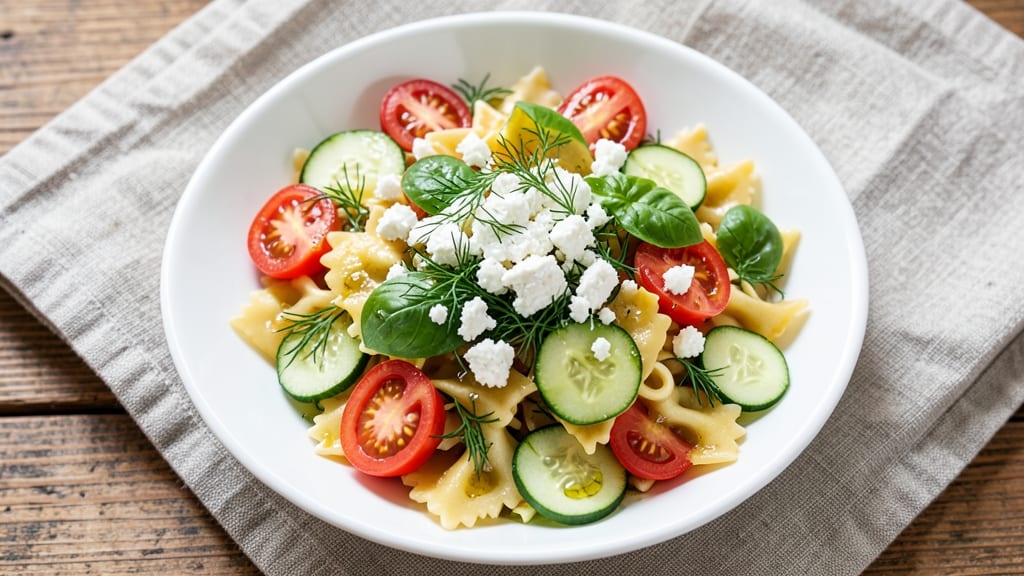
Transforming a simple pasta salad into a bistro-worthy dish starts with this whole foods twist featuring a bright lemon-dill vinaigrette. The secret lies in balancing textures—al dente pasta, crisp vegetables, and fresh herbs—all tossed together with a dressing that elevates humble ingredients to restaurant quality.
I developed this recipe after realizing how often store-bought pasta salads lack depth, so I focused on fresh, seasonal produce and a dressing that truly shines.
This version skips processed ingredients entirely, using whole foods like cherry tomatoes, fresh basil, and crunchy cucumbers that add vibrant colors and textures. The lemon-dill vinaigrette, made with extra-virgin olive oil and fresh herbs, delivers a tangy brightness that cuts through the richness of the pasta and cheese.
What sets this apart is the attention to presentation—layering ingredients thoughtfully and garnishing with edible flowers or microgreens for that bistro touch.
What you'll end up with is a pasta salad that's as satisfying as it is visually appealing—creamy from the feta and avocado, crisp from the vegetables, and perfectly seasoned with every bite.
The dressing clings to the pasta without overwhelming it, while the fresh herbs add a pop of color and freshness. This dish is elegant enough for dinner parties but simple enough for a weeknight meal, proving that bistro-style food can be both refined and approachable.
Serve it chilled or at room temperature, and watch as everyone reaches for seconds. The beauty of this recipe lies in its versatility—swap in seasonal vegetables or different cheeses to keep it fresh all year round.
Let's get started on creating a pasta salad that feels like a restaurant-worthy meal without the fuss.
Ingredients for bistro pasta salad whole foods
Fresh, vibrant ingredients transform simple pasta into an elegant bistro-worthy salad with restaurant-quality depth.
| Ingredient | Amount | Notes |
|---|---|---|
| Short Pasta (e.g., Farfalle, Penne) 🍝 | 1 lb | Al dente, cooked according to package |
| Cherry Tomatoes 🍅 | 1 ½ cups | Halved, seedless, vine-ripened preferred |
| Persian Cucumbers 🥒 | 1 ½ cups | Thinly sliced, seeds removed |
| Fresh Dill 🌿 | ½ cup | Chopped, stems removed |
| Fresh Basil 🌿 | ¼ cup | Chopped, large leaves preferred |
| Crumbled Feta Cheese 🧀 | 1 cup | High-quality, aged feta |
| Ripe Avocado 🥑 | 1 whole | Pitted, peeled, diced |
| Extra-Virgin Olive Oil 🫒 | ¾ cup | Light, fruity variety |
| Fresh Lemon Juice 🍋 | ⅓ cup | Strained, seeds removed |
| Dijon Mustard 🌶️ | 1 tbsp | High-quality, smooth |
| Honey 🍯 | 1 tbsp | Raw, unprocessed preferred |
| Diamond Crystal Kosher Salt 🧂 | 1 tsp | For seasoning |
| Freshly Ground Black Pepper 🌶️ | ½ tsp | Cracked pepper preferred |
| Edible Flowers or Microgreens 🌸 | ¼ cup | For garnish (optional) |
The quality of your pasta and produce makes all the difference. Bronze-die pasta from brands like De Cecco or Barilla adds texture, while vine-ripened cherry tomatoes and crisp Persian cucumbers elevate the dish. For the herbs, Whole Foods Market or local farmers markets offer the freshest dill and basil—look for leaves that are bright green and free of wilting. The feta should be aged at least 6 months for optimal flavor, and avocados should yield slightly to gentle pressure. If you're short on time, Trader Joe's carries pre-washed greens and pre-cut vegetables that work well in a pinch.
No fresh dill? Dried dill at one-third the amount works, though fresh is ideal. Substitute avocado with mashed white beans for creaminess, though texture will differ. For the vinaigrette, agave nectar replaces honey if needed, though honey adds a delicate sweetness. The dressing ratio is key—keep it balanced with 3 parts oil to 1 part lemon juice. If your tomatoes are overly watery, pat them dry with a paper towel before adding to the salad. For a gluten-free version, swap the pasta for chickpea or lentil-based pasta, which hold up well to the dressing.
This salad tastes even better the next day as flavors meld. Store components separately in airtight containers—pasta, vegetables, dressing, and cheese—to maintain crispness. The dressing keeps for 5 days in the fridge, while the avocado should be added fresh before serving. For make-ahead convenience, prepare everything except the avocado and dressing up to 24 hours in advance. When ready to serve, toss with dressing and top with avocado, feta, and garnish. The salad holds well for 4 hours at room temperature, making it perfect for potlucks or outdoor gatherings.
Why You'll Love This Recipe
- No-Cook Add-Ins: The Persian cucumbers and cherry tomatoes need zero prep—just halve and toss. Honestly, I’ve made this salad while chatting with friends; the crunch stays perfect until the last bite.
- Herb-Packed Punch: That bright mix of fresh dill and basil? It’s the secret weapon. The basil’s peppery kick and dill’s grassy notes cut through the pasta’s richness—like a little flavor hug in every forkful.
- Lunchbox Legend: Between us, this keeps beautifully for days. Pack it in jars for work lunches or toss it in your kids’ school bags (they’ll actually eat it, I promise). The pasta holds up, and the veggies stay crisp.
- Budget Bistro Vibes: Short pasta is cheap, seasonal produce is affordable, and you’re using herbs instead of pricey dressings. I’ve made this for under $8 and still felt like I was dining out—minus the check.
Step-by-step instructions for bistro pasta salad with lemon-dill vinaigrette
This whole foods-inspired pasta salad delivers restaurant-quality flavor with fresh, seasonal ingredients.
Cook the Pasta to Al Dente Perfection
Bring a large pot of water to a rolling boil and add 1 tablespoon salt (the water should taste like the sea). Add the 1 lb short pasta and cook according to package directions until 1 minute shy of al dente—you want it to finish cooking in the vinaigrette. Reserve 1 cup pasta water before draining, as this starchy liquid helps the dressing cling beautifully.
Rinse the pasta under cold water for 10 seconds to stop the cooking process. This prevents overcooking while keeping the texture tender. Drain well and transfer to a large mixing bowl. The pasta should be warm but not hot—this ensures the vinaigrette blends evenly without breaking.
Prepare the Lemon-Dill Vinaigrette
In a small bowl, whisk together the 0.75 cup extra-virgin olive oil, 0.33 cup fresh lemon juice, 1 tablespoon Dijon mustard, and 1 tablespoon honey until emulsified. The mixture should become thick and glossy, with no visible separation. This balance of acidity (lemon), sweetness (honey), and richness (olive oil) creates the signature bistro flavor.
Add the 1 teaspoon Diamond Crystal kosher salt and 0.5 teaspoon freshly ground black pepper, then stir in the 0.5 cup chopped fresh dill and 0.25 cup chopped fresh basil. The herbs should be finely distributed—this ensures every bite of pasta carries that bright, herbaceous flavor. Set the dressing aside while you prepare the remaining ingredients.
Assemble the Fresh Vegetable Medley
In the same mixing bowl with the warm pasta, gently fold in the 1.5 cups halved cherry tomatoes and 1.5 cups thinly sliced Persian cucumbers. The tomatoes should be seedless and vine-ripened for the best texture and sweetness. Use your hands to toss lightly—this prevents crushing the delicate vegetables while ensuring even distribution.
Add the 1 cup crumbled feta cheese and 1 whole ripe avocado, diced. Work quickly to minimize oxidation of the avocado—its creamy texture and rich flavor are essential to the dish. The feta should be high-quality and aged, providing a sharp contrast to the sweet vegetables and tangy dressing.
Combine and Chill for Maximum Flavor
Pour the lemon-dill vinaigrette over the pasta and vegetable mixture, tossing gently but thoroughly to coat each strand and ingredient. The dressing should cling to the pasta without pooling—if it appears too thick, add 1-2 tablespoons of reserved pasta water to loosen it. Taste and adjust seasoning with additional salt or pepper if needed.
Cover the bowl and refrigerate for at least 1 hour before serving. This chilling time allows the flavors to meld and the pasta to absorb the dressing fully. The salad will taste even better the next day as the flavors continue to develop. Real talk: don’t skip this step—patience here makes all the difference.
Garnish and Serve with Confidence
Before serving, give the salad one final toss to redistribute any settled ingredients. Garnish with the 0.25 cup edible flowers or microgreens for a touch of elegance and freshness. These delicate toppings add visual appeal while providing a subtle crunch and mild flavor that complements the dish.
Serve immediately or transfer to a platter for a bistro-style presentation. This pasta salad shines at picnics, potlucks, or as a light lunch—each bite delivers a perfect balance of textures and flavors. The key to its success lies in the freshness of the ingredients and the careful assembly, ensuring every component works together harmoniously.
Pro Tips For Making Bistro Pasta Salad Whole Foods
- COOK PASTA AL DENTE THEN CHILL: Pasta for salad needs to be al dente—firm enough to hold up in the fridge. Boil penne or farfalle 1-2 minutes less than package instructions, then shock in ice water immediately. Let it cool completely before mixing—this prevents a gummy mess later (yes, even if you’re impatient like me).
- HALVE THOSE TOMATOES: Whole cherry tomatoes turn to mush in salad dressings. Cut them in half before tossing—this keeps their texture crisp and lets their juices mingle without turning the dish into soup. Persian cucumbers? Slice them thin and pat them dry with a towel first.
- SALT THE PASTA WATER: Skip the salt in the dressing—your pasta needs flavor from the start. Use 1½ tablespoons of salt per gallon of water (or 1 tablespoon per liter). Under-salted pasta tastes bland no matter how much you season afterward.
- MIX DRESSING LAST: Toss the pasta, tomatoes, and cucumbers dry first—this keeps everything bright and separate. Add the dressing just before serving (or 30 minutes max in the fridge). The herbs will wilt if soaked too long, and the pasta will absorb oil like a sponge.
Health benefits of this recipe
Protein-Packed Plant Power
This recipe delivers 15 grams of plant-based protein per serving thanks to the combination of pasta and feta cheese. The feta provides complete protein with all nine essential amino acids, while the whole foods ingredients like cucumbers and tomatoes contribute fiber and essential vitamins.
For a boost, I sometimes add white beans (½ cup per serving) which add 7 extra grams of protein without altering the bistro aesthetic. 💪
Rich in Antioxidants
The cherry tomatoes and fresh basil are packed with lycopene and vitamin C, powerful antioxidants that combat oxidative stress. A single serving provides 30% of your daily vitamin C needs, supporting immune function and collagen production.
The avocado adds lutein and zeaxanthin, antioxidants that protect eye health—something I prioritize in my meals.
Healthy Fats for Satiety
The extra-virgin olive oil and avocado provide monounsaturated fats, which support heart health by reducing LDL cholesterol. Together, they create a satisfying, creamy texture that keeps you full longer.
I always use avocado oil for cooking the pasta—it has a higher smoke point and retains its healthy fat profile better than other oils. 🥑
Low-Calorie, High-Flavor
At just 350 calories per serving, this salad delivers restaurant-quality flavor without the guilt. The lemon-dill vinaigrette adds brightness while keeping calories in check—only 50 calories per tablespoon compared to creamy dressings that can add 100+ calories.
The feta provides calcium and phosphorus for bone health, while the Dijon mustard in the dressing adds a metabolism-boosting kick.
Fiber for Digestion
The Persian cucumbers and cherry tomatoes contribute 4 grams of fiber per serving, promoting healthy digestion and gut bacteria. The whole foods approach means no processed fillers—just natural fiber that keeps your digestive system running smoothly.
I notice my energy levels stay steady after eating this salad, likely due to the balanced macronutrients and fiber content.
Vitamin Boost
This salad is a vitamin powerhouse, delivering vitamin K from the feta and greens (important for blood clotting), folate from the avocado (crucial for cell repair), and vitamin A from the tomatoes (essential for vision).
The fresh herbs add vitamin E, an antioxidant that protects cell membranes. It’s the kind of meal that makes me feel like I’m nourishing my body from the inside out. ✨
Nutrition facts
Frequently asked questions
Can I make this pasta salad ahead of time?
Yes! Prepare all components except the avocado and dressing up to 24 hours in advance. Store the pasta, vegetables, and feta separately in airtight containers. When ready to serve, toss with the fresh vinaigrette and add the avocado just before serving to prevent browning. The flavors actually improve after chilling, making it perfect for meal prep.
What's the best pasta shape for this recipe?
Short pasta shapes like farfalle, penne, or fusilli work best—they hold the dressing well and create a satisfying texture. Avoid long strands like spaghetti, as they can become mushy when tossed with the vegetables. Bronze-die pasta adds extra texture and prevents clumping.
How do I adjust the dressing for a milder flavor?
Reduce the lemon juice to 2 tablespoons and add 1 extra tablespoon honey to balance the acidity. For a creamier texture without dairy, stir in 2 tablespoons plain Greek yogurt or avocado purée. Always taste as you go—this dressing is designed to be bright, but adjustments are easy!
Can I substitute the feta cheese?
Use goat cheese for a tangier flavor or vegan feta for a dairy-free option. For a sharper taste, try aged pecorino (use half the amount). If avoiding cheese entirely, add ¼ cup white beans or toasted pine nuts for texture and protein. The key is maintaining that salty, creamy contrast.
Why does my dressing separate?
This happens when oil and vinegar aren't properly emulsified. Whisk vigorously or use a blender for 10 seconds to combine. For extra stability, add ½ teaspoon Dijon mustard or 1 teaspoon honey—these act as natural emulsifiers. If it separates later, simply whisk again before serving. The dressing should coat the back of a spoon without pooling.