
Salads
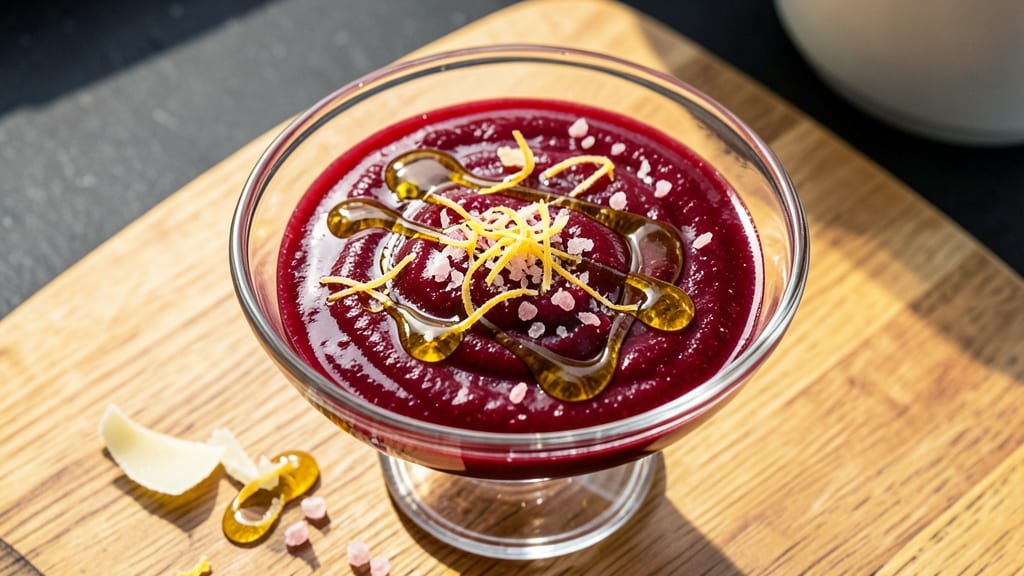
This blood orange salad dressing recipe transforms ordinary greens into vibrant, citrus-kissed masterpieces with just five simple ingredients. The deep ruby hue and tangy-sweet balance make it perfect for spring salads, seafood dishes, or even as a marinade for grilled chicken.
I developed this dressing to capture the bright, complex flavor of blood oranges without overpowering other ingredients.
The secret lies in the ratio of blood orange juice to vinegar—just enough acidity to brighten the dressing while letting the citrus shine. A touch of honey balances the tartness, and high-quality olive oil provides richness without masking the blood orange's unique flavor profile.
This dressing stays fresh for up to a week in the refrigerator, making it ideal for meal prep.
What sets this recipe apart is its versatility. Drizzle it over arugula and avocado for a refreshing spring salad, toss it with grilled shrimp for a zesty seafood dish, or use it as a marinade for chicken skewers.
The dressing's vibrant color and bold flavor elevate any dish it touches, turning simple meals into something extraordinary.
For best results, let the dressing sit for at least 30 minutes before using—this allows the flavors to meld and intensify. Store any leftovers in an airtight container, and give it a quick shake before each use to maintain its smooth consistency.
This is the kind of dressing that will have everyone asking for the recipe.
Ingredients for blood orange salad dressing
Five ingredients create this vibrant, citrus-forward dressing that transforms simple salads into showstoppers.
| Ingredient | Amount | Notes |
|---|---|---|
| Blood Orange Juice 🍊 | ½ cup | Freshly squeezed for vibrant flavor |
| Extra-Virgin Olive Oil 🫒 | ½ cup | High-quality, fruity variety preferred |
| Apple Cider Vinegar 🍏 | 2 tbsp | Balances sweetness with tang |
| Honey 🍯 | 1 tbsp | Wildflower for floral notes |
| Diamond Crystal Kosher Salt 🧂 | ½ tsp | Fine grain for even dissolution |
| Fresh Blood Orange Zest 🍊 | 1 tsp | Brightens color and flavor |
The blood orange is the star—freshly squeezed juice delivers the deepest ruby color and most complex flavor. Trader Joe's and Whole Foods carry the best quality, or grab a few at a specialty produce market. Look for oranges with deep purple-red skin and minimal bruising. The zest is non-negotiable for that extra pop of citrus aroma—use a fine grater to avoid bitterness. If you can't find blood oranges, substitute regular orange juice plus 1 tsp beet juice for color, though the flavor won't be identical. The honey should be wildflower or clover for subtle floral notes that complement the citrus beautifully.
No blood oranges? Grapefruit juice plus orange juice works in a pinch, though the color will be less vibrant. Balsamic vinegar can replace apple cider vinegar for a deeper flavor profile, but reduce to 1.5 tbsp to avoid overpowering. The olive oil is where you shouldn't skimp—look for extra-virgin with a harvest date within the last year for peak freshness. If you prefer a lighter dressing, reduce the olive oil to 0.375 cup and add 1 tbsp water. For a sweeter version, increase honey to 1.5 tbsp, but be mindful of balancing the tartness. Store-bought blood orange juice (like Tropicana) works in a bind, but fresh is always superior.
This dressing keeps beautifully in an airtight jar for up to 7 days in the fridge. Give it a good shake before each use—the flavors meld even more after sitting. For longer storage, divide into ice cube trays, freeze, then transfer to a bag for up to 3 months. The color may darken slightly over time, but the flavor remains bright. Double the batch if you're using it as a marinade—it's perfect for grilled chicken or shrimp. Always taste before serving, as the sweetness-to-tartness ratio can vary slightly based on the blood oranges' ripeness.
Why You'll Love This Recipe
- Five-Ingredient Magic: I swear by this combo—no fancy tools, just a jar and a whisk. The blood orange juice adds that vibrant pop without extra effort, and the honey balances the tartness in one smooth shake.
- Bright & Tangy Kick: That first bite? The blood orange’s deep sweetness with a citrus zing cuts through rich greens or grilled chicken like a dream. Honestly, it’s the kind of dressing that makes you want to eat salad for every meal.
- Weeknight & Holiday Ready: Drizzle it over a simple arugula bowl on Tuesday or a festive charcuterie spread on Sunday—same effort, totally different vibes. It even elevates roasted veggies when I’m too tired to plan.
- Stays Fresh for Days: Make a big batch (I always do) and store it in the fridge. The vinegar keeps it from separating, and the honey means it won’t spoil fast—perfect for when I forget to prep ahead.
Step-by-step instructions for blood orange salad dressing
This vibrant dressing comes together in minutes with simple techniques that deliver bold flavor.
Whisk Together the Wet Ingredients
In a medium bowl, combine the 0.5 cup blood orange juice with the 0.5 cup extra-virgin olive oil. Use a whisk to blend them thoroughly for about 30 seconds until they form a smooth emulsion. The citrus acid in the blood orange juice helps break down the oil, creating a stable base for your dressing.
Next, add the 2 tablespoons apple cider vinegar and 1 tablespoon honey. Continue whisking for another 20-30 seconds until the honey dissolves completely and the mixture looks uniformly incorporated. This step balances the dressing's sweetness and acidity, setting the foundation for the bright citrus flavor.
Incorporate the Salt and Zest
Sprinkle in the 0.5 teaspoon Diamond Crystal kosher salt and whisk it into the mixture. The fine grain of kosher salt dissolves evenly, enhancing flavor without graininess. Then, add the 1 teaspoon fresh blood orange zest and whisk for an additional 10-15 seconds.
Here's the thing—fresh zest adds vibrant color and concentrated citrus flavor, but it can settle if not fully incorporated. Whisk vigorously to distribute it evenly throughout the dressing. The zest should be finely distributed, not clumped, for a smooth texture.
Taste and Adjust the Balance
Taste the dressing immediately after mixing. The blood orange juice should shine through with a bright, slightly tart flavor, while the honey and vinegar create a balanced sweet-tangy profile. If it tastes too sharp, add a touch more honey—about ½ teaspoon at a time—until the sweetness rounds out the acidity.
If the dressing feels too thin, let it sit for 5-10 minutes before using. The natural pectin in the blood orange juice will help it thicken slightly, creating a glossy, clingy texture perfect for coating greens. If it's still too thin, you can whisk in an extra ½ teaspoon of honey to help bind the ingredients.
Store and Use for Maximum Freshness
Transfer the dressing to a clean, airtight jar or container. Store it in the refrigerator for up to 5 days. Before using, give it a quick shake or whisk to redistribute any settled zest and oil. This dressing works best when served chilled, so let it sit at room temperature for just 5 minutes before drizzling over salads to enhance its vibrant flavor.
Use it generously on mixed greens, arugula, or even as a marinade for grilled chicken or fish. The bright citrus notes will elevate any dish, making it feel fresh and restaurant-quality. If you have leftover dressing after 5 days, it can be frozen for up to 1 month, though the texture may change slightly upon thawing.
Pro Tips For Making Blood Orange Salad Dressing
- STRAIN THE JUICE WELL: Blood oranges have bitter albedo (that white pith), and it’ll turn your dressing cloudy or acrid. After juicing, pour the liquid through a fine-mesh sieve lined with cheesecloth—give it a good squeeze. I learned this the hard way when a batch tasted weirdly bitter, and my friend swore it was the pith. Now I double-check.
- USE COLD OIL: Chill your extra-virgin olive oil in the fridge for 10 minutes before whisking it into the dressing. Warm oil emulsifies poorly and can make the dressing split later—especially with blood orange’s natural oils. Sounds fussy, but it’s the thing that keeps your dressing silky, not greasy.
- SALT IN STAGES: Taste the dressing after mixing everything except salt, then add just a pinch of kosher salt. Let it sit for 10 minutes—blood orange juice mellows, and you’ll realize you need more. I used to dump it all in at once, and the dressing always ended up too sharp. Now I adjust gradually.
- SWAP HONEY FOR SYRUP: If your honey’s too thick or crystallized, swap it for 1:1 light corn syrup or agave. It dissolves instantly into the dressing without heating, and you won’t end up with grainy bits. (Yes, even if you’re impatient like me—I’ve tried forcing thick honey into cold dressings, and it’s a mess.)
Storing and reheating this dish
Refrigerator Storage
Store your blood orange dressing in an airtight glass jar—I love using Le Parfait jars with silicone seals—to preserve its vibrant color and freshness. Keep it chilled at 40°F or below for up to 7 days, though I find the flavor peaks within the first 3-4 days.
The glass prevents any off-flavors from absorbing, and the seal keeps the zest suspended beautifully. Always give it a good shake before using, as the zest and oil tend to separate slightly over time. 🌿
Freezing for Later
For longer storage, divide the dressing into ice cube trays and freeze. Once solid, transfer the cubes to a freezer-safe bag with all air squeezed out—this prevents freezer burn and keeps the texture intact. Thaw in the fridge overnight, then whisk to restore its smooth consistency.
The color may darken slightly, but the bright citrus flavor remains. I’ve kept it frozen for up to 3 months with no noticeable flavor loss. 🧊
Reheating and Reusing
If your dressing thickens slightly in the fridge, simply whisk in 1-2 teaspoons of warm water to restore its original consistency. For a quick refresh, microwave it for 10-15 seconds on low power, then whisk vigorously.
This works especially well if you’ve used it as a marinade—just shake the jar to redistribute the flavors before drizzling. Avoid reheating in the microwave for too long, as it can break down the delicate citrus oils. 🔥
Marinade Adaptations
When using this dressing as a marinade for grilled chicken or shrimp, store it in an airtight container with the protein for up to 8 hours in the fridge. After marinating, discard any leftover dressing that touched raw meat.
For veggies like asparagus or Brussels sprouts, the dressing can marinate them for up to 4 hours safely. Always taste the marinade before serving—adjust honey or vinegar as needed to balance the flavors. 🍗
Reviving Stale Dressing
If your dressing loses its vibrancy after a few days, don’t toss it! Add ½ teaspoon of fresh blood orange zest and 1 teaspoon of honey to revive its brightness. Whisk vigorously and let it sit for 10 minutes to re-emulsify.
This trick works wonders for dressings that have separated or lost their pop. I’ve saved many a dressing this way—it’s like giving it a second life! ✨
Portion Control Tips
To make meal prep easier, divide the dressing into small, individual jars (like 4-ounce mason jars) before storing. This way, you only take out what you need and avoid waste. Label each jar with the date—trust me, you’ll forget otherwise!
For salads, a 1-2 tablespoon serving per person is perfect. If you’re using it as a dip, double the portion for a crowd. 🍽️
Nutrition facts
Frequently asked questions
Can I substitute regular oranges for blood oranges in this dressing?
While you can use regular oranges, the dressing will lose its signature deep ruby color and unique flavor profile. Blood oranges have a natural sweet-tart balance with berry-like undertones that regular oranges don't match. For a similar color, mix 0.4 cup orange juice with 1 teaspoon beet juice, but the taste won't be identical.
How much dressing should I make for a crowd?
For a salad buffet serving 8-10 people, double the recipe to about 1 cup total. If using as a marinade for grilled chicken or shrimp, make 1.5x the recipe (1.5 cups) since some will absorb into the meat. Always taste before serving—adjust honey or vinegar as needed to balance flavors.
Why did my dressing separate after refrigerating?
This is normal! The natural oils and citrus pectin can cause separation. Before using, whisk vigorously for 30 seconds to re-emulsify. For extra stability, add ½ teaspoon xanthan gum to the recipe next time. The dressing should thicken slightly after sitting—this is perfect for coating greens.
Can I make this dressing without honey?
Yes, but the flavor will be more tart. Replace the honey with 1 tablespoon maple syrup or ½ teaspoon vanilla extract for depth. For a sugar-free version, reduce vinegar to 1.5 tablespoons and add ½ teaspoon lemon juice to balance acidity. The dressing will still work beautifully on salads or seafood.
Is this dressing safe to use as a marinade for raw meat?
Yes, but with precautions. Use it for up to 8 hours on chicken or fish in the fridge. After marinating, discard any leftover dressing that touched raw meat. For veggies like asparagus, it's safe for 4 hours. The acidity in vinegar helps tenderize, but never reuse marinade that's touched raw meat.