
Salads
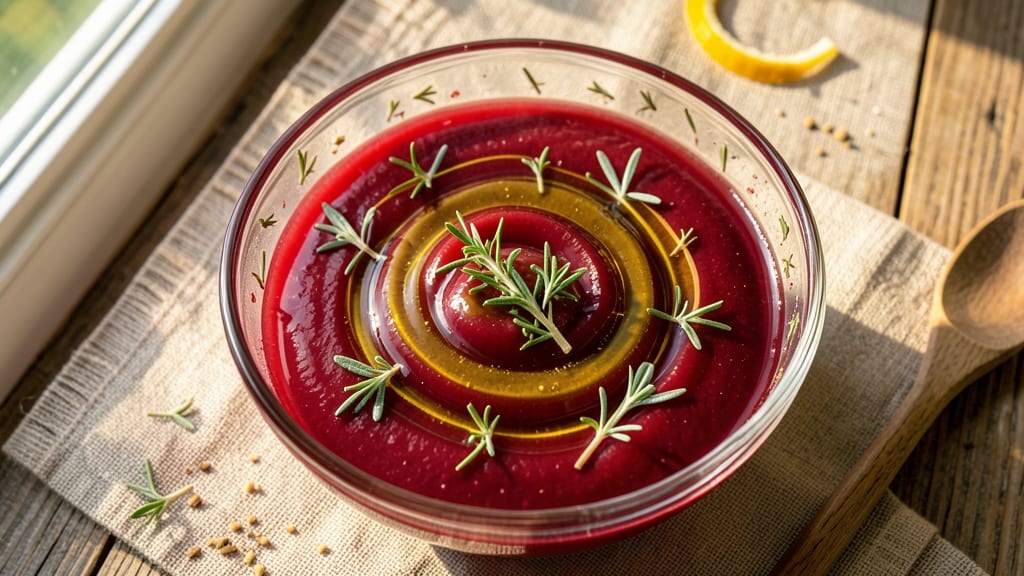
This blood orange vinaigrette salad dressing recipe transforms any salad from ordinary to extraordinary with its vibrant citrus brightness and sophisticated herbal depth. The secret lies in balancing sweet blood orange juice with sharp red wine vinegar, creating a dressing that's both refreshing and complex.
I developed this recipe after years of testing citrus vinaigrettes, and it never fails to elevate simple greens into a gourmet experience.
The key to success is proper emulsification—whisking the oil into the citrus-vinegar mixture gradually until it becomes silky smooth. Fresh herbs like thyme and tarragon add layers of aroma, while Dijon mustard provides just enough body to coat every leaf.
What makes this dressing truly versatile is its ability to complement everything from crisp arugula to hearty grains and grilled proteins.
What you'll end up with is a dressing that's bright enough to cut through rich ingredients yet delicate enough to enhance their natural flavors. The blood orange's natural sweetness balances the acidity, creating a harmonious blend that's impossible to resist.
This isn't just another vinaigrette—it's a flavor transformation that will change how you dress salads forever.
The best part? It keeps beautifully in the refrigerator for up to 5 days, allowing you to make a batch ahead for the week. Whether you're prepping for meal prep or simply want to elevate your lunches, this dressing delivers restaurant-quality results with minimal effort.
Let's make it together—your taste buds will thank you.
Ingredients for blood orange vinaigrette salad dressing
Nine ingredients transform ordinary salads into vibrant citrus-herbal masterpieces.
| Ingredient | Amount | Notes |
|---|---|---|
| Blood Orange Juice 🍊 | ½ cup | Freshly squeezed, no pulp |
| Red Wine Vinegar 🍷 | ¼ cup | Dry variety preferred |
| Extra-Virgin Olive Oil 🫒 | ¾ cup | Light, fruity flavor |
| Dijon Mustard 🌶️ | 1 tbsp | Mild or medium heat |
| Fresh Thyme Leaves 🌿 | 2 tsp | Finely chopped, stems removed |
| Fresh Tarragon Leaves 🌿 | 1 tsp | Finely chopped, stems removed |
| Honey 🍯 | 1 tsp | Wildflower preferred |
| Granulated Sugar 🍚 | 1 tsp | Or substitute with maple syrup |
| Diamond Crystal Kosher Salt 🧂 | ½ tsp | Fine grain preferred |
| Freshly Ground Black Pepper 🌶️ | ¼ tsp | Cracked peppercorns preferred |
The blood orange juice is non-negotiable—freshly squeezed from the grocery store's blood orange section gives the best color and flavor. Whole Foods or Trader Joe's usually carry them year-round, but check the produce section for vibrant, firm oranges. If you can't find blood oranges, grapefruit juice works in a pinch—it's less sweet but still adds brightness. The red wine vinegar should be dry, not balsamic—look for Italian varieties like Balsamella or San Marzano. For the herbs, fresh is ideal, but if you're in a bind, dried thyme and tarragon at one-third the amount will work. Just make sure they're labeled as culinary-grade, not ornamental.
No Dijon mustard? Whole-grain mustard thinned with a splash of water works similarly. Short on honey? Maple syrup or agave keeps it vegan-friendly. The olive oil matters here—avoid strong, peppery varieties like Kalamata; stick with light, fruity options. If you're making this ahead, store the vinegar-citrus base separately from the oil until ready to dress—prevents separation. The sugar and salt are optional but recommended; they help balance the acidity and round out the flavors. For a spicier kick, add a pinch of cayenne or red pepper flakes.
This dressing keeps beautifully for 5-7 days in an airtight jar in the fridge. Give it a good shake before each use—it'll separate slightly. For meal prep, double the batch and store in two small jars; perfect for lunches all week. If you make extra, freeze it in ice cube trays for single-serving portions. The herbs will lose some potency over time, so if you notice the dressing tasting flat, add a fresh sprig of thyme or tarragon when using. It's also fantastic on roasted vegetables, grilled chicken, or even as a marinade—just reduce the oil to 1/4 cup for marinating.
Why You'll Love This Recipe
- Five-Ingredient Magic: Honestly, I swear by this recipe because it’s that simple—just blend, shake, and pour. No fancy techniques, no measuring cups cluttering your counter. The blood orange juice does all the brightening work while the Dijon mustard ties it together in seconds.
- Bright & Tangy: That first sip? It’s like sunshine in a jar. The blood orange juice cuts through the richness of olive oil, while the red wine vinegar adds just enough bite—no cloying sweetness, just pure, refreshing zing. Fresh thyme leaves? They’re the secret that makes it taste alive.
- Weeknight & Weekend: I use this for everything—tossed with greens for a quick lunch, drizzled over grilled chicken, or even as a marinade for fish. (Yes, even on a Tuesday night.) The dressing keeps well in the fridge for up to a week, so I make a big batch and forget about it.
- Budget Brightener: Between us, blood oranges aren’t always cheap—but this recipe uses just enough juice to make a difference without breaking the bank. The rest? Olive oil, vinegar, mustard—pantry staples that stretch across meals. One bottle of juice goes a long way when you’re smart about it.
Step-by-step instructions for blood orange vinaigrette salad dressing
This vibrant dressing comes together in minutes with just a whisk and these simple ingredients.
👨🍳 Step 1: Whisk Together the Citrus Base
In a medium bowl, combine the 0.5 cup blood orange juice with the 0.25 cup red wine vinegar. I like to use a whisk for this step—it helps emulsify the dressing right from the start. The acidity from the vinegar will begin to brighten the blood orange flavor immediately, creating a tangy foundation for the dressing.
Add the 1 tsp honey and 1 tsp granulated sugar to the citrus mixture. These ingredients balance the acidity while enhancing the natural sweetness of the blood orange. Whisk until the sugar and honey are completely dissolved—you should see a smooth, slightly syrupy liquid with no graininess left.
👨🍳 Step 2: Incorporate the Mustard and Herbs
Next, stir in the 1 tbsp Dijon mustard using a wooden spoon or the whisk. The mustard acts as an emulsifier, helping to bind the oil later. Add the 2 tsp finely chopped fresh thyme leaves and 1 tsp finely chopped fresh tarragon leaves—these herbs add an aromatic depth that complements the citrus beautifully.
Here's where it gets good: Taste the mixture now before adding the oil. You'll notice a bright, slightly sweet citrus flavor with herbal undertones. If it needs more salt, add the 0.5 tsp Diamond Crystal kosher salt now. The dressing should taste balanced but still need the oil to round out the flavors.
🍳 Step 3: Gradually Add the Olive Oil
With the bowl positioned over a sink or large container (just in case), slowly drizzle in the 0.75 cup extra-virgin olive oil while whisking continuously. This gradual addition is crucial—it allows the oil to emulsify properly rather than separating. Start with a slow drizzle, then increase to a steady stream as the mixture begins to thicken.
Watch closely as the dressing transforms: it should go from a thin liquid to a thick, creamy emulsion. If you see any separation, simply whisk vigorously for another 30 seconds to re-emulsify. The final texture should be thick enough to coat the back of a spoon but still flow smoothly.
🔪 Step 4: Season and Adjust
Give the dressing a final taste and adjust the seasoning if needed. Add a pinch more salt if the flavors seem muted, or a tiny bit more vinegar if the sweetness overpowers the acidity. Finish with the 0.25 tsp freshly ground black pepper, which adds a subtle heat that cuts through the richness of the olive oil.
Let the dressing rest for 10 minutes before using. This brief resting period allows the flavors to meld completely. If you notice any separation after resting, simply whisk again—this dressing is incredibly forgiving and will come back together beautifully.
Pro Tips For Making Blood Orange Vinaigrette Salad Dressing
- STRAIN THE JUICE WELL: Blood orange juice is packed with pulp, and if you skip straining, you’ll end up with a dressing that’s gritty—trust me, no one wants to feel that texture when they’re eating. Use a fine-mesh sieve or cheesecloth, and press the pulp with a spoon to get every last drop. (Yes, it’s extra work, but your salad will thank you.)
- WHISK IN STAGES: Don’t dump all the olive oil in at once—you’ll end up with a broken emulsion, and that’s when your dressing separates like oil and vinegar in a high school science experiment. Start with the mustard and citrus, whisk vigorously, then slowly drizzle in the oil while whisking like you’re trying to win a bet. Stop when it’s just thick enough to coat the back of a spoon.
- USE COLD MUSTARD: Dijon mustard straight from the fridge is way more stable than room-temperature mustard, which can turn your dressing into a sad, thin puddle. Pop the jar in the freezer for 10 minutes before measuring—it’ll thicken things up and keep your vinaigrette from turning into a watery afterthought. (I learned this after making a batch that looked more like orange juice than dressing.)
- SALT THE THYME FIRST: Fresh thyme leaves are delicate, and if you toss them into the dressing dry, they’ll turn to mush and muddy the flavor. Lightly crush them between your fingers, then sprinkle with a pinch of salt—this softens them just enough to release their aroma without falling apart. Let them sit for 2 minutes before adding to the dressing, and you’ll get that bright, herby punch without the texture disaster.
Make-ahead tips for this dish
Prep Ahead Strategy
Make this dressing 2 days in advance—it actually improves as flavors meld. Store the vinegar-citrus base (everything except oil) in a clean jar. When ready to use, whisk in the 0.75 cup olive oil—the emulsification happens instantly. This method prevents oil separation while keeping herbs fresh longer. 🌿
Weekly Meal Prep
Double the recipe and store in two 8-ounce mason jars in your fridge. The dressing stays vibrant for 5-7 days—perfect for lunches. Label jars with the date and shake well before each use. I keep one jar in my office for quick salad upgrades during busy weeks.
Freezing for Later
Portion dressing into ice cube trays and freeze. Once solid, transfer cubes to a freezer bag. Thaw overnight in the fridge—no texture loss! These individual portions are great for travel salads or last-minute dressings. The frozen cubes maintain their bright color beautifully. ❄️
Herb Refresh Trick
If stored dressing tastes flat, revive it by adding 1 fresh thyme sprig or tarragon leaf before shaking. The herbs re-infuse flavor instantly. For extra brightness, add 1 tsp fresh lemon juice when using from the fridge. This works especially well for dressings stored beyond 3 days.
Oil Separation Fix
If you notice separation after refrigeration, simply whisk vigorously for 30 seconds—the dressing will re-emulsify perfectly. For extra insurance, store oil separately and mix just before using. This keeps the dressing silky smooth even after 7 days of storage. 💫
Versatile Storage Containers
Use amber glass jars to protect from light, which can degrade citrus flavors over time. Avoid plastic containers—they absorb odors and can alter the dressing's taste. For travel, pack dressing in leak-proof silicone containers with a tight seal. I love the OXO Good Grips line for their secure lids.
Nutrition facts
Frequently asked questions
Can I substitute regular oranges for blood oranges?
While you can use regular orange juice, blood oranges provide that signature deep red color and unique sweet-tart flavor. For a similar effect, try blending blood orange juice with a splash of beet juice or pomegranate molasses. The dressing will still taste great, but the vibrant hue will be less dramatic.
Why did my dressing separate after refrigeration?
Citrus vinaigrettes often separate when chilled—it's normal! Simply whisk vigorously for 30 seconds before using. For extra stability, store the vinegar-citrus base (without oil) separately and mix in the oil just before dressing. This keeps it silky smooth even after 7 days of storage.
How can I make this dressing spicier?
Add ½ tsp red pepper flakes or 1 tsp hot sauce when whisking the citrus base. For a smoky kick, include ¼ tsp smoked paprika with the salt. Always taste as you go—start with less and adjust to your heat preference.
What's the best way to use leftover dressing?
This dressing works beautifully on more than just salads! Drizzle over roasted vegetables, grilled chicken, or even use it as a marinade (reduce oil to ¼ cup). For extra flavor, toss with cooked quinoa or farro. The herbs and citrus pair perfectly with hearty grains and proteins.
Can I make this dressing without fresh herbs?
Yes! Use ½ tsp dried thyme and ¼ tsp dried tarragon instead of fresh. Toast the dried herbs lightly in a dry pan for 30 seconds to enhance their flavor. The dressing will still taste amazing—just slightly less aromatic than with fresh herbs.