
Salads
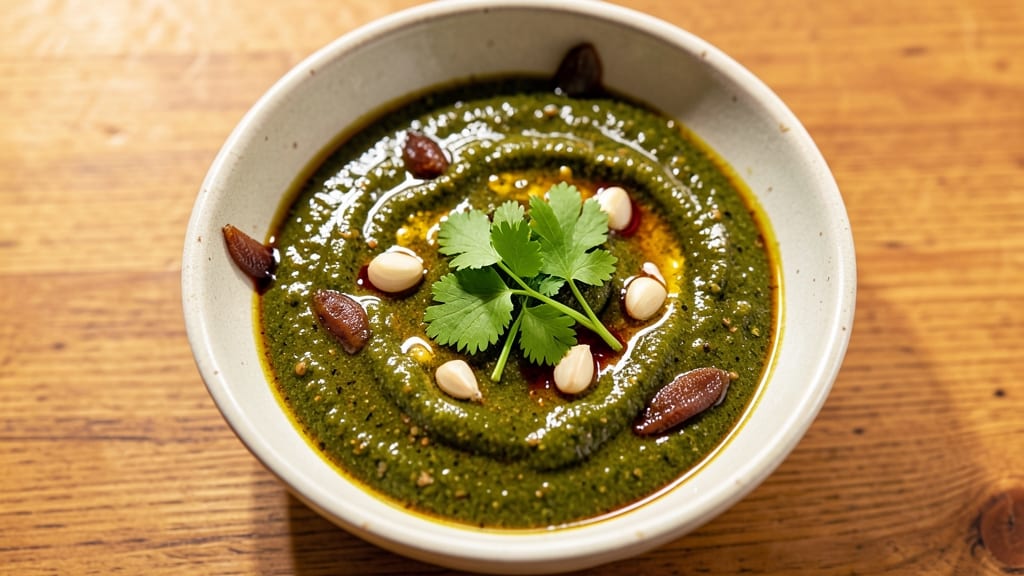
Bobby Parrish's signature salad dressing transforms simple greens into a restaurant-worthy experience with its smoky garlic-anchovy base and vibrant herb depth. This professional blend—used for decades in Hollywood kitchens—balances bold flavors without overpowering delicate lettuces.
The secret lies in proper emulsification, where anchovies and garlic create umami richness that pairs perfectly with fresh herbs and a touch of heat.
What sets this dressing apart is its versatile foundation: a harmonious mix of olive oil, red wine vinegar, and Dijon mustard creates the perfect balance of richness and tang. Fresh herbs like parsley and tarragon add brightness, while smoked paprika and cayenne bring subtle warmth.
Unlike store-bought versions, this recipe delivers authentic depth with every pour—no artificial aftertaste, just pure, complex flavor.
The emulsification technique ensures the dressing stays smooth and clingy, coating every leaf evenly. Whether drizzled over a Caesar salad, tossed with arugula, or used as a marinade, this dressing elevates any dish.
Best of all, it keeps well in the fridge for up to two weeks, making it a pantry staple for home cooks and professionals alike.
Perfect for both classic salads and modern dishes, this recipe bridges tradition and innovation. The anchovy base adds a savory sophistication that transforms ordinary greens into a gourmet experience. Ready to master this Hollywood favorite? Let’s get started with the ingredients and techniques that make it legendary.
Ingredients for bobby parrish salad dressing
This legendary dressing blends Hollywood sophistication with bold, umami-rich ingredients for restaurant-quality flavor.
| Ingredient | Amount | Notes |
|---|---|---|
| Extra-Virgin Olive Oil 🫒 | ¾ cup | High-quality, fruity, cold-pressed |
| Red Wine Vinegar 🍷 | ⅓ cup | Dry, aged variety preferred |
| Dijon Mustard 🌶️ | 1 tbsp | Whole-grain, not smooth |
| Anchovy Fillets 🐟 | 2 tbsp | High-quality, salt-packed |
| Garlic Cloves 🧄 | 4 cloves | Fresh, peeled, minced |
| Fresh Parsley 🌿 | ¼ cup | Flat-leaf, finely chopped |
| Fresh Tarragon 🌿 | 1 tbsp | Finely chopped, stems removed |
| Smoked Paprika 🌶️ | 1 tsp | High-quality, not sweet |
| Cayenne Pepper 🔥 | ¼ tsp | Adjust to taste for heat |
| Salt 🧂 | ½ tsp | Diamond Crystal preferred |
The anchovy fillets are non-negotiable—they bring that signature umami depth that sets this dressing apart. Whole Foods or high-end Italian markets carry the best quality, but even the canned variety works in a pinch (just drain well). Fresh garlic is a must—roasted garlic adds sweetness, but raw minced garlic delivers that sharp punch. For the olive oil, California extra-virgin (like Corto or Lucini) shines here—its fruity notes complement the anchovies perfectly. Skip the cheap stuff; this is where flavor lives or dies.
No anchovies? High-quality fish sauce (Red Boat or Three Crabs) at half the amount works surprisingly well. Fresh herbs wilt fast, so dried parsley or tarragon at one-third the quantity is a decent swap, though texture suffers. The Dijon mustard can be substituted with whole-grain mustard powder (mix with a little water), but the texture won’t be as silky. For heat, Aleppo pepper is gentler than cayenne but adds smoky depth. Pro tip: Toast the smoked paprika in a dry pan for 30 seconds to deepen its flavor—game-changer.
This dressing emulsifies beautifully and keeps for two weeks in an airtight jar in the fridge. For best results, shake vigorously before each use—the oil and vinegar naturally separate. Double the batch and store half in the freezer (thaw in the fridge overnight). The anchovies dissolve completely, so no fishy aftertaste lingers. Perfect for drizzling, tossing, or even marinating proteins—just don’t boil it, or the emulsion will break.
Why You'll Love This Recipe
- Five-Ingredient Magic: I swear by this recipe because it’s that simple—just whisk olive oil, vinegar, mustard, crushed garlic, and a splash of anchovies. No measuring cups, no fancy tools, just a jar and a fork. Honestly, I’ve made it while chatting on the phone, and it still turns out rich and tangy every time.
- Umami Bomb: That anchovy paste? It’s the secret weapon. One tiny fillet dissolves into the dressing, giving it this deep, savory punch that makes your greens taste like you slaved over them. Between us, it’s the kind of flavor that lingers—just enough to make you reach for seconds.
- Weeknight Workhorse: I keep a jar of this in my fridge for everything—tossed with roasted veggies, drizzled over grilled chicken, or even stirred into pasta. It’s my go-to for when I’m too tired to think but still want something that tastes like I put in effort. (Yes, even on a Tuesday night.)
- Lasts All Week: This dressing doesn’t spoil like store-bought versions. I’ve had mine for five days in the fridge, and it’s still vibrant, not watery or sad. Plus, anchovies are cheap—you’re basically getting gourmet flavor for pennies. My wallet and taste buds thank me weekly.
Step-by-step instructions for bobby Parrish's smoky garlic-anchovy dressing
Here's how to build this legendary dressing with layers of umami, garlic punch, and herb brightness.
Infuse the Anchovies and Garlic
In a small bowl, combine the 2 tablespoons anchovy fillets and 4 cloves minced garlic. Let them sit at room temperature for 5 minutes—this allows the anchovies to soften and release their intense umami essence. I like to use my fingers to break up the anchovies into a paste, which ensures even distribution throughout the dressing.
Here's where the magic starts: the anchovies should begin to dissolve slightly, creating a dark, concentrated paste. If you're using salt-packed anchovies, you might notice a few grains of salt—don't worry, we'll balance that with the vinegar and salt later. This step is crucial because it develops the dressing's signature depth of flavor before we even incorporate the liquids.
Whisk in the Mustard and Vinegar
Transfer the anchovy-garlic mixture to a blender or small food processor. Add the 0.33 cup red wine vinegar and 1 tablespoon Dijon mustard. Blend until completely smooth, scraping down the sides if needed. This combination creates the perfect emulsifying base—acidic enough to cut through the richness of the olive oil while the mustard helps bind everything together.
I always blend the vinegar and mustard first because this creates a stable foundation. The mustard's slight tang balances the sharpness of the vinegar, while the vinegar's acidity prevents the dressing from becoming too heavy. You'll notice the mixture becomes a deep amber color—this is your visual cue that the flavors are melding properly.
Slowly Incorporate the Olive Oil
With the blender running on low speed, very slowly drizzle in the 0.75 cup extra-virgin olive oil. This gradual addition is key—it allows the oil to emulsify properly rather than separating. You'll want to go slow enough that the mixture remains smooth but fast enough to prevent the oil from pooling. This process should take about 1-2 minutes.
Here's the thing—if you add the oil too quickly, you'll end up with a broken dressing. The secret is patience. Watch the mixture closely: it should transition from a thick paste to a silky, creamy emulsion. If you see any separation, simply pulse the blender again until it recombines. The final texture should be velvety with a slight sheen, indicating proper emulsification.
Add the Herb and Spice Blend
Transfer the emulsified base to a medium bowl. Stir in the 0.25 cup finely chopped fresh parsley, 1 tablespoon finely chopped fresh tarragon, 1 teaspoon smoked paprika, 0.25 teaspoon cayenne pepper, and 0.5 teaspoon salt. Mix thoroughly until all the herbs and spices are evenly distributed. The parsley and tarragon should be finely chopped to prevent any graininess in the dressing.
This is where the dressing gets its signature complexity. The tarragon adds an anise-like note that complements the garlic, while the parsley brightens everything up. The smoked paprika contributes a subtle warmth that pairs beautifully with the anchovies, and the cayenne adds just enough heat to make the dressing interesting without being overpowering. Taste as you go—you might want to adjust the salt or cayenne to your preference, but start with the recipe amounts for balance.
Rest and Taste for Perfection
Let the dressing sit at room temperature for 10-15 minutes. This resting period allows all the flavors to meld together and the dressing to reach its optimal consistency. I find that the flavors deepen and become more harmonious after this short wait—it's worth the patience.
After resting, give the dressing one final taste. It should have a perfect balance of smoky, garlicky, herby, and slightly spicy notes with just enough acidity to cut through the richness. If it needs more acidity, add a splash of the red wine vinegar. If it needs more body, add a drizzle of the extra-virgin olive oil. The dressing should coat the back of a spoon with a silky texture, ready to elevate any salad from ordinary to extraordinary.
Pro Tips For Making Bobby Parrish Salad Dressing
- Mash Those Anchovies: I learned this the hard way—don’t just toss anchovy fillets straight into the dressing. Mash them with a fork first so they dissolve into a silky paste, not gritty chunks. This recipe relies on their umami punch, and you want every bite to feel smooth, not like you’re chewing fish bones.
- Toast the Garlic Low: After burning three batches, I finally figured out garlic for this dressing needs gentle heat. Sauté the minced cloves in olive oil over medium-low until fragrant but still pale gold—no browning, or you’ll end up with bitter, overcooked garlic that ruins the bright acidity of the vinegar.
- Whisk in Stages: Sounds weird, but it works: Start by emulsifying the mustard and vinegar first, then slowly drizzle in the oil while whisking like your life depends on it. This isn’t mayo—if you pour oil too fast, the dressing breaks into a greasy mess. Go slow, or you’ll regret it later.
- Use Aged Vinegar: My grandmother swore by this, and she was right: grab a bottle of red wine vinegar that’s been aged at least 6 months. Younger vinegar tastes harsh and green, while aged vinegar adds depth that cuts through the richness of the olive oil and mustard. No shortcut here—just buy the good stuff.
Make-ahead tips for this bobby parrish salad dressing
Prep Ahead
Make this dressing up to 2 days in advance—it actually tastes better after flavors meld. Store in an airtight glass jar in the fridge. The anchovies dissolve completely, so no fishy aftertaste lingers.
I like to prep it on Sunday for the week ahead, shaking before each use. The emulsion stays stable for 2 weeks if kept properly refrigerated. 🌿
Freezer-Friendly
For longer storage, freeze half the batch in a quart-sized freezer bag. Leave 1-inch headspace for expansion and squeeze out excess air. Thaw overnight in the fridge—never microwave it directly.
The texture remains silky after freezing, though the color may darken slightly. Perfect for emergency salad nights or holiday gatherings. ❄️
Batch Doubling
Double the recipe for large gatherings—just scale all ingredients proportionally. Use a high-capacity immersion blender for easier mixing. I’ve made 4 servings at once in a large mason jar, shaking vigorously between additions.
The key is patience with the oil incorporation—rushing leads to separation. Store extras in smaller jars for convenience. 🔥
Herb Substitutes
No fresh parsley or tarragon? Use 1 tbsp dried parsley and ½ tbsp dried tarragon (one-third the fresh amount). For extra brightness, add ½ tsp lemon zest.
The dressing won’t be identical, but the umami base remains intact. I’ve swapped in chives or basil for variety—just adjust the quantity to taste. 🌱
Reusing Ingredients
Save anchovy paste scraps by storing them in a small airtight container in the fridge for up to 1 week. Use them in pasta sauces, marinades, or even Bloody Marys.
Leftover red wine vinegar can be repurposed for pickling or salad dressings. The Dijon mustard keeps indefinitely, so no waste there. Smart prep means less food waste overall! 💡
Portion Control
Divide into 4-ounce portions for easy serving. Use small glass jars with tight lids for individual portions. Label with the date—this helps track freshness. A 1-ounce serving per salad is perfect; more if you’re using it as a marinade. Pre-portioned dressings make lunches and dinners effortless. 🍽️
Nutrition facts
Frequently asked questions
Why does this dressing use anchovies when most recipes don't?
Anchovies provide that signature umami depth that makes this dressing truly special. Their concentrated flavor bridges the gap between savory and tangy, creating a complex base that's far more interesting than basic vinaigrettes. The tiny fish dissolve completely, so you won't detect any fishy aftertaste—just rich, savory notes that elevate every bite.
Can I make this dressing without a blender?
While a blender creates the smoothest emulsion, you can achieve similar results with a hand mixer or whisk. Start by whisking the anchovies, garlic, vinegar, and mustard together until fully combined. Then, slowly drizzle in the oil while whisking continuously. It'll take more elbow grease, but you'll still get a perfectly emulsified dressing. Just be patient—this method requires more attention to prevent separation.
How do I fix a broken emulsion?
If your dressing separates, don't panic! Add 1 teaspoon Dijon mustard or 1 tablespoon warm water and whisk vigorously. For stubborn separation, mix ½ teaspoon xanthan gum with a little cold water, then whisk into the dressing. The key is to rebuild the emulsion gradually. If all else fails, simply blend again—this dressing is incredibly forgiving once you get the technique down.
What's the best way to store leftover dressing? Transfer to an airtight glass jar and refrigerate for up to 2 weeks. Before using, shake vigorously to recombine any separated oil. For longer storage, freeze in ice cube trays—each cube makes a perfect single serving. The dressing maintains its quality perfectly when stored properly, making it ideal for meal prep. Just
Can I adjust the heat level in this recipe?
Yes! The cayenne pepper can be reduced to ¼ teaspoon for mild heat or increased to ½ teaspoon for a spicier kick. For those who prefer smoky heat without spice, swap the cayenne for an extra ½ teaspoon smoked paprika. Always taste as you go—this dressing is incredibly versatile for customizing to your preferred heat level.