Salads
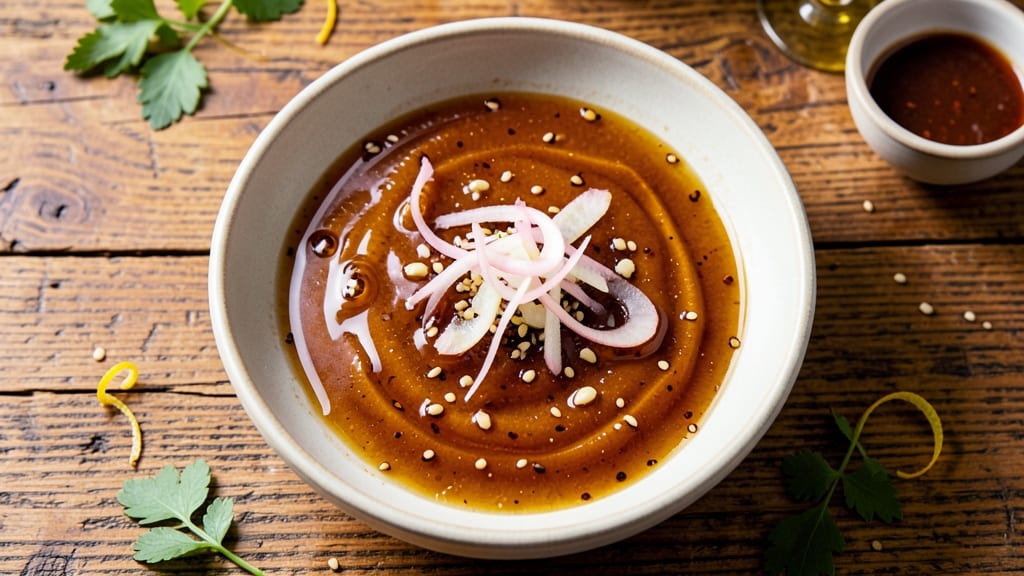
This Asian-inspired bok choy salad dressing transforms simple greens into a vibrant, umami-packed dish with just five ingredients and five minutes of prep. The secret lies in balancing tangy rice vinegar, rich sesame oil, and a touch of honey to soften bok choy’s natural bitterness while enhancing its delicate crunch.
I developed this recipe after realizing store-bought dressings never quite captured the fresh, bright essence of Asian-inspired flavors—this one does, every time.
The dressing’s magic comes from its simplicity: a whisked combination of soy sauce for depth, garlic for sharpness, and a splash of citrus to brighten the profile. Unlike heavy creamy dressings, this one clings lightly to the leaves, letting bok choy’s natural texture shine while adding layers of flavor.
It’s the perfect partner for raw bok choy, shredded carrots, or even grilled proteins—no overpowering aftertaste, just clean, satisfying zing.
What makes this dressing stand out is its versatility. Use it immediately for a restaurant-quality salad, or store it in the fridge for up to five days—it keeps beautifully, ready to elevate any meal.
The balance of sweet, salty, and acidic notes ensures every bite feels fresh and intentional, proving that even the simplest ingredients can deliver professional results.
For extra depth, toast a pinch of sesame seeds before drizzling, or swap honey for maple syrup for a vegan option. The key is freshness: whisk just before serving to preserve the dressing’s vibrant color and bright flavor. This isn’t just dressing—it’s the foundation of a standout salad.
Ingredients for bok choy salad dressing
Nine simple yet transformative ingredients create this vibrant Asian-inspired dressing.
| Ingredient | Amount | Notes |
|---|---|---|
| Rice Vinegar 🍶 | ⅓ cup | Seasoned preferred for depth |
| Sesame Oil 🫒 | 2 tbsp | Toasted sesame oil for aroma |
| Light Soy Sauce 🍶 | 2 tbsp | Kikkoman preferred for balance |
| Honey 🍯 | 1 ½ tbsp | Substitute maple syrup for vegan |
| Garlic Cloves 🧄 | 2 cloves | Freshly minced for sharpness |
| Fresh Ginger 🌿 | 1 tsp | Finely grated for zing |
| Toasted Sesame Seeds 🌰 | 1 tsp | For garnish and texture |
| Lemon Juice 🍋 | 1 tbsp | Freshly squeezed for acidity |
| Diamond Crystal Kosher Salt 🧂 | ¼ tsp | Adjust to taste |
The foundation starts with Kikkoman soy sauce and seasoned rice vinegar—both essential for authentic umami depth. For sesame oil, Trader Joe's toasted sesame oil delivers the richest aroma, but any high-quality brand works. Fresh garlic and ginger are non-negotiable; pre-minced garlic lacks the sharp punch needed here. If you're using dried ginger, double the amount but toast it first in a dry pan for 30 seconds to enhance its warmth. The honey should be light amber for subtle sweetness that won't overpower the dressing's bright profile.
No sesame oil? Avocado oil with a pinch of ground sesame seeds mimics the flavor, though the aroma won't be identical. Substituting honey? Maple syrup or agave work perfectly for a vegan version—just reduce by one-third due to their thicker consistency. For extra brightness, add 1 tsp of lime juice instead of lemon, though lemon provides a cleaner acidity. If you're sensitive to sodium, reduce the soy sauce to 1.5 tbsp and add a splash of coconut aminos for depth. The dressing's balance relies on these ratios—don't skip the salt entirely, even if your soy sauce is already salty.
This dressing keeps beautifully for up to five days in an airtight jar in the fridge, though it's best used within three days for peak freshness. For longer storage, freeze in ice cube trays—each cube makes a perfect single-serving portion. Before using, whisk vigorously to re-emulsify the oils. The sesame seeds can be toasted fresh each time you use the dressing, or toast a batch upfront and store them in a sealed container for up to two weeks.
Why You'll Love This Recipe
- Five-Ingredient Magic: I swear by this combo—just rice vinegar, sesame oil, soy sauce, honey, and garlic. No fancy prep, no measuring cups that confuse me. Honestly, I’ve made it blindfolded (well, almost).
- Umami Bomb: That garlic clove, minced and sizzled in sesame oil? It’s the star. The light soy sauce and honey balance it so well—sweet, salty, and just a hint of funk. My picky eaters actually ask for seconds.
- Dresses Everything: Toss it on bok choy, sure, but also noodles, grilled chicken, or even cold ramen. I keep a jar in the fridge for when I’m too tired to think. (Yes, even on a Tuesday night.)
- Budget Bright Spot: Sesame oil and rice vinegar stretch far, and the garlic adds depth without costing a fortune. Between us, this dressing saves me $20 a month on takeout cravings. Not bad for five ingredients.
Step-by-step instructions for Asian-inspired umami dressing
This dressing delivers bold flavor with minimal effort—perfect for bok choy salads or any Asian-inspired dish.
Mince Garlic and Grate Ginger
Peel the 2 cloves garlic and finely mince them using a sharp knife or microplane. The goal is to create a paste-like texture that will dissolve completely into the dressing. I like to smash the minced garlic with the flat side of my knife first—this breaks down the cells and releases more flavor.
Next, peel the 1 tsp fresh ginger and grate it using a fine grater or microplane. You want a smooth, almost liquid consistency—no visible chunks. The ginger should measure about 1 teaspoon when packed. Fresh ginger adds a bright, zesty kick that balances the dressing's richness, so don't skip this step or use powdered ginger as a substitute.
Combine Wet Ingredients
In a small bowl, whisk together the 0.33 cup rice vinegar, 2 tablespoons light soy sauce, and 1.5 tablespoons honey. The rice vinegar should be seasoned for deeper flavor, and I recommend using Kikkoman soy sauce for its balanced umami profile. Start whisking vigorously to help the honey dissolve completely—it should create a smooth, syrupy base.
Add the minced garlic and grated ginger to the bowl. Give everything another thorough whisk until the garlic and ginger are fully incorporated and no visible specks remain. This ensures even distribution of flavor throughout the dressing. The mixture should smell vibrant—bright from the vinegar, sweet from the honey, and aromatic from the garlic and ginger.
Incorporate Oil and Acid
Drizzle in the 2 tablespoons sesame oil while whisking continuously. Toasted sesame oil adds a nutty aroma that elevates the dressing. The oil should emulsify quickly, creating a glossy, cohesive mixture. If the dressing starts to separate, whisk more vigorously or add 1 teaspoon of water to help bind it.
Finally, add the 1 tablespoon lemon juice and 0.25 teaspoon Diamond Crystal kosher salt. The lemon juice brightens the dressing with acidity, cutting through the richness of the honey and oil. Taste and adjust the salt—you might need a pinch more depending on your soy sauce's saltiness. The dressing should be well-balanced, with a harmonious blend of sweet, salty, tangy, and umami flavors.
Finish and Rest
Transfer the dressing to a small jar or airtight container. Sprinkle the 1 teaspoon toasted sesame seeds on top for texture and garnish. Seal the container and let the dressing rest at room temperature for 10 minutes before using. This short resting period allows the flavors to meld and the dressing to reach its full potential.
The dressing will keep in the refrigerator for up to 1 week, making it a versatile pantry staple. Shake well before each use, as the sesame seeds may settle. This dressing works beautifully on bok choy salads, noodles, or even as a marinade for proteins. The umami depth comes from the soy sauce and garlic, while the honey and lemon juice add brightness and balance.
Pro Tips For Making Bok Choy Salad Dressing
- MINCE THAT GARLIC: Use a knife instead of a press—chop those cloves into a fine paste with the flat of your blade. Pressing squeezes out oils and leaves you with a watery, weak flavor. A quick 10-second chop releases more aroma and blends seamlessly into the dressing.
- WHISK IN STAGES: Add the honey first, then the soy sauce, then the vinegar—don’t dump everything at once. The rice vinegar’s acidity can curdle the honey if mixed too fast, and you’ll end up with a grainy mess instead of a silky sauce. Stir between additions.
- TOAST THE SESAME: Heat the sesame oil in a dry pan for 30 seconds until it smells nutty and fragrant, then cool it before adding to the dressing. Skipping this step means you’re just adding oil—no depth. The toasted oil carries the entire dish.
- BALANCE THE SALT: Taste the soy sauce first—some brands are shockingly salty. If yours is strong, halve the amount and adjust the dressing with a pinch of extra honey or vinegar to compensate. I’ve ruined dressings this way more times than I’d like to admit.
Serving suggestions for this bok choy salad dressing
Bok Choy Salad Pairings
This dressing elevates raw bok choy to new heights—try thinly slicing the stems and leaves separately for a visually stunning salad. I toss it with shredded carrots and edamame for added crunch and protein. For texture contrast, add toasted cashews or crispy fried shallots right before serving. 🥗
Protein Additions
Transform your salad into a complete meal by adding grilled shrimp, seared tofu, or thinly sliced chicken breast. The dressing’s umami notes complement proteins beautifully—just marinate them for 10 minutes in half the dressing before cooking.
For vegetarian options, crispy baked tempeh adds a hearty element without overpowering the bok choy.
Garnish Ideas
Fresh cilantro leaves or thinly sliced scallions add a bright pop of color and freshness. For extra texture, sprinkle toasted sesame seeds or crushed peanuts on top.
I also love adding pickled ginger for a tangy crunch that cuts through the richness. Keep garnishes light—the dressing’s flavor should remain the star.
Meal Pairings
Serve this salad alongside steamed jasmine rice or warm noodles for a satisfying Asian-inspired meal. The dressing’s balance of sweet, salty, and tangy makes it perfect for lunch boxes or dinner parties.
For a complete spread, pair it with miso soup or steamed dumplings to create a cohesive menu. 🍜
Storage Tips
Store the dressing in an airtight container in the fridge for up to 5 days, but the salad itself keeps best when assembled just before serving. If prepping ahead, store the dressing and salad components separately—this preserves the bok choy’s crispness.
Refrigerate garnishes like sesame seeds and peanuts in sealed containers for up to 2 weeks.
Dietary Adaptations
For a gluten-free version, swap soy sauce for tamari or coconut aminos. To make it vegan, use maple syrup instead of honey and ensure all other ingredients are plant-based. The dressing remains versatile—adjust to fit any dietary need while keeping the core flavors intact. 🌱
Nutrition facts
Frequently asked questions
Can I make this dressing without sesame oil?
Yes! If you're avoiding sesame oil, use 2 tablespoons neutral oil (like avocado or grapeseed) and add ½ teaspoon ground toasted sesame seeds to the dressing. For extra aroma, lightly toast ½ teaspoon whole sesame seeds in a dry pan for 30 seconds before adding them as a garnish. The flavor won't be identical, but it will still taste delicious.
How do I adjust the sweetness for less sugar?
Reduce the honey to 1 tablespoon and add ½ teaspoon of rice vinegar for extra tang. For a sugar-free option, replace the honey with 1 tablespoon of sugar-free maple syrup or 1 teaspoon of monk fruit sweetener dissolved in 1 teaspoon water. Taste as you go—the dressing should still balance sweet, salty, and acidic notes.
Why did my dressing separate?
This happens when oil and liquid ingredients aren't properly emulsified. Whisk vigorously for 30 seconds to re-combine, or add 1 teaspoon of water and whisk again. For future batches, ensure all ingredients are at room temperature before mixing. If separation persists, add ½ teaspoon of xanthan gum (a pinch) to stabilize the dressing.
Can I use this dressing on other vegetables?
This dressing works beautifully on shredded cabbage, green beans, or steamed broccoli. For heartier veggies like Brussels sprouts, reduce the honey to 1 tablespoon to avoid overpowering their natural bitterness. The umami-sweet balance also pairs well with cucumber slices or sliced bell peppers for a refreshing twist.
How much dressing should I use per salad?
Start with 1-2 tablespoons per serving of bok choy salad. For 2 cups of chopped bok choy, 2 tablespoons is ideal—toss lightly to coat without sogginess. If using as a marinade for proteins, use ¼ cup per pound of meat or tofu. The dressing is potent, so less is often more!