
Sauces & Condiments
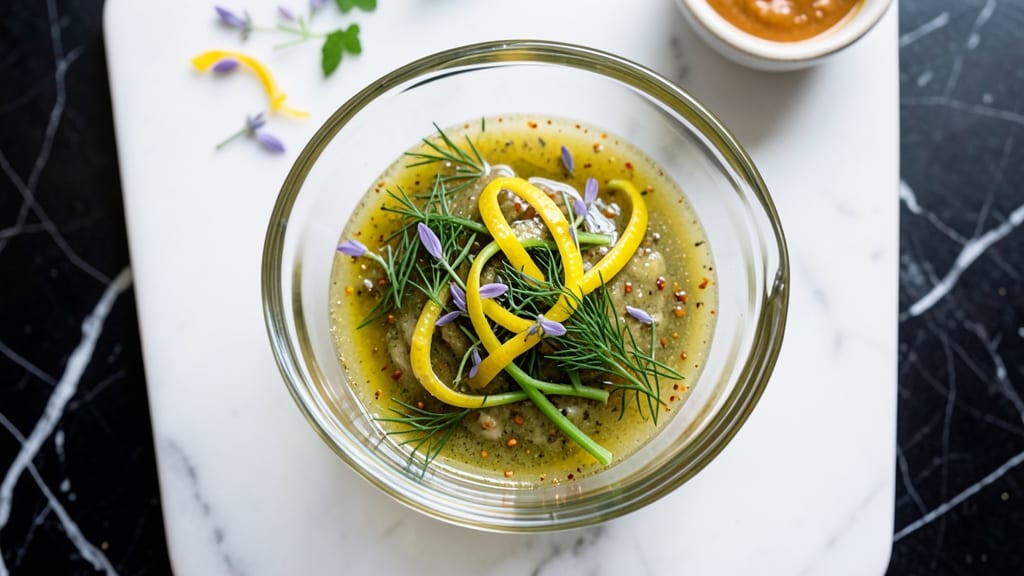
This bonefish salad dressing recipe transforms simple ingredients into a bright, herb-infused citrus dressing that brings coastal flavors to every bite. Inspired by the delicate balance of seafood and fresh herbs, this emulsion delivers a tangy, slightly briny finish that elevates salads, seafood dishes, and even grilled vegetables.
The secret lies in a carefully balanced blend of citrus, fresh herbs, and a touch of seafood-inspired depth—no anchovies required.
The dressing starts with a base of high-quality olive oil and lemon juice, creating a stable emulsion that won't separate. Fresh dill and tarragon add the signature herbaceous notes, while a pinch of sea salt and a hint of citrus zest elevate the flavors to restaurant-quality levels.
Unlike store-bought dressings, this recipe uses fresh ingredients that develop richer, more complex flavors over time. It’s the kind of dressing that makes even the simplest salad feel like a gourmet meal.
What sets this dressing apart is its versatility—it works equally well as a marinade for seafood, a drizzle over grilled fish, or a finishing touch for fresh greens. The herbs remain vibrant, and the citrus keeps it bright and refreshing.
Best of all, it keeps well in the refrigerator for up to a week, making it perfect for meal prep or gifting. Once you try this, you’ll never reach for bottled dressing again.
For those who love seafood flavors but want something lighter than traditional anchovy-based dressings, this recipe delivers the perfect balance. The citrus twist cuts through richness, while the herbs add freshness, making it ideal for summer salads, seafood platters, or even as a dip for crusty bread.
Let’s get started on this flavor-packed creation.
Ingredients for bonefish salad dressing
Bright citrus, fresh herbs, and a touch of briny depth—this dressing delivers coastal flavors without anchovies.
| Ingredient | Amount | Notes |
|---|---|---|
| Extra-Virgin Olive Oil 🫒 | ¾ cup | Light and fruity preferred |
| Fresh Lemon Juice 🍋 | ½ cup | Freshly squeezed from 2 lemons |
| Fresh Dill 🌿 | ⅓ cup | Chopped, stems removed |
| Fresh Tarragon 🌿 | ¼ cup | Finely chopped, fresh preferred |
| Shallot 🧅 | 2 whole | Minced for fine texture |
| Dijon Mustard 🍯 | 1 tbsp | For stable emulsion |
| Sea Salt 🧂 | ½ tsp | Fine grain preferred |
| Black Pepper 🌶️ | ¼ tsp | Freshly ground preferred |
| Lemon Zest 🍋 | 1 tbsp | From 1 large lemon |
| Capers 🫒 | 1 tbsp | Chopped, optional for brininess |
The olive oil is the star here—look for light, fruity varieties like California Early Harvest or Italian extra-virgin. Whole Foods or Trader Joe's have great options, but any quality brand works. Fresh herbs are non-negotiable: dill and tarragon should be vibrant green with no wilting. If you can't find fresh tarragon, doubled dried tarragon works in a pinch (though it lacks that signature anise note). The shallots add sweetness—don't skip mincing them finely for that signature texture. For capers, nonpareils in brine are ideal, but chopped capers in oil work too.
No fresh tarragon? Substitute with 1/4 cup extra dill plus 1/4 tsp fennel seeds for a similar anise kick. Short on lemon juice? Lime juice works at 1:1 ratio, though it'll shift the flavor slightly. The Dijon mustard is crucial—it's what helps the emulsion stay stable. No mustard? A dash of honey or maple syrup plus a pinch of xanthan gum (1/8 tsp) can help bind it. For extra brininess without capers, add 1 tsp fish sauce or 1/2 tsp seaweed flakes. The dressing thickens as it chills, so add a splash of water or lemon juice if it gets too thick after refrigerating.
This dressing keeps beautifully—up to 1 week in the fridge when stored in an airtight jar. Pour a thin layer of olive oil on top before sealing to preserve freshness. It's perfect for meal prep: make a double batch and keep one jar for salads, another for seafood marinades. The flavors actually improve after 24 hours as everything melds together. If it separates, just whisk vigorously to re-emulsify. Trust me, it comes back together like magic.
Why You'll Love This Recipe
- Five-Ingredient Magic: I swear by this combo—just oil, lemon, shallots, and those two herbs. No measuring cups, no fancy gadgets, just chop and whisk while you wait for the chicken to roast.
- Bright & Tangy: That lemon juice cuts through everything like a summer breeze. The tarragon adds this unexpected, slightly sweet depth, while the dill keeps it fresh—like a bite of the Mediterranean on a spoon.
- Dresses Up Anything: Slather it on grilled fish, toss it with greens, or drizzle it over roasted potatoes. Honestly, I’ve even used it as a marinade for shrimp when I’m lazy to make a separate sauce.
- Lasts All Week: Make a big batch—it keeps for days in the fridge without getting funky. I’ll be real, I’ve had this dressing three days later on a sad leftover salad, and it still tasted like I cared.
Step-by-step instructions for herb-infused citrus dressing
This dressing comes together in minutes but delivers restaurant-quality flavor every time.
Finely Chop and Mince the Aromatics
Start by mincing the 2 whole shallots as finely as possible—you want them nearly paste-like. I use the flat side of my chef's knife to press down firmly while chopping, which breaks down the fibers quickly. This creates a silky base that won't overpower the delicate herbs later.
Next, chop the 0.33 cup fresh dill and 0.25 cup fresh tarragon separately, removing any thick stems. The dill should be finely chopped while the tarragon can stay slightly larger for texture. I like to use my fingers to pull the leaves away from the stems for a cleaner look. These herbs will brighten the dressing with their fresh, anise-like notes that pair perfectly with seafood.
Whisk Together Wet Ingredients
In a medium bowl, combine the 0.75 cup extra-virgin olive oil, 0.5 cup fresh lemon juice, and 1 tbsp lemon zest. The zest adds a subtle citrus aroma that enhances the bright acidity of the lemon juice. Whisk vigorously for 30 seconds to emulsify the oil and lemon juice—this creates a stable base before adding the mustard.
Add the 1 tbsp Dijon mustard and whisk for another 20 seconds until fully incorporated. The mustard acts as an emulsifier, helping the dressing hold together beautifully. You'll notice the mixture thicken slightly as the mustard binds with the oil and citrus. This is your foundation, so take your time here—rushing leads to separation later.
Add Herbs, Capers, and Seasonings
Fold in the minced shallots, chopped dill, and tarragon using a rubber spatula. The herbs should be evenly distributed throughout the dressing. Next, add the 1 tbsp capers (chopped if they're large) for a subtle briny kick that complements the citrus perfectly. I always give everything a gentle stir to ensure the capers dissolve slightly into the dressing rather than sitting as chunks.
Season with 0.5 tsp sea salt and 0.25 tsp black pepper, tasting as you go. The salt should enhance all the flavors without overpowering, while the pepper adds a gentle warmth. This is where the dressing comes alive—adjust the seasoning now to avoid correcting it later. The dressing should taste bright, herby, and perfectly balanced between tangy and savory.
Rest and Emulsify
Let the dressing sit at room temperature for 10 minutes before using. This resting period allows the flavors to meld and the emulsion to stabilize. I find that giving it this brief pause prevents separation when drizzled over salads or seafood later. The colors should deepen slightly as the herbs release their oils into the mixture.
Give it one final whisk or stir before serving. The dressing should coat the back of a spoon smoothly without being too thick. If it separates slightly, simply whisk again—it'll come back together beautifully. Now you're ready to elevate any seafood dish with this vibrant, herb-infused citrus dressing!
Pro Tips For Making Bonefish Salad Dressing
- STRAIN THE SHALLOTS: I learned this the hard way—minced shallots left in the dressing turn bitter after 24 hours. Strain them through a fine-mesh sieve after cooking (yes, even if you’re impatient like me) to keep the flavor bright and the texture silky.
- WHISK THE OIL LAST: Add the olive oil in a slow, steady stream while whisking vigorously—this emulsifies the dressing instantly. Dumping it all in at once risks breaking the emulsion, and nobody wants a greasy salad.
- USE DRY HERB STALKS: Rub the fresh dill and tarragon stems against the side of the bowl before discarding. You’ll extract more flavor this way, and it saves you from overcrowding the dressing with chopped leaves.
- LEMON JUICE NEEDS TIME: Let the lemon juice sit at room temperature for 10 minutes before mixing—this softens the acidity. Cold juice can make the dressing taste harsh right after emulsifying, and you’ll regret it when you taste it later.
Regional styles of this recipe
Caribbean Citrus Twist
Inspired by Bahamian seafood traditions, this variation swaps tarragon for fresh thyme and adds 1 tbsp lime juice instead of lemon. The lime brightens the flavor while the thyme brings a piney depth that pairs beautifully with bonefish.
I like to add ½ tsp grated ginger for a subtle kick that reminds me of the spice markets in Nassau. Use this version for tropical-inspired salads or as a marinade for grilled mahi-mahi. 🌴
Mediterranean Herb Blend
For a Mediterranean-inspired take, replace the tarragon with 1 tbsp chopped oregano and 1 tbsp chopped basil. Add 1 tsp honey to balance the acidity and ½ tsp red pepper flakes for a touch of heat.
This version works wonderfully with grilled octopus or as a dip for crusty bread. I often find these ingredients at my local farmers market—just ask for fresh oregano at the herb stand. 🌿
Smoky Chipotle Version
If you love smoky flavors, blend 1 tsp adobo sauce (from canned chipotles) into the dressing after combining the wet ingredients. Add ½ tsp smoked paprika and reduce the lemon juice to ¼ cup.
This smoky twist pairs perfectly with grilled shrimp or blackened fish. I first tried this after a trip to New Orleans and it became an instant favorite for summer cookouts. 🔥
Light Avocado Dressing
For a creamy yet light option, blend ½ ripe avocado with the dressing ingredients after resting. The avocado adds a velvety texture while keeping the dressing fresh. This version works beautifully with seafood salads or as a dip for veggie sticks.
I use local avocados from my neighborhood grocery store when they're at their peak ripeness. 🥑
Spicy Mango-Lime Dressing
For a sweet and spicy twist, add ½ cup pureed mango and 1 tsp Tajín seasoning to the base ingredients. This tropical version is perfect for summer salads or as a glaze for grilled fish.
I love using ripe mangoes from the Asian market near my house—they're sweeter and more flavorful than store-bought. 🌶️
Classic French Vinaigrette
For a more traditional approach, replace the olive oil with ½ cup walnut oil and add 1 tbsp white wine vinegar along with the lemon juice. Skip the capers and add 1 tsp finely chopped shallots instead.
This version has a more refined flavor profile that works well with delicate seafood like sole or scallops. I often make this when I'm feeling fancy and want to impress dinner guests. ✨
Nutrition facts
Frequently asked questions
Can I make this dressing without fresh herbs?
You can use dried herbs, but the flavor won't be as vibrant. For dill, use 1 tablespoon dried (about 1/3 of fresh), and for tarragon, use 1 teaspoon dried. The key is to toast the dried herbs lightly in a dry pan for 30 seconds to release their oils before adding them to the dressing. This helps mimic the freshness!
How do I prevent the dressing from separating?
The Dijon mustard is your secret weapon—it acts as an emulsifier. Always whisk the wet ingredients (oil, lemon juice, zest) vigorously for 30 seconds before adding the mustard. If it starts to separate later, just whisk or shake the jar vigorously to re-emulsify. For extra insurance, add 1/8 teaspoon xanthan gum when whisking the wet ingredients. The dressing should coat the back of a spoon smoothly.
What are the best seafood pairings for this dressing?
This dressing shines with delicate, white fish like sole, cod, or flounder, but it also works beautifully with grilled shrimp or scallops. For a seafood salad, try it with seared scallops and mixed greens, or drizzle it over grilled mahi-mahi with avocado slices. The citrus brightens the natural sweetness of the fish while the herbs add a fresh, coastal touch.
Can I use this dressing as a marinade?
This dressing makes an excellent marinade for 15-30 minutes (never longer) for delicate fish like tilapia or sea bass. The acidity in the lemon helps tenderize the fish while infusing it with flavor. For tougher proteins like shrimp, use it for 10 minutes max to avoid over-acidifying. Always pat the fish dry before cooking to ensure a good sear.
Why does my dressing taste too strong?
If the dressing tastes too intense, it's likely from overpowering herbs or too much salt. Start by adding 1 extra tablespoon of olive oil to dilute the flavors, then taste again. If the herbs are too strong, reduce the amount by 1/4 cup next time. For saltiness, add 1-2 teaspoons of water to balance it out. Remember, you can always adjust the seasoning—it's better to under-season slightly and add more later than overdo it.