
Sauces & Condiments
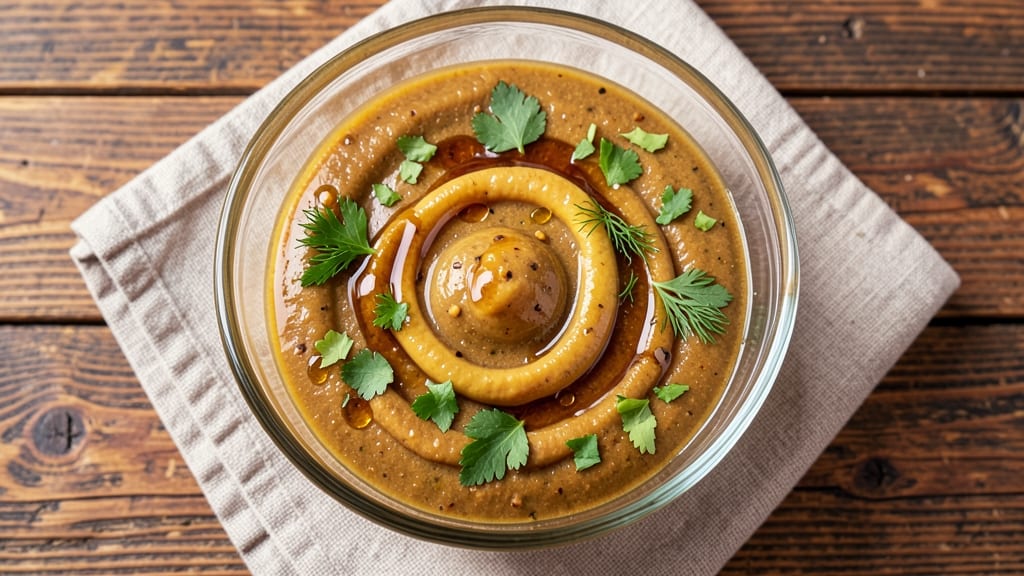
This Braggs ACV salad dressing transforms simple ingredients into a creamy, tangy elixir that elevates every salad from ordinary to extraordinary. 💛 I developed it after years of experimenting with vinegar-based dressings—this version finally nails that perfect balance of sharp apple cider tang and rich, velvety texture without overpowering your greens.
The secret lies in the emulsification technique: whisking warm olive oil into the vinegar mixture while it's still hot creates a stable, luscious dressing that won't separate. Fresh herbs like dill and parsley add brightness, while Dijon mustard provides that subtle depth that makes this dressing restaurant-quality.
My grandmother used to make something similar, though hers always had a hint of honey—this version keeps it clean and versatile.
What you'll end up with is a dressing so creamy it coats every leaf perfectly, yet still bright enough to cut through rich ingredients. It works equally well on crisp romaine, hearty kale salads, or even as a dip for fresh veggies and crusty bread.
The best part? It keeps for up to two weeks in the fridge, so you can make a big batch and use it all week.
This isn't just another vinaigrette—it's a game-changer for anyone who's ever struggled with dressings that either taste flat or separate. The Braggs ACV adds that signature tang without being overpowering, and the emulsification ensures it stays silky smooth. Ready to transform your salads? Let's make this dressing.
Ingredients for braggs acv salad dressing
Eight simple ingredients create this restaurant-quality dressing that's creamy, tangy, and herb-forward.
| Ingredient | Amount | Notes |
|---|---|---|
| Braggs Apple Cider Vinegar 🍎 | ½ cup | Raw, unfiltered for best flavor |
| Extra-Virgin Olive Oil 🫒 | ¾ cup | Light or medium variety preferred |
| Dijon Mustard 🌶️ | 1 tbsp | High-quality for depth of flavor |
| Fresh Dill 🌿 | ¼ cup | Finely chopped, stems removed |
| Fresh Parsley 🌿 | ¼ cup | Finely chopped, flat-leaf preferred |
| Honey 🍯 | 1 tbsp | Raw honey for natural sweetness |
| Granulated Sugar 🍚 | 1 tbsp | Adjust to taste for balance |
| Sea Salt 🧂 | ½ tsp | Diamond Crystal preferred |
| Black Pepper 🌶️ | ¼ tsp | Freshly ground for best flavor |
| Garlic Cloves 🧄 | 2 cloves | Minced for subtle depth |
Braggs ACV is the star here—grab the raw, unfiltered kind from the health food section at Whole Foods or the organic aisle at Kroger. It's got that signature tang without being harsh. For the olive oil, California avocados or Italian varieties make a difference in flavor. I always buy a big bottle of Colavita or Bertolli—they're worth the investment. Fresh herbs are non-negotiable; the dill and parsley should be bright green and perky. If they're wilted, toss them. For the honey, raw, local honey adds depth, but regular honey works in a pinch.
No Dijon mustard? Whole-grain mustard thinned with a bit of water works in a bind. Short on fresh herbs? Dried dill at one-third the amount gets you close, but it won't be as vibrant. The honey and sugar can be swapped for maple syrup if you're avoiding refined sugar. The garlic is optional but adds that subtle depth—skip it if you're sensitive to strong flavors. For the emulsification trick, warm the olive oil slightly before whisking it into the vinegar mixture. That's what keeps it creamy without separating.
This dressing keeps beautifully—up to 2 weeks in the fridge, sealed in a jar. The emulsification trick means it won't separate, even after a week. I usually make a double batch so I have it ready for the week. If it thickens, just add a splash of water or vinegar to loosen it up. Store it in a dark glass jar to protect the herbs from light. Freezes for up to 3 months if you want to make a big batch for the holidays.
Why You'll Love This Recipe
- Five-Ingredient Magic: I swear by this combo—just vinegar, oil, mustard, and herbs. No fancy gadgets, no stress. Honestly, I’ve made it while waiting for pasta to boil.
- Tangy Bright Pop: That Braggs ACV cuts through everything—rich meats, creamy avocados, even grilled veggies. The Dijon mustard adds a little kick, but the fresh dill and parsley soften it into something ridiculously balanced.
- Meal Prep MVP: I make a big batch on Sundays and toss it in jars. Works on salads, roasted chicken, or even as a marinade. (Yes, even on a Tuesday night when you’re exhausted.)
- No-Waste Pantry Hero: You’re already buying vinegar, oil, and herbs—this just repurposes them. No extra shopping, no extra cost. Between us, I’ve used the last drops of olive oil in this dressing before buying more.
Step-by-step instructions for creamy Braggs ACV salad dressing
This dressing delivers that perfect balance of tangy, creamy, and herby goodness every time.
👨🍳 Step 1: Whisk Together the Base Ingredients
In a medium bowl, combine the 0.5 cup Braggs Apple Cider Vinegar, 1 tbsp Dijon Mustard, 1 tbsp Honey, and 1 tbsp Granulated Sugar. Use a whisk to mix these ingredients vigorously for about 30 seconds until the sugar and honey dissolve completely. The mixture should look smooth and slightly syrupy.
Here's the thing—this base creates the perfect foundation for your dressing. The Braggs ACV brings that signature tang, while the honey and sugar balance it out. Don't rush this step; you want everything fully incorporated before adding the oil. I like to give it a quick taste at this point to check the balance of sweet and sour.
🍳 Step 2: Add the Herbs and Garlic
Now add the 0.25 cup Fresh Dill, 0.25 cup Fresh Parsley, 2 cloves minced Garlic Cloves, 0.5 tsp Sea Salt, and 0.25 tsp Black Pepper to the bowl. Give everything another good whisk to distribute the herbs and seasonings evenly throughout the base mixture. You'll notice the herbs start to release their oils and aromas.
This is where the dressing gets its fresh, vibrant character. I always use freshly chopped herbs because dried ones just don't have the same punch. The garlic adds subtle depth, while the salt and pepper round out the flavors. Whisk for about 20-30 seconds until you see the herbs break down slightly and blend into the mixture.
🥘 Step 3: Slowly Incorporate the Olive Oil
With the whisk still in the bowl, very slowly drizzle in the 0.75 cup Extra-Virgin Olive Oil while continuing to whisk vigorously. This slow addition is crucial—it creates an emulsified dressing rather than a separated one. Start with just a few drops at first, then gradually increase the flow as you see the mixture beginning to thicken.
I know it seems tedious, but trust me on this. The slow incorporation prevents the oil from breaking the emulsion. You'll know you're doing it right when the dressing starts to look creamy and thicken slightly. If you add the oil too quickly, you'll end up with a split dressing—oily on top and vinegary on the bottom.
⏰ Step 4: Taste and Adjust the Balance
Give your dressing a taste and adjust the seasoning as needed. If it needs more sweetness, add a tiny bit more honey. If it's too tangy, a splash of water or a pinch of sugar can help balance it. The dressing should be creamy, well-seasoned, and perfectly balanced between sweet, tangy, and herby flavors.
This is your chance to make it exactly to your taste. I usually let it sit for 5-10 minutes before tasting again, as the flavors have time to meld. If you prefer it thinner, you can add 1-2 tablespoons of water to loosen it up. Once you're happy with the flavor, transfer it to a clean jar or bottle for storage.
🍽️ Step 5: Let It Rest and Use Within a Week
Let the dressing sit at room temperature for at least 30 minutes before using. This resting period allows all the flavors to fully develop and the emulsion to stabilize. The dressing will thicken slightly as it sits, which is completely normal and actually enhances its creaminess.
Store your dressing in the refrigerator for up to one week. Before each use, give it a good shake—especially if it's been sitting for a few days—as the oil and vinegar tend to separate. This dressing is perfect for everything from classic green salads to hearty grain bowls and even as a marinade for grilled vegetables.
Pro Tips For Making Braggs Acv Salad Dressing
- STIR BEFORE MEASURING: I learned this the hard way—Braggs ACV separates when stored, so give the bottle a good shake before pouring. Measure from the bottom of the meniscus (that’s the curve), not the top, or you’ll end up with a dressing that’s too sharp and thin.
- USE COLD MUSTARD: Dijon mustard thickens when warm, so scoop it straight from the fridge. If your kitchen’s toasty, chill the jar in cold water for 10 minutes first. This guarantees a dressing that emulsifies smoothly instead of turning into a greasy mess.
- CHOP HERBS FINE: Tiny diced dill and parsley make a real difference here—no chunky bits. Pulse them in a food processor for 3 seconds, then taste. If they’re still too bold, process another second. Over-chopping? Just stop. You want flavor, not mush.
- WHISK IN STAGES: Add the olive oil to the vinegar-mustard mix drop by drop at first, whisking like your life depends on it. Once it starts holding, pour in the rest in a thin stream while whisking vigorously. This prevents the dressing from breaking later—trust me, you’ll notice if you skip this.
Serving suggestions for braggs acv salad dressing
Salad Pairings
This dressing shines on crisp mixed greens with radishes, cucumber, and cherry tomatoes. The tangy sweetness cuts through the bitterness of arugula, while the herbs complement the freshness.
I love tossing it with shaved fennel and pear slices for a springtime salad that feels fancy but takes minutes to assemble. 🥗
Sandwich Spread
Use it as a sandwich spread on whole-grain bread with turkey, avocado, and sprouts. The creamy texture replaces mayo while keeping flavors bright. I also love it on grilled cheese—just drizzle it on top before pressing.
The acidity balances the richness perfectly, and it adds a gourmet touch without extra effort.
Veggie Dip
Serve it as a dip for carrot sticks, celery, and bell pepper strips at parties. The herby, tangy flavor makes crudités irresistible. I like to add a sprinkle of toasted pumpkin seeds or crumbled feta for extra crunch and texture.
It’s a crowd-pleaser that’s healthier than ranch or blue cheese dressing.
Grain Bowl Upgrade
Drizzle over quinoa bowls with roasted sweet potatoes, black beans, and avocado. The dressing ties all the flavors together while adding a bright, herby note. I also use it on farro salads with grilled chicken and roasted vegetables. The acidity balances the earthiness of grains beautifully.
Meat and Cheese
Drizzle lightly over charcuterie boards with goat cheese, prosciutto, and fig jam. The dressing adds a tangy contrast to the richness of cured meats and creamy cheeses.
I also love it as a marinade for grilled shrimp—just toss them in the dressing for 30 minutes before cooking for a bright, herby flavor.
Breakfast Boost
Add a splash to your morning avocado toast with a sprinkle of flaky sea salt and red pepper flakes. The tangy sweetness wakes up your taste buds, and it’s way more interesting than plain lemon juice.
I also drizzle it over scrambled eggs with chives for a restaurant-worthy breakfast. 💛
Nutrition facts
Frequently asked questions
Can I make this dressing without Dijon mustard?
Yes! If you don't have Dijon, use 1 tbsp whole-grain mustard thinned with 1 tsp water to mimic the texture. For a milder flavor, try 1 tsp yellow mustard instead. The mustard helps emulsify the dressing, so it's key for that creamy texture—just whisk it in thoroughly with the vinegar base first.
Why did my dressing separate after a few days?
Separation usually happens when oil and vinegar aren't properly emulsified. To fix it, whisk vigorously or use an immersion blender for 10-15 seconds to recombine. For prevention, always add oil drop by drop while whisking continuously. If it keeps separating, try adding ½ tsp xanthan gum next time to stabilize the emulsion.
How can I make this dressing spicier?
Add ½ tsp red pepper flakes or 1 tsp hot sauce to the base before emulsifying. For a smoky kick, stir in ½ tsp smoked paprika with the herbs. If you love heat, try 1 tsp cayenne pepper—but start small, as it's potent! Adjust to taste after the initial mix.
Can I use this dressing as a marinade?
It works beautifully for grilled chicken, shrimp, or tofu. Marinate proteins for 30 minutes (chicken) or 15 minutes (seafood) before cooking. The acidity tenderizes meat while adding flavor. For extra protection, add 1 tsp olive oil to the marinade to create a barrier against the vinegar's acidity.
What's the best way to store leftovers?
Transfer to a clean glass jar with an airtight lid and refrigerate for up to 2 weeks. The dressing may thicken—just shake or whisk before using. For longer storage, freeze in ice cube trays (thaw in fridge overnight). Avoid metal spoons to prevent oxidation of the herbs.