
Sauces & Condiments
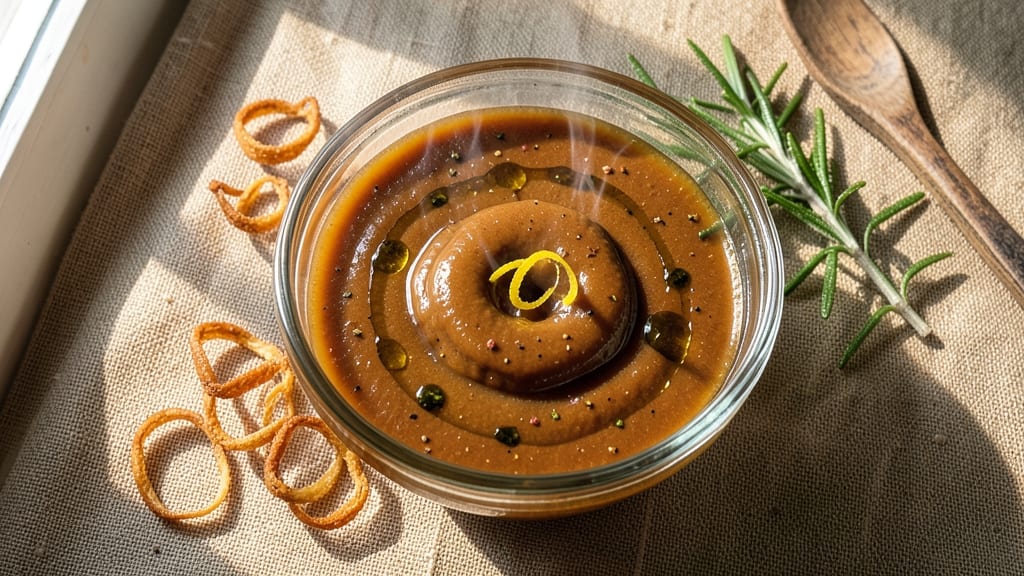
This brown sugar salad dressing recipe transforms simple greens into a caramelized masterpiece with just five ingredients. The key lies in balancing rich brown sugar sweetness with tangy vinegar and a touch of Dijon mustard for that perfect emulsified texture.
My grandmother used to make something similar, though her version was always slightly sweeter—this one's refined for modern tastes.
The magic happens when you whisk together warm brown sugar syrup with vinegar and oil, creating a dressing that's both creamy and slightly sticky. It clings beautifully to lettuce, adding depth that store-bought dressings simply can't match.
The caramelized notes from the brown sugar pair wonderfully with crisp apples, sharp cheeses, or even grilled chicken.
What you'll end up with is a dressing that's sweet yet balanced, tangy yet rich—a perfect marriage of flavors that elevates even the simplest salad. It keeps well in the fridge for up to two weeks, making it ideal for meal prep.
The best part? It takes less than 10 minutes to make, and you'll wonder how you ever lived without it.
This dressing works equally well on kale salads, coleslaw, or even as a glaze for roasted vegetables. The secret to its versatility is the mustard, which acts as both an emulsifier and a flavor enhancer. Let's get started—your salads will never be the same again.
Ingredients for brown sugar salad dressing
Five ingredients, endless possibilities—this dressing turns salads into sweet, tangy masterpieces.
| Ingredient | Amount | Notes |
|---|---|---|
| Light Brown Sugar 🍯 | ½ cup | Packed firmly for accurate measure |
| Apple Cider Vinegar 🍎 | ¼ cup | Raw apple cider preferred |
| Extra-Virgin Olive Oil 🫒 | ½ cup | High quality, fruity variety |
| Dijon Mustard 🌶️ | 1 tbsp | Mild or regular strength |
| Salt 🧂 | ½ tsp | Kosher or sea salt preferred |
| Black Pepper 🌶️ | ¼ tsp | Freshly ground for best flavor |
| Water 💧 | ¼ cup | Warm for better sugar dissolution |
The brown sugar is the star here, so don't skimp on quality. Light brown sugar works best for its caramel notes, but dark brown sugar adds extra depth if you're feeling adventurous. I always grab mine from Whole Foods or the bulk bins at Trader Joe's—they've got the freshest stuff. The apple cider vinegar should smell bright and tangy (none of that vinegary smell), and Bragg or Annie's are my go-tos. The olive oil? Use something you'd drizzle on bread—California Olive Ranch or Bertolli are solid choices. And for the mustard, Maille is the gold standard, but any good Dijon will work.
No apple cider vinegar? White vinegar or balsamic vinegar are solid swaps, though the flavor will shift slightly. Running low on olive oil? Avocado oil works just as well. The mustard can be swapped for whole-grain mustard if that's what you've got, but Dijon gives that perfect tang. If you're making this ahead, let the dressing sit for 10 minutes after mixing—it emulsifies better and the flavors meld beautifully. And if you're worried about the sugar crystallizing, just warm the water slightly before mixing it with the sugar (microwave for 20 seconds).
This dressing keeps for up to 2 weeks in the fridge, but it actually tastes better after a day or two as the flavors develop. Store it in a glass jar with a tight seal—it's less likely to absorb fridge odors that way. Shake well before using, especially if it's been sitting for a while. It's perfect for meal prep: make a big batch on Sunday and use it all week. Pro tip: drizzle a little extra over grilled chicken or roasted veggies—it's a game-changer.
Why You'll Love This Recipe
- Five-Ingredient Magic: I swear by this—just brown sugar, vinegar, oil, mustard, and salt. No fancy gadgets, no measuring cups with confusing lines. Honestly, I’ve made it blindfolded (okay, maybe not, but you get the point).
- Sweet-Savory Balance: That first bite? Crisp, tangy, with a caramelized depth from the brown sugar. It’s the kind of dressing that makes you pause mid-bite and think, “Wait, why don’t I eat salads more often?”
- Works Everywhere: Drizzle it on greens, toss it with grilled chicken, or even use it as a marinade. I’ve even dumped it over roasted sweet potatoes—trust me, it’s a game-changer for Thanksgiving sides.
- Lasts All Week: Make a big batch and store it in the fridge. The flavors only get better as it sits, and you’ll thank me when you’re throwing together lunches on a Monday. Budget-friendly? Absolutely. Stress-free? Even more so.
Step-by-step instructions for brown sugar salad dressing
This dressing delivers deep caramelized sweetness with a bright, tangy kick—perfect for fall salads.
Caramelize the Brown Sugar
In a small saucepan, combine the 0.5 cup light brown sugar and 0.25 cup water. Place over medium heat and stir constantly with a wooden spoon until the sugar dissolves completely. This usually takes about 3-4 minutes—you'll see the mixture turn into a smooth syrup.
Once dissolved, increase the heat to medium-high and continue stirring. Watch closely as the syrup begins to bubble and thicken. You're looking for a deep amber color and a rich, caramel aroma—this should take about 5-7 minutes. Here's the thing: don't walk away. Sugar burns quickly, and once it does, you can't salvage it. The moment it reaches that perfect caramel stage, remove the pan from heat immediately.
Incorporate Vinegar and Mustard
While the caramelized sugar is still hot, carefully pour in the 0.25 cup apple cider vinegar. You'll see it bubble vigorously—this is normal. Stir continuously for about 1 minute until the mixture smooths out and the vinegar is fully incorporated. The smell will be incredible: sweet, tangy, and just a hint of caramelized depth.
Next, add the 1 tablespoon Dijon mustard and stir until completely combined. The mustard helps emulsify the dressing later, preventing separation. If you're using a mild mustard, you might want to add an extra pinch of salt to compensate for the lower heat. Taste the mixture now—it should be sweet, tangy, and slightly spicy from the mustard.
Slowly Add Olive Oil
With the pan still off the heat, begin adding the 0.5 cup extra-virgin olive oil very slowly—about 1 tablespoon at a time. After each addition, whisk vigorously with a fork or small whisk. This gradual process is crucial because it allows the oil to emulsify properly with the sugar-vinegar mixture. If you add it too quickly, the dressing will separate.
After adding all the olive oil, return the pan to low heat and stir gently for another 2-3 minutes. This step ensures everything is fully combined and the flavors meld together. You want the dressing to be smooth and silky, with no streaks of oil. If it still looks slightly oily, whisk it more vigorously or let it sit for a few minutes—it will come together.
Season and Cool
Remove the pan from heat and stir in the 0.5 teaspoon salt and 0.25 teaspoon black pepper. Taste the dressing again and adjust the seasoning if needed. You might want to add a bit more salt to enhance the flavors, or a splash more vinegar if it needs more tang. The dressing should be perfectly balanced—sweet, tangy, and slightly spicy.
Let the dressing cool to room temperature. As it cools, it will thicken slightly, becoming easier to drizzle over salads. Once cooled, transfer it to a clean jar or bottle with a tight-sealing lid. Store it in the refrigerator for up to 2 weeks, shaking well before each use to re-emulsify if needed. This dressing tastes even better the next day as the flavors continue to meld.
Pro Tips For Making Brown Sugar Salad Dressing
- Whisk in Stages: Start by mixing the vinegar, mustard, and brown sugar—just until the sugar dissolves. Then slowly drizzle in the olive oil while whisking constantly. This keeps the dressing silky instead of grainy, and I’ve learned the hard way that pouring oil too fast ruins the texture.
- Use Warm Vinegar: Heat your apple cider vinegar for 10 seconds in the microwave—just enough to take the chill off. The brown sugar dissolves faster and smoother, and the dressing won’t clump like it does when you mix cold ingredients. (Yes, even if you’re impatient like me.)
- Salt the Mustard: Taste the Dijon mustard before adding it to the dressing—it’s already salty. Skip the extra salt at first, then adjust the final dressing. I used to over-salt every time because I didn’t check the mustard’s baseline flavor.
- Store Oil-Separated: Keep the dressing in a jar with the olive oil on top—it’ll naturally separate, but shake it like crazy before using. This keeps the vinegar from turning the oil rancid faster, and the texture stays creamy longer. (Your future self will thank you.)
Perfect pairings for this dish
Sweet & Savory Salad Pairings
This dressing shines on apple and walnut salads—the crisp sweetness of apples balances perfectly with the caramelized notes. Toss thinly sliced Granny Smith apples with mixed greens, crumbled blue cheese, and toasted walnuts. The tangy dressing cuts through the richness, creating a flavor explosion. 🍏
For a heartier option, pair it with grilled chicken and kale. The smoky char of the chicken enhances the dressing's caramel depth, while the kale adds a peppery bite. I like to add shaved fennel for a subtle anise flavor that ties everything together.
Cheese & Charcuterie Boards
Drizzle this dressing over aged cheddar and sharp gouda on a charcuterie board for a sweet-savory contrast. The caramelized sugar complements the cheese's nuttiness, while the tangy vinegar cuts through the fat. Add prosciutto and honey-glazed nuts for extra depth. 🧀
For a vegetarian spread, layer it with hummus and roasted red peppers. The dressing's sweetness enhances the smoky peppers, while the hummus adds creaminess. Serve with warm pita bread for dipping—it's a crowd-pleaser at parties.
Roasted Vegetable Glaze
Brush this dressing over roasted Brussels sprouts before baking for a caramelized glaze. The sugar helps create a crispy exterior while keeping the sprouts tender inside. Toss with pecans and dried cranberries for a festive side dish. 🥦
Use it as a glaze for sweet potatoes—the brown sugar caramelizes beautifully, creating a sticky, flavorful crust. Add a sprinkle of smoked paprika before roasting for extra warmth. It's a game-changer for holiday meals.
Dessert-Inspired Salads
For a dessert-like salad, mix with cinnamon and vanilla (½ tsp each) and drizzle over strawberry and spinach salads. The sweetness feels indulgent, but the vinegar keeps it bright. Top with toasted coconut flakes for a tropical twist. 🍓
Try it on pear and arugula salads with crumbled goat cheese. The dressing's tangy sweetness balances the pear's juiciness, while the arugula adds a peppery kick. It's like eating a dessert salad—trust me, it's delicious.
Nutrition facts
Frequently asked questions
Why does this dressing use brown sugar instead of regular sugar?
The molasses in brown sugar adds a deep caramelized depth that regular sugar can't match. This creates that signature sweet-savory flavor that pairs perfectly with salads. Plus, the slight bitterness from the molasses balances the tangy vinegar beautifully.
Can I make this dressing without a stove?
Yes! If you don't want to use heat, simply dissolve the 0.5 cup brown sugar in the 0.25 cup warm water (microwave for 20 seconds) first, then whisk it with the vinegar and mustard. Add the oil gradually while whisking vigorously. The texture won't be quite as smooth, but it'll still taste delicious.
How do I fix separated dressing?
If your dressing separates, whisk it vigorously or use an immersion blender to re-emulsify. For stubborn separation, place the jar in warm water for 10 minutes to help the ingredients blend back together. Always store it in a sealed container to prevent future separation.
What's the best way to store leftovers?
Transfer the dressing to a clean glass jar with a tight lid and store it in the fridge for up to 2 weeks. Shake well before each use, especially if it's been sitting for a few days. The flavors actually improve after 24 hours as they meld together beautifully.
Can I use this dressing on non-salad dishes?
This dressing works wonderfully as a glaze for roasted vegetables, grilled chicken, or even as a dip for fruit like apples or pears. The caramelized sweetness makes it versatile for both sweet and savory dishes—just adjust the seasoning to match your dish.