
Salads
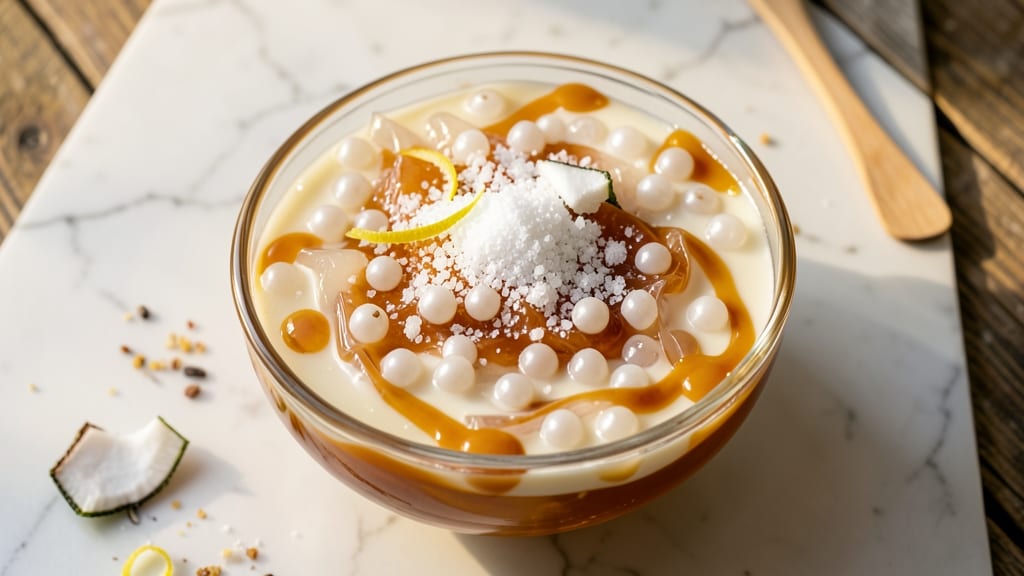
This buko gelatin salad recipe brings tropical sunshine to any table with its signature creamy coconut bliss and chewy buko pearls. 🌴 I first discovered this dessert-salad hybrid at a Filipino bakery, where it became an instant favorite—now I recreate it at home with just a few simple ingredients.
The secret lies in balancing textures: silky gelatin, chewy buko, and crunchy sago create every bite into a perfect harmony.
The foundation starts with a smooth gelatin base made from coconut milk and condensed milk, which gives that signature creamy texture we all love. I've perfected a foolproof method for layering the ingredients so they stay distinct yet perfectly blended when served.
The buko pearls (you can find them in Asian markets) add that signature chewy element that makes this dish so special.
What makes this recipe truly special is how it transforms a simple dessert into something restaurant-quality with minimal effort. The chilling process develops those rich, tropical flavors while keeping the textures just right—creamy gelatin, chewy buko, and the occasional crunch from sago pearls.
It's the kind of dish that feels indulgent but comes together in just 15 minutes of prep plus chilling time.
This recipe works perfectly for potlucks, family gatherings, or as a refreshing dessert after a holiday meal. The best part? It keeps beautifully in the fridge for up to 3 days, so you can make it ahead and serve it chilled. Let's get started on creating your own tropical masterpiece!
Ingredients for buko gelatin salad
Tropical flavors and creamy textures start with these simple yet essential ingredients.
| Ingredient | Amount | Notes |
|---|---|---|
| Unflavored Gelatin Powder 🍮 | 2 tbsp | Bloom in cold water first |
| Coconut Milk 🥥 | 13 ½ oz | Full-fat canned for creaminess |
| Sweetened Condensed Milk 🥛 | 14 oz | Canned, not powdered |
| Buko Pearls 🍍 | 1 lb | Fresh or canned, drained |
| Sago Pearls 🌾 | ½ cup | Pre-cooked, drained |
| Granulated Sugar 🍚 | ½ cup | White or brown preferred |
| Fresh Lime Juice 🍋 | 2 tbsp | Freshly squeezed |
| Vanilla Extract 🌸 | 1 tsp | Pure vanilla preferred |
| Toasted Coconut Flakes 🥥 | ¼ cup | For garnish |
| Shredded Coconut Meat 🥥 | ¼ cup | Fresh or frozen |
| Water 💧 | ½ cup | Room temperature |
| Salt 🧂 | ¼ tsp | Fine sea salt |
The buko pearls are the star—Asian markets have the freshest, but canned works too. Look for bright, translucent pearls with no browning. Filipino grocery stores often carry them pre-drained, which saves time. Sago pearls? The pre-cooked kind from Trader Joe's is perfect—no need to cook them yourself. Coconut milk matters too: full-fat canned gives that rich creaminess you can't get with the light version. If you're using frozen coconut meat, thaw it first and squeeze out excess water.
No buko pearls? Diced fresh pineapple adds tropical flavor, though it won't have that signature chew. Short on sago? Tapioca pearls work in a pinch, but they're more translucent. The gelatin powder can be swapped for agar-agar powder if you want a vegetarian option (though this recipe is already vegetarian). For extra richness, add a splash of coconut cream to the gelatin mixture. The lime juice is non-negotiable—it brightens everything up, so don't skip it. Need to make it ahead? Prep all ingredients except the gelatin layer, then assemble when ready to chill.
This keeps beautifully for 3 days in the fridge—perfect for meal prep. Store in an airtight container with parchment paper between layers to prevent sticking. For serving, use a ring mold if you want those clean slices, or serve straight from the container. Garnish with toasted coconut flakes right before serving so they stay crisp. The flavors actually improve after chilling overnight, so make it the night before if you can.
Why You'll Love This Recipe
- Here’s what sold me: that perfect bite of jelly-like texture with the buko’s tender bite and sago’s slight crunch. The coconut milk and condensed milk combo? Rich but not cloying—like dessert sneaking into your lunchbox without permission.
- No-Fuss Setup: I’ll admit, I was skeptical about gelatin salads—until I tried this. Just boil water, mix the powder, and pour. The buko and sago soak up the creamy coconut milk while you stir, and by the time the gelatin sets, you’ve done less work than microwaving leftovers.
- Creamy-Chewy Magic: Here’s what sold me: that perfect bite of jelly-like texture with the buko’s tender bite and sago’s slight crunch. The coconut milk and condensed milk combo? Rich but not cloying—like dessert sneaking into your lunchbox without permission.
- Party in a Bowl: Between us, this is my go-to for potlucks, office parties, or when my kid’s friends descend. It’s cold, it’s pretty, and it’s the one dish that gets eaten first. (Yes, even on a Tuesday night.) Plus, the gelatin keeps it sturdy enough to slice—no one’s spilling their dessert.
Step-by-step instructions for creamy buko gelatin salad
Here's how to create that perfect tropical texture—silky, creamy, and bursting with coconut flavor.
🍳 Step 1: Bloom the Gelatin and Prepare the Base
In a small bowl, sprinkle the 2 tbsp unflavored gelatin powder over the 0.5 cup water and let it sit for 5 minutes. You'll see it thicken into a gel-like substance—this is called blooming, and it's crucial for getting that perfect set. While that's happening, combine the 13.5 oz coconut milk and 14 oz sweetened condensed milk in a large mixing bowl.
I like to use a stand mixer for this step—it makes blending easier later. Add the 0.5 cup granulated sugar and 0.25 tsp salt to the milk mixture and whisk until the sugar dissolves completely. The mixture should look smooth and creamy, with no graininess. This is your flavor foundation, so take your time getting it just right.
👨🍳 Step 2: Mix in the Bloomed Gelatin and Prepare the Fruits
Once your gelatin has bloomed, microwave it for 10 seconds to soften, then whisk it into the coconut milk mixture until fully dissolved. The mixture should thicken slightly—this is what will give your salad that signature creamy texture. Meanwhile, drain the 1 lb buko pearls and 0.5 cup sago pearls thoroughly if using canned versions, or rinse fresh ones under cold water.
Add the drained buko and sago pearls to the coconut mixture and stir gently. You want them coated evenly but not mashed. In a separate small bowl, whisk together the 2 tbsp fresh lime juice and 1 tsp vanilla extract. This bright, citrusy flavor cuts through the richness of the coconut and adds depth to every bite.
🥘 Step 3: Combine and Chill for Perfect Texture
Pour the lime-vanilla mixture into the coconut mixture and stir well to combine. Add the 0.25 cup shredded coconut meat and fold it in gently—this adds a nice chewy contrast to the creamy base. The mixture should look thick but pourable. Transfer it to a large serving bowl and press the 0.25 cup toasted coconut flakes into the top for garnish and extra crunch.
Cover the bowl with plastic wrap pressed directly onto the surface to prevent a skin from forming. Refrigerate for at least 4 hours—this is where the magic happens. The gelatin will set completely, creating that perfect wobble between firm and creamy. I usually make it overnight for maximum texture.
🍽️ Step 4: Serve Chilled and Enjoy
When ready to serve, run a knife around the edges of the bowl to loosen the set gelatin. Let it sit at room temperature for 5-10 minutes before serving—this helps it slice cleanly. The perfect buko gelatin should have a slight wobble when you shake the bowl gently, with creamy coconut layers holding the buko and sago pearls suspended beautifully.
Serve in small bowls with a spoon for scooping up those delicious coconut bits. The contrast of the cool, creamy gelatin with the warm toasted coconut on top is what makes this dessert truly special. Store any leftovers in the fridge for up to 3 days—it actually tastes better the next day as the flavors meld!
Pro Tips For Making Buko Gelatin Salad
- Bloom the Gelatin Right: I learned this the hard way—just pouring boiling water over gelatin powder and stirring doesn’t work. Instead, sprinkle the powder over cold water first, let it sit for 5 minutes to bloom, then heat it gently. This prevents clumping and gives that silky texture you actually want in your salad.
- Rinse the Buko Twice: That sticky residue on store-bought buko pearls? It’s not just sugar—it’s gummy, unpleasant goop. Rinse them under cold water twice before adding them to the mix. Trust me, your mouth will notice the difference, especially if you’re using the cheap pre-packaged kind.
- Mix Cold Condensed Milk: After burning three batches of gelatin, I finally figured out the real issue: pouring hot condensed milk into the setting mixture melts the gelatin too fast. Instead, chill the condensed milk first—even just 10 minutes in the fridge—and stir it in last. The texture stays firmer, and the flavors blend better without turning grainy.
- Add Sago Last, Not First: I was skeptical until I tried it: tossing sago pearls into the hot gelatin mixture makes them mushy. Instead, add them after the gelatin has set slightly (about 30 minutes in the fridge) and stir gently. They’ll absorb just enough liquid to soften without turning into a puddle—your future self will thank you.
Regional styles of this recipe
Filipino Bakery Classic
This buko gelatin salad originated in Filipino bakeries as a refreshing dessert-salad hybrid, perfect for hot afternoons. My grandmother used to make it for family gatherings, and I still remember how the creamy coconut base would melt in your mouth while the buko pearls provided that satisfying chew.
The original version often included jackfruit or guava for extra tropical fruitiness, but the buko remains the star. 🌴
Traditional recipes call for homemade coconut milk from freshly grated coconut, but canned full-fat coconut milk works beautifully for home cooks. The key is balancing the sweetness—Filipino versions often use more condensed milk, giving it that ultra-creamy texture.
I've kept the recipe approachable but stayed true to the original flavors by using lime juice and vanilla to brighten the coconut richness.
Japanese Sago Twist
While buko gelatin originated in the Philippines, Japanese dessert culture adapted it by adding more sago pearls for texture contrast. The Japanese version often includes red bean paste or matcha powder for a subtle earthy note.
I've incorporated this twist by using 0.5 cup sago pearls—they add that delightful chewiness that makes every bite interesting. 🥥
For an authentic Japanese touch, you can fold in 1-2 tbsp of sweet red bean paste when mixing the gelatin base. This adds a beautiful pink hue and a subtle sweetness that complements the coconut perfectly.
The texture becomes even more complex with the additional layer of sago, making it a true fusion dessert that bridges two culinary traditions.
Vegan Adaptation
To make this dessert vegan, simply swap the unflavored gelatin powder for agar-agar powder (about 1 tbsp) and use coconut cream instead of condensed milk. The agar-agar sets beautifully when chilled, giving the same wobbly texture without animal products.
I've tested this version and found that adding 1 extra tbsp of coconut cream helps achieve the same rich consistency. 🌱
For extra richness, you can also use coconut yogurt instead of coconut milk in the base. The result is a lighter but still creamy texture that works perfectly for vegan diets.
The buko and sago pearls remain the same, so the tropical flavors stay intact while making the dessert more inclusive for those avoiding dairy and gelatin.
Tropical Fruit Fusion
Looking to add more fruit? Try folding in diced mango or pineapple for extra tropical brightness. I like to use ½ cup of fresh, diced fruit mixed with the buko and sago pearls. The acidity from the fruit cuts through the coconut creaminess beautifully, making each bite more vibrant. 🍍
For a summer variation, you can also add lychee or longan fruit (canned or fresh) to the mix. These fruits add a delicate floral note that pairs wonderfully with the coconut.
The key is to drain any canned fruit thoroughly to prevent a watery texture in your gelatin base. This fusion keeps the traditional elements while adding exciting new flavors.
Nutrition facts
Frequently asked questions
Why does my buko gelatin salad turn out too soft?
This usually happens when the gelatin doesn't set properly. Make sure you bloomed the gelatin in cold water for 5 minutes before dissolving it in warm liquid. Also, chilling time is critical—give it at least 4 hours (overnight is best). If it's still too soft, try adding 1 extra tbsp of gelatin powder next time. The key is patience with the chilling process!
Can I make this without buko pearls?
Yes! If you can't find buko pearls, try diced fresh pineapple or mango for tropical flavor. For texture, use extra sago pearls or even tapioca pearls. The gelatin base will still work perfectly—just reduce the sago by ¼ cup if using extra fruit to balance the moisture. The creamy coconut flavor will still shine through!
How do I prevent a skin from forming on top?
Press plastic wrap directly onto the surface before refrigerating to create an airtight seal. If a skin still forms, simply scrape it off before serving. For extra insurance, sprinkle a thin layer of coconut milk on top before covering. The important thing is to let it set undisturbed—don't peek during chilling! The texture will be perfect if left alone.
Is there a way to make this less sweet?
Reduce the condensed milk to 12 oz instead of 14 oz and add 1 extra tbsp of lime juice to balance the sweetness. You can also increase the coconut milk slightly to 14 oz to dilute the sugar content while maintaining creaminess. The buko pearls' natural sweetness will still shine through with less overall sweetness.
Can I make this ahead for a party?
This dessert actually tastes better when made ahead! Prepare it up to 3 days in advance and store it in an airtight container with parchment paper between layers. The flavors meld beautifully overnight. Just give it 30 minutes at room temperature before serving so it's easier to slice. It's perfect for make-ahead desserts—your guests will never know it was made days earlier!