
Salads
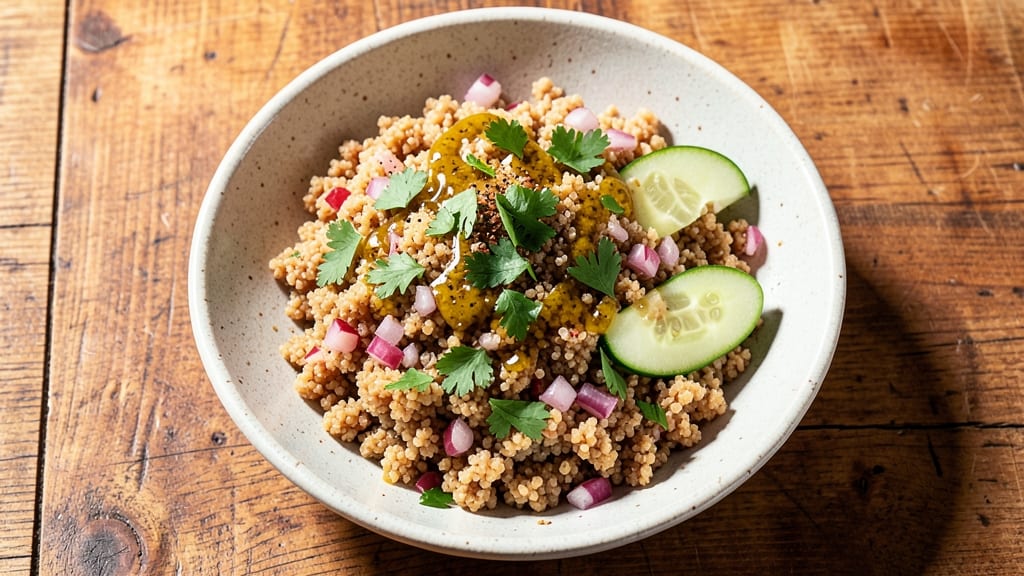
This Turkish bulgur salad recipe transforms simple ingredients into a vibrant, herby masterpiece in just 15 minutes—no fuss, no shortcuts, just authentic flavor. The secret lies in perfectly cooked bulgur wheat, bright lemon juice, and fresh parsley that infuse every bite with Mediterranean sunshine.
I first tasted this dish in a bustling Istanbul café, where it arrived as a crisp, refreshing side that stole the show alongside grilled meats.
The beauty of this salad is its simplicity: bulgur wheat cooks in minutes, absorbing lemon and olive oil for a tender yet toothsome texture. Chopped tomatoes, crisp cucumbers, and finely diced red onion add freshness, while sumac and black pepper bring a subtle tang that elevates everything.
It’s the kind of dish that feels both rustic and refined—perfect for summer picnics or as a light main when paired with protein like grilled chicken or chickpeas.
What makes this recipe stand out is the balance of textures—crisp vegetables, tender bulgur, and herby freshness—all tied together with a dressing so simple yet transformative. The lemon brightens the earthy bulgur, while the parsley adds a burst of green that makes every bite feel fresh.
It’s the kind of salad that tastes even better the next day, making it ideal for meal prep or last-minute gatherings.
Serve it as a standalone dish for vegetarians or as a vibrant side to grilled meats, fish, or even lamb kebabs. The versatility is what makes it a staple in Turkish cuisine—equally at home on a busy weeknight table or a festive spread. Let’s get cooking!
Ingredients for bulgur salad recipe turkish
Twelve simple ingredients transform into a vibrant Turkish bulgur salad bursting with Mediterranean flavors.
| Ingredient | Amount | Notes |
|---|---|---|
| Fine Bulgur Wheat 🌾 | 1 cup | Rinsed thoroughly before cooking |
| Fresh Lemon Juice 🍋 | ½ cup | Freshly squeezed, no pulp |
| Extra-Virgin Olive Oil 🫒 | ½ cup | Light fruity variety preferred |
| Fresh Flat-Leaf Parsley 🌿 | ½ cup | Finely chopped, stems removed |
| Medium Red Onion 🧅 | 1 whole | Finely diced, soaked 10 mins |
| Medium Cucumber 🥒 | 1 whole | Seeded, diced into 1/2-inch pieces |
| Medium Tomato 🍅 | 2 whole | Chopped into 1/2-inch pieces |
| Ground Sumac 🌶️ | 1 tbsp | For tangy brightness |
| Freshly Ground Black Pepper 🌶️ | ½ tsp | Freshly cracked preferred |
| Diamond Crystal Kosher Salt 🧂 | ½ tsp | Adjust to taste |
| Garlic Cloves 🧄 | 2 cloves | Minced for depth |
| Red Wine Vinegar 🍷 | 1 tbsp | For subtle acidity |
The bulgur wheat is the foundation—opt for fine bulgur from specialty markets like Whole Foods or Trader Joe's for the best texture. Look for vibrant, golden grains with minimal impurities. Fresh parsley is non-negotiable here; the flat-leaf variety has more robust flavor than curly. For the lemon juice, use freshly squeezed—bottled lacks the brightness. The sumac should be ground fine and vibrant red; Penzeys carries excellent quality if you can't find it in Middle Eastern markets. Red onion is key for crunch, but soak it in cold water for 10 minutes before dicing to mellow its sharpness.
No fresh parsley? Dried parsley at half the amount works in a pinch, though texture suffers. Sumac unavailable? Lemon zest plus a pinch of salt mimics the tang. The olive oil can be swapped for avocado oil if you prefer a neutral base. For extra protein, fold in 1 cup cooked chickpeas or 1/2 cup crumbled feta cheese. The garlic can be omitted if you dislike its intensity, but it adds wonderful depth. If your tomatoes are overly watery, pat them dry before chopping to prevent a soggy salad. The cucumber should be crisp—select one with firm skin and minimal seeds.
Store the dressing separately if prepping ahead: mix lemon juice, olive oil, red wine vinegar, minced garlic, salt, and pepper in a jar. Keep the vegetables and bulgur in airtight containers for up to 3 days in the fridge. The salad tastes even better the next day as flavors meld. For meal prep, portion into individual containers with dressing on the side—toss just before serving to maintain crispness. This salad keeps for 4 days when fully refrigerated, though texture may soften slightly. Freezing isn't recommended due to the fresh vegetables.
Why You'll Love This Recipe
- No Soak, No Stress: I’ll be real—most bulgur recipes make you wait. Not this one. Toss the fine bulgur with boiling water, cover it, and walk away for 15 minutes. That’s it. No measuring cups, no guesswork, just set-and-forget while you chop the onion or make coffee.
- Bright & Tangy Magic: The lemon juice cuts through everything like a knife—sharp, fresh, and impossible to resist. That red onion, thinly sliced and left to sit for 10 minutes, softens just enough to add sweetness without overpowering. Honestly, the parsley isn’t just garnish; it’s the secret that ties it all together.
- Lunchbox Hero: Between us, this is my go-to for packed lunches. It stays crisp for days (yes, even with the bulgur), and the flavors only get better as the lemon brightens. Add grilled chicken or roasted veggies, and it’s a full meal—no reheating required. My kids still ask for it, even though I tell them it’s “healthy.”
- Pantry Staple Power: Fine bulgur and olive oil? Those are ingredients you already have. No specialty items, no last-minute grocery runs. Plus, it’s cheap enough that I double the batch and freeze half for when I’m too tired to cook. That lemon juice? A splash is all you need—no waste, no fuss.
Step-by-step instructions for Turkish bulgur salad
Here's how to achieve that signature Turkish brightness in your bulgur salad—crisp, herby, and perfectly balanced.
Prepare the Bulgur Base
Rinse the 1 cup fine bulgur wheat thoroughly under cold water until the water runs clear. This removes excess starch that can make the bulgur gummy. Transfer the bulgur to a medium saucepan and add 1 cup boiling water. Stir once, then cover with a tight lid.
Let the bulgur steep off the heat for 15 minutes. The texture should be tender but still hold its shape—like al dente pasta. If it's too dry after 15 minutes, add 2 tablespoons hot water and let it sit another 5 minutes. Overcooking turns bulgur mushy, so resist the urge to check too often.
Prep and Soak the Vegetables
Finely dice the 1 whole medium red onion and transfer it to a colander. Cover with cold water and let it soak for 10 minutes—this mellows the sharpness. Drain well before using. Dice the 1 whole medium cucumber into ½-inch pieces, removing seeds first to prevent bitterness. Chop the 2 whole medium tomatoes into similar-sized pieces.
While the vegetables soak, mince the 2 cloves garlic and finely chop the ½ cup fresh flat-leaf parsley, removing stems. The parsley should be bright green—if it looks dull, it's past its prime. These fresh elements will carry the salad's signature herbaceous brightness, so don't skip this step.
Assemble the Dressing Components
In a small bowl, whisk together the ½ cup fresh lemon juice, ½ cup extra-virgin olive oil, 1 tablespoon red wine vinegar, 1 tablespoon ground sumac, ½ teaspoon freshly ground black pepper, and ½ teaspoon Diamond Crystal kosher salt. The sumac adds that signature tangy brightness you find in authentic Turkish bulgur salad—don't substitute it with lemon zest or other spice blends.
Taste the dressing before combining with the bulgur. It should be balanced between tangy, herby, and slightly peppery. If it needs more acidity, add another ½ teaspoon lemon juice. If it's too sharp, a pinch of salt will round it out. The dressing should coat the back of a spoon without being overly thick.
Combine and Chill for Maximum Flavor
Once the bulgur has cooled slightly (it should be warm but not hot), fluff it gently with a fork to separate any clumps. In a large bowl, combine the bulgur with the drained onion, cucumber, and tomato. Pour the dressing over the mixture and toss everything together until evenly coated. The salad should look vibrant and glossy from the olive oil.
Let the salad sit at room temperature for 10 minutes before transferring it to the refrigerator. Chilling for at least 30 minutes allows the flavors to meld and the bulgur to absorb the dressing fully. This step is crucial—rushing it results in a salad that tastes disjointed rather than harmonious.
Final Adjustments and Serving
Before serving, give the salad another toss and taste. Adjust seasoning if needed—you might need a pinch more salt or a splash of lemon juice to balance the flavors. The final texture should be crisp yet tender, with bright, fresh notes from the parsley and lemon.
Serve the Turkish bulgur salad chilled as a side dish or a light main course. It pairs beautifully with grilled meats, fish, or simply on its own with crusty bread. The salad keeps well in the refrigerator for up to 3 days, though the parsley may wilt slightly over time—best enjoyed fresh.
Pro Tips For Making Bulgur Salad Recipe Turkish
- USE BOILING WATER: I learned this the hard way—fine bulgur turns mushy if you use room-temperature water. Pour it over freshly boiled water, then cover and let it sit for exactly 10 minutes. The residual heat finishes cooking it evenly without overworking the texture.
- SOAK THE ONION: Slice your red onion thin and toss it in ice water for 5 minutes before draining. This stops it from releasing bitterness into the salad while you prep the rest. (Yes, it’s extra work, but the flavor stays bright.)
- SALT THE BULGUR: Add a pinch of salt to the boiling water before pouring it over the bulgur. The grains absorb flavor better this way, and you won’t need to adjust seasoning later. Trust me, your salad will taste deeper.
- DRESS IT LAST: Hold off on the lemon juice and olive oil until everything’s cooled. Warm dressing makes bulgur gummy—wait until it’s room temp, then toss gently. The parsley stays crisp, and the dressing clings properly.
Troubleshooting great bulgur salad recipe turkish
Mushy Bulgur Fix
If your bulgur turns out mushy, it’s almost always from overcooking or insufficient rinsing. First, rinse the bulgur thoroughly before cooking—this removes excess starch that causes gumminess. Use boiling water (not cold) and let it steep off the heat for exactly 15 minutes.
If it’s still too soft, drain any excess water and fluff with a fork to separate grains. For extra texture, spread the bulgur on a baking sheet and dry it in a 200°F oven for 5 minutes to crisp up the edges slightly. 🌾
Dressing Too Watery
The dressing can become watery if your vegetables (especially tomatoes or cucumbers) release too much liquid. To prevent this, pat all chopped vegetables dry with a paper towel before adding them to the salad. If the dressing separates, whisk in 1 teaspoon extra-virgin olive oil to emulsify it.
For a thicker texture, let the salad sit in the fridge for 30 minutes—the bulgur will absorb excess moisture over time. If it’s still too wet, add 1 tablespoon finely chopped fresh parsley to soak up the liquid. 💧
Onion Too Sharp
Red onion’s sharpness can overpower the delicate flavors of this salad. The trick is to soak it in cold water for 10 minutes before dicing, which mellows its bite. If you forget, try finely mincing the onion (smaller pieces = less sharpness) or draining it thoroughly after soaking.
For an extra touch, toss the diced onion in 1 teaspoon lemon juice for 5 minutes before adding it to the salad—this neutralizes some of the sulfur compounds that cause the sharpness. 🧅
Sumac Substitutes
If you can’t find sumac, don’t panic—there are great alternatives. For the tangy brightness, mix 1 teaspoon lemon zest with ½ teaspoon salt to mimic its flavor. Another option is 1 teaspoon dried oregano (for earthiness) plus ½ teaspoon lemon juice for acidity.
For a smoky note, use ½ teaspoon smoked paprika with an extra pinch of salt. Just remember, sumac’s unique citrusy tang is hard to replicate perfectly, so if you can find it, it’s worth the search! 🌶️
Parsley Wilting
Fresh parsley can wilt quickly, especially if prepped ahead. To keep it vibrant, chop the parsley just before serving or store the stems separately and chop them fresh when needed.
If your parsley looks dull, rinse it in cold water, pat it dry, and toss it with 1 teaspoon olive oil to revive its color. For extra freshness, add the parsley last when tossing the salad so it stays bright and crisp.
If you’re prepping ahead, store the parsley in a separate airtight container with a paper towel to absorb moisture. 🌿
Bulgur Too Dry
If your bulgur comes out dry and crumbly, it likely didn’t absorb enough moisture during cooking. Next time, use hot (not boiling) water and let it steep for 15 minutes off the heat. If it’s still dry, drizzle in 1 tablespoon olive oil and toss gently to moisten.
For extra flavor, add 1 tablespoon warm water or lemon juice to the bulgur while it’s still warm—this helps it absorb liquid without turning mushy. A splash of red wine vinegar also adds moisture and brightness. 🫒
Nutrition facts
Frequently asked questions
Can I use coarse bulgur instead of fine bulgur?
Fine bulgur is ideal for this salad because it cooks faster and stays tender. If you only have coarse bulgur, soak it for 20 minutes instead of 15 minutes and rinse it thoroughly before cooking to remove excess starch. The texture will be slightly chewier but still delicious. For best results, toast the coarse bulgur in a dry pan for 2 minutes before soaking to enhance its nutty flavor.
How do I make this salad ahead of time?
Prep the salad up to 3 days in advance by storing the cooked bulgur and chopped vegetables separately in airtight containers. Keep the dressing in a separate jar. When ready to serve, toss everything together and let it sit for 10 minutes to allow flavors to meld. For best texture, add fresh parsley just before serving to keep it vibrant. The bulgur absorbs the dressing beautifully overnight, making flavors even more harmonious.
What's the best way to add protein to this salad?
For a hearty meal, fold in 1 cup cooked chickpeas (rinsed and drained) or ½ cup crumbled feta cheese for a Mediterranean twist. Grilled chicken or shrimp work beautifully too—just add them warm to the salad right before serving. For extra richness, top with ¼ cup toasted pine nuts or 2 tablespoons chopped walnuts for crunch. The protein should complement, not overpower, the bright lemon and herby notes.
Why does my bulgur turn out gummy?
Gummy bulgur usually means it absorbed too much water or wasn't rinsed properly. Always rinse the bulgur thoroughly under cold water until the water runs clear to remove excess starch. Use boiling water and let it steep off the heat for exactly 15 minutes. If it's still too soft, drain any excess water and fluff with a fork. For extra texture, spread it on a baking sheet and dry at 200°F for 5 minutes.
Can I make this salad without sumac?
Sumac adds a unique tang, but you can substitute with 1 teaspoon lemon zest plus ½ teaspoon salt for brightness, or 1 teaspoon dried oregano plus ½ teaspoon lemon juice for earthiness. For a smoky flavor, try ½ teaspoon smoked paprika. While nothing perfectly replaces sumac, these alternatives will keep your salad flavorful and balanced. Just remember, sumac's citrusy tang is hard to replicate—it's worth seeking out for that authentic touch!