
Sauces & Condiments
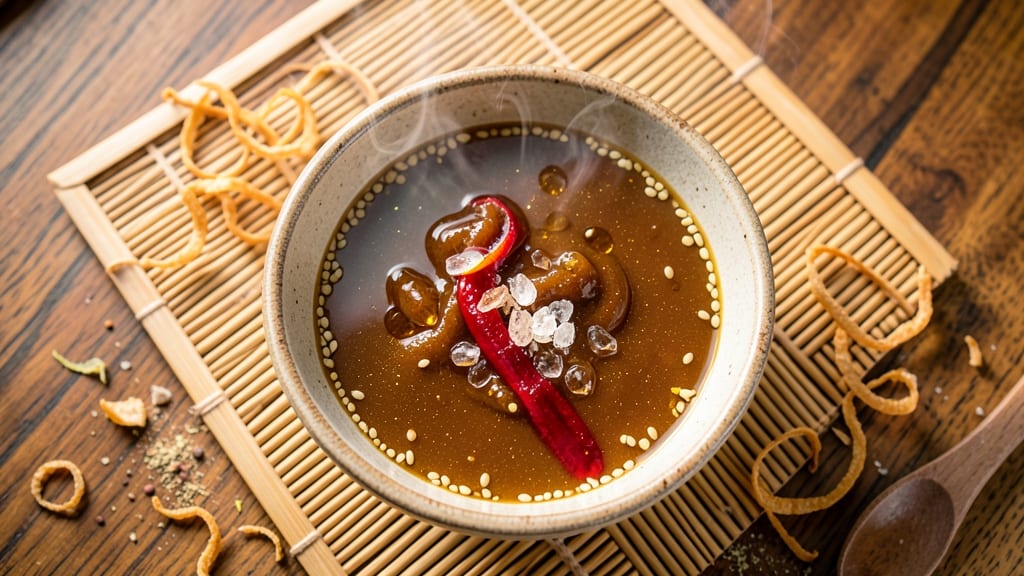
This Burmese salad dressing recipe transforms simple greens into a vibrant, tangy experience that transports you straight to Myanmar's bustling markets. 🌟 The secret lies in tamarind's signature sour punch combined with toasted sesame oil that adds nutty depth—an essential pairing for traditional hin salads or modern dishes alike.
My grandmother's handwritten notes revealed this balance of flavors, though she never measured anything precisely.
The dressing comes together in just 10 minutes with pantry staples: tamarind paste, fish sauce, lime juice, and a touch of sweetness from palm sugar. Toasting the sesame seeds until golden unlocks their rich aroma, while fresh garlic and shallots add aromatic complexity.
This isn't just a dressing—it's the flavor bridge between Burmese cuisine's bold and delicate elements.
What makes this recipe special is its versatility. Drizzle over fresh hin salads with shredded cabbage and peanuts, or use it to elevate grilled meats and seafood dishes.
The dressing keeps well in the refrigerator for up to 2 weeks, allowing you to build flavor over time as the tamarind and fish sauce meld together.
For those new to Burmese flavors, start with a small batch—this dressing packs serious umami and sour notes that can overwhelm if overused. Pair it with crisp vegetables, tender proteins, or even as a marinade for an authentic taste of Myanmar without the travel.
Ingredients for burmese salad dressing
Pantry staples that pack a punch—this dressing delivers Burmese market vibes in minutes.
| Ingredient | Amount | Notes |
|---|---|---|
| Tamarind Paste 🍈 | ½ cup | Unsweetened, block form preferred |
| Toasted Sesame Oil 🫒 | ¼ cup | Lightly toasted for aroma |
| Fish Sauce 🐟 | ¼ cup | Red Boat brand preferred |
| Palm Sugar 🍯 | ¼ cup | Finely ground or granulated |
| Fresh Lime Juice 🍋 | ¼ cup | Freshly squeezed, no pulp |
| Sesame Seeds 🥜 | 2 tbsp | Toasted until golden brown |
| Garlic Cloves 🧄 | 3 cloves | Minced finely for depth |
| Shallots 🧅 | 2 whole | Finely minced or grated |
| Water 💧 | ½ cup | For thinning consistency |
| Salt 🧂 | ½ tsp | Adjust to taste |
Tamarind is the heart of this dressing. Block form gives you the best texture—just dissolve it in warm water first. Asian markets usually carry the best quality, but the jarred stuff at Trader Joe's works in a pinch. Fish sauce? Red Boat is the gold standard, but any reputable brand with no additives will do. Palm sugar adds sweetness without overpowering—it's the perfect balance to tamarind's tartness. If you can't find it, coconut sugar works too, but it's a bit coarser. Toast those sesame seeds until they smell like a street market—don't skip this step—it makes all the difference.
No tamarind? Lemon juice plus a splash of vinegar gets you close, but you'll lose that signature Burmese tang. Short on sesame oil? Toasted sesame seeds blended with a little oil works, though it won't be as smooth. Shallots too strong? Substitute with 1 extra garlic clove. The dressing should be thick but pourable—add water 1 tbsp at a time until you hit that perfect consistency. And if you're feeling adventurous, a pinch of chili flakes adds heat that pairs beautifully with the sweet and sour.
This keeps like a dream—2 weeks in the fridge with the flavors actually improving over time. Store it in a glass jar with a tight seal, and give it a good shake before each use. The toasted sesame seeds might separate, but that's normal—just stir them back in. Freezing isn't recommended, as the texture can turn grainy. Make a double batch if you can—it disappears fast, especially when paired with those crisp hin salads or grilled shrimp. Trust me, you'll want leftovers.
Why You'll Love This Recipe
- Five-Ingredient Magic: I swear, this dressing comes together faster than I can say "sesame oil." Just stir tamarind, fish sauce, sugar, lime, and a drizzle of that golden sesame oil—no chopping, no straining, no stress. Honestly, I’ve made it while waiting for takeout to arrive.
- Umami Tang Explosion: That first bite? Sweet, salty, funky, bright—all at once. The tamarind’s deep sourness cuts through the richness of fish sauce, while the toasted sesame oil adds this nutty warmth that lingers. I’ll be real: it’s the kind of flavor that makes you pause mid-bite.
- Salad’s Best Friend: Drizzle it over shredded chicken, toss with greens, or pour it straight onto grilled fish—it works everywhere. My lazy summer lunches got a serious upgrade when I started keeping a jar in the fridge. Even my picky teen stopped complaining about salads.
- Lasts a Week: Make a big batch (I do) and store it in the fridge—it only gets better with time. The lime mellows, the flavors meld, and you’ve got a secret weapon for last-minute meals. Plus, fish sauce and sugar are cheap staples, so this dressing won’t break the bank.
Step-by-step instructions for Burmese salad dressing
This tangy, nutty dressing comes together in minutes—just mix and taste as you go.
🍳 Step 1: Bloom the Tamarind Paste
Start by combining the 0.5 cup tamarind paste with the 0.5 cup water in a small saucepan. Heat over medium-low heat for 3-4 minutes, stirring constantly until the mixture becomes smooth and syrupy. You'll know it's ready when it looks glossy and there are no more lumps.
This step is crucial—tamarind paste can be stubborn. If you're using block tamarind, make sure it's fully dissolved. If it's still thick, add 1-2 tablespoons more water to reach your desired consistency. Let it cool completely before moving to the next step.
👨🍳 Step 2: Toast the Aromatics
In a dry skillet over medium heat, toast the 2 whole shallots and 3 cloves garlic for 3-4 minutes until fragrant and just beginning to turn golden. Remove from heat immediately—they should smell amazing but not burn.
While they're still warm, transfer the shallots and garlic to a food processor or mortar and pestle. Pulse or grind until you get a fine, paste-like consistency. Set aside—their toasted flavor will deepen as they cool.
🍳 Step 3: Combine Wet Ingredients
In a mixing bowl, whisk together the cooled tamarind mixture, 0.25 cup toasted sesame oil, 0.25 cup fish sauce, and 0.25 cup palm sugar. Taste the mixture—it should be sweet, salty, and umami-rich. If it's too thick, add 1-2 tablespoons water to loosen it.
Now add the 0.25 cup fresh lime juice and 0.5 tsp salt. This is where the magic happens—the lime brightens everything up. Give it a good stir and taste again. You might want to adjust the balance—more sugar for sweetness, more fish sauce for saltiness, or more lime for tang.
🥘 Step 4: Finish with Toasted Sesame Seeds
In a dry skillet, toast the 2 tablespoons sesame seeds over low heat for 2-3 minutes until they turn golden brown and smell nutty. Let them cool for 1 minute, then transfer to a bowl and gently crush them with a rolling pin or mortar and pestle.
Fold the toasted sesame seeds into your dressing mixture. They'll add a beautiful crunch and nutty depth. Give everything one final taste—this is your chance to adjust seasoning. The dressing should be tangy, sweet, salty, and just a little funky from the fish sauce.
Pro Tips For Making Burmese Salad Dressing
- DILUTE THE TAMARIND FIRST: I learned this the hard way—dumping clumpy tamarind paste straight into the mix just creates a gloppy mess. Mix it with ¼ cup warm water first, then whisk until it’s smooth before adding anything else. That way, it blends evenly and doesn’t turn your dressing into a pastey disaster.
- USE LIME JUICE FROM CHILLED FRUIT: Fresh lime juice is non-negotiable, but skip the room-temp fruit—it yields bitter, diluted juice. Pop the limes in the fridge for 30 minutes first, then roll them on the counter before cutting. This guarantees bright, tangy juice that doesn’t mute the dressing’s balance.
- SALT THE FISH SAUCE: Plain fish sauce tastes flat in this dressing. Add a pinch of salt (about ¼ tsp) directly to the sauce before measuring it out—this cuts through the funk and makes the umami pop. I know it sounds weird, but trust me, it’s the thing that matters most.
- TOAST THE SESAME OIL LAST: Add toasted sesame oil at the very end, right before serving. If you mix it in early, the heat from the other ingredients will turn it bitter. Just swirl in a teaspoon when the dressing is ready to eat—your nose will thank you for that fresh, nutty aroma.
Creative variations of this recipe
Spicy Kick Boost
Want to add heat? Stir in 1 tsp chili flakes or ½ tsp sambal oelek for a fiery twist that still keeps the dressing's balance. I like to toast the chili flakes in a dry pan for 30 seconds to deepen their flavor before mixing.
For a smoky note, add ½ tsp smoked paprika—it pairs perfectly with the toasted sesame. 🌶️
Sweet & Fruity Fusion
Balance the tang with tropical sweetness by adding 2 tbsp mango puree or 1 tbsp pineapple juice. This works beautifully with grilled chicken or seafood dishes. For a creamy touch, blend in 1 tbsp coconut yogurt—it softens the sharp edges while keeping the dressing light.
My grandmother used to add a splash of rose water for floral notes, but that’s optional.
Herb-Infused Variations
Fresh herbs brighten up this dressing. Try blending in 2 tbsp chopped cilantro or 1 tbsp Thai basil for a fragrant lift. For a more robust flavor, add 1 tsp lemongrass paste (or the juice of 2 stalks if fresh).
These additions work especially well with summer salads or as a marinade for shrimp skewers.
Nutty Depth Upgrade
For extra richness, swap the toasted sesame seeds for peanut powder (blend 2 tbsp roasted peanuts into a fine powder). This adds a creamy, nutty depth that’s classic in Burmese cuisine.
Alternatively, toast 1 tbsp cashews and blend them into the dressing for a different texture. Both options work wonders with hearty dishes like grilled meats.
Vegetarian Adaptation
Skip the fish sauce and replace it with ¼ cup soy sauce or vegan fish sauce (like Red Boat Vegan) for a vegetarian-friendly version. To keep the umami, add 1 tsp miso paste or a splash of coconut aminos.
The dressing still delivers that signature tangy, nutty profile without compromising flavor. 🌱
Nutrition facts
Frequently asked questions
Can I make this dressing without tamarind?
Yes, but you'll lose that signature Burmese tang. Use ¼ cup lemon juice plus 1 tbsp rice vinegar instead—it won't be identical, but still delicious. For extra depth, add ½ tsp citric acid (found in baking sections) to mimic tamarind's complexity.
How do I adjust the dressing for heat sensitivity?
Start with half the fish sauce (2 tbsp) and taste first. If needed, add ½ tsp chili flakes (toasted for 30 seconds) for heat. For milder versions, reduce fish sauce to 2 tbsp and increase lime juice to 3 tbsp to balance flavors.
What's the best way to store leftovers?
Transfer to a glass jar with a tight lid and refrigerate. The dressing keeps for 2 weeks, with flavors actually improving over time. Give it a good shake before using—the toasted sesame seeds may separate but blend right back in.
Can I use this dressing as a marinade?
It works beautifully for 2-4 hours on shrimp, chicken, or tofu. For extra tenderness, add 1 tbsp coconut milk to the marinade. Just don't over-marinate—Burmese flavors are bold and should complement, not overpower, your protein.
Why does my dressing taste too sweet?
Tamarind and fish sauce need time to balance. Add 1 tbsp lime juice and ½ tsp salt, then let sit 10 minutes before tasting again. For future batches, reduce palm sugar to 2 tbsp and increase fish sauce to 3 tbsp for better harmony.