
Sauces & Condiments
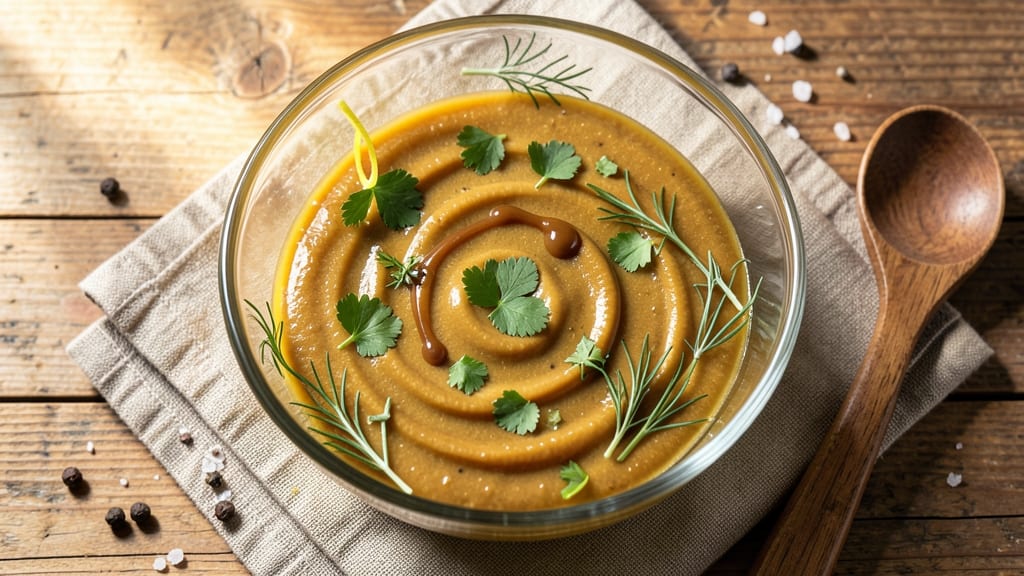
This butter lettuce salad dressing recipe transforms delicate greens into a vibrant, flavorful dish without overpowering their tender texture. 💛 The secret lies in a light herb vinaigrette with a perfect 3:1 oil-to-vinegar ratio, ensuring a silky, clump-free consistency that clings beautifully to leaves.
I developed this after years of frustrating dressings that either pooled at the bottom or drowned the lettuce in oil—this one strikes the ideal balance.
What sets this dressing apart is its herb-forward profile that enhances rather than masks butter lettuce's natural sweetness. Fresh dill, parsley, and a touch of tarragon add bright, aromatic notes, while Dijon mustard acts as a natural emulsifier to prevent separation.
The recipe uses simple pantry staples—extra-virgin olive oil, apple cider vinegar, and a pinch of honey—but combines them in a way that feels restaurant-quality at home.
By the time you drizzle this dressing over your salad, you'll notice how it coats each leaf evenly, enhancing rather than overwhelming the delicate greens. The tangy-sweet balance cuts through the lettuce's mild flavor while the herbs add freshness that keeps every bite interesting.
This dressing also works beautifully with grilled chicken, avocado slices, or toasted nuts for added texture.
Store any leftovers in an airtight container in the refrigerator for up to 5 days, shaking gently before each use. The recipe makes enough for 4 generous salads, so you can enjoy this light, herbaceous dressing throughout the week without compromise.
Let's make dressing that actually enhances your salad.
Ingredients for butter lettuce salad dressing
Nine simple ingredients create this delicate, herb-forward vinaigrette perfect for butter lettuce.
| Ingredient | Amount | Notes |
|---|---|---|
| Extra-Virgin Olive Oil 🫒 | ¾ cup | High-quality, fruity variety preferred |
| Apple Cider Vinegar 🍎 | ¼ cup | Raw, unfiltered for depth of flavor |
| Fresh Dill 🌿 | ¼ cup | Finely chopped, stems removed |
| Fresh Flat-Leaf Parsley 🌿 | ¼ cup | Finely chopped, stems removed |
| Fresh Tarragon 🌿 | 1 tbsp | Finely chopped, for delicate anise note |
| Dijon Mustard 🍯 | 1 tbsp | For emulsification and tang |
| Raw Honey 🍯 | 1 tbsp | Local preferred for floral notes |
| Sea Salt 🧂 | ½ tsp | Fine grain for even dissolution |
| Freshly Ground Black Pepper 🌶️ | ¼ tsp | Cracked peppercorns preferred |
The herbs are the stars here—farmers market dill and parsley pack the most flavor, but grocery store bunches work too if you snip the stems and chop finely. Tarragon can be tricky to find fresh, so dried tarragon at half the amount works in a pinch. For the olive oil, California avocado oil is my go-to for high heat smoking point, but any extra-virgin with a fruity aroma will do. The apple cider vinegar should smell tangy and fresh—avoid anything with a harsh, synthetic odor. I always buy a large bottle of organic vinegar from Whole Foods because it lasts months and keeps the dressing vibrant.
No fresh dill? Dried dill at one-quarter the amount works, but you'll lose some brightness. Short on tarragon? Basil or thyme can mimic that herbal depth. The Dijon mustard is non-negotiable for emulsification—Maille or Whole Foods brand are my top picks. For the honey, local raw honey adds subtle floral notes, but any liquid honey will work. The salt should dissolve completely, so fine sea salt is ideal. Pepper? Freshly cracked is best, but pre-ground works if you pulse it quickly in a spice grinder for texture. This dressing stays silky when made fresh, but shake vigorously before each use to re-emulsify naturally.
Store any leftovers in a clean glass jar with a tight seal—keeps for 5 days in the fridge. The dressing thickens slightly when chilled, so give it a good shake before drizzling. For extra freshness, I like to make a small batch weekly since the herbs stay brightest when used within 3-4 days. This recipe makes about 1 cup, perfect for 4 generous salads or as a light drizzle over grilled vegetables. The vinaigrette also doubles as a fantastic marinade for chicken or fish—just add a splash of water to thin it out.
Why You'll Love This Recipe
- Five-Ingredient Magic: I swear by this combo—just oil, vinegar, and those three herbs. No measuring cups, no fancy tools, just a quick shake in a jar. The dill and parsley brighten instantly, while the tarragon adds that subtle, sophisticated kick without extra effort.
- Herb-Packed Brightness: That tangy apple cider vinegar cuts through the richness of butter lettuce like a dream, but the real star? The herbs. Fresh dill gives it a zesty lift, parsley keeps it clean, and tarragon—oh, tarragon—adds this unexpected depth that makes it taste like a fancy bistro salad, not just lunch.
- Weeknight Wonder: Between us, I’ve used this dressing on everything from grilled chicken to roasted veggies, and it never lets me down. It’s my go-to for meal prep because it stays fresh in the fridge for days, and I can toss it with whatever’s left in the crisper drawer without overthinking it.
- Budget-Friendly Luxury: Honestly, this costs next to nothing to make, but it feels like a splurge. Extra-virgin olive oil and vinegar stretch forever, and those herbs? A single bunch lasts me weeks if I’m smart about it. It’s the kind of dressing that makes a simple salad feel special without breaking the bank.
Step-by-step instructions for light herb vinaigrette
This dressing comes together in minutes—no blender, no clumps, just bright flavor.
👨🍳 Step 1: Whisk Vinegar and Mustard Together
In a medium bowl, combine the 0.25 cup apple cider vinegar and 1 tablespoon Dijon mustard. Use a fork or small whisk to stir vigorously for 30 seconds until completely smooth. This initial mixture is crucial—it helps emulsify the oil later and prevents separation.
Here's the thing—Dijon mustard acts as an emulsifier, binding the oil and vinegar. If you skip this step or don't whisk thoroughly, you'll end up with a dressing that splits into oily layers. The vinegar should look perfectly clear with no visible streaks of mustard.
🍳 Step 2: Add Honey and Salt for Balance
To the vinegar-mustard mixture, add the 1 tablespoon raw honey and 0.5 teaspoon sea salt. Whisk again for 20 seconds until the honey dissolves completely. You're building flavor here—the honey adds subtle sweetness that rounds out the tangy vinegar, while the salt enhances all the herbs.
I like to taste at this stage to check the balance. It should be pleasantly acidic with a touch of sweetness, but not cloying. If it tastes too sharp, add a tiny pinch more honey; if it's too mild, a pinch more salt. This is your flavor baseline before adding the herbs.
👨🍳 Step 3: Fold in Fresh Herbs
Next, add the 0.25 cup finely chopped fresh dill, 0.25 cup finely chopped fresh flat-leaf parsley, and 1 tablespoon finely chopped fresh tarragon. Use a small spatula or fork to gently fold everything together, being careful not to crush the herbs. You want their bright flavors to stay vibrant, not turn to mush.
The herbs should be evenly distributed but still visible—this dressing isn't meant to be a smooth blend, but rather a bright, herby vinaigrette with visible flecks of green. If you notice any large herb stems, use your fingers to pinch them out before adding. This step is where the dressing gets its signature fresh, garden-fresh character.
🥘 Step 4: Slowly Incorporate the Olive Oil
With the motor running on low speed in your immersion blender (or whisking steadily by hand), very slowly drizzle in the 0.75 cup extra-virgin olive oil. This is the critical moment—adding oil too quickly will cause the dressing to break. Go at a snail's pace, adding just a few drops at a time while continuing to blend.
You'll know you're doing it right when the mixture starts to thicken slightly and take on a creamy, emulsified texture. If you're whisking by hand, it might take 3-5 minutes of steady work. The dressing should coat the back of a spoon without feeling greasy—it's ready when it looks like thick, glossy mayonnaise with visible herb specks.
🔪 Step 5: Finish with Pepper and Final Whisk
Remove the dressing from the blender (or stop whisking) and stir in the 0.25 teaspoon freshly ground black pepper. Give it one final whisk to ensure everything is perfectly combined. Taste again and adjust seasoning if needed—perhaps a tiny pinch more salt or a splash more vinegar for acidity.
Here's the magic of this dressing: it should cling beautifully to butter lettuce without weighing it down. The herbs stay bright, the oil doesn't separate, and each bite delivers that perfect balance of tangy, herby, slightly sweet flavor. Transfer to a clean jar and let it sit for 10 minutes before using—this gives the flavors time to meld even more.
Pro Tips For Making Butter Lettuce Salad Dressing
- STACK THE HERBS: Fresh herbs like tarragon and dill bruise fast—chop them last, right before mixing into the dressing. I used to prep everything together, and by the time I poured the vinegar, the greens had already turned sad and limp. Tuck them in just before serving, or at least right after combining oil and vinegar.
- SALT THE OIL FIRST: Add a pinch of flaky sea salt directly to the olive oil before whisking in the vinegar. This rounds out the sharpness of the apple cider vinegar and makes the dressing taste more cohesive. I learned this the hard way—skipping it left the dressing tasting like a vinegar punch.
- USE COLD VINEGAR: Refrigerate the apple cider vinegar for at least 30 minutes before using—cold vinegar emulsifies better with the oil. Warm vinegar makes the dressing split faster, and you’ll end up with a greasy mess instead of a silky one. (Yes, even if you’re impatient like me.)
- WHISK VIGOROUSLY: Pour the vinegar into the oil, not the other way around, and give it a good 30-second whirl with a fork or whisk. The oil is heavier, so adding vinegar to it creates a smoother emulsion right away. I was skeptical until I tried it—now I never go back to lazy pouring.
Flavor customization for this recipe
Citrus Twist Variation
Brighten the dressing with 1 tablespoon freshly squeezed lemon juice and 1 teaspoon finely grated lemon zest—add these with the honey and salt in Step 2.
The citrus cuts through the richness while adding a refreshing zing. I love this version when pairing with grilled shrimp or avocado slices. 🍋
Garlic-Infused Depth
For a more robust flavor, infuse the olive oil by heating 2 minced garlic cloves in 0.75 cup olive oil over low heat for 3 minutes (don’t let it brown).
Let cool, then strain before using in Step 4. This adds a subtle garlic aroma that pairs beautifully with roasted chicken or hearty vegetables.
Spicy Kick Option
Add ½ teaspoon red pepper flakes or 1 teaspoon hot honey (like Madhava brand) when folding in the herbs. For a smoky twist, swap the red pepper flakes for ½ teaspoon smoked paprika. This works especially well with spicy proteins like grilled jalapeño chicken or blackened fish.
Creamy Yogurt Version
Replace the Dijon mustard with 2 tablespoons plain Greek yogurt and reduce the olive oil to 0.5 cup for a lighter, creamy texture. This version clings even better to delicate greens and adds a silky mouthfeel.
I recommend using Fage 5% fat yogurt for the best balance of creaminess and tang.
Nutty Crunch Add-On
Toss 1 tablespoon toasted walnuts or pecans into your salad after dressing. The nuts add crunch while their earthy flavor complements the herbs. For extra flair, drizzle with 1 teaspoon balsamic glaze right before serving. This works wonderfully with butternut squash or roasted sweet potatoes.
Sweet & Tangy Adaptation
Swap the apple cider vinegar for 1 tablespoon rice vinegar and add 1 teaspoon maple syrup instead of honey. This lighter version pairs perfectly with Asian-inspired salads featuring edamame, shredded carrots, or cucumber. The subtle sweetness balances the herbs beautifully. 🌱
Nutrition facts
Frequently asked questions
Can I make this dressing without Dijon mustard?
Yes, but you'll need to adjust the technique. Use 1 tablespoon plain Greek yogurt instead and reduce the olive oil to 0.5 cup for a lighter texture. Whisk the yogurt with vinegar first to create a base, then proceed with the recipe. The yogurt helps emulsify without making the dressing too heavy for delicate butter lettuce.
How do I prevent the dressing from separating?
Separation happens when oil and vinegar aren't properly emulsified. Always whisk the vinegar and mustard together first, then add oil very slowly while continuously whisking. For extra insurance, add 1 teaspoon honey or corn syrup—the sugar helps stabilize the emulsion. Store in a clean, dry jar and shake gently before each use.
What's the best way to store leftovers?
Transfer to an airtight glass jar and refrigerate for up to 5 days. The dressing will thicken slightly when chilled—shake vigorously before using. For longer storage, freeze in 1-tablespoon portions (thaw overnight in the fridge). Never store in plastic containers, as they can absorb flavors and cause separation.
Can I use dried herbs instead of fresh?
You can substitute, but fresh herbs give the best flavor. Use 1 tablespoon dried dill (instead of 0.25 cup fresh) and 1 teaspoon dried parsley. For tarragon, dried works too, but reduce to 0.5 teaspoon. Toast dried herbs in a dry pan for 30 seconds before adding to enhance their aroma—just don't let them burn!
Why does my dressing taste too strong?
This usually means the vinegar or herbs overpower the delicate butter lettuce. Balance it by adding 1 extra tablespoon olive oil (to mellow the acidity) or 0.5 teaspoon more honey. For herbal intensity, reduce the dill or parsley by 1 tablespoon. Taste as you go—remember, you can always add more dressing later, but you can't take it out!