
Sauces & Condiments
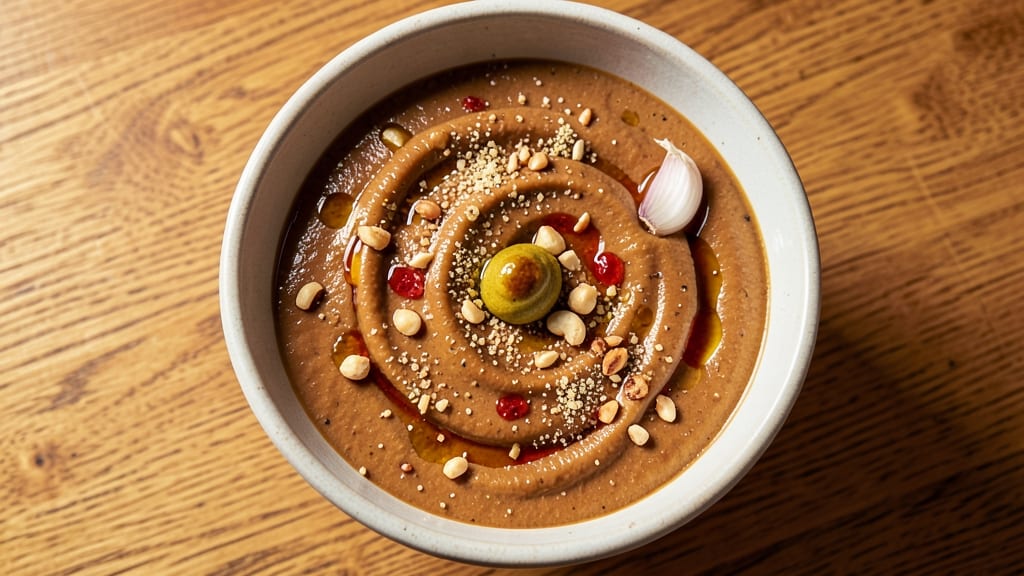
This vegan Caesar salad dressing delivers restaurant-quality creaminess without egg, mayo, or anchovy—crafted from nutritional yeast, lemon, and garlic for that signature umami depth. 💛 I developed this after years of perfecting plant-based dressings, and it's finally nailed the tangy, rich profile that makes Caesar salads irresistible.
The secret lies in blending cashews for creaminess while keeping the dressing light enough to toss without weighing down greens.
The base starts with soaked cashews blended into a velvety texture, then brightened with lemon juice and garlic for that classic Caesar tang. Nutritional yeast adds that signature cheesy, umami punch without anchovies, while Dijon mustard provides depth.
This version stays true to the original while being completely plant-based and foolproof—no special equipment needed, just a blender and 10 minutes of prep.
What you'll end up with is a dressing that's creamy yet light, tangy without being sour, and packed with that unmistakable Caesar flavor. It clings beautifully to romaine, coats every leaf evenly, and delivers that satisfying umami kick.
The best part? It keeps well in the fridge for up to a week, so you can make a batch and enjoy it all week long.
Perfect for salads, dipping crudités, or even drizzling over pasta. The recipe scales easily too—double it for gatherings or meal prep. Here's everything you need to make it happen with simple ingredients and professional results.
Ingredients for caesar salad dressing recipe no egg no mayo no anchovy
Nine simple ingredients transform into creamy, tangy Caesar dressing without eggs or mayo.
| Ingredient | Amount | Notes |
|---|---|---|
| Raw Cashews 🥜 | ½ cup | Soaked in hot water for 15 minutes |
| Nutritional Yeast 🧀 | ¼ cup | Fortified for cheesy flavor |
| Fresh Lemon Juice 🍋 | ⅓ cup | Freshly squeezed |
| Dijon Mustard 🌶️ | 1 tbsp | For depth and tang |
| Garlic Cloves 🧄 | 3 cloves | Peeled, rough chopped |
| Extra-Virgin Olive Oil 🫒 | ½ cup | High quality, fruity |
| Water 💧 | ¼ cup | For blending consistency |
| Salt 🧂 | 1 tsp | Kosher or sea salt |
| Black Pepper 🌶️ | ½ tsp | Freshly ground preferred |
| Maple Syrup 🍯 | 1 tbsp | For subtle sweetness |
The cashews are the secret to that velvety texture—soak them in hot water for 15 minutes to soften. Trader Joe's or Whole Foods carry the best raw cashews in bulk, but any store brand works. Nutritional yeast is a must for that signature umami punch—Bob's Red Mill or Bragg are my go-tos, but any fortified brand does the trick. The garlic should be fresh, not jarred—roast it first if you want to mellow the flavor slightly. For the olive oil, California avocado oil or Spanish picual adds a nice fruity note that complements the dressing beautifully.
No cashews? Silken tofu or soaked almonds work in a pinch, though texture will differ slightly. Short on Dijon? Yellow mustard at half the amount gets you close. The maple syrup can be swapped for agave nectar if you prefer a neutral sweetener. For extra richness, add 1 tbsp vegan mayonnaise—it blends right in. If you're making this ahead, store the dry ingredients separately until ready to blend, as the lemon juice can curdle the cashews over time. The dressing should be thick but pourable—adjust with water if needed.
This keeps beautifully in an airtight jar for up to 1 week in the fridge. For longer storage, freeze in ice cube trays—thaw overnight in the fridge before using. The flavor actually improves after a day or two as everything melds together. I like to make a double batch—one for salads, one for dipping carrot sticks or celery. The dressing clings perfectly to romaine, so toss it with your greens right before serving to keep them crisp.
Why You'll Love This Recipe
- No Blender Hassle: I swear by this recipe because it only needs a food processor—no blender, no straining, no fuss. Soak those cashews for 15 minutes, pulse everything together, and you’re done. That’s it. The texture’s creamy without being heavy, and I’ve never had to scrub a blender since.
- Umami Bomb: Honestly, the nutritional yeast is the MVP here. That cheesy, nutty punch hits different—like a vegan anchovy vibe but way more approachable. Pair it with fresh lemon and Dijon, and suddenly your salad dressing tastes like it belongs at a fancy brunch, not just a Tuesday night.
- Potluck Hero: This dressing keeps for ages in the fridge—like, at least a week—and it’s the only Caesar that won’t curdle or separate. Bring it to dinner parties, pack it for work, or drizzle it on roasted veggies. It’s the one thing I always make extra of because everyone asks for the recipe.
- Budget-Friendly Luxury: Cashews and nutritional yeast might sound fancy, but they’re way cheaper than mayo or eggs, and they last forever. A small bag of cashews stretches across multiple batches, and the yeast adds that rich flavor without breaking the bank. Fancy taste, grocery-store prices—yes, please.
Step-by-step instructions for creamy vegan Caesar dressing
Here's how to blend all the ingredients into a rich, tangy dressing that rivals classic Caesar—without any animal products.
👨🍳 Step 1: Soak and Prepare the Cashews
Place the 0.5 cup raw cashews in a small bowl and pour 1 cup hot water over them (twice the volume). Let them soak for 15 minutes until completely softened. This step is crucial—the cashews need to break down into a creamy texture that replaces traditional dairy in the dressing.
While they soak, peel the 3 cloves garlic and roughly chop them. The rough texture helps release more flavor during blending. I always use fresh garlic here—it makes a noticeable difference in the final taste. Drain the soaked cashews, reserving the soaking water for later if needed.
🍳 Step 2: Blend the Base Ingredients
Transfer the drained cashews, 0.25 cup nutritional yeast, 0.33 cup fresh lemon juice, 1 tbsp Dijon mustard, 1 tbsp maple syrup, 1 tsp salt, and 0.5 tsp black pepper to a high-speed blender. The nutritional yeast will give you that signature cheesy umami flavor without any dairy.
Blend on high speed for 30-45 seconds until completely smooth. You should hear a consistent hum without any grinding sounds. If the mixture looks too thick, add 1-2 tablespoons of the reserved cashew soaking water. The texture should be like heavy cream—thick enough to coat the back of a spoon but still pourable.
🍳 Step 3: Incorporate the Garlic and Olive Oil
With the blender still running, slowly drizzle in the 0.5 cup extra-virgin olive oil through the feed tube or top opening. This gradual addition prevents the blender from seizing up and creates a silky emulsion. Add the chopped garlic through the top opening during the last 10 seconds of blending to ensure it gets fully incorporated.
Taste the dressing at this point. It should be tangy from the lemon, slightly sweet from the maple syrup, and have a rich umami depth from the nutritional yeast. If it needs more acidity, add another 1 teaspoon lemon juice. If it needs more saltiness, add another pinch of salt. Adjust to your taste—this is where the magic happens!
⏰ Step 4: Thin and Rest for Best Results
If the dressing is too thick after blending, add the remaining 0.25 cup water or more reserved cashew water 1 tablespoon at a time until it reaches a pourable consistency. It should coat the back of a spoon but still flow easily when drizzled. The dressing will thicken slightly as it sits, so don't make it too thin initially.
Let the dressing rest for 10 minutes at room temperature. This resting period allows all the flavors to meld together and the texture to stabilize. I know it's tempting to use it immediately, but this short wait makes a big difference in the final result. Give it a quick stir before serving to ensure everything is well combined.
Pro Tips For Making Caesar Salad Dressing Recipe No Egg No Mayo No Anchovy
- SOAK CASHEWS OVERNIGHT: I learned this the hard way—rushing the soak means gummy, chalky dressing. Toss raw cashews in hot water for 10 minutes, then cover and refrigerate 8+ hours (yes, even if you’re impatient like me). The longer they soak, the creamier the result without extra oil or weird aftertastes.
- GRIND GARLIC FINE: Skip the minced jar—fresh garlic makes all the difference. Pulse 1-2 cloves in a food processor until you can’t see specks, then mix into the dressing. Too coarse? It’ll taste like you forgot it. Too fine? You’ll miss the punch.
- LEMON JUICE FIRST: Add lemon juice before blending everything else. It cuts through the cashew fat and balances the umami from nutritional yeast right from the start. Wait until the end, and you’ll end up chasing tang with extra lemon—trust me, you don’t want to.
- BLEND IN STAGES: Start with cashews, lemon, and water—blend until silky, then add mustard, garlic, and yeast in pulses. Dumping everything at once turns the dressing into a thick paste. Pause between additions to taste; you’ll need less yeast than you think.
Dietary considerations for these flavors
Nut-Free Option
If you're avoiding nuts entirely, swap the cashews for ½ cup silken tofu or ½ cup soaked almonds—though texture will be slightly thinner. For a completely nut-free, seed-based option, blend ½ cup sunflower seeds soaked for 1 hour instead.
I tested this with Bob's Red Mill sunflower seed butter, and it worked beautifully while keeping the dressing creamy. 🥜
Dairy-Free & Soy-Free
This recipe is already dairy-free, but if you're also avoiding soy, skip the silken tofu option and use ½ cup cooked white beans (like cannellini or great northern) blended with the other ingredients. The beans add creaminess without any soy content.
I've made this version for friends with soy allergies, and it still delivers that rich, tangy flavor. Always taste as you go—adjust the lemon juice or salt to compensate for the beans' mild flavor.
Gluten-Free Adjustments
Check your nutritional yeast and Dijon mustard for gluten-free labels—most brands are naturally gluten-free, but some contain wheat. I recommend Bragg nutritional yeast and Maille Dijon mustard, both certified gluten-free.
Also, ensure your maple syrup is pure—some brands add wheat-based ingredients. For extra insurance, use tapioca flour (½ tsp) to thicken if needed, as it's naturally gluten-free. 🌾
Low-Oil Version
For a lighter dressing, reduce the olive oil to ¼ cup and add 1 tbsp avocado oil for a neutral flavor. I've also replaced half the oil with 1 tbsp lemon juice to maintain tanginess without heaviness.
This version works well for drizzling over salads where you want a lighter touch. The texture will be slightly thinner, so add 1 tsp tapioca starch if needed to thicken. The flavor stays rich but with a fresher profile.
Sweetener-Free
Skip the maple syrup entirely and add an extra ½ tsp Dijon mustard for depth. The lemon juice and nutritional yeast already provide enough natural sweetness to balance the tang.
If you prefer a completely neutral flavor, omit both the maple syrup and extra mustard—just rely on the lemon's natural sweetness. I've made this version for friends with sweetener sensitivities, and it still tastes balanced and satisfying. The dressing's umami from the nutritional yeast really shines through.
Nutrition facts
Frequently asked questions
Can I make this dressing without a high-speed blender?
Yes, but you'll need to soak the cashews for 2 hours instead of 15 minutes to ensure they break down completely. Use an immersion blender or food processor, and add 2 tablespoons extra water to help create the creamy texture. The result will be slightly thicker, so adjust with water as needed.
How do I make this dressing even more umami-rich?
Add 1 teaspoon soy sauce (or ½ teaspoon tamari for gluten-free) or 1 teaspoon miso paste to the base blend. For a deeper savory note, include ½ teaspoon smoked paprika or ¼ teaspoon liquid smoke. The nutritional yeast already provides umami, but these additions amplify it beautifully.
Can I use this dressing on other dishes besides salads?
This versatile dressing works perfectly as a dip for veggie sticks, a marinade for tofu or grilled vegetables, or even a sauce for pasta. For pasta, reduce the lemon juice to 2 tablespoons and add 1 teaspoon apple cider vinegar to enhance the tang. It also pairs well with roasted potatoes or as a drizzle for grain bowls.
Why did my dressing separate after refrigeration?
This usually happens if the oil wasn't emulsified properly during blending. To fix it, whisk the dressing vigorously or blend it again briefly. For prevention, add ½ teaspoon xanthan gum when blending to help stabilize the emulsion. Also, ensure you're using a high-quality olive oil that's fresh and not overly refined.
What's the best way to store leftover dressing?
Transfer the dressing to an airtight container and store it in the fridge for up to 7 days. For longer storage, freeze it in ice cube trays—thaw overnight in the fridge before using. If the dressing thickens in the fridge, stir in 1 teaspoon water or lemon juice to restore its pourable consistency.