
Sauces & Condiments
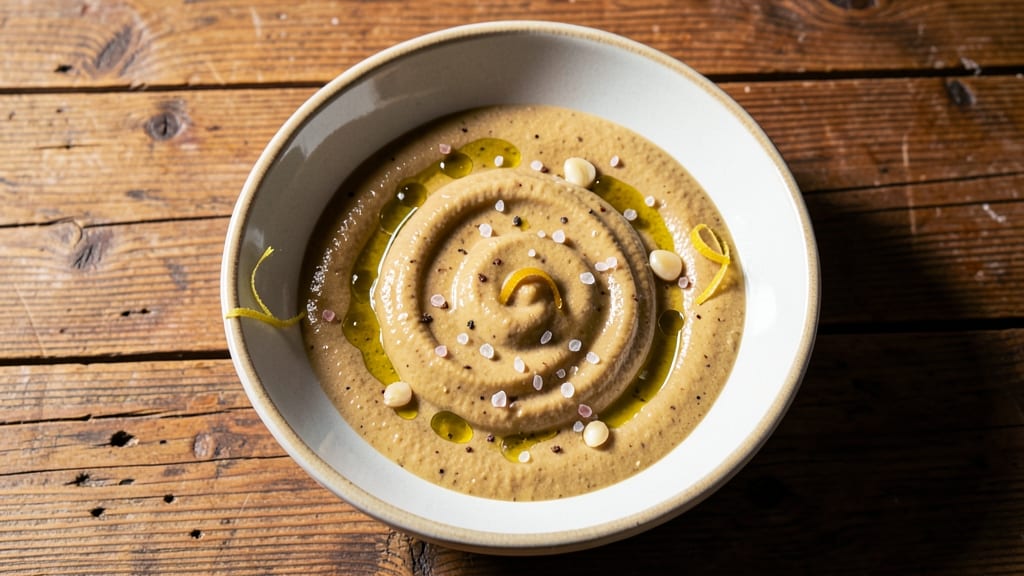
This Caesar salad dressing recipe without Worcestershire sauce delivers the same bold, umami-packed flavor using a simple garlic-anchovy base. The secret lies in properly dissolving anchovies and garlic in olive oil to create a rich foundation, then balancing it with tangy lemon and Dijon mustard.
I developed this version after realizing Worcestershire isn't always available or preferred, yet still wanted that authentic Caesar depth.
The result is a dressing with perfect texture—creamy yet pourable—and complex flavor that clings beautifully to romaine leaves. You'll need just 6 ingredients: high-quality olive oil, lemon juice, anchovy fillets, garlic, Dijon mustard, and a pinch of seasonings.
The anchovies provide that signature savory punch while keeping the dressing vegetarian-friendly if you omit them.
This dressing stays fresh in the refrigerator for up to 5 days, with flavors actually improving as they meld. It's ideal for classic Caesar salads but also works beautifully on chicken, steak, or even as a dip.
The key technique is proper emulsification—whisking vigorously to combine all elements into a smooth, cohesive sauce.
For best results, let the dressing sit for 10 minutes before serving to allow flavors to fully develop. The garlic-anchovy base creates that signature Caesar depth without any aftertaste, making this version just as satisfying as traditional recipes.
Store in an airtight container with a thin layer of oil on top to preserve freshness.
Ingredients for caesar salad dressing recipe without worcestershire sauce
Six essential ingredients transform into a restaurant-quality Caesar dressing without Worcestershire sauce.
| Ingredient | Amount | Notes |
|---|---|---|
| Extra-Virgin Olive Oil 🫒 | ½ cup | High-quality, fruity, cold-pressed preferred |
| Fresh Lemon Juice 🍋 | ¼ cup | Freshly squeezed, no pulp |
| Anchovy Fillets 🐟 | 2 tbsp | High-quality, finely chopped |
| Garlic Cloves 🧄 | 2 cloves | Fresh, minced to a paste |
| Dijon Mustard 🥬 | 1 tbsp | High-quality, smooth texture |
| Diamond Crystal Kosher Salt 🧂 | ½ tsp | Fine grain preferred |
| Freshly Ground Black Pepper 🌶️ | ¼ tsp | Freshly cracked for optimal flavor |
| Granulated Garlic Powder 🧄 | ¼ tsp | For additional depth |
The olive oil is the foundation—look for extra-virgin with a fruity, peppery finish like California Olive Ranch or Colavita. Anchovies are non-negotiable for authentic umami; Marin brand fillets dissolve best when finely chopped. Fresh garlic should be vibrant and firm—no green sprouts. For Dijon mustard, Maille or Amoy deliver the smoothest texture. Store all ingredients properly: olive oil in a cool, dark place, garlic in the fridge once peeled, and anchovies in the freezer to preserve freshness.
No anchovies? Substitute with 1 tbsp finely chopped sun-dried tomatoes for a vegetarian version, though flavor will differ. Fresh lemon juice can be swapped for white wine vinegar at half the amount, though tartness will be sharper. For a milder garlic flavor, reduce to 1 clove and add 1/4 tsp more garlic powder. The kosher salt should be Diamond Crystal—it dissolves perfectly without graininess. If you lack Dijon mustard, yellow mustard thinned with water works in a pinch, though texture will be less refined.
This dressing peaks after 10 minutes of resting—whisk again before serving. Store in an airtight glass jar with a thin layer of olive oil on top to preserve freshness for up to 5 days. For longer storage, freeze in ice cube trays with 1 tsp per cube—thaw overnight in the fridge before use. The emulsification process is delicate; if it separates, whisk vigorously or add 1 tsp warm water to rebind.
Why You'll Love This Recipe
- Five-Ingredient Magic: I swear by this formula—just olive oil, lemon, anchovies, garlic, and mustard. That’s it. No overcomplicated steps, no hunting for obscure ingredients. The anchovies dissolve into umami gold while you chop garlic, and the lemon cuts through the richness like a breath of fresh air.
- Umami Without the Fuss: Between us, anchovies pack more punch than Worcestershire ever did. You’ll taste that deep, savory note in every drizzle, but it’s not overpowering—just a quiet, satisfying backbone. Honestly, I’ve tried store-bought Caesar dressings, and this knocks them out with real flavor, not just artificial tang.
- Weeknight & Weekend Hero: This dressing works for everything: a quick Caesar wedge at 6 PM, a fancy charcuterie board at 8 PM, or even a drizzle over grilled chicken for lunch. I’ve even used it in pasta—yes, really—and it’s still my go-to for when I need something effortless but impressive.
- Budget-Friendly Pantry Staples: Anchovy fillets and Dijon mustard last ages, and a bottle of olive oil stretches for months. This isn’t one of those recipes where you’re left with half a jar of specialty sauce gathering dust. Every ingredient earns its keep, and the flavor doesn’t skimp on quality. (Yes, even on a Tuesday night.)
Step-by-step instructions for umami-rich garlic anchovy Caesar dressing
This method delivers a deeply flavorful Caesar dressing without Worcestershire—just pure umami from anchovies and garlic.
Create the Garlic-Anchovy Paste
Place the 2 cloves garlic between two sheets of plastic wrap and use a rolling pin to crush them into a smooth paste. This technique maximizes surface area for better flavor extraction. Transfer the garlic paste to a small mixing bowl and add the 2 tbsp anchovy fillets, breaking them into tiny pieces with your fingers. Let this mixture sit for 5 minutes—this allows the anchovies to soften and release their salty, briny essence.
Here's the thing—don't skip the crushing. Whole anchovies won't dissolve properly, leaving you with a dressing that lacks that signature Caesar depth. The paste should be completely smooth with no visible chunks. If you're concerned about texture, trust me: the flavor payoff is worth the effort.
Whisk in Acid and Mustard
Add the 0.25 cup fresh lemon juice and 1 tbsp Dijon mustard to the garlic-anchovy mixture. Using a whisk, combine these ingredients until fully incorporated and smooth. The lemon juice should cut through the richness of the anchovies, creating balance. I like to whisk vigorously for about 1 minute to emulsify everything slightly—this prevents separation later.
This is where the dressing starts coming together. The Dijon mustard acts as both a binder and flavor enhancer, giving the dressing its characteristic tang. If you notice any oil separation at this stage, don't worry—we'll fix that in the next step. The mixture should be thick but pourable at this point.
Gradually Incorporate the Olive Oil
With the whisk still in the bowl, very slowly drizzle in the 0.5 cup extra-virgin olive oil while whisking continuously. This gradual addition is critical—it allows the oil to emulsify properly rather than creating a greasy separation. Whisk for another 2-3 minutes until the dressing is completely smooth and homogeneous. The texture should be like a thick, creamy vinaigrette.
This emulsification process takes patience. If you add the oil too quickly, you'll end up with a dressing that looks like oil and vinegar soup. Keep whisking until you see the mixture hold its shape when you lift the whisk. It should coat the back of a spoon and not slide off immediately.
Season with Precision
Add the 0.5 tsp Diamond Crystal kosher salt, 0.25 tsp freshly ground black pepper, and 0.25 tsp granulated garlic powder to the dressing. Whisk for another 30 seconds to fully distribute these seasonings. Taste the dressing at this point—it should be intensely garlicky, briny, and slightly acidic with a hint of mustard bite.
Here's where it gets interesting: Caesar dressings are all about balance. If it tastes too salty, add a splash more lemon juice. If it needs more umami, add another anchovy (finely minced). The dressing should be bold but not overpowering. Remember, you can always adjust the seasoning when tossing with salad, but it's better to get it right at this stage.
Rest and Adjust Consistency
Transfer the dressing to a clean jar and let it rest at room temperature for 10-15 minutes. This resting period allows all the flavors to meld together. After resting, check the consistency—it should be thick enough to coat the back of a spoon but still pourable. If it's too thick, whisk in 1-2 teaspoons of water to loosen it. If it's too thin, let it sit uncovered for another 5 minutes to allow some of the liquid to evaporate.
This final adjustment ensures your dressing will cling beautifully to romaine leaves without making them soggy. The resting time is particularly important for the anchovy flavor to fully integrate. Once adjusted, your dressing is ready to use immediately or store in the refrigerator for up to 5 days—though it's best used fresh when possible.
Pro Tips For Making Caesar Salad Dressing Recipe Without Worcestershire Sauce
- Mince the Garlic Fine: I used to crush the garlic with the flat of my knife, but mincing it into a paste first means it dissolves completely into the oil—no bitter chunks lurking in your dressing. Use a small bowl and a sharp knife; this takes 30 seconds but makes a real difference.
- Soak Anchovies First: Skip tossing them straight in—rinse the anchovies under cold water, then let them sit in ice water for 5 minutes. This cuts the saltiness and prevents that metallic aftertaste that ruins the balance. Drain well before adding.
- Emulsify in Stages: Drizzle the olive oil into the mustard-lemon mixture slowly while whisking like your life depends on it. Stop halfway, add a splash of warm water (about 1 tablespoon), then finish. This trick keeps the dressing from breaking—no scrambling to fix it later.
- Use Aged Lemon Juice: Fresh lemon juice is bright, but for a Caesar that stays rich over time, squeeze the lemons a day ahead and let the juice sit uncovered in the fridge. The acid mellows slightly, and the dressing won’t turn bitter after an hour. (Yes, even if you’re impatient like me.)
Serving suggestions for this caesar salad dressing recipe without worcestershire sauce
Classic Caesar Salad
This dressing transforms a simple romaine salad into a restaurant-worthy dish. Toss 6 cups chopped romaine lettuce with 1/4 cup grated Parmesan cheese (use Parmigiano-Reggiano for authentic flavor) and 2 tbsp croutons before drizzling with 2-3 tbsp dressing.
The key is to toss gently—just until the leaves are evenly coated but still crisp. I like to add 1/4 tsp garlic powder directly to the salad for extra depth. 🥗
Grilled Chicken Pairing
Use this dressing as a marinade for grilled chicken breasts—just brush 2 tbsp dressing onto each side before grilling. The umami flavors meld beautifully with the smoky char, creating a perfect balance.
For extra flair, finish with chopped parsley and a squeeze of lemon. I serve this with roasted potatoes for a complete meal.
Steakhouse-Style Steak
Drizzle 1-2 tbsp dressing over medium-rare steaks right before serving. The anchovy and garlic flavors complement the beef's richness perfectly. For a gourmet touch, add crispy fried shallots on top. This works especially well with ribeye or filet mignon—the dressing's creaminess cuts through the fat beautifully. 🥩
Crudité Platter Dip
Serve this dressing as a dip alongside carrot sticks, celery, and bell pepper strips. The bold flavors make it more exciting than ranch or blue cheese. For extra texture, sprinkle with toasted breadcrumbs before serving. I often make a double batch for parties—it disappears fast!
Pasta Enhancer
Toss cooked spaghetti with 2 tbsp dressing per serving and top with grated Parmesan. Add chopped parsley for freshness. This works particularly well with linguine or fettuccine. For a lighter version, use whole wheat pasta to balance the richness. 🍝
Creamy Potato Topping
Mix 2 tbsp dressing with 1/4 cup sour cream and spread over baked potatoes before broiling for 3-5 minutes until bubbly. Top with chives and extra Parmesan. This takes classic loaded potatoes to the next level with that signature Caesar flavor. Perfect for game day or cozy weeknights!
Nutrition facts
Frequently asked questions
Can I make this dressing without anchovies?
The anchovies are key for authentic umami flavor, but you can substitute with 1 tbsp finely chopped sun-dried tomatoes for a vegetarian version. For a deeper savory note, try 1 tsp fish sauce instead—it mimics Worcestershire's complexity. The texture will differ slightly, but the dressing will still be rich and flavorful.
Why does my dressing separate?
Separation usually happens when oil isn't emulsified properly. Whisk slowly while adding oil, or try adding 1 tsp warm water to rebind. For a more stable dressing, consider adding 1/2 tsp xanthan gum when whisking. Always whisk vigorously for 2-3 minutes after adding oil to prevent this.
How long will this dressing keep?
Store in an airtight glass jar in the fridge for up to 5 days. For longer storage, freeze in 1-tsp portions—thaw overnight in the fridge. To preserve freshness, always keep a thin layer of olive oil on top. The dressing actually tastes better after 10 minutes of resting before serving.
Can I use white wine vinegar instead of lemon juice?
Yes, but reduce to 1/4 cup for a similar acidity level. White wine vinegar adds a more complex tang, though the flavor will be sharper. If using, let the dressing rest 15 minutes to mellow the acidity. For a milder option, try apple cider vinegar at the same amount.
What's the best way to make this dressing extra creamy?
For a thicker, creamier texture, whisk in 2 tbsp mayonnaise or 1 tbsp Greek yogurt after emulsifying. Another trick is to add 1/4 tsp ground mustard seeds during whisking. The dressing should coat the back of a spoon without being gluey—adjust with water if needed.