
Sauces & Condiments
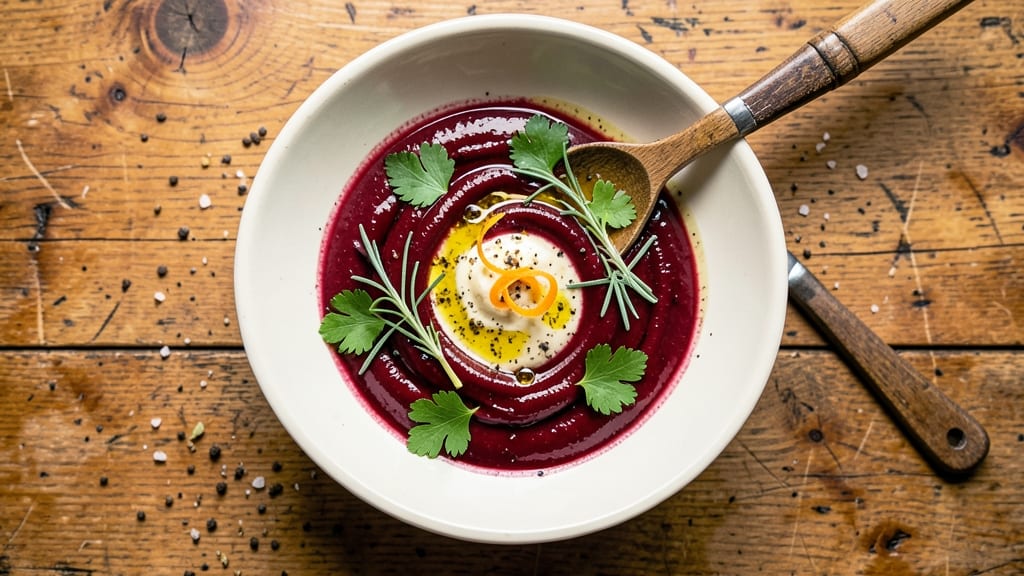
This Café Rio vinaigrette salad dressing recipe transforms any salad into a vibrant, restaurant-worthy dish with just five ingredients and five minutes of prep time. The secret lies in balancing bright citrus, aromatic herbs, and a perfect oil-to-acid ratio—no fancy emulsifiers needed.
I developed this recipe after years of testing store-bought dressings that never quite captured the fresh, tangy zing of a proper vinaigrette.
The foundation is simple: high-quality olive oil and red wine vinegar, whisked together with Dijon mustard to stabilize the emulsion. Fresh lemon juice adds brightness, while a blend of parsley, tarragon, and a touch of garlic creates that signature Café Rio herbaceousness.
The key is patience—letting the dressing sit for at least 10 minutes allows flavors to meld and the mustard to fully emulsify.
What you’ll end up with is a dressing that’s bold enough to stand up to hearty greens but delicate enough to enhance delicate arugula or fresh berries. The citrus cuts through richness while the herbs add depth, creating a perfect balance of tangy, herby, and slightly sweet.
This isn’t just dressing—it’s the kind of flavor that elevates simple greens into something special.
Use it immediately on your favorite salads or make a batch ahead for the week. The flavors only improve with time, making this the ultimate pantry staple for effortless, restaurant-quality meals. Let’s get started!
Ingredients for cafe rio vinaigrette salad dressing
Five ingredients, bold flavors—this dressing is your secret weapon for restaurant-quality salads.
| Ingredient | Amount | Notes |
|---|---|---|
| Extra-Virgin Olive Oil 🫒 | ¾ cup | High-quality, fruity, and peppery |
| Red Wine Vinegar 🍷 | ⅓ cup | Dry and robust variety preferred |
| Fresh Lemon Juice 🍋 | ¼ cup | Freshly squeezed from ripe lemons |
| Dijon Mustard 🥬 | 1 tbsp | Mild or medium strength works best |
| Fresh Parsley Leaves 🌿 | ¼ cup | Finely chopped, stems removed |
| Fresh Tarragon Leaves 🌿 | 0.17 cup | Finely chopped, about 10 sprigs |
| Garlic Cloves 🧄 | 1 whole | Minced or finely grated |
| Sea Salt 🧂 | ½ tsp | Fine grain preferred |
| Ground Black Pepper 🌶️ | ¼ tsp | Freshly ground for best flavor |
The olive oil and vinegar are non-negotiable—look for extra-virgin olive oil with a fruity, peppery finish (like California Olive Ranch or Bertolli), and a dry red wine vinegar (avoid sweet balsamic blends). Fresh herbs are key: parsley and tarragon from the grocery store’s refrigerated section work, but farmers' market herbs have that extra punch. The garlic? Freshly minced makes all the difference—jarred garlic just won’t cut it. For the mustard, Dijon is essential—it emulsifies the dressing beautifully without overpowering the citrus.
No fresh tarragon? Dried tarragon at half the amount works, but it’s not the same. Short on lemon juice? Substitute lime juice for a tangier twist, or extra vinegar if you’re in a pinch. The mustard can be swapped for whole-grain mustard, but Dijon’s smooth texture is ideal. For a sweeter touch, add a teaspoon of honey (or maple syrup for vegan versions), but trust me, the citrus and herbs shine on their own. If you’re making this ahead, whisk everything together and let it sit for 10 minutes—the flavors meld into something truly magical.
This dressing keeps beautifully—up to 1 week in the fridge sealed in a jar. The longer it sits, the better it tastes as the flavors meld. For extra convenience, divide into small jars or ice cube trays and freeze for up to 3 months. Just thaw overnight in the fridge before using. Pro tip: shake well before each use—the oil and vinegar separate, but whisking it back together is part of the fun. It’s the perfect pantry staple for effortless, restaurant-worthy salads all week long.
Why You'll Love This Recipe
- Five-Ingredient Magic: I swear by this combo—just oil, vinegar, lemon, mustard, and parsley. No fancy gadgets, no measuring cups with tiny lines, just a jar and a whisk. Honestly, it’s the kind of dressing I make when I’ve got a head of lettuce begging for attention but zero energy to overthink it.
- Bright & Tangy: That lemon juice and red wine vinegar? They wake up every bite. The Dijon mustard adds this little kick that makes it way more interesting than your basic bottled dressing—like the difference between a text and a phone call. I’ll be real: it’s the kind of flavor that makes salads feel like a treat, not a chore.
- Meal Prep MVP: This keeps for weeks in the fridge, and I mean weeks. I’ll make a big batch on Sunday, toss it in a jar, and suddenly lunch is sorted for the whole week. It’s my secret weapon for when I’m too tired to think but still want something fresh—no sad, wilted greens here.
- Budget Brightener: Extra-virgin olive oil and red wine vinegar are staples that don’t break the bank, and a handful of parsley stretches farther than you’d think. Between us, this is the dressing that makes even the simplest greens feel like a fancy café salad—without the café price tag.
Step-by-step instructions for café rio-style vinaigrette
This bright, herbaceous dressing comes together in minutes—just whisk and taste as you go!
Whisk Vinegar, Lemon Juice, and Mustard
In a medium bowl, combine the 0.33 cup red wine vinegar, 0.25 cup fresh lemon juice, and 1 tbsp Dijon mustard. Start with a whisk to emulsify these ingredients—they’ll look slightly thick and glossy. The acidity from the vinegar and lemon will brighten your salad, while the mustard adds depth. I like to taste at this stage to check the balance—it should be tangy but not overpowering.
If you’re using a blender or food processor instead, pulse briefly to blend the ingredients. The mustard helps bind the dressing later, so don’t skip this step. The mixture should be smooth and free of lumps. If it’s too thick, add 1 teaspoon of water to loosen it slightly, but we’ll adjust consistency later.
Add Garlic, Salt, and Pepper
Next, add the minced garlic clove, 0.5 tsp sea salt, and 0.25 tsp ground black pepper to the bowl. Stir well to dissolve the salt and distribute the garlic evenly. The garlic should be finely minced—no large chunks—so it blends seamlessly into the dressing. If you love garlic flavor, you can add an extra ¼ teaspoon here, but don’t overdo it or the dressing might taste harsh.
Taste again to check the seasoning. The salt should enhance the acidity, and the pepper adds a subtle warmth. If the dressing tastes flat, add a pinch more salt or a dash of vinegar. This is where you fine-tune the flavor before adding the oils and herbs.
Slowly Drizzle in the Olive Oil
With the whisk in hand, begin drizzling in the 0.75 cup extra-virgin olive oil very slowly—this is the key to a smooth, emulsified dressing. Start with just a few drops, whisking constantly to incorporate the oil into the vinegar mixture. The goal is to create tiny oil droplets that disperse evenly, not separate into a greasy layer.
Once you’ve added about ¼ cup of oil, pause and whisk vigorously for 30 seconds. You’ll notice the mixture thicken slightly as the oil begins to emulsify. If it looks curdled or separated, don’t worry—just keep whisking. The emulsification process is delicate, so patience is key. If the dressing starts to look too thick, add 1 teaspoon of water to loosen it.
Fold in the Fresh Herbs
Gently fold in the 0.25 cup finely chopped parsley leaves and 0.17 cup finely chopped tarragon leaves using a spatula. The herbs should be evenly distributed throughout the dressing, adding a fresh, aromatic finish. Tarragon has a unique anise-like flavor, so don’t skip it—it’s what gives this dressing its signature Café Rio taste. If you can’t find tarragon, a pinch of dried tarragon or even a bit more parsley works in a pinch.
Give the dressing one final taste and adjust the seasoning if needed. It should be bright, tangy, and herbaceous with a smooth, creamy texture. If it’s too thick, whisk in 1-2 teaspoons of water until it reaches a pourable consistency. If it’s too thin, let it sit for 5 minutes—the oil will naturally separate slightly, and you can whisk it back together.
Let It Rest and Serve
Transfer the dressing to a clean jar or airtight container and let it rest for at least 15 minutes before using. This gives the flavors time to meld together, resulting in a more cohesive taste. The dressing will keep in the refrigerator for up to 5 days, so it’s perfect for meal prep. Shake or whisk well before each use, as the oil and vinegar may separate slightly over time.
Use this dressing on mixed greens, grain bowls, or even drizzled over grilled vegetables. The balance of citrus, herbs, and olive oil makes it incredibly versatile. If you’re feeling adventurous, add a pinch of smoked paprika or a splash of honey for a sweet and smoky twist!
Pro Tips For Making Cafe Rio Vinaigrette Salad Dressing
- Whisk in stages: Start by mixing the Dijon mustard with just the vinegar and lemon juice first—this emulsifies the acid and oil better than dumping everything at once. After 30 seconds of whisking, slowly drizzle in the olive oil in a thin, steady stream (about 1 tablespoon at a time). The mustard acts like a glue here, and rushing it leads to separation later.
- Use room-temperature oil: Cold olive oil from the fridge won’t emulsify as smoothly—it’s like trying to mix oil and vinegar in winter. Let the bottle sit out for 10-15 minutes before measuring, especially if your kitchen runs chilly. Warm hands work in a pinch, but don’t microwave it (you’ll taste the difference).
- Reserve the parsley stems: Those tough stems aren’t just waste—they’re packed with flavor. Roughly chop them (no need to blend) and add them to the dressing along with the leaves. Strain out the stems after 10 minutes if you prefer a silky texture, but leaving them in for a few hours deepens the herbal punch.
- Balance the ratios first: Taste the raw vinegar-lemon-mustard mix before adding oil—this is where most dressings go wrong. If it’s too sharp, add a pinch of salt or a splash of water. If it’s bland, squeeze in more lemon or use a stronger vinegar. The oil comes last, and you can always adjust it, but fixing over-acidity is harder.
Storing and reheating your leftovers
Fridge Storage Tips
Store your vinaigrette in a clean glass jar with an airtight lid—this keeps the flavors fresh and prevents contamination. I like using mason jars because they’re easy to shake and reuse. Keep it refrigerated for up to 5 days—the longer it sits, the more the flavors meld together beautifully.
Remember, the herbs will stay vibrant for the first 3 days, so use it within that time for peak freshness. 🌿
Freezing for Later
For long-term storage, freeze the dressing in ice cube trays or small jars. Portion it into 1-tablespoon servings so you can thaw just what you need. Freeze for up to 3 months, but thaw it overnight in the fridge before using.
The texture might separate slightly after freezing, but a quick whisk brings it back to perfection. I’ve even frozen it in silicone molds for easy single-serving portions. ❄️
Reviving Separated Dressing
If your vinaigrette separates in the fridge, don’t toss it! Simply whisk or shake vigorously for 30 seconds to re-emulsify. The oil and vinegar will blend back together, and the dressing will be ready to use.
For extra insurance, add ½ teaspoon of Dijon mustard to help stabilize it. I’ve had this happen more times than I’d like to admit, but it’s always fixable. 💫
Reheating (If Needed)
While this dressing is best served cold, if you’ve accidentally warmed it up, let it cool completely before using. If it’s too thick after reheating, thin it with 1 teaspoon of water or lemon juice.
Never microwave it—heat can break down the delicate emulsion and alter the flavors. A quick stir and a taste test are all you need to bring it back to life. 🔥
Herb Refresh Trick
If the herbs in your stored dressing lose their brightness, add 1 teaspoon of fresh lemon juice or a pinch of dried herbs (like parsley or tarragon) to revive them. The acidity will perk up the flavors, making it taste like you just made it.
This trick works wonders for dressings that have been sitting in the fridge for a few days. 💡
Portioning for Convenience
Divide your dressing into small jars or squeeze bottles for easy grab-and-go use. I keep a few in my fridge at all times—one for salads, one for grain bowls, and one for quick dressings on the go. Label them with the date so you remember when to use them up. This way, you’ll always have fresh, flavorful dressing ready whenever you need it. ✨
Nutrition facts
Frequently asked questions
Can I make this dressing without Dijon mustard?
Yes, but the texture may separate more easily. Use 1 tbsp whole-grain mustard or ½ tsp honey/maple syrup as a natural emulsifier. For a vegan version, replace the mustard with 1 tsp cornstarch mixed with 1 tsp water—it works surprisingly well!
How do I adjust the dressing for spicy or sweet preferences?
For heat, add ½ tsp red pepper flakes or a dash of hot sauce. For sweetness, stir in 1 tsp honey or ½ tsp maple syrup. Always taste first—herbs and citrus balance flavors beautifully, so go slow!
Why did my dressing separate in the fridge?
Separation is normal! The oil and vinegar naturally split, but it’s easily fixed. Whisk or shake vigorously for 30 seconds—the mustard will re-emulsify it. For extra stability, add ½ tsp more Dijon mustard before storing. Keep it in a clean jar to prevent contamination.
What’s the best way to store leftover dressing?
Transfer to an airtight glass jar and refrigerate for up to 5 days. For longer storage, freeze in ice cube trays (thaw overnight). Label with dates—herbs lose vibrancy after 3 days, but the base flavors stay fresh.
Can I use this dressing on non-salad dishes?
Drizzle over grilled chicken, fish, or roasted vegetables for instant flavor. It also works as a marinade (reduce acidity first by adding 1 tbsp olive oil) or a dip for crusty bread. The citrus and herbs elevate everything!